Polokwane
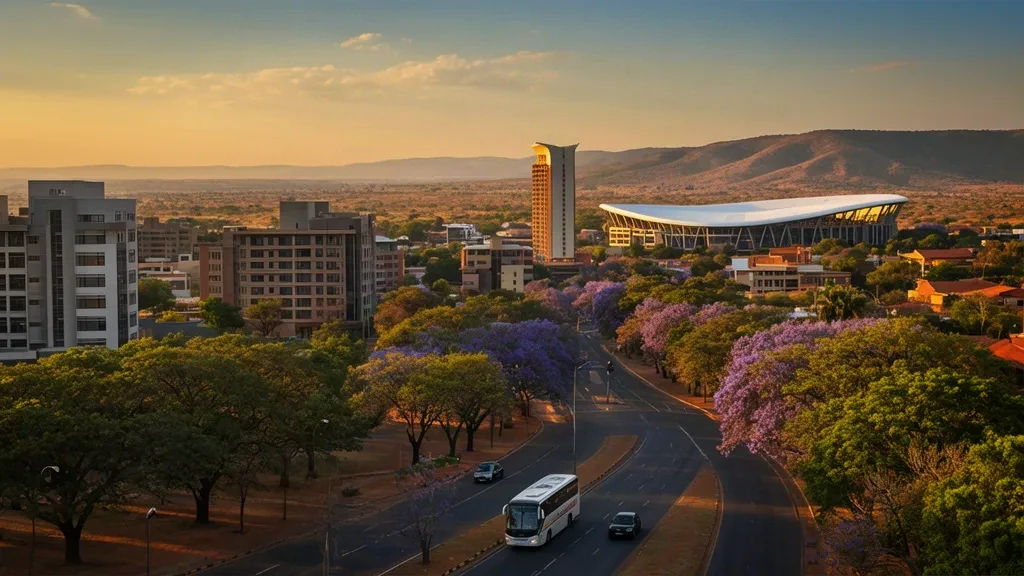
Polokwane, Limpopo's capital, combines a busy commercial and government role with a warm highveld setting, cultural venues and proximity to the province's wildlife and scenic routes.
Passengers
Luggage
About Limpopo
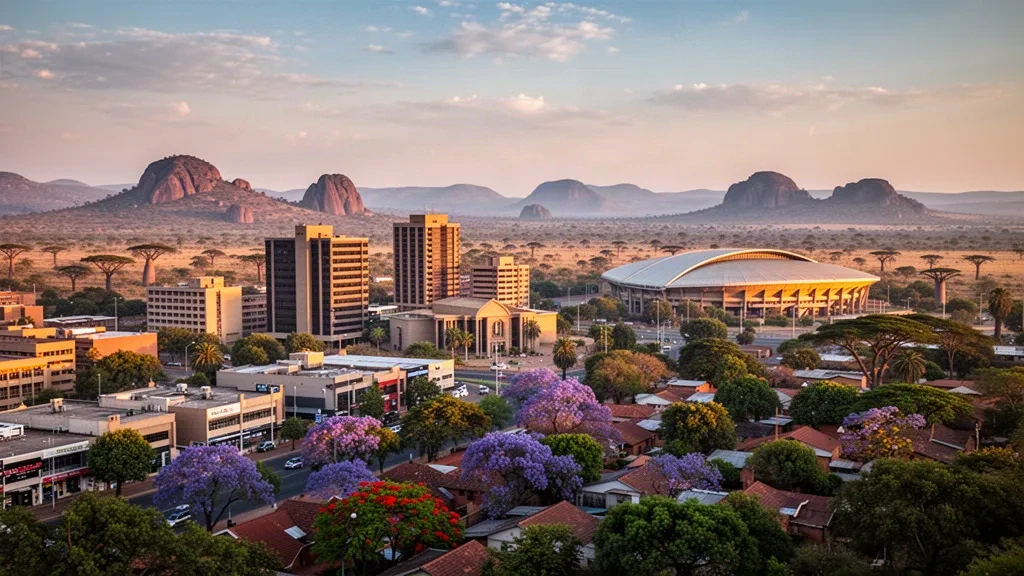
Polokwane is the capital of Limpopo province and the main urban centre of northern South Africa, sitting on the N1 highway roughly halfway between Pretoria and the Zimbabwean border. The name means "place of safety" in Northern Sotho, and the city serves as a busy administrative, commercial and transport hub for the surrounding farming and mining region.
The city was founded in 1886 as Pietersburg and renamed Polokwane in 2003, a change that reflected its Sepedi-speaking character. Its layered history shows in landmarks such as the restored Irish House, the Civic Square and older church buildings, while the Peter Mokaba Stadium is a reminder of the city's role as a host during the 2010 FIFA World Cup.
Polokwane combines a compact, walkable centre with leafy residential suburbs such as Bendor, Fauna Park and Welgelegen, alongside the large townships of Seshego and Mankweng. Attractions include the Polokwane Game Reserve, the Bakone Malapa Northern Sotho Open-Air Museum, the Polokwane Art Museum and the Hugh Exton Photographic Museum, with retail and dining concentrated around Mall of the North and Savannah Mall.
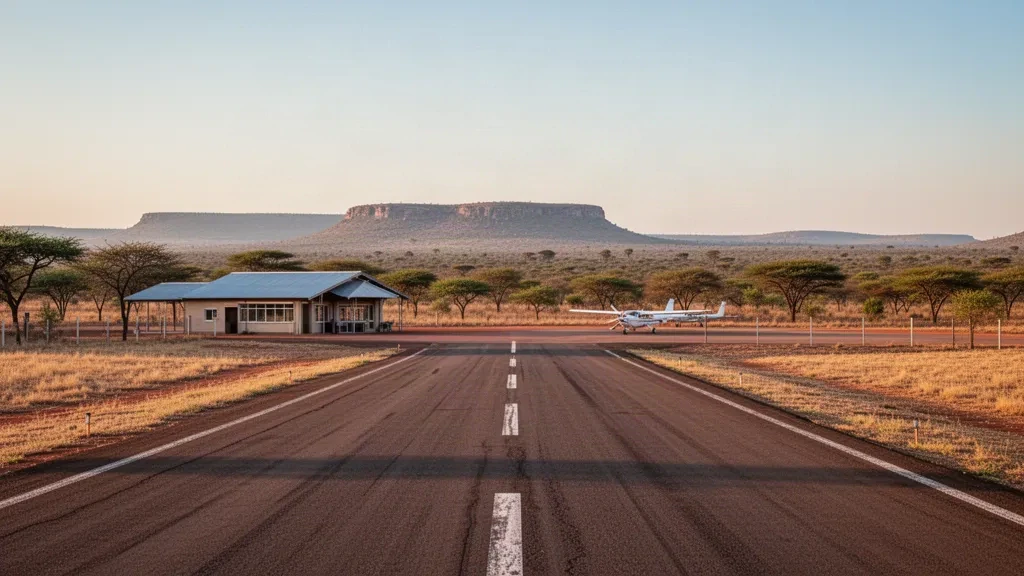
As the provincial capital, Polokwane is a centre for government, mining-related business, agriculture, logistics and education, with the University of Limpopo located nearby. Polokwane International Airport links the city to Johannesburg and other destinations, supporting trade fairs, conferences and business travel across the region.
For travellers, Polokwane is a practical base and stopover for exploring Limpopo, including routes toward the Magoebaskloof area, the northern Kruger region and the Mapungubwe World Heritage landscape, offering a mix of business convenience and genuine Northern Sotho culture.
Limpopo Travel Guide
Best Time to Visit
The dry winter months from May to September offer mild, sunny days and are the most comfortable period for sightseeing and game viewing. Summer from October to March brings heat and afternoon thunderstorms, but also greener landscapes and fewer crowds outside holiday periods.
How to Get Around
Polokwane is laid out around a compact centre, and many areas are easiest to explore by rental car, especially along the N1 and outlying attractions. Minibus taxis serve local routes, while private transfers and chauffeur services are useful for airport journeys, business travel and guided visits.
Where to Stay
The city centre, Bendor and Fauna Park offer convenient hotels and guest houses near shops, restaurants and business addresses. Lodges and bush-style guest houses around the Polokwane Game Reserve provide a quieter, nature-focused alternative within easy reach of town.
Food & Drink
Local eating centres on South African favourites such as braai, pap, boerewors and biltong, with Northern Sotho specialities like mopane worms available at markets. Restaurants and cafés can be found in the malls and around the city centre, alongside farm-style eateries on the outskirts.
Ground Transportation Services in Limpopo
Airport Transfers
Travel between Polokwane International Airport and hotels, business districts, venues and game lodges in and around Polokwane.
Hourly Chauffeur
Book a private chauffeur by the hour for business meetings, events, shopping and flexible sightseeing across Polokwane and nearby Limpopo destinations.
Car Rental
Rent a car in Polokwane for independent travel along the N1 and convenient journeys to attractions in the wider Limpopo region.
Bus & Group Transfers
Arrange minibuses or charter buses for groups, corporate travel, conferences, events, airport transfers and tours in Polokwane.
Frequently Asked Questions
Related Cities in South Africa
View all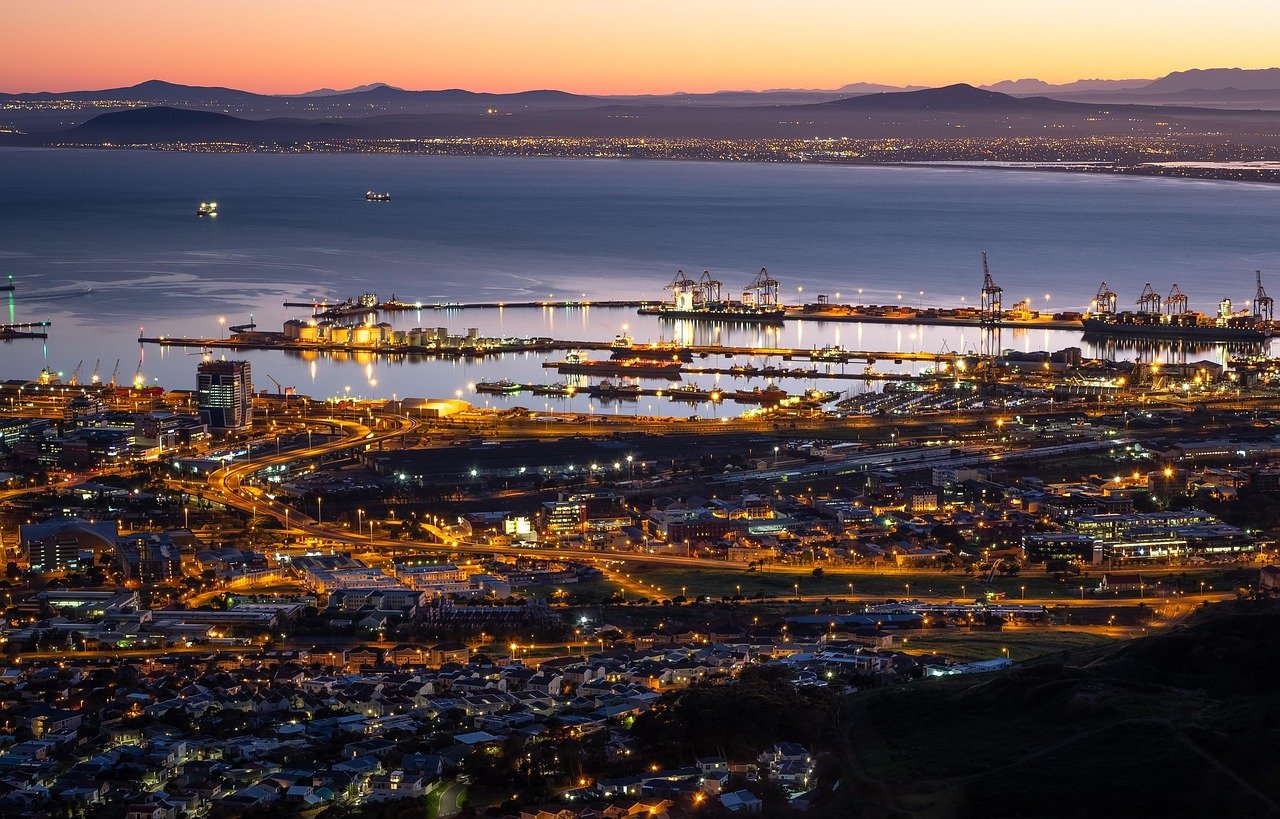
Cape Town
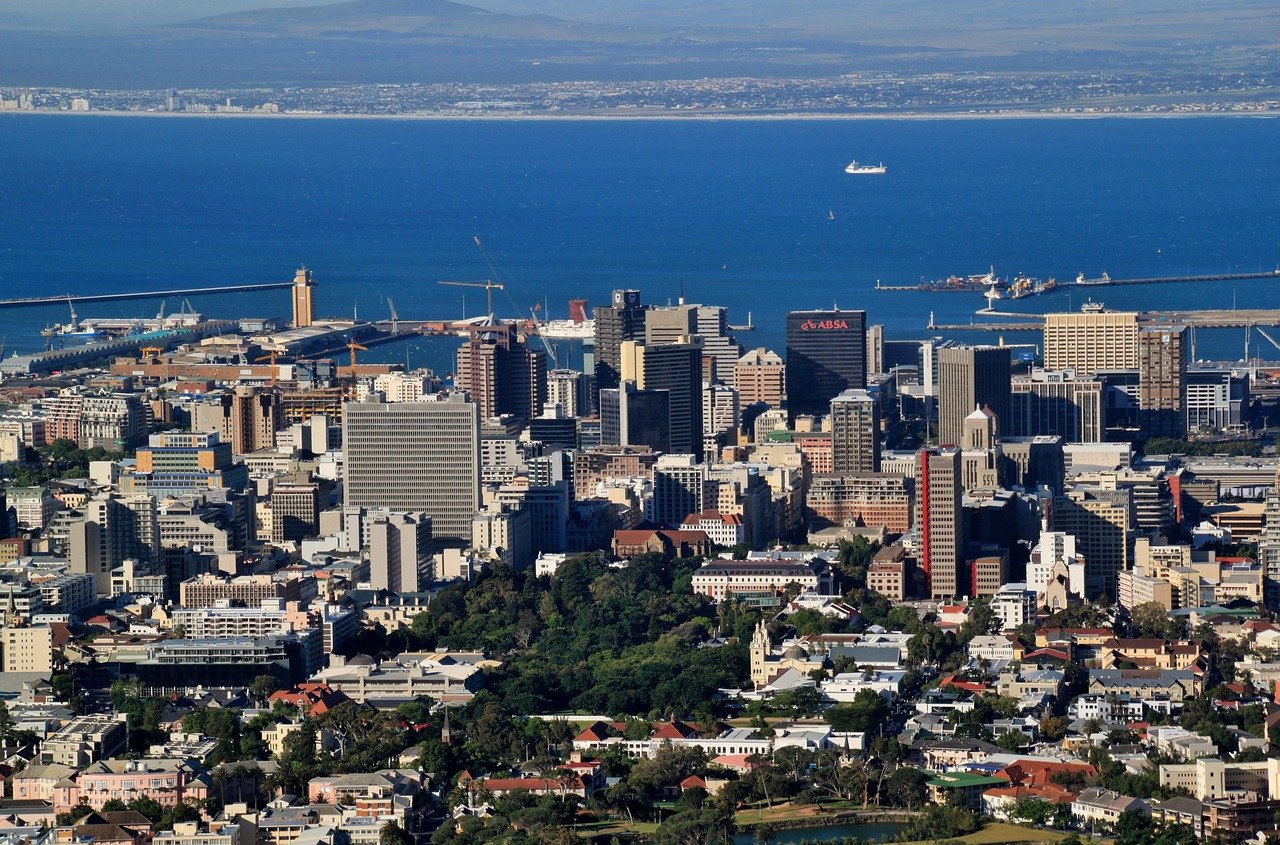
Cape Town, framed by Table Mountain and the Atlantic, pairs dramatic landscapes with layered history, vibrant neighbourhoods and a creative food and art scene.
Kimberley
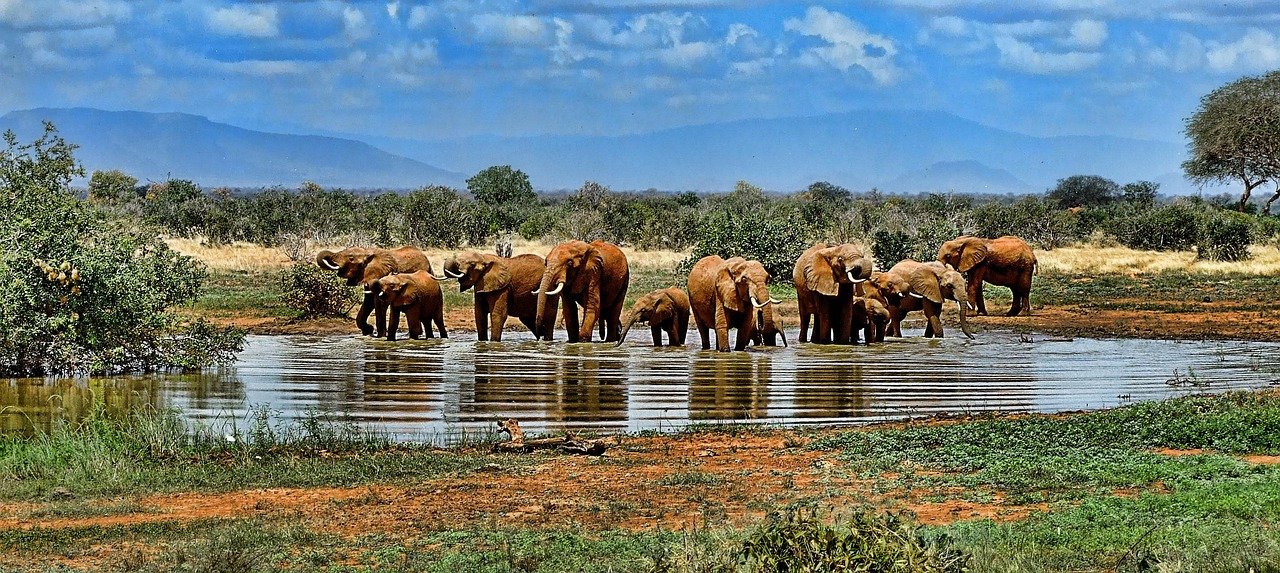
Kimberley, the historic diamond capital of South Africa's Northern Cape, pairs a remarkable mining heritage with landmarks such as the Big Hole, colonial-era architecture and a compact, walkable centre. Its museums and old streets recall the diamond rush, while the city serves as a gateway to the wider Northern Cape.
Rustenburg
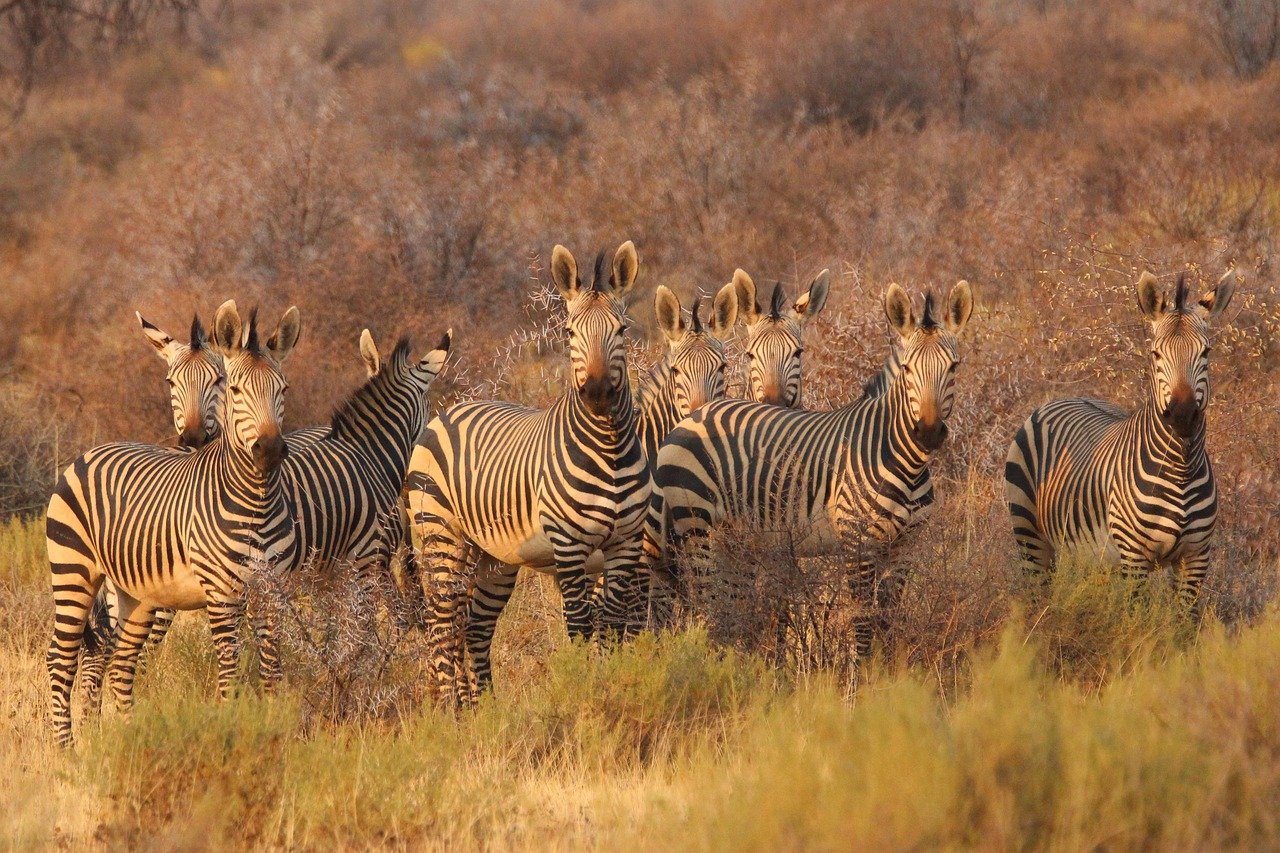
Rustenburg, a major city in South Africa's North West province, blends platinum mining heritage with bushveld scenery and serves as a gateway to Pilanesberg and Sun City.