
Somalia Bay
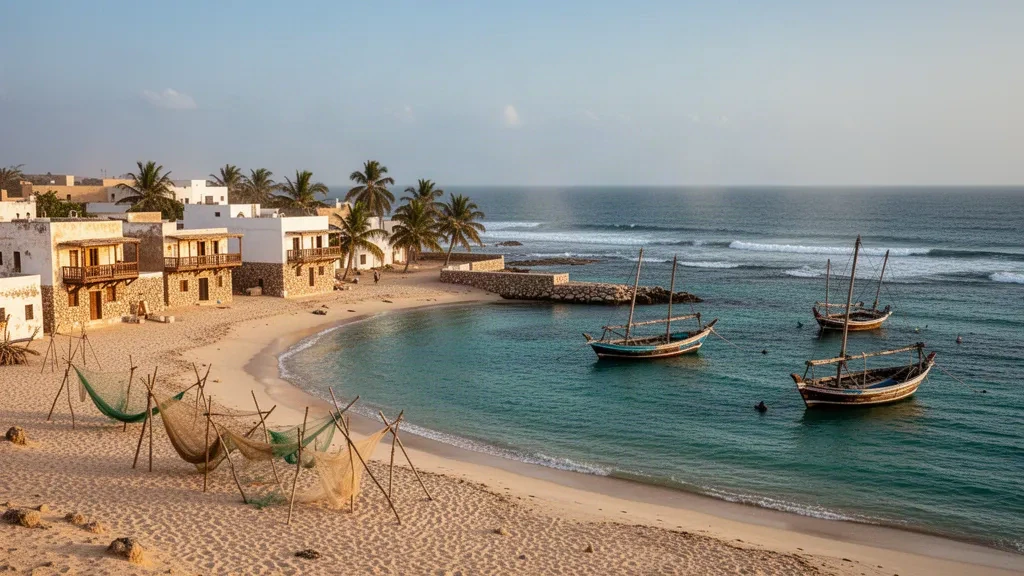
Somalia Bay is a coastal city where maritime heritage meets everyday life, with a relaxed shoreline atmosphere and a position shaped by regional trade and travel.
Passengers
Luggage
About Bay
Baidoa, locally known as Baydhabo, is the capital of Somalia's Bay region and the administrative seat of the South West State. It lies on a plateau in the southwestern part of the country, roughly 250 kilometres northwest of Mogadishu, and serves as the main commercial and humanitarian centre for the surrounding agricultural and pastoral areas.
The city is the heartland of the Maay language and is closely associated with the Digil and Mirifle (Rahanweyn) clans, giving Baidoa a cultural and linguistic identity that differs from coastal Somalia. Its role as a trading crossroads is reflected in busy markets, mosques and a growing urban fabric shaped by decades of in-migration.
Baidoa has held unusual political significance in modern Somali history: it hosted the Transitional Federal Government in the mid-2000s and was later retaken from Al-Shabaab in 2012. Administratively it is divided into districts such as Isha, Horseed, Berdaale and Howlwadaag, with newer settlements expanding around the older centre.
Grain and livestock trading anchor the local economy, alongside retail, services and the logistics of a large humanitarian operation. The University of Southern Somalia, established in 2007, and a growing network of schools and clinics underline the city's position as a regional education and health hub.
Baidoa is primarily relevant for humanitarian, business and NGO travel rather than conventional tourism. Visits are usually arranged in advance, and movement is typically organised with private vehicles and local guidance because security conditions can change quickly.
Bay Travel Guide
Best Time to Visit
Baidoa has a hot semi-arid climate with two rainy seasons, the Gu from about April to June and the Deyr from October to November. The drier months, roughly December to March and July to September, are generally more practical for road travel and outdoor movement.
How to Get Around
There is no established public bus network, so visitors typically rely on private vehicles, local three-wheeled taxis known as bajaj, and motorcycles within town. For trips beyond the centre or to field sites, four-wheel-drive vehicles and pre-arranged transport are the most common options.
Where to Stay
Most accommodation is concentrated near the city centre and includes guesthouses and small hotels, while many aid workers stay in organisational compounds. Booking through trusted local contacts or organisations is the usual practice for visitors.
Food & Drink
Local dining centres on Somali staples such as rice, pasta, camel and goat meat, tea and flatbreads, with sorghum-based dishes common in the Bay region. Small restaurants and tea shops are the main options, particularly around the central market area.
Ground Transportation Services in Bay
Airport Transfers
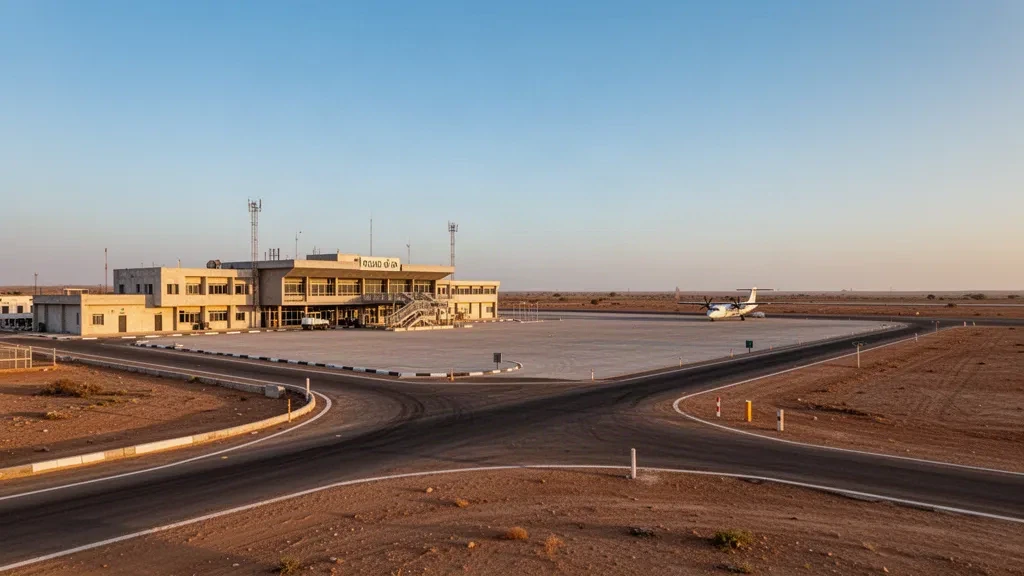
Pre-arranged vehicles meet flights at Baidoa Airport and carry passengers to hotels, offices, NGO compounds and other points in the city.
Hourly Chauffeur
A private driver can be booked by the hour for meetings, field visits, compound-to-compound movement and flexible travel around Baidoa.
Car Rental
Four-wheel-drive rentals with an experienced local driver are the standard choice for moving around Baidoa and reaching nearby areas, where road conditions can be difficult.
Bus & Group Transfers
Minibuses and larger vehicles can be chartered for NGO teams, official delegations, events, airport pickups and coordinated group travel in and around Baidoa.
Frequently Asked Questions
Related Cities in Somalia
View all
Beledweyne
Beledweyne, the capital of Somalia's Hiran region, sits along the Shabelle River and has long served as a trading and agricultural centre for central Somalia. Its riverside setting, markets and connections to surrounding farmland give the city its distinct character.
Hargeisa
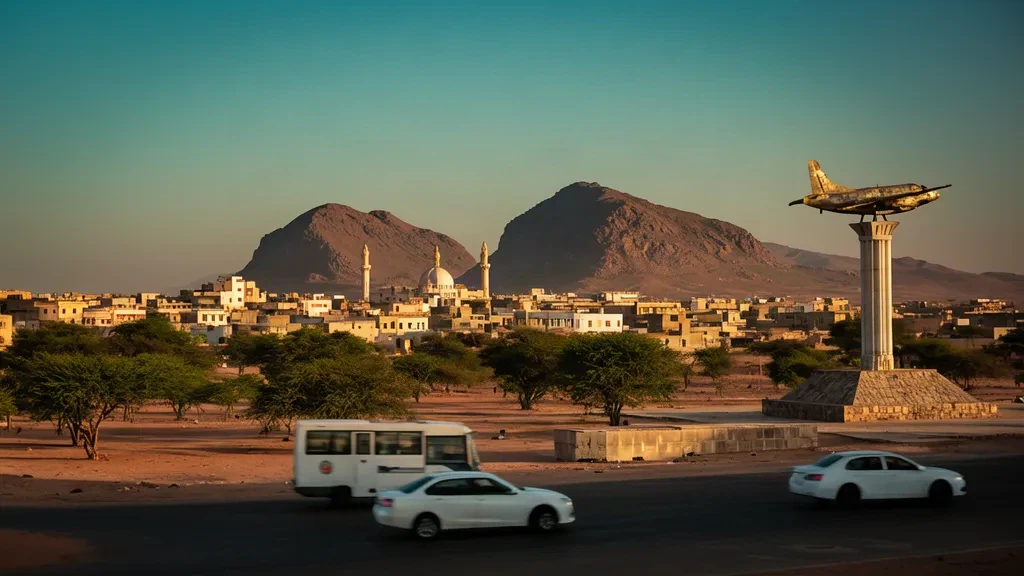
Hargeisa, the administrative and commercial hub of the Woqooyi Galbeed region, offers lively markets, cultural landmarks and a distinctive blend of Somali traditions and modern urban life.
Burao
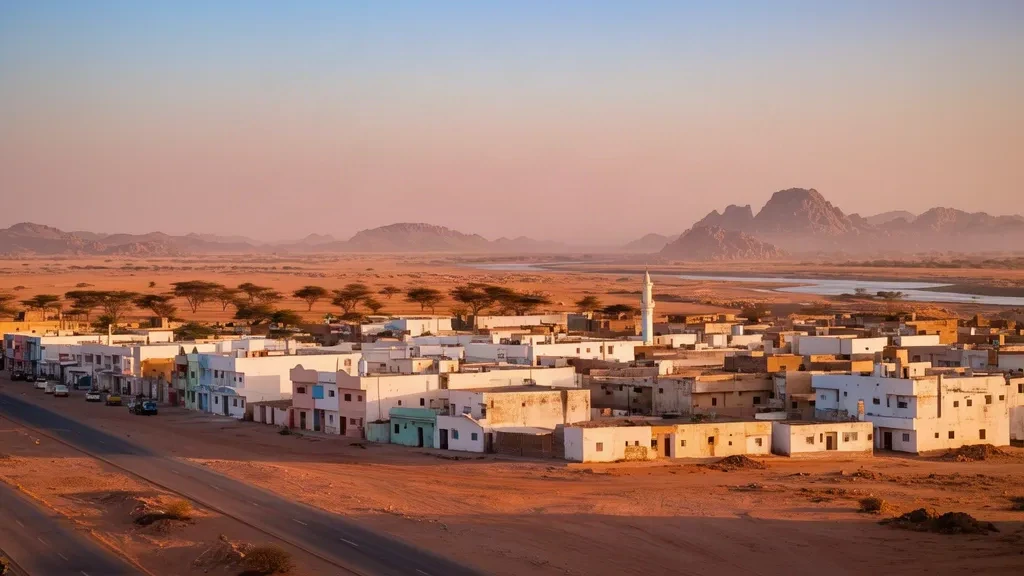
Burao, the capital of the Togdheer region, is a lively trading hub with a rich Somali cultural heritage, bustling markets and a welcoming local atmosphere.