Al Jawf
Al Jawf, in northern Saudi Arabia, is known for its archaeological landmarks, desert scenery and the historic oasis of Dumat al-Jandal. It offers a quiet glimpse into the kingdom's Nabataean and early Islamic heritage.
Passengers
Luggage
About Al Jawf
Al Jawf is a northern region of Saudi Arabia whose administrative capital and main city is Sakaka. Set on the edge of the Nefud desert, it is known for ancient archaeological sites, large-scale olive and date farming, and significant renewable-energy projects.
Human settlement here is among the oldest in the Arabian Peninsula. The Al-Shuwayhitiyah site near Sakaka dates to the Oldowan period of the Stone Age, while the Rajajil standing stones south of the city form a group of carved sandstone pillars with inscriptions from the fourth millennium BC.
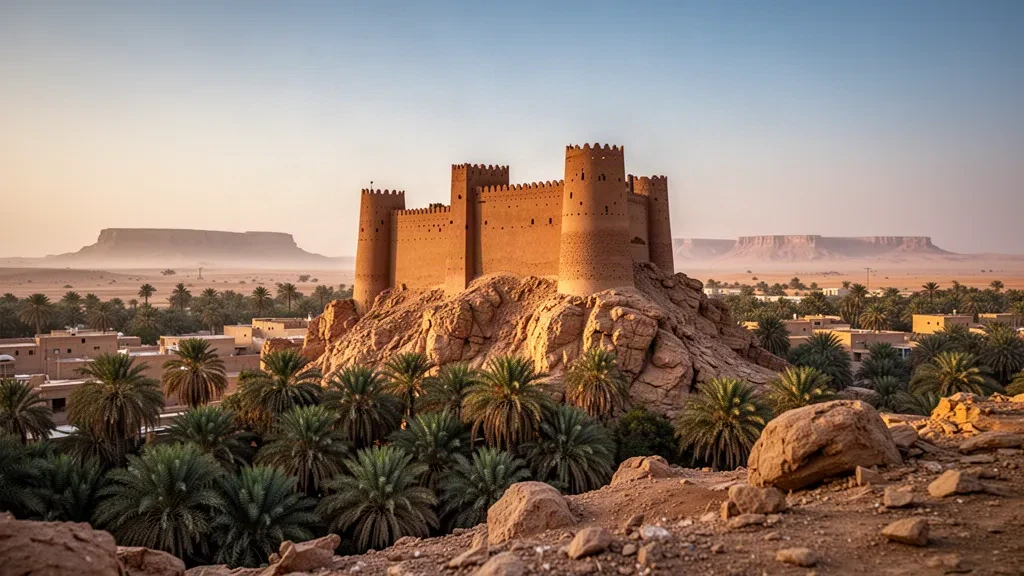
Sakaka's landmarks include Zaabal Castle, a restored fort on a rocky hill above the city, and the nearby historic Sisera Well. About 50 km to the west, Dumat al-Jandal preserves Marid Castle and the Omar Ibn al-Khattab Mosque, one of the region's earliest mosques, beside the large Dumat al-Jandal Lake.
The area is also a centre for agriculture, clean energy and education. Al Jawf is a major Saudi producer of olives and dates, and Dumat al-Jandal hosts the largest wind farm in the Middle East alongside the Sakaka solar power plant and Jouf University.
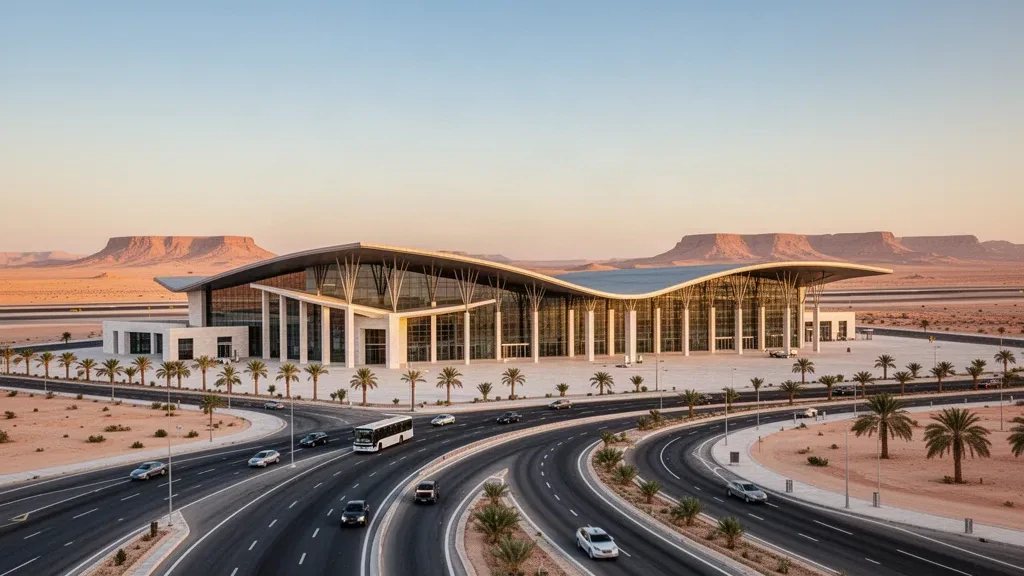
Leisure travellers visit for the desert landscape, archaeology and seasonal events, while business visitors come for agriculture, energy and government activity. Al Jawf Airport links the region to domestic and limited regional routes.
Al Jawf Travel Guide
Best Time to Visit
October to March offers the most comfortable weather for exploring archaeological sites and the surrounding desert. Summers are hot and dry, while winter nights can drop below freezing.
How to Get Around
Sakaka is easiest to explore by private car or taxi, as local public transport is limited. Rental cars are practical for reaching Dumat al-Jandal, the Rajajil standing stones and other sites across the region.
Where to Stay
Most hotels are concentrated in Sakaka, near Al Jawf Airport, government offices and Jouf University. A smaller selection near Dumat al-Jandal suits travellers visiting the castle, mosque and lake.
Food & Drink
Local cuisine features dates, olives, lamb, kabsa and Arabic coffee. Regional produce appears in local markets, while Sakaka's restaurants and cafés range from traditional Saudi dishes to international options.
Ground Transportation Services in Al Jawf
Airport Transfers
Travel between Al Jawf Airport and hotels, business areas and attractions in Sakaka, Dumat al-Jandal and the wider region.
Hourly Chauffeur
Book a private chauffeur by the hour for business meetings, government visits and sightseeing at sites such as Zaabal Castle and Marid Castle.
Car Rental
Rent a car in Sakaka for independent travel around the city and convenient journeys to Dumat al-Jandal, the Rajajil standing stones and other desert destinations.
Bus & Group Transfers
Arrange minibuses or charter buses for groups, corporate travel, events and tours across Al Jawf, including airport transfers and excursions to nearby governorates.
Frequently Asked Questions
Related Cities in Saudi Arabia
View all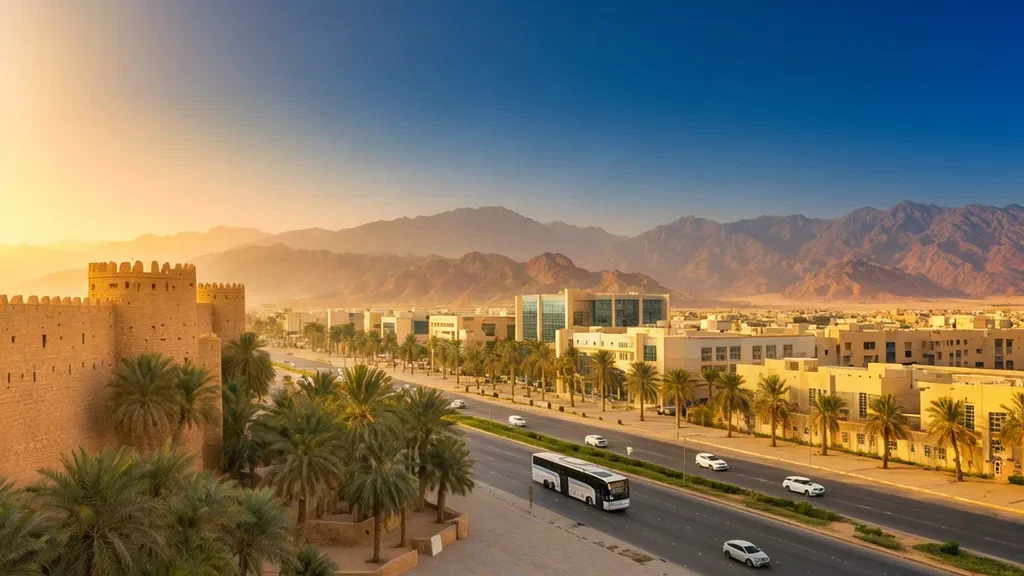
Tabuk
Tabuk, a historic crossroads in northwestern Saudi Arabia, blends ancient landmarks such as Tabuk Castle and Al Tawba Mosque with the stark beauty of the surrounding desert and a growing modern identity.
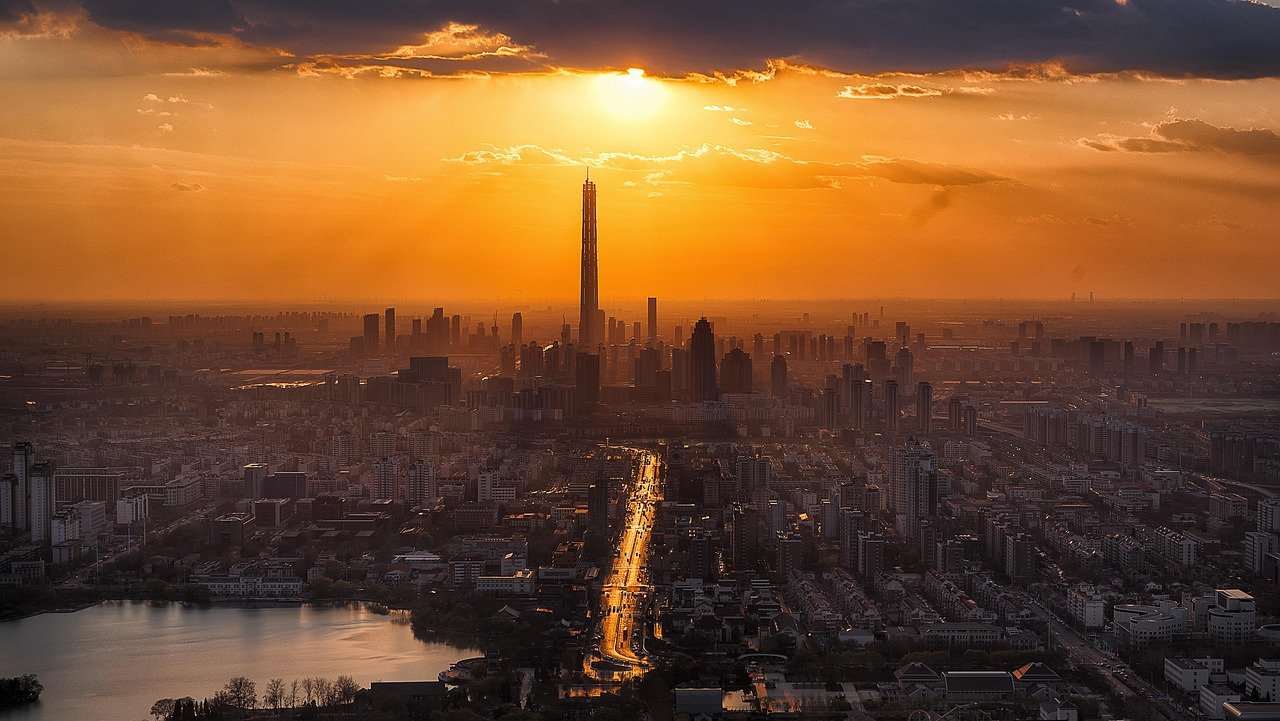
Riyadh
Riyadh, Saudi Arabia’s capital, pairs striking modern skyscrapers with deep-rooted Najdi heritage, from the mud-brick walls of Diriyah to bustling souks and a fast-growing cultural and business scene.
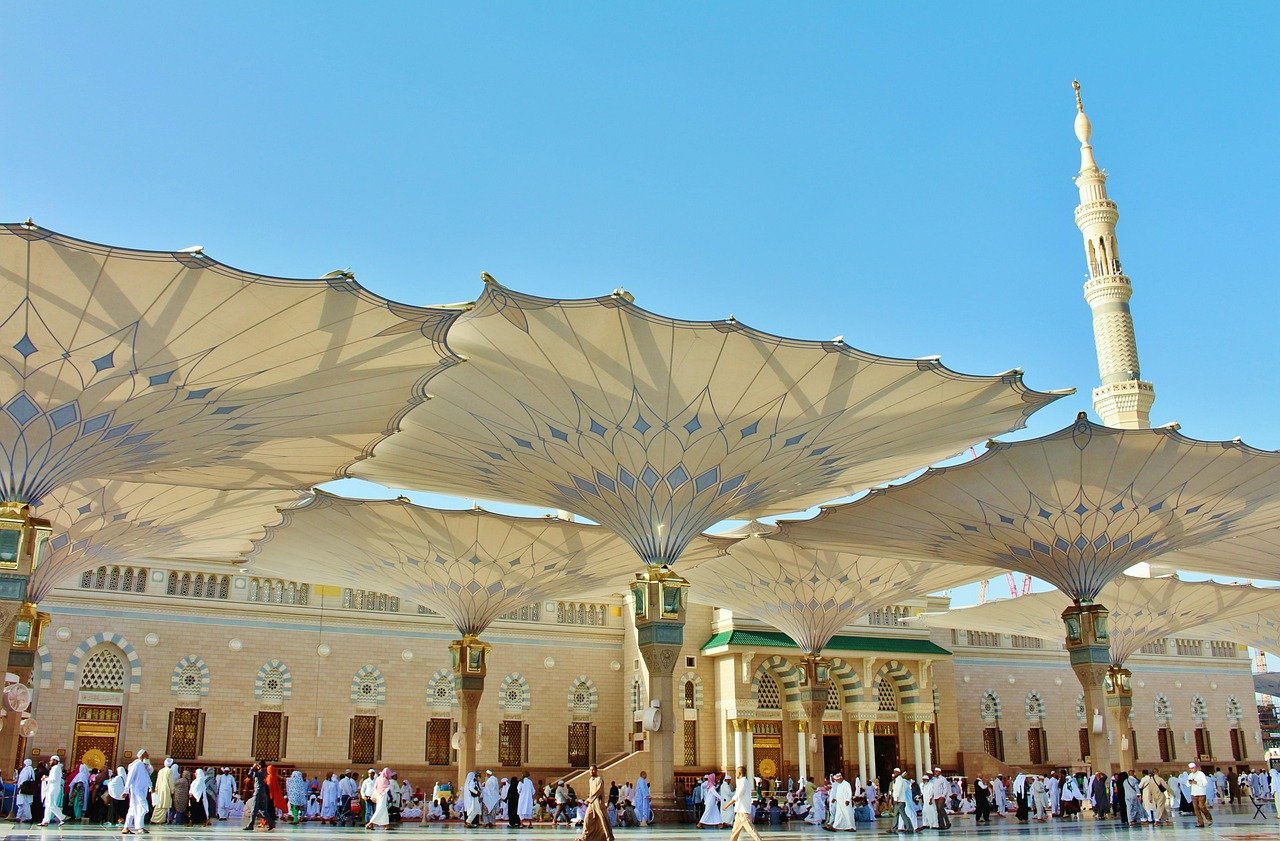
Arar
Arar, the administrative capital of Saudi Arabia's Northern Borders region, is a lively desert city with a strong local heritage, modern amenities and a strategic position near the Iraqi and Jordanian borders.