Satu Mare
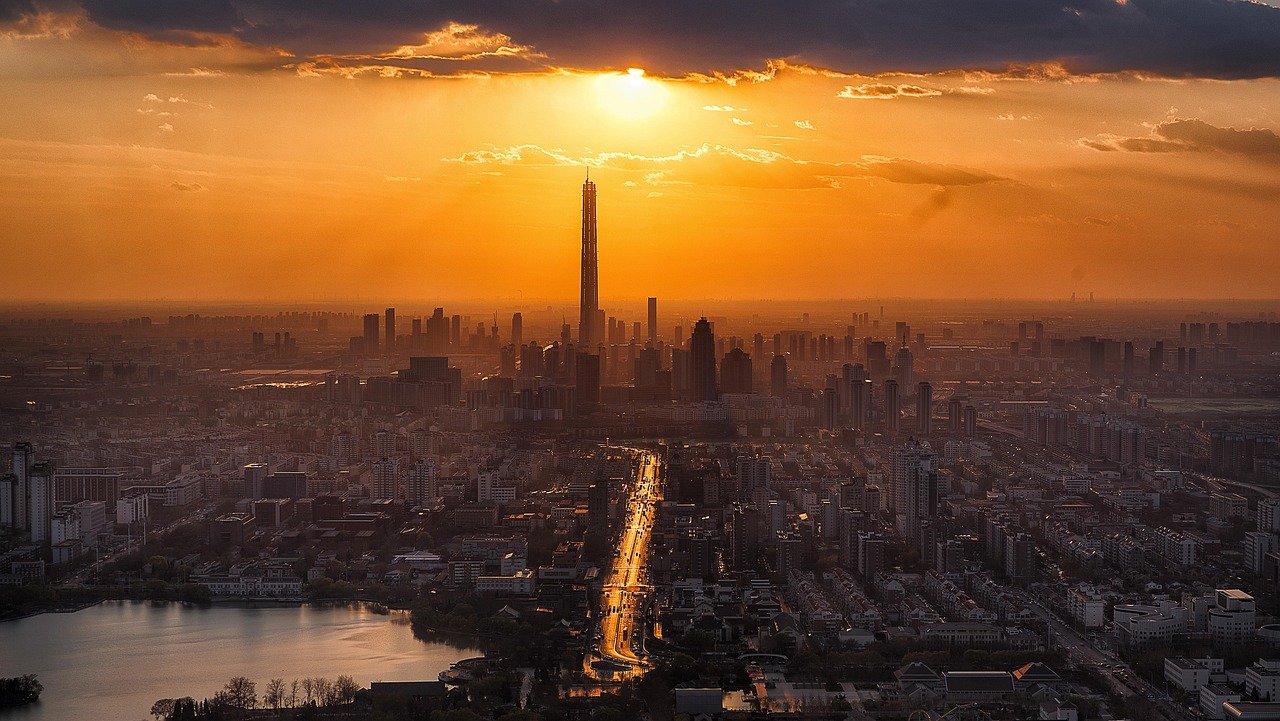
Satu Mare, the capital of Satu Mare County in northwestern Romania, pairs a historic center of Art Nouveau and Baroque architecture with leafy riverside parks and a lively cultural calendar.
Passengers
Luggage
About Satu Mare
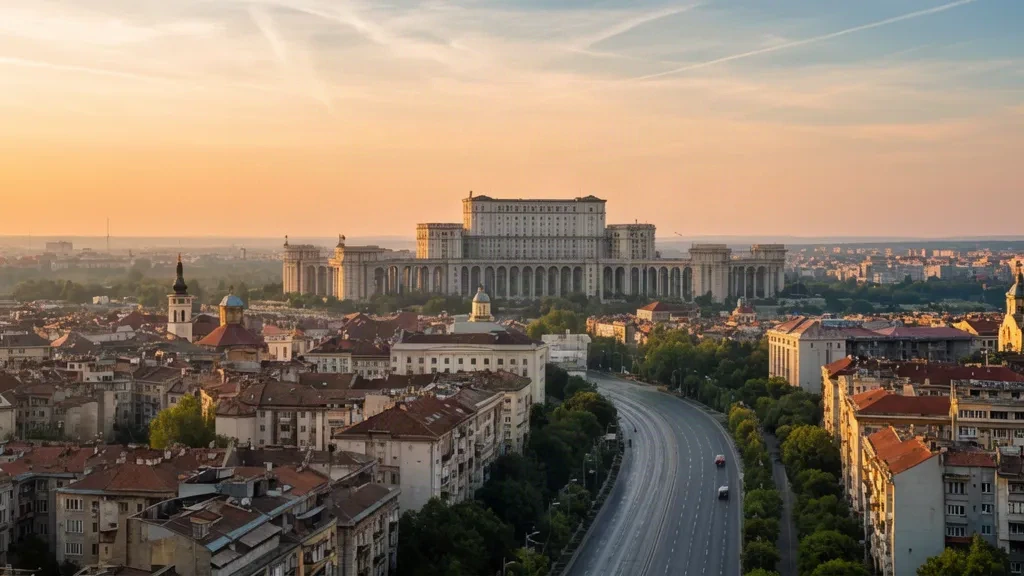
Satu Mare is a compact city in northwestern Romania and the seat of Satu Mare County, set on the Someș River close to the borders with Hungary and Ukraine. Its name means "great village," yet the city works as a regional administrative, commercial and industrial hub with a distinctly multicultural character shaped by Romanian, Hungarian, German and Jewish communities.
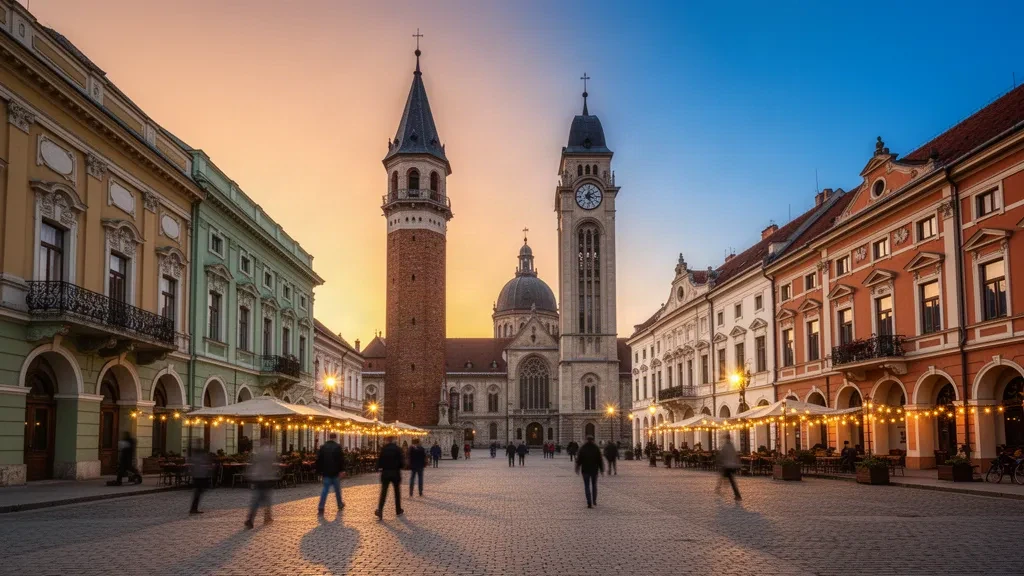
The city's layered past is visible across its centre. The Firemen's Tower, built in 1904, offers rooftop views, while the 97-metre Administrative Palace remains one of the tallest landmarks in the region. Nearby stand the Baroque Chain Church, completed in 1802, the Moorish-style Great Synagogue on Decebal Street and the 19th-century North Theatre, alongside the Roman Catholic and Orthodox cathedrals.
Most sights cluster around Piața Libertății, the historic heart of the city, with cafés, restaurants and shops on surrounding streets. The Garden of Rome is the largest park, and the tree-lined banks of the Someș are popular for walking. Satu Mare County Museum and the Art Museum in the city centre give an overview of local history and regional culture.
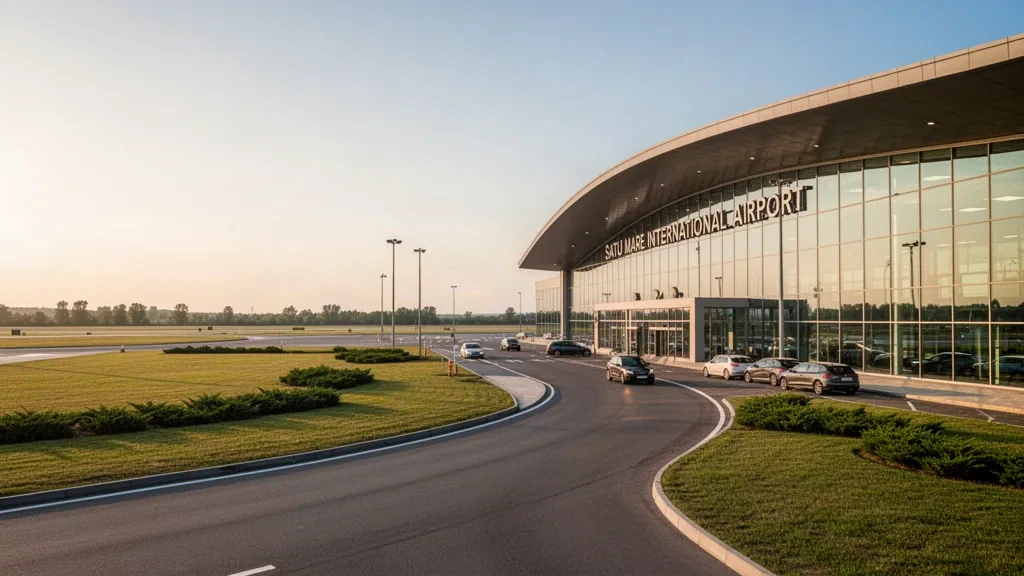
Beyond the centre, residential districts such as Micro 14-17, Carpați I and II and Solidarității house much of the city's population. Satu Mare's economy includes furniture production, food processing and cross-border trade, supported by Satu Mare International Airport and road and rail links to Cluj-Napoca, Baia Mare and the Hungarian border.
For travellers, Satu Mare offers an approachable mix of heritage, parks and everyday local life, and it makes a practical base for day trips into Maramureș, including the painted Săpânța Merry Cemetery, and the traditional villages of the Oaș region. Business visitors value its compact centre and convenient airport connections, while leisure travellers use it as a quieter gateway to northern Transylvania.
Satu Mare Travel Guide
Best Time to Visit
Late spring to early autumn is the best time to visit Satu Mare, with mild weather, green parks and outdoor events from May to September. Summer offers the longest days and most festivals, while autumn brings a calmer pace and the chance to explore nearby villages during harvest season.
How to Get Around
The compact centre is easy to explore on foot, with most sights around Piața Libertății. Local buses, including route 9 from the airport, cover the wider city, and taxis or rental cars are useful for reaching residential districts and nearby towns such as Baia Mare or Carei.
Where to Stay
Staying in the centre around Piața Libertății keeps you close to landmarks, restaurants and cafés. Hotels and guesthouses in quieter residential areas such as Carpați or the Micro districts suit families and business travellers looking for a more relaxed base.
Food & Drink
Satu Mare's food mixes Romanian and Transylvanian-Hungarian influences, with soups and stews, mămăligă, papanași and locally made plum brandy widely available. Agro-food markets such as Piața Someș sell seasonal produce, while the centre's cafés, pubs and restaurants offer everything from traditional meals to international dishes.
Ground Transportation Services in Satu Mare
Airport Transfers
Travel between Satu Mare International Airport and hotels, the city centre, business locations and other destinations across Satu Mare County.
Hourly Chauffeur
Book a private chauffeur by the hour for business meetings, events, sightseeing and flexible travel around Satu Mare and nearby towns.
Car Rental
Rent a car in Satu Mare for independent travel around the city and convenient day trips to Maramureș, the Oaș villages and the Hungarian border region.
Bus & Group Transfers
Arrange minibuses or charter buses for groups, corporate travel, events, airport pickups and tours in and around Satu Mare.
Frequently Asked Questions
Related Cities in Romania
View all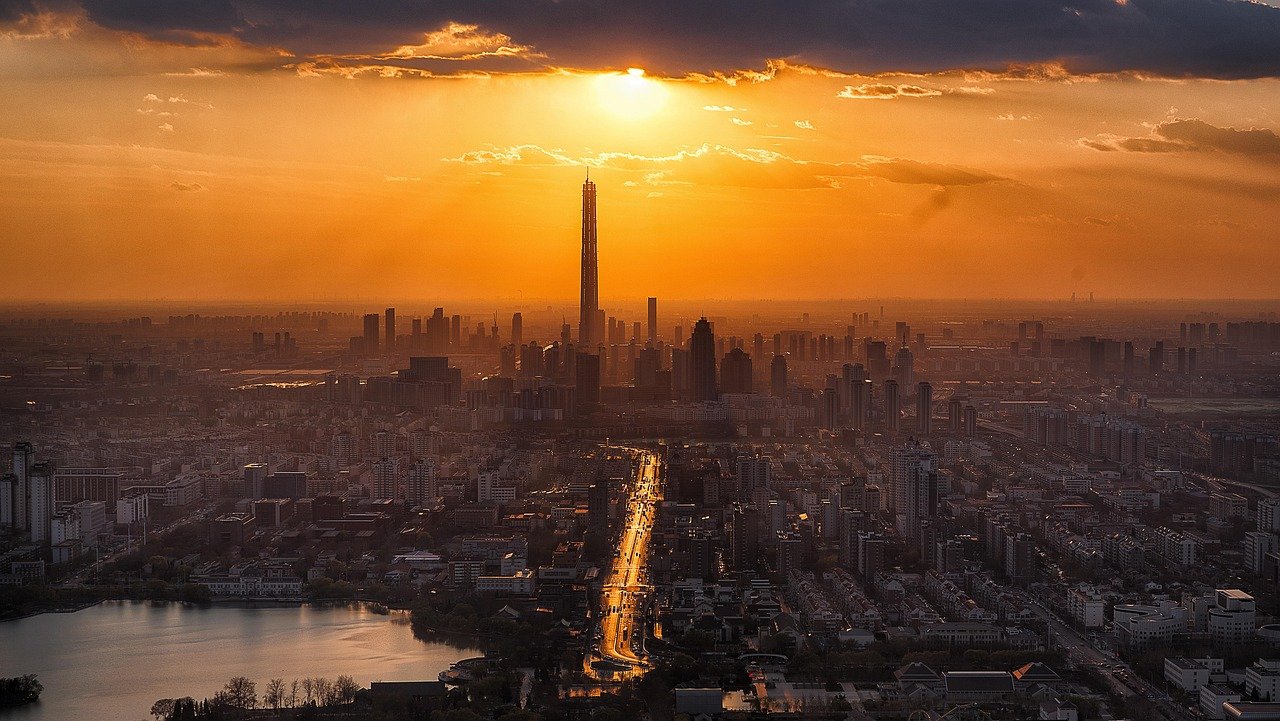
Vrancea
Vrancea, in eastern Romania, is a landscape of vine-covered hills, forested Carpathian slopes and old market towns, shaped by a wine-making tradition that has flourished here for centuries.
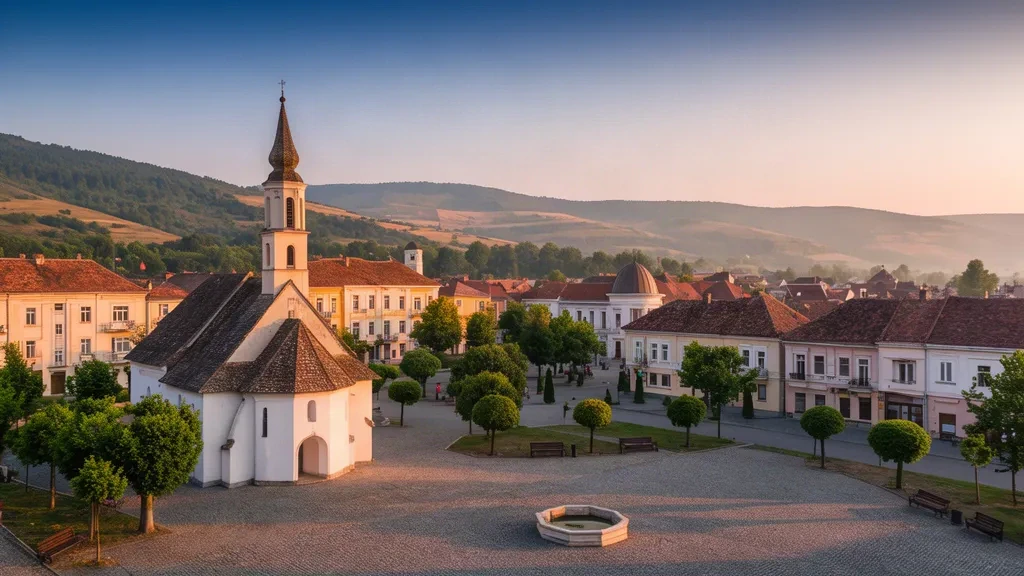
Vaslui
Vaslui is a historic Moldavian city in eastern Romania, known for its quiet streets, religious heritage and an easygoing local atmosphere.
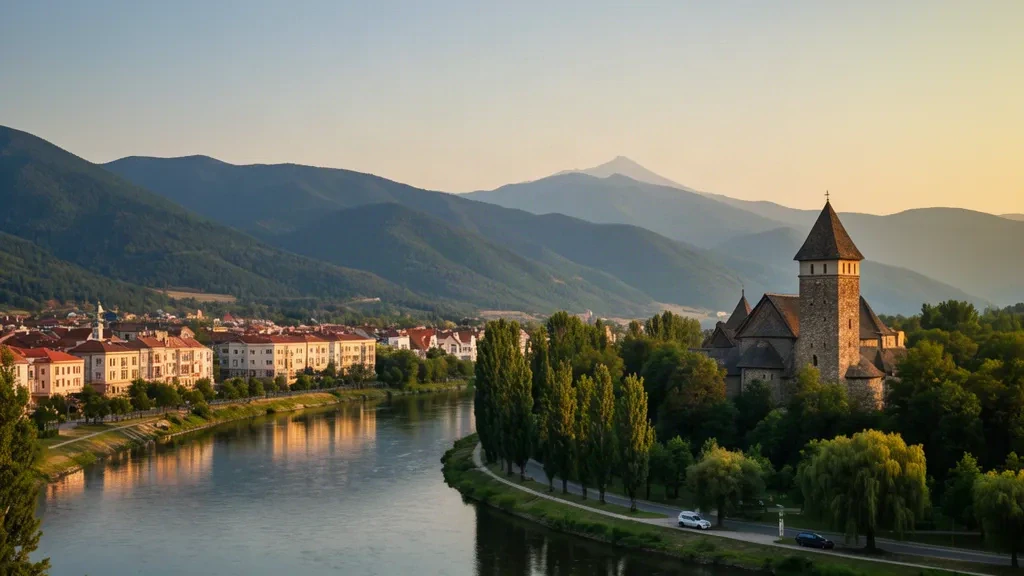
Vâlcea
Vâlcea, in southern Romania, blends rolling hills and river valleys with historic monasteries, traditional villages and a growing urban centre along the Olt.