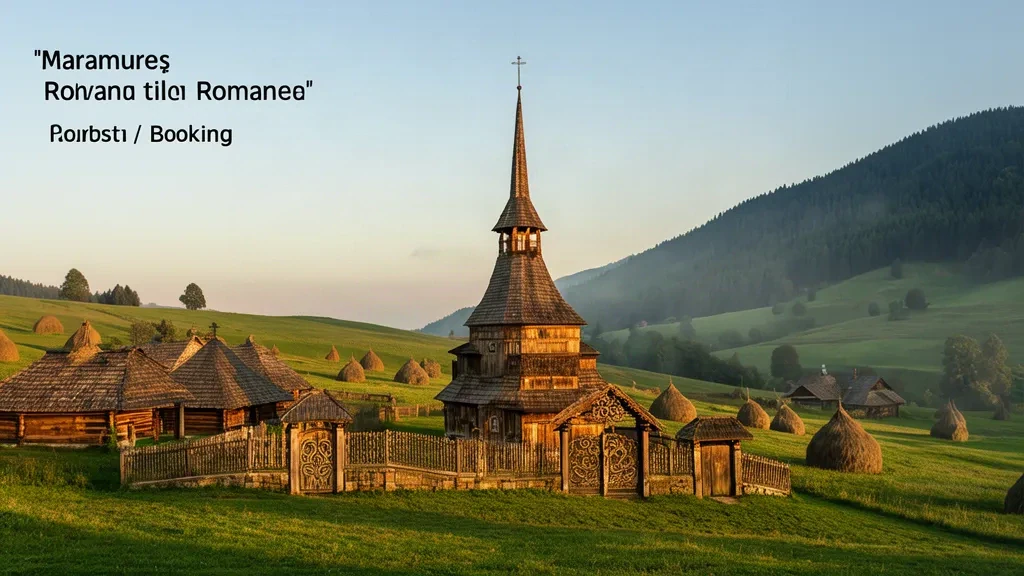
Maramureș
Maramureș, a historic region in northern Romania, is known for its wooden churches, traditional villages, craft heritage and scenic Carpathian landscapes.
Passengers
Luggage
About Maramureș
Maramureș is a county and historic region in northern Romania, bordered by Ukraine and known for its remarkably preserved rural traditions, wooden architecture and mountain landscapes. Unlike Romania's larger cities, Maramureș is best experienced through its villages, valleys and small towns rather than a single urban centre.
The region's identity is closely tied to its wooden churches, several of which are UNESCO World Heritage sites, and to centuries-old crafts, folk costume and music. The Merry Cemetery in Săpânța, with its brightly painted crosses and humorous epitaphs, is one of the most distinctive sights in the country.
Baia Mare, the county capital, anchors the region with its mining heritage, museums and urban amenities, while Sighetu Marmației is known for the Memorial Museum of the Victims of Communism and its links to Nobel laureate Elie Wiesel. Traditional villages such as Breb, Budești and Bârsana offer an intimate look at rural life.
Visitors can ride the Mocănița steam train on the narrow-gauge Vaser Valley line, hike in the Gutâi and Maramureș Mountains, and sample local food, plum brandy and handmade textiles. For travellers, Maramureș offers a slower, more authentic side of Romania, while Baia Mare provides connections for business and onward travel.
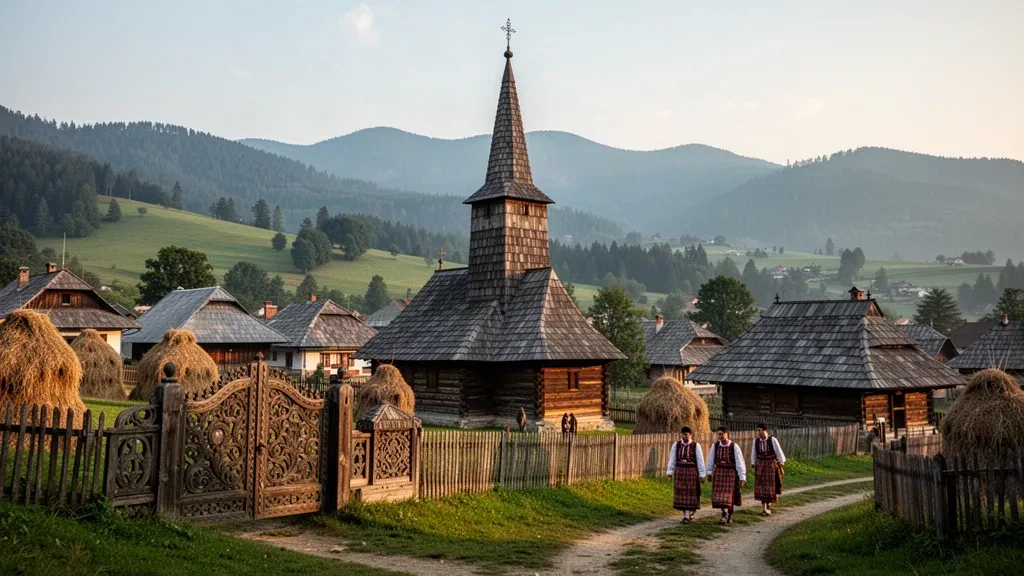
Maramureș Travel Guide
Best Time to Visit
Late spring and early autumn are the most comfortable for exploring Maramureș, with milder weather and green or golden landscapes. Summer brings festivals, open-air markets and longer days, while winter is best for snowy village scenes and Christmas traditions.
How to Get Around
Maramureș is best explored by car because villages, wooden churches and mountain valleys are spread across the county. Baia Mare and Sighetu Marmației have local buses and taxis, and trains connect the main towns, but rural areas require private transport or a local driver.
Where to Stay
Baia Mare offers the widest range of hotels and guesthouses, while Sighetu Marmației is a practical base for the northern villages. Rural guesthouses in Breb, Bârsana and Săpânța let travellers stay in traditional homes close to the wooden churches and countryside.
Food & Drink
Local cuisine features pork, polenta, smoked meats, cheeses and soups, often served with fresh bread and homemade plum brandy called horincă. Village guesthouses, rural markets and small restaurants in Baia Mare and Sighetu Marmației offer hearty, traditional meals.
Ground Transportation Services in Maramureș
Airport Transfers
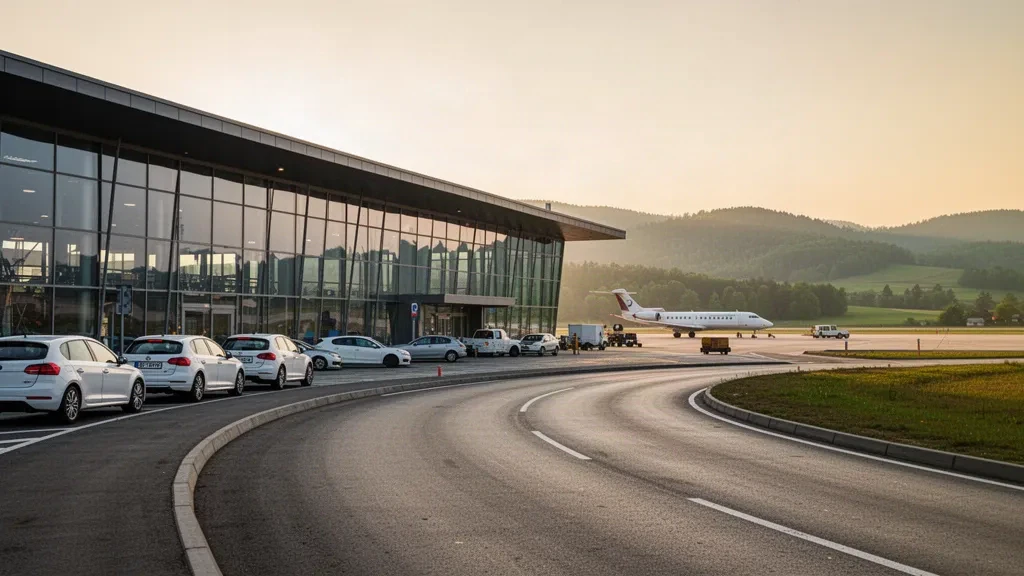
Travel between Maramureș International Airport near Baia Mare and hotels, villages and towns across the county, including Sighetu Marmației and Săpânța.
Hourly Chauffeur
Book a private chauffeur by the hour to visit wooden churches, the Merry Cemetery, mountain valleys and business meetings around Maramureș without fixed public transport schedules.
Car Rental
Rent a car in Baia Mare for flexible travel through Maramureș, with easy access to rural villages, mountain roads and nearby destinations in northern Romania.
Bus & Group Transfers
Arrange minibuses or charter buses for group tours of Maramureș, airport transfers, corporate travel and events across Baia Mare, Sighetu Marmației and the surrounding region.
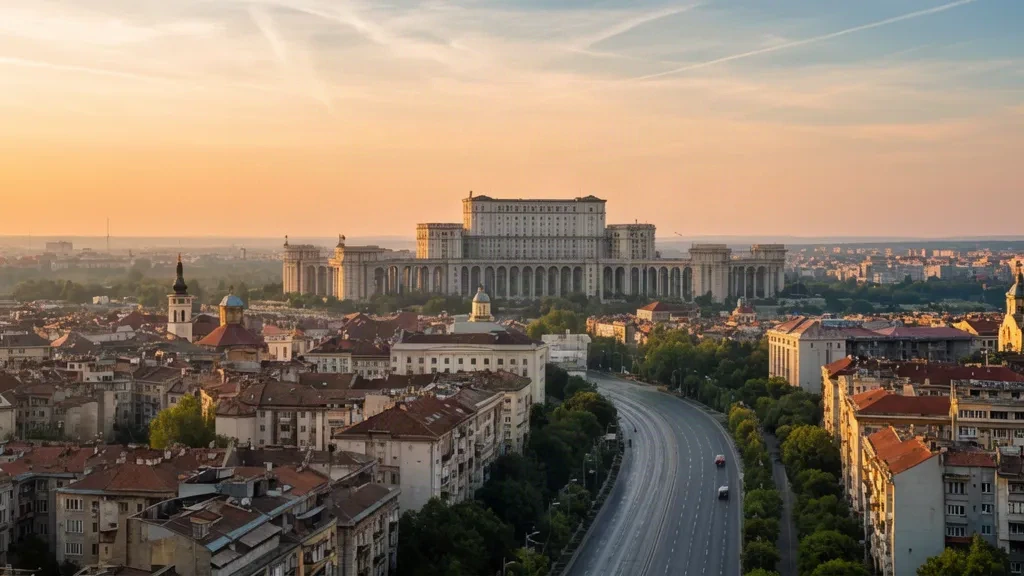
Frequently Asked Questions
Related Cities in Romania
View all
Vrancea
Vrancea, in eastern Romania, is a landscape of vine-covered hills, forested Carpathian slopes and old market towns, shaped by a wine-making tradition that has flourished here for centuries.
Vaslui
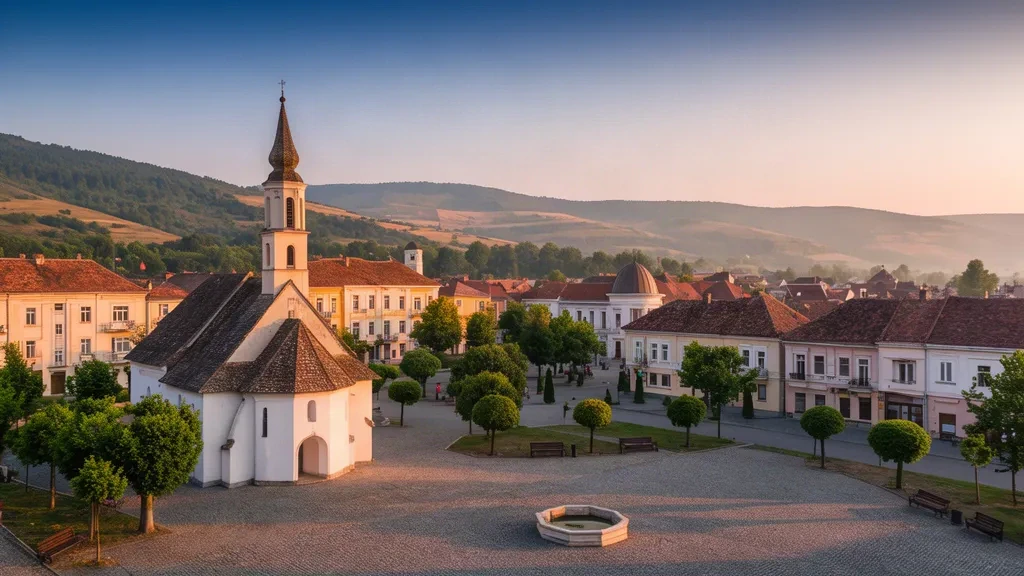
Vaslui is a historic Moldavian city in eastern Romania, known for its quiet streets, religious heritage and an easygoing local atmosphere.
Vâlcea
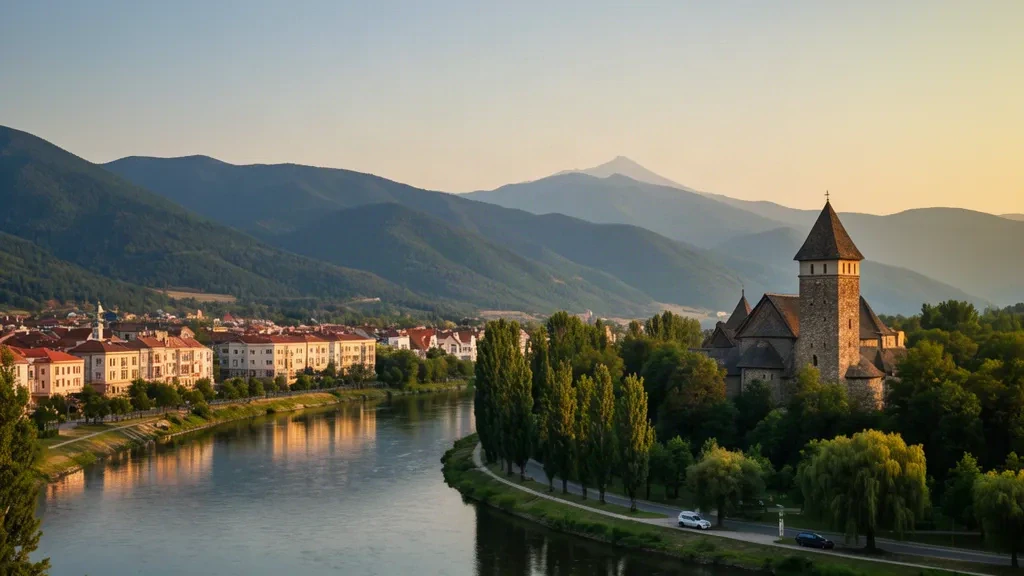
Vâlcea, in southern Romania, blends rolling hills and river valleys with historic monasteries, traditional villages and a growing urban centre along the Olt.