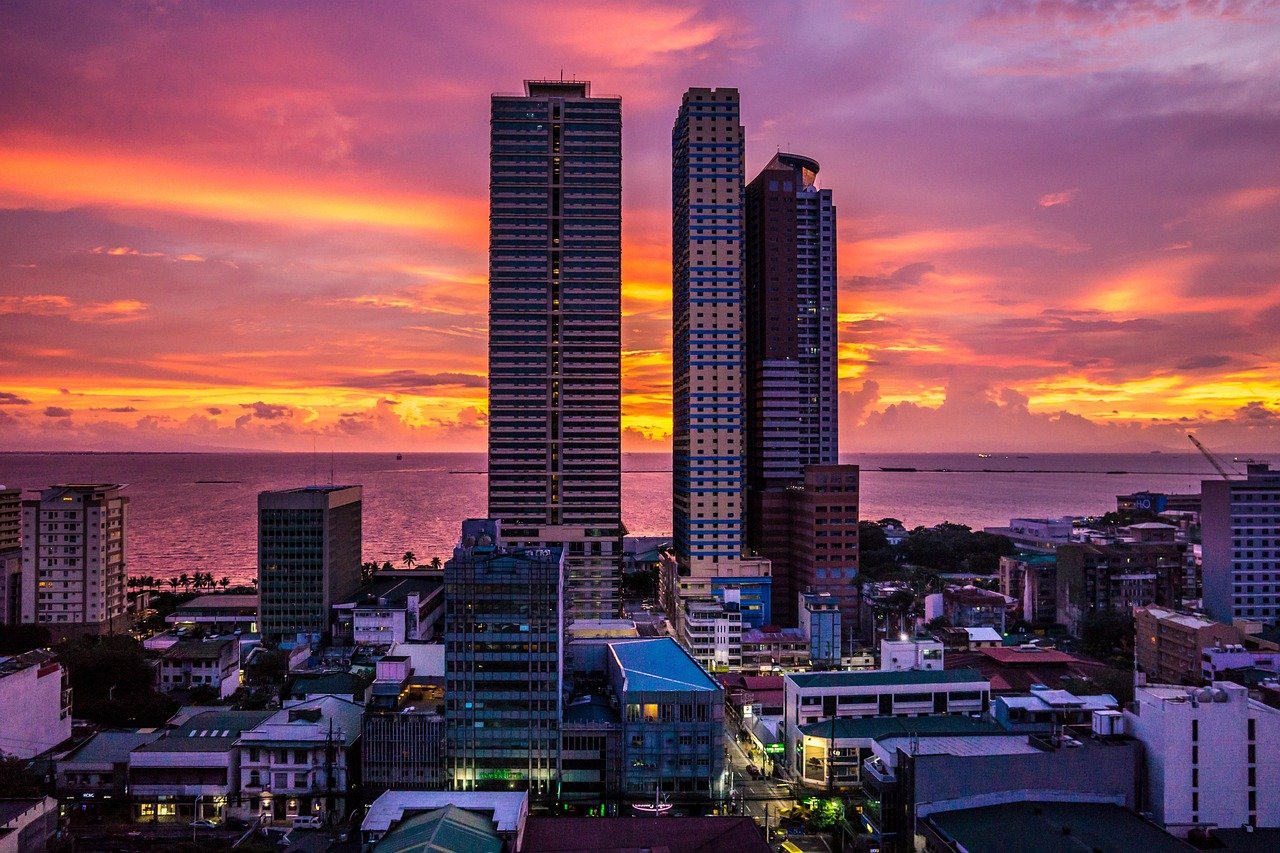
Manila
Manila, the Philippines' historic capital, layers Spanish colonial architecture, bustling markets and modern business districts along Manila Bay. Its lively streets, landmarks and diverse food scene make it a compelling gateway to the archipelago.
Passengers
Luggage
About National Capital Region (Metro Manila)
Metro Manila, officially the National Capital Region of the Philippines, is a densely populated urban region of 16 cities and one municipality and the country's political, economic and cultural centre. It stretches along the eastern shore of Manila Bay and combines the historic core of Manila with modern business districts such as Makati, Bonifacio Global City and Ortigas Center.
The region's history is most visible in Intramuros, the Spanish-era walled city whose Fort Santiago, Manila Cathedral and San Agustin Church recall centuries of colonial and wartime history. Nearby Rizal Park, the National Museum complex and the bayfront offer a compact introduction to the nation's heritage.
Makati and Bonifacio Global City are known for skyscrapers, offices, shopping malls and restaurants, while Quezon City is a large residential and government centre and Manila's Binondo district is one of the world's oldest Chinatowns. Pasay hosts the SM Mall of Asia and the airport gateway, and Entertainment City is a major casino and leisure cluster.
Metro Manila is the headquarters of Philippine business, banking, government and the outsourcing industry, and it hosts major conventions, exhibitions and events throughout the year. Heavy traffic is a well-known reality, so travel times between districts vary widely depending on the time of day.
For both leisure and business travelers, the region offers museums, historic sites, shopping, nightlife and a wide-ranging food scene, from Filipino classics and street food to international dining, making it the natural starting point for any visit to the Philippines.
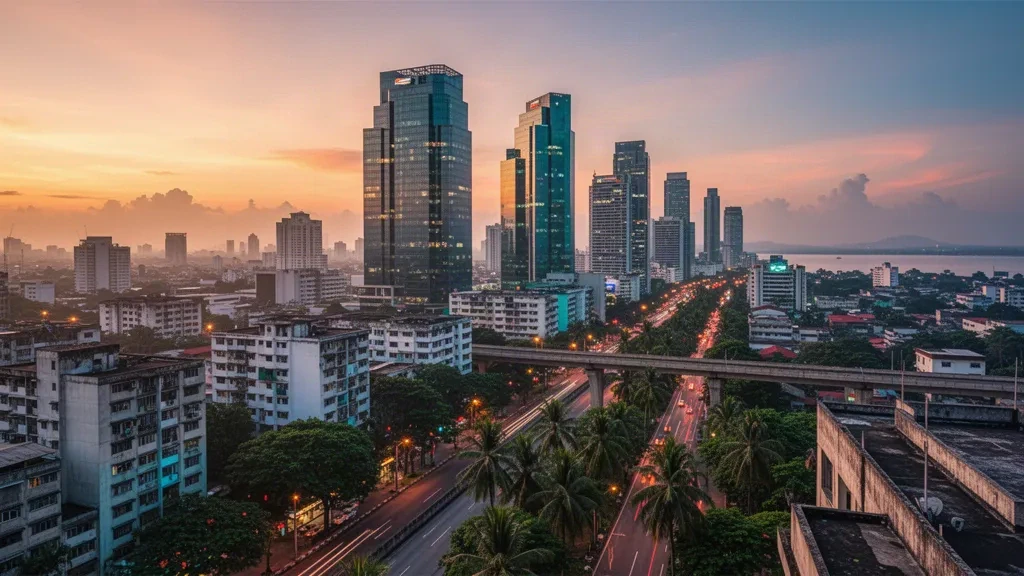
National Capital Region (Metro Manila) Travel Guide
Best Time to Visit
The dry season from November to May is the most comfortable period for exploring Metro Manila, with the coolest weather from December to February. June to October brings frequent rain and occasional typhoons, so outdoor plans are best scheduled carefully.
How to Get Around
Metro Manila is served by the LRT-1, LRT-2 and MRT-3 rail lines, EDSA carousel buses, jeepneys, taxis and ride-hailing services. Traffic can be heavy, especially at rush hour, so allow extra time and use rail where routes match your destination.
Where to Stay
Makati and Bonifacio Global City offer walkable areas with hotels, restaurants and offices, making them popular for business travelers. Manila near Intramuros suits sightseeing, while Pasay and Quezon City provide convenient options near the airport, Mall of Asia and transport hubs.
Food & Drink
Filipino dishes such as adobo, sinigang and lechon are widely available, along with street food and regional specialities. Binondo is famous for Chinese-Filipino food, while malls, markets, cafes and restaurant districts across the metro offer everything from casual meals to fine dining.
Ground Transportation Services in National Capital Region (Metro Manila)
Airport Transfers
Travel between Ninoy Aquino International Airport and hotels, business districts, events and other destinations across Metro Manila.
Hourly Chauffeur
Book a private chauffeur by the hour for business meetings, events, shopping, sightseeing and flexible travel around Metro Manila.
Car Rental
Rent a car in Metro Manila for independent travel around the city and convenient journeys to nearby destinations.
Bus & Group Transfers
Arrange minibuses or charter buses for groups, corporate travel, events, airport transfers and tours in Metro Manila.
Frequently Asked Questions
Related Cities in Philippines
View all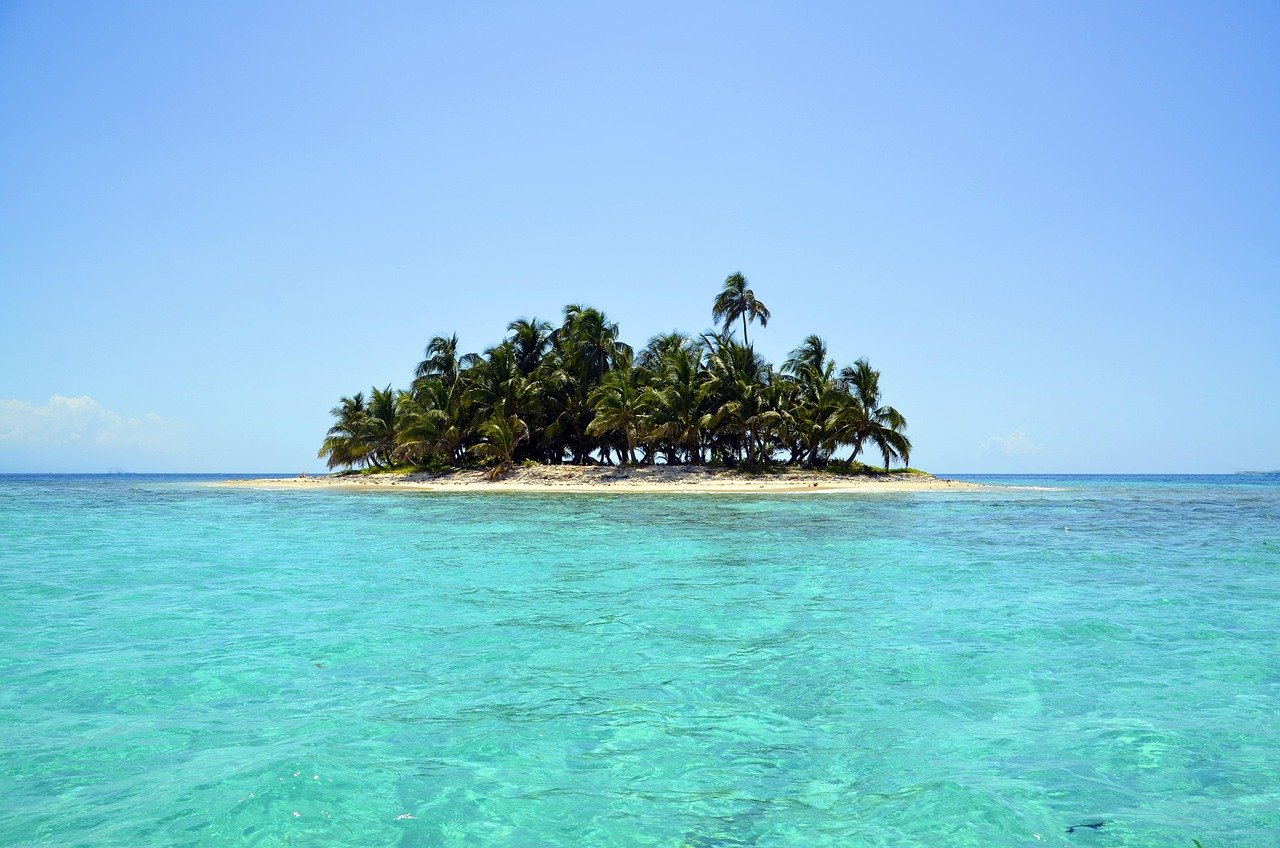
Biliran
Biliran is a laid-back coastal municipality on Biliran Island, where historic church landmarks sit close to waterfalls, hot springs and views of Mount Biliran.
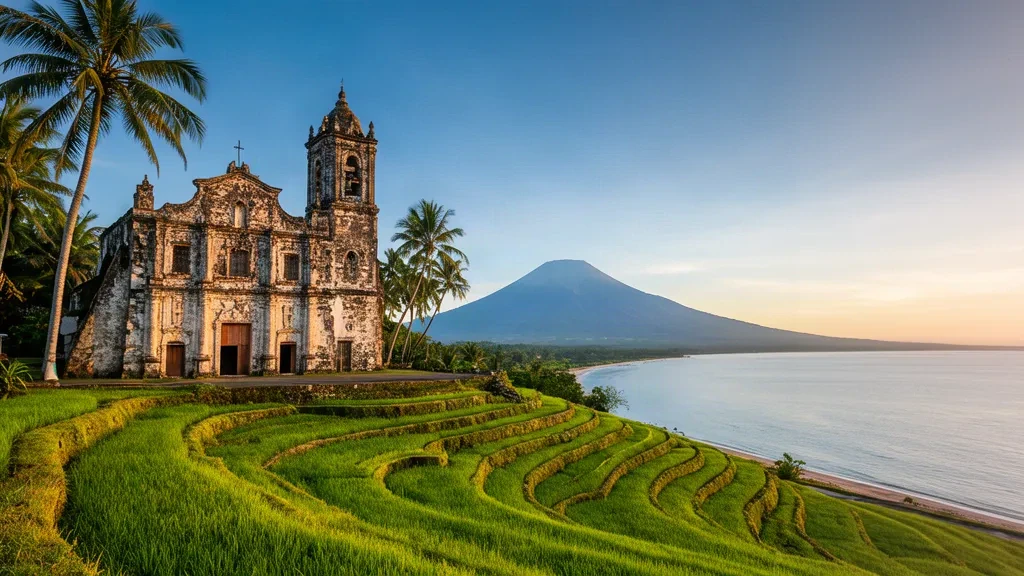
Antique
Antique, on the island of Panay in the Philippines, is known for its heritage towns, old churches, coastal villages and the rugged interior of Mount Madja-as.
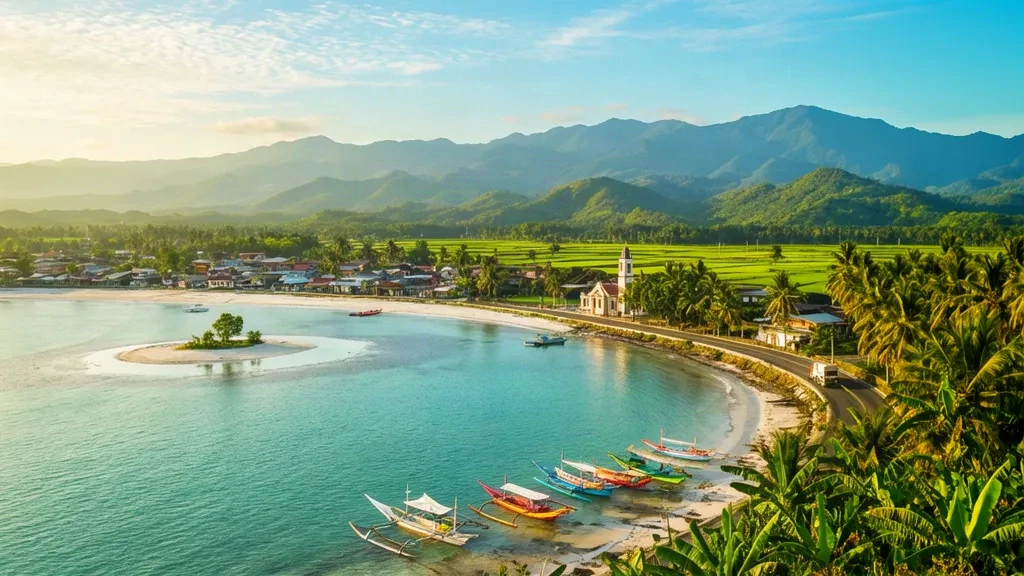
Zamboanga Sibugay
Zamboanga Sibugay, a coastal province on the Zamboanga Peninsula, is known for its rice fields, fishing villages and the lively capital town of Ipil.