Laoag
Laoag, the capital of Ilocos Norte, blends Spanish colonial history, wind-sculpted sand dunes, heritage churches and an inviting local food culture, making it a practical base for exploring the northern coast.
Passengers
Luggage
About Ilocos Norte
Ilocos Norte is a coastal province at the northwestern tip of Luzon in the Philippines, part of the Ilocos Region. Its capital, Laoag City, is the main gateway, and the province is known for Spanish colonial architecture, scenic coastlines and the country's first wind farms.
The province's history is visible in centuries-old churches, watchtowers and monuments from the Spanish colonial era. Ilocos Norte became a separate province in 1818, and its tobacco trade, religious heritage and political history, including its connection to former President Ferdinand Marcos, continue to shape local identity.
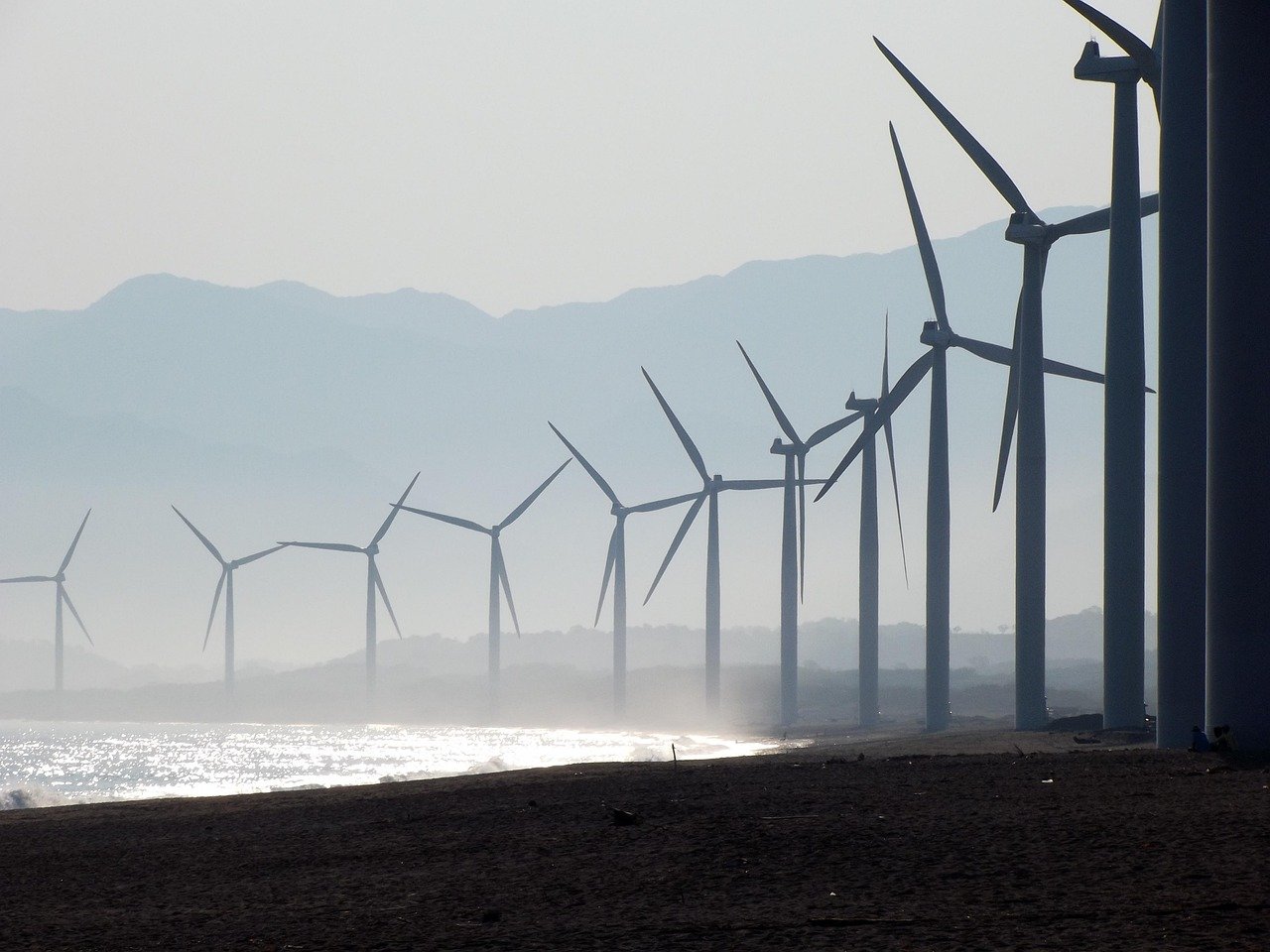
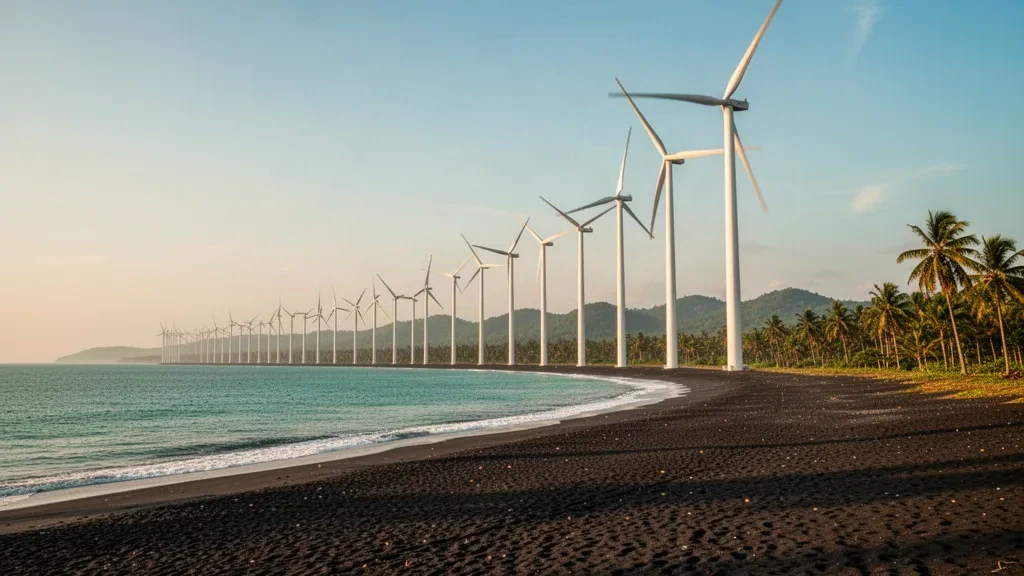
Heritage highlights include the UNESCO-listed Paoay Church, Laoag's Sinking Bell Tower and St. William's Cathedral, the Malacañang of the North and the Cape Bojeador Lighthouse. Along the coast, visitors can explore Pagudpud's beaches, the Bangui Wind Farm and the Kapurpurawan rock formation, while the La Paz Sand Dunes offer 4x4 rides and sandboarding.
Laoag City has the province's widest range of hotels, restaurants and transport connections, while Paoay and Pagudpud offer beachfront stays. Ilocano food such as bagnet, garlic longganisa, empanada, pinakbet and dinengdeng is easy to find in local eateries, markets and resorts.
Beyond tourism, Ilocos Norte is a centre for wind energy, agriculture and regional events, with festivals such as the Pamulinawen Festival in Laoag. The province's mix of heritage, coastal landscapes and business activity makes it relevant for both leisure and business travellers.
Ilocos Norte Travel Guide
Best Time to Visit
The dry season from November to May is the best time to visit Ilocos Norte, with cooler and more comfortable weather from December to February. Coastal and outdoor attractions are easiest to enjoy in these months, while the July to October typhoon season can bring heavy rain and rough seas.
How to Get Around
Jeepneys, tricycles and buses connect Laoag City with nearby towns, while public buses and vans run along the main coastal highway to Pagudpud and other destinations. Renting a car or hiring a private driver is practical for visiting scattered heritage sites and coastal attractions.
Where to Stay
Laoag City has the widest choice of hotels and is convenient for the airport, restaurants and heritage sites. Paoay and Pagudpud offer beachfront resorts and quieter stays for travellers focusing on the coast and rural scenery.
Food & Drink
Ilocano cuisine features bagnet, garlic longganisa, empanada, pinakbet and dinengdeng. Visitors can try local restaurants, the Laoag public market and beachfront eateries in Pagudpud, along with regional snacks and rice-based treats.
Ground Transportation Services in Ilocos Norte
Airport Transfers
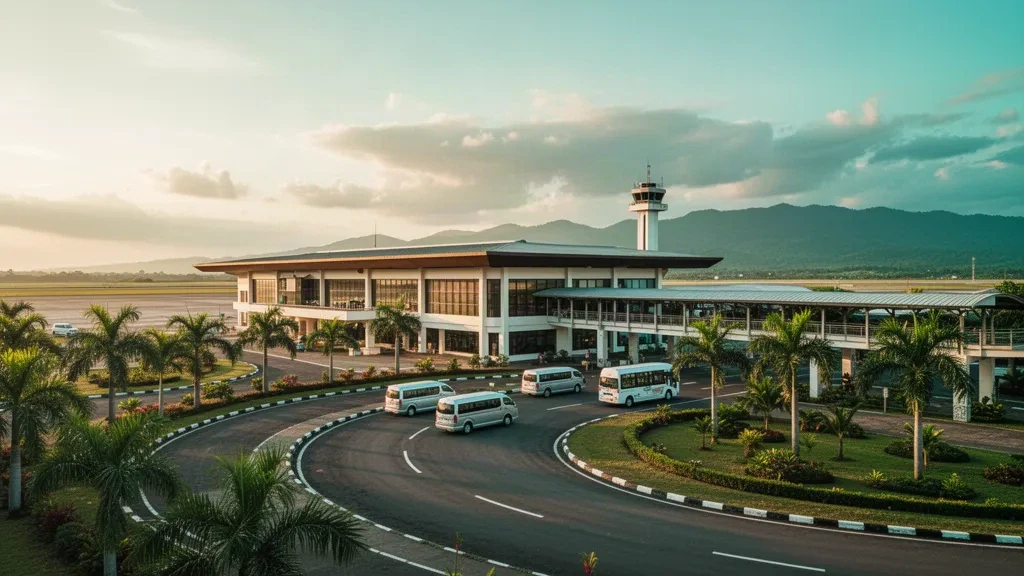
Travel between Laoag International Airport and hotels or destinations in Laoag City, Paoay, Pagudpud, Batac and other parts of Ilocos Norte.
Hourly Chauffeur
Book a private chauffeur by the hour for business trips, events, sightseeing and flexible travel around Ilocos Norte's heritage and coastal sites.
Car Rental
Rent a car in Laoag City for independent travel along the province's coastal highway and convenient journeys to Pagudpud, Burgos, Paoay and other attractions.
Bus & Group Transfers
Arrange vans, minibuses or charter buses for groups, corporate travel, events, airport transfers and tours across Ilocos Norte.
Frequently Asked Questions
Related Cities in Philippines
View all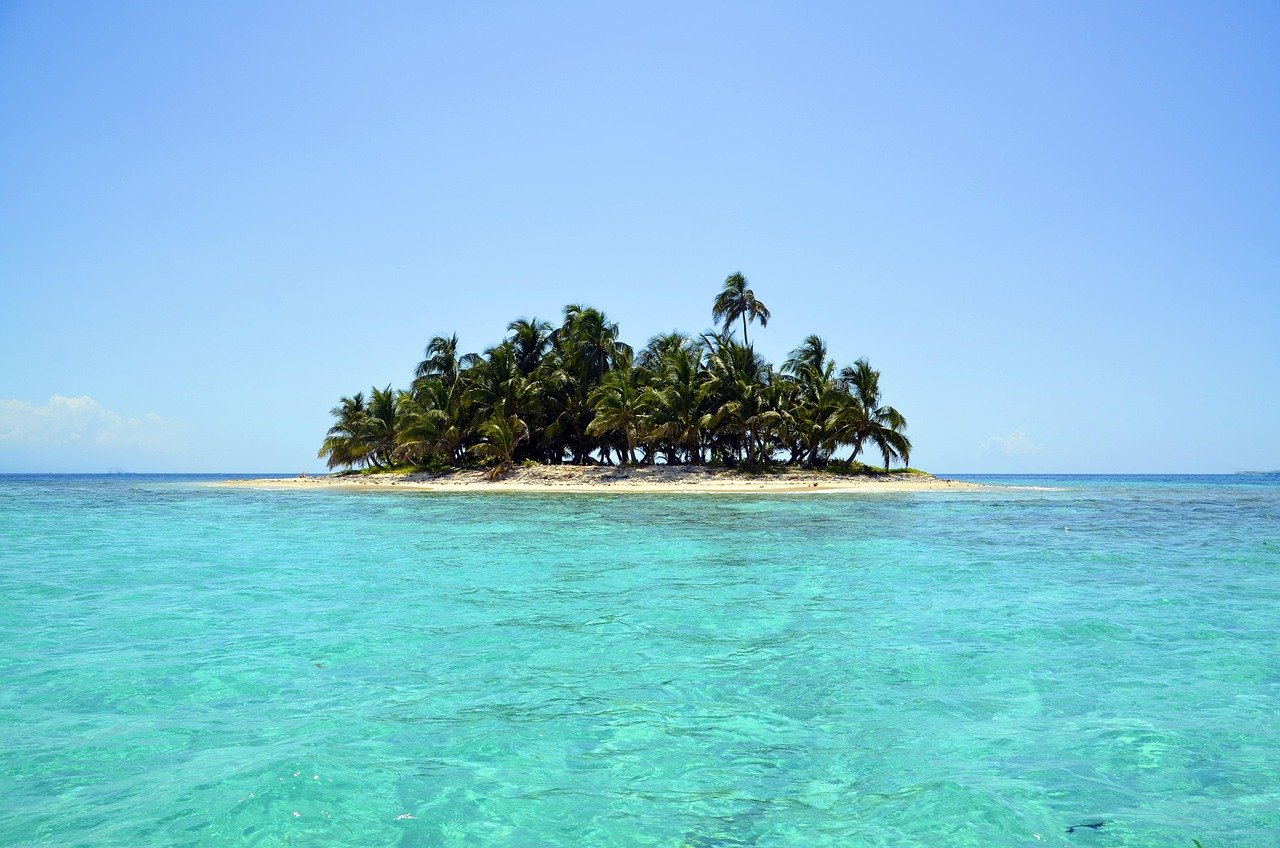
Biliran
Biliran is a laid-back coastal municipality on Biliran Island, where historic church landmarks sit close to waterfalls, hot springs and views of Mount Biliran.
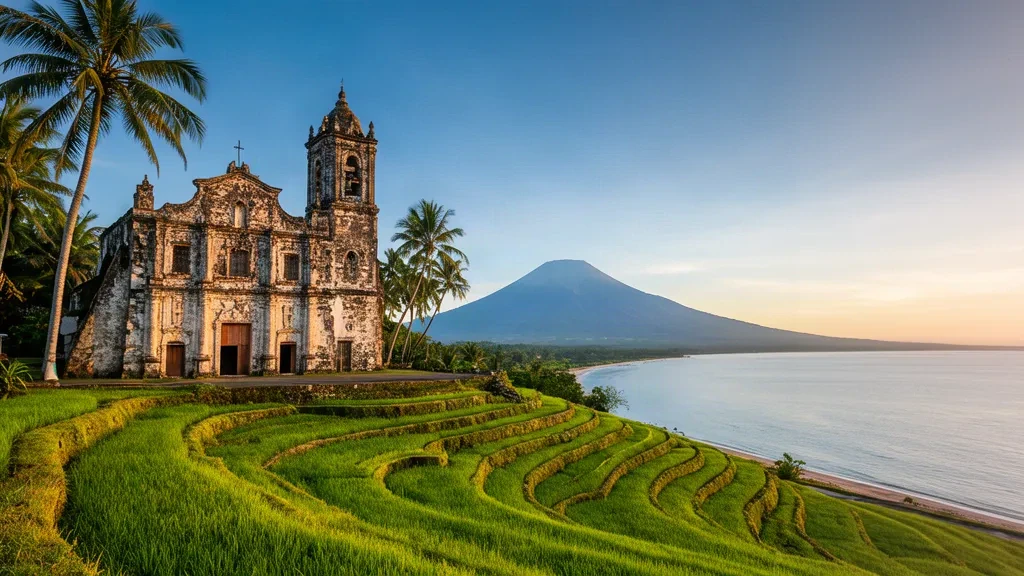
Antique
Antique, on the island of Panay in the Philippines, is known for its heritage towns, old churches, coastal villages and the rugged interior of Mount Madja-as.
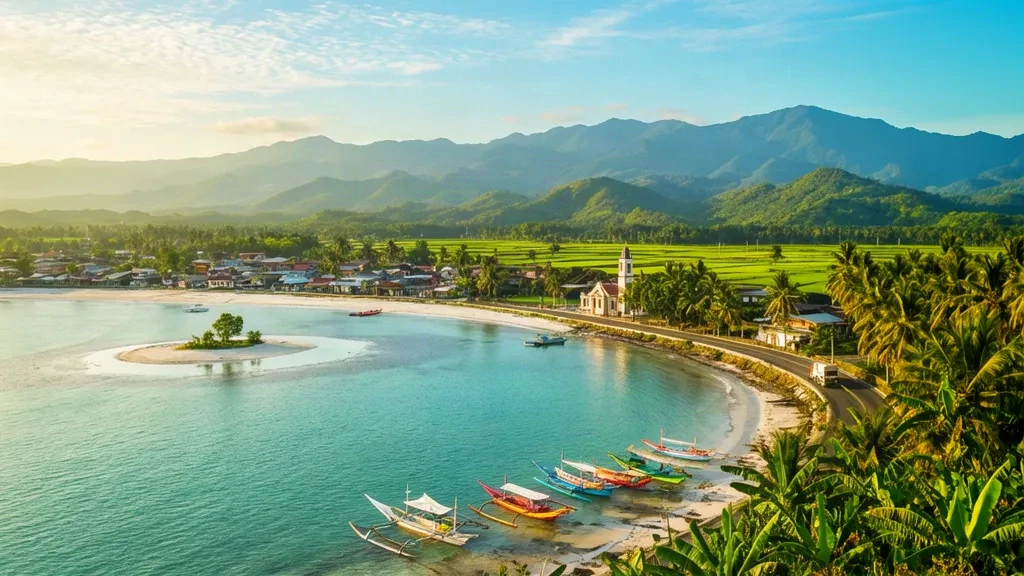
Zamboanga Sibugay
Zamboanga Sibugay, a coastal province on the Zamboanga Peninsula, is known for its rice fields, fishing villages and the lively capital town of Ipil.