Cebu
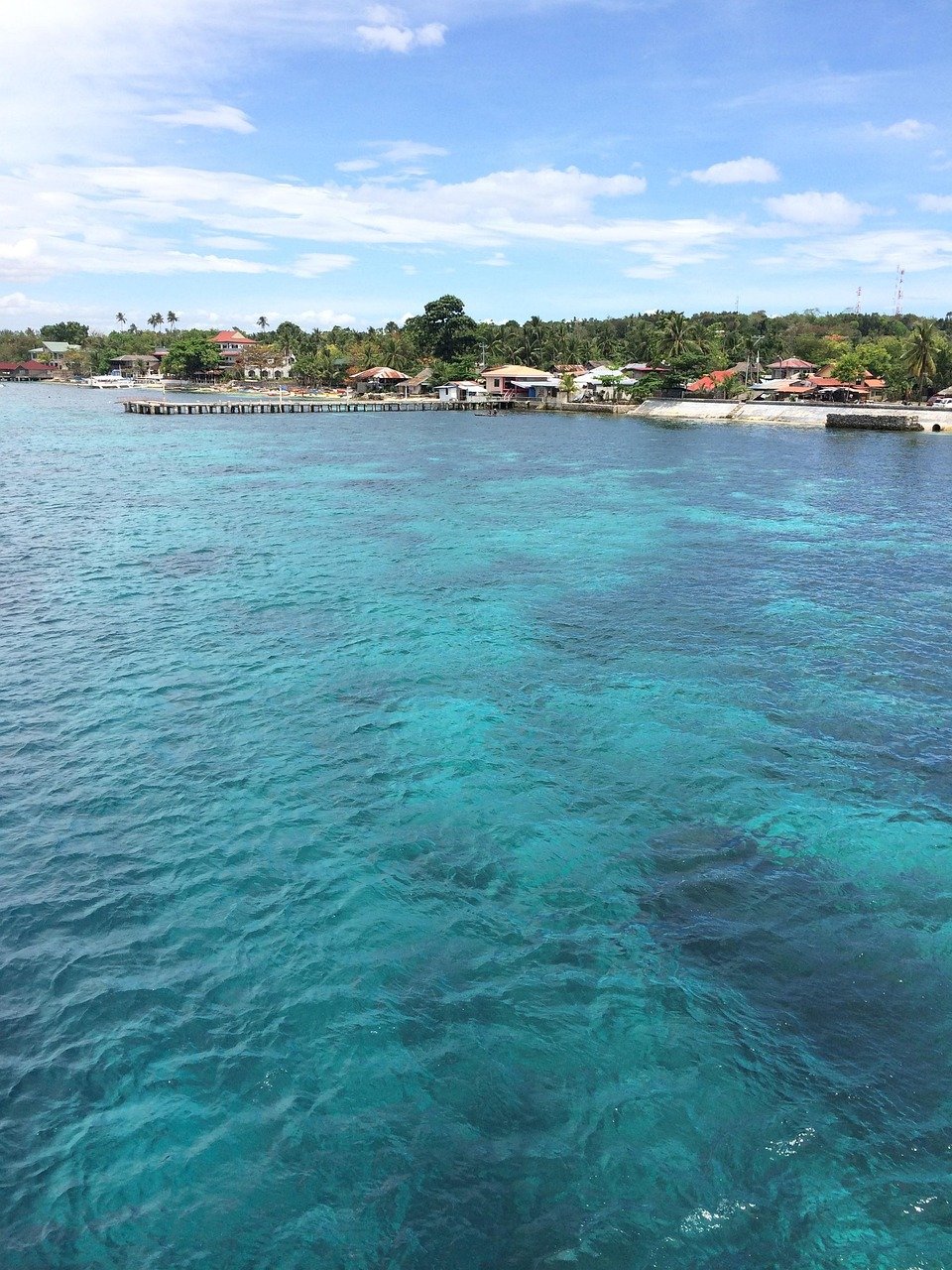
Cebu mixes a centuries-old port heritage with lively markets, Spanish-era landmarks and a coastline that leads to diving spots and island escapes.
Passengers
Luggage
About Cebu
Cebu City is the oldest city in the Philippines and the main urban, commercial and shipping centre of the Visayas, widely known as the Queen City of the South. It serves as the capital of Cebu province and the economic hub of the Central Visayas region, with a metropolitan area that extends well beyond the city itself.
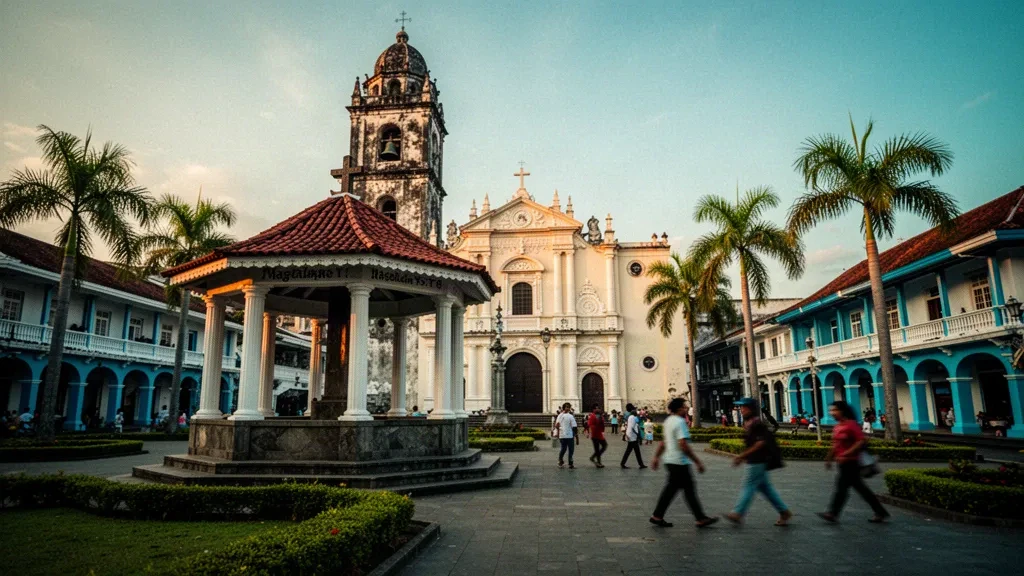
The city's history began with the Spanish settlement founded in 1565, leaving landmarks such as Magellan's Cross, the Basilica Minore del Santo Niño, Fort San Pedro and Colon Street, often described as one of the oldest streets in the country.
Uptown districts around Cebu Business Park and IT Park are known for offices, malls, hotels and restaurants, while downtown centres such as Colon, Carbon Market and Fuente Osmeña Circle hold much of the city's heritage and daily market life. Nearby hillside spots include the Taoist Temple, Temple of Leah and Tops Lookout, with beaches and island resorts on Mactan Island.
Cebu is a major base for business process outsourcing, trade, shipping, conventions and technology, supported by a busy domestic port and Mactan–Cebu International Airport. The January Sinulog Festival, a large cultural and religious celebration, draws visitors from across the country and abroad.
For travellers, Cebu works as both a gateway and a destination: it combines urban business amenities, Spanish-colonial history, regional food such as lechon, and easy access to beaches, diving and island-hopping across the Visayas.
Cebu Travel Guide
Best Time to Visit
The dry season from December to May is the most comfortable period for sightseeing, beaches and island hopping, with cooler weather from December to February. January brings the lively Sinulog Festival, while the rainy months from June to November often bring shorter afternoon showers.
How to Get Around
Cebu City is served by jeepneys, modern buses, taxis and ride-hailing apps such as Grab. Tricycles and habal-habal motorcycles cover short distances in some areas, while renting a car is useful for trips to southern Cebu and beyond.
Where to Stay
Uptown areas such as Cebu Business Park and IT Park offer convenient access to offices, malls and restaurants. Downtown is close to heritage sites, while Lapu-Lapu City on Mactan Island suits travelers who want beach resorts near the airport.
Food & Drink
Cebu is famous for lechon, a slow-roasted whole pig, as well as sutukil dishes, danggit dried fish and puso hanging rice. Try Carbon Market and Larsian for street food, and local restaurants for dried mangoes and seafood.
Ground Transportation Services in Cebu
Airport Transfers
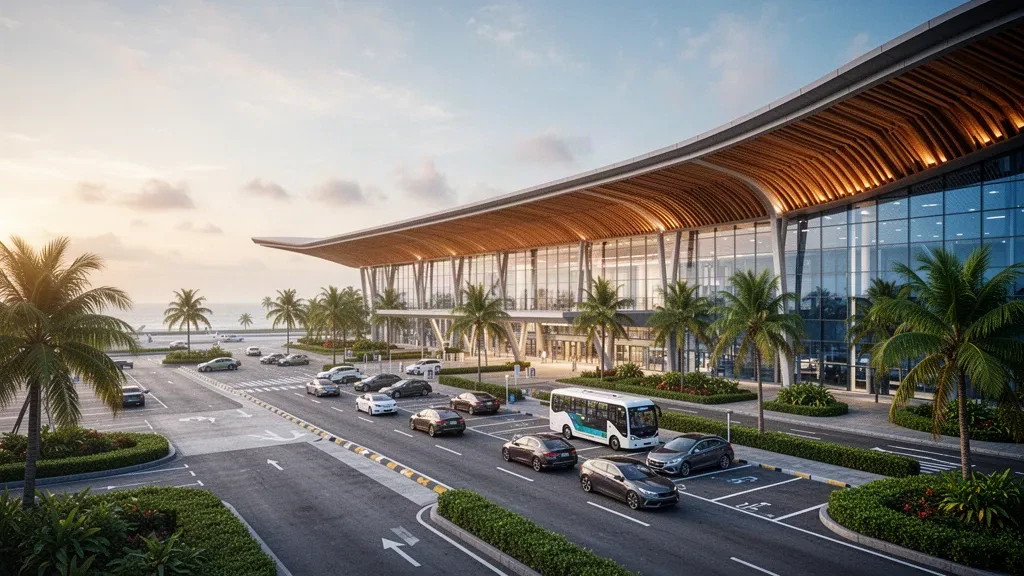
Travel between Mactan–Cebu International Airport and hotels, resorts, business districts and other destinations across Cebu City and Mactan Island.
Hourly Chauffeur
Book a private chauffeur by the hour for business meetings, city tours, events and flexible travel around Cebu.
Car Rental
Rent a car in Cebu for independent travel around the city and convenient trips to beaches, waterfalls and other destinations across Cebu Island.
Bus & Group Transfers
Arrange minibuses or charter buses for groups, corporate travel, events, Sinulog and tours in Cebu City and the surrounding region.
Frequently Asked Questions
Related Cities in Philippines
View all
Biliran
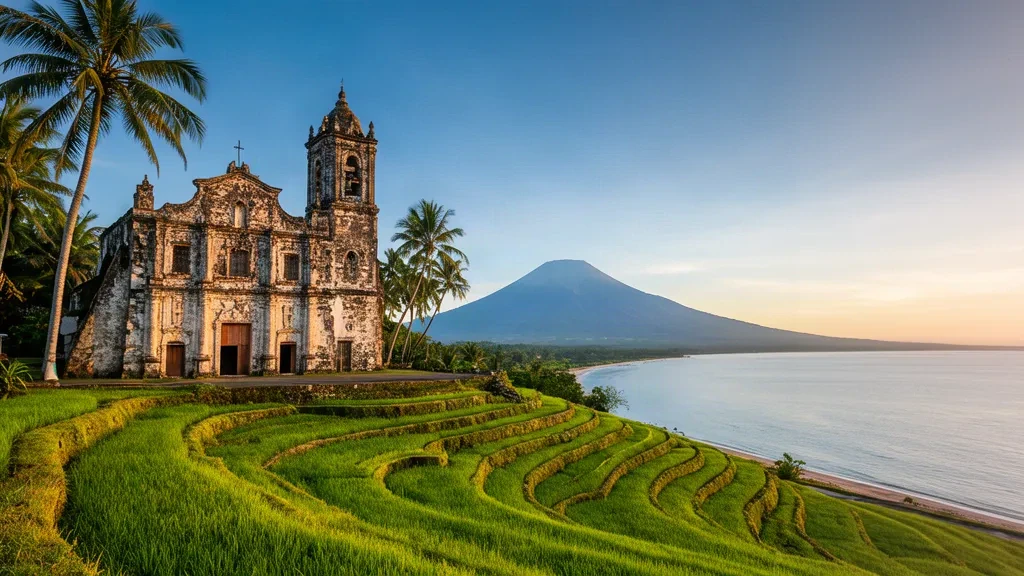
Biliran is a laid-back coastal municipality on Biliran Island, where historic church landmarks sit close to waterfalls, hot springs and views of Mount Biliran.
Antique
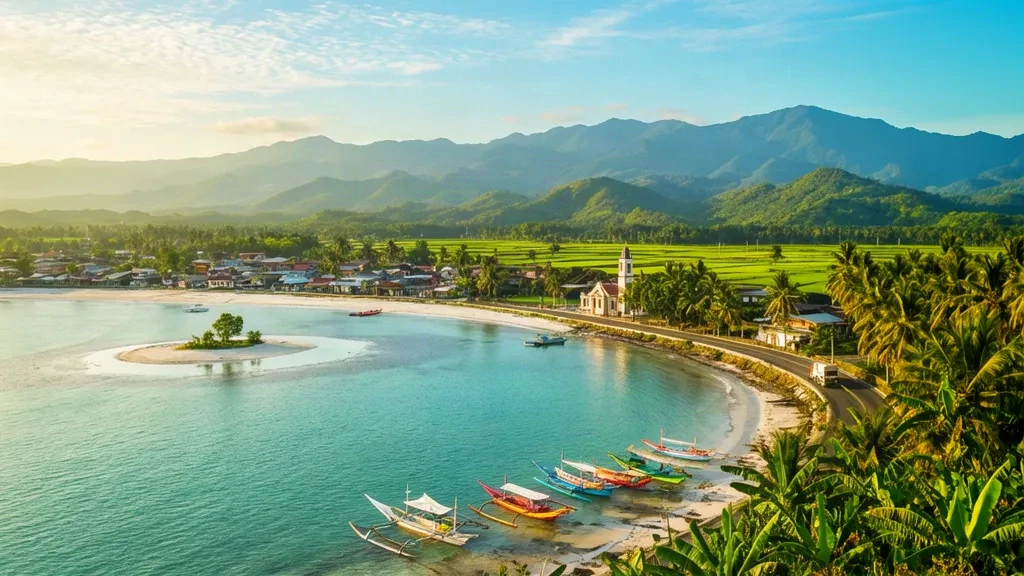
Antique, on the island of Panay in the Philippines, is known for its heritage towns, old churches, coastal villages and the rugged interior of Mount Madja-as.
Zamboanga Sibugay
Zamboanga Sibugay, a coastal province on the Zamboanga Peninsula, is known for its rice fields, fishing villages and the lively capital town of Ipil.