
Camiguin
Camiguin, a volcanic island province in the Philippines, is known for white-sand beaches, hot and cold springs, waterfalls and the Sunken Cemetery, along with a relaxed island culture shaped by the Lanzones Festival and old Spanish-era churches.
Passengers
Luggage
About Camiguin
Camiguin is a small, pear-shaped island province in the Bohol Sea, about 10 kilometres off the northern coast of Mindanao in the Philippines. Known as the 'Island Born of Fire', it is defined by seven volcanoes, including Mount Hibok-Hibok, and by a relaxed, low-rise character that feels far removed from the country's larger cities.
Much of Camiguin's identity is written into its volcanic landscape. The Sunken Cemetery and the ruins of the old church near Catarman recall the 1871 eruption of Mount Vulcan Daan, which submerged parts of the old town and left the island's most photographed landmark: a large white cross standing above the water.
The island's attractions are compact and easy to reach. White Island is a striking sandbar with views back toward Mount Hibok-Hibok, while Katibawasan and Tuasan waterfalls, Ardent Hot Spring, Santo Niño Cold Spring and the green trails of Mount Hibok-Hibok offer freshwater, forest and volcanic scenery. Mantigue Island, a short boat ride away, is popular for swimming and snorkelling, and the surrounding waters attract divers.
Mambajao, the provincial capital, is the commercial and transport hub, while coastal areas such as Yumbing and Agoho concentrate beaches and resorts near the White Island departure point. Agriculture and fishing remain important, with lanzones as the island's signature fruit, celebrated each October during the Lanzones Festival.
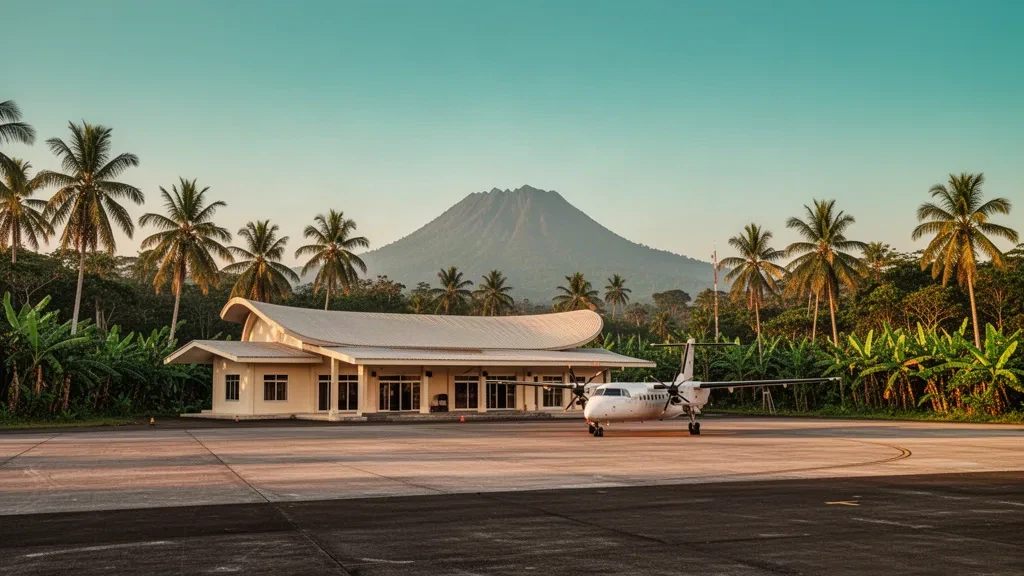
For travellers, Camiguin works as both a slow-paced nature escape and a practical island destination. It is served by Camiguin Airport and ferry links from Cagayan de Oro, and its small size makes it possible to circle the island in a day, combining sightseeing, local food such as pastel and fresh seafood, and a growing selection of small resorts and dive operations.
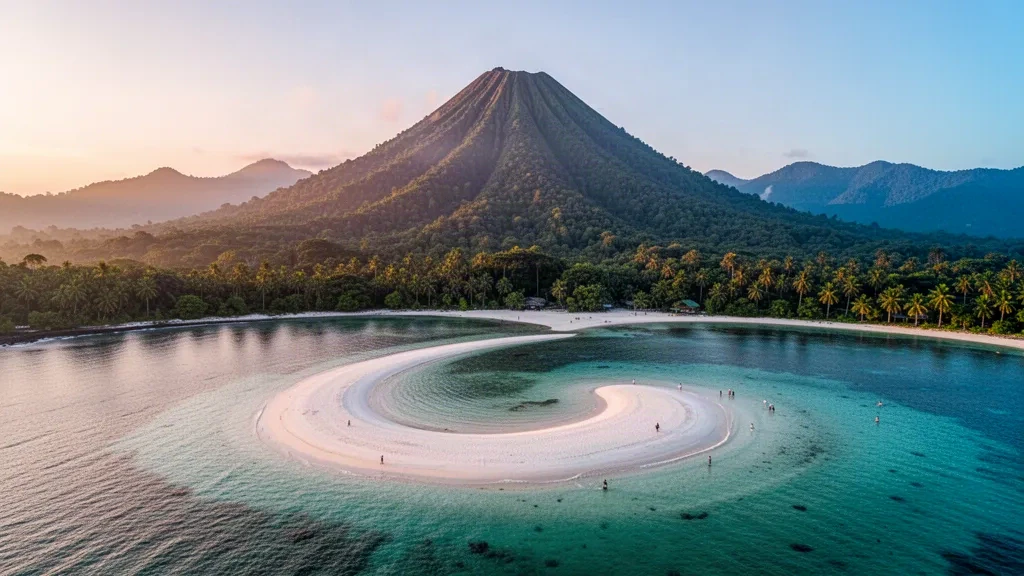
Camiguin Travel Guide
Best Time to Visit
The dry season from December to May brings the most reliable weather for beaches, island trips and waterfalls. October is also rewarding because of the Lanzones Festival, while heavy rains are most common in the typhoon season months, when some boat trips can be delayed.
How to Get Around
Camiguin is small enough to explore by scooter, multicab, tricycle or habal-habal motorcycle taxi along the coastal road. Renting a scooter is common for independent sightseeing, while private cars or vans are useful for comfort and groups, especially when visiting several falls and springs in one day.
Where to Stay
Mambajao is the most convenient base for restaurants, services and easy access around the island. Yumbing and Agoho, on the north coast near the White Island jump-off point, offer beachfront resorts and quieter stays, while Catarman suits travellers focused on the falls and hot springs.
Food & Drink
Camiguin is known for pastel, soft sweet buns filled with yema, sold at bakeries such as Vjandep in Mambajao. Fresh seafood is widely available as kinilaw or sinugba, and sweet lanzones appears in markets and local dishes during its season, along with carinderias, cafés and small resort restaurants.
Ground Transportation Services in Camiguin
Airport Transfers
Travel between Camiguin Airport (CGM) in Mambajao and hotels, resorts, ports and attractions across the island, including Yumbing, Agoho and Catarman.
Hourly Chauffeur
Book a private chauffeur by the hour for a flexible island circuit covering White Island, waterfalls, hot and cold springs, and business or event appointments.
Car Rental
Rent a car or van in Mambajao for independent travel around Camiguin's coastal road and convenient day trips to Catarman, Mahinog, Guinsiliban and Sagay.
Bus & Group Transfers
Arrange vans, coasters or buses for group airport and ferry transfers, diving trips, tours and events such as the Lanzones Festival.
Related Cities in Philippines
View all
Biliran
Biliran is a laid-back coastal municipality on Biliran Island, where historic church landmarks sit close to waterfalls, hot springs and views of Mount Biliran.
Antique
Antique, on the island of Panay in the Philippines, is known for its heritage towns, old churches, coastal villages and the rugged interior of Mount Madja-as.
Zamboanga Sibugay
Zamboanga Sibugay, a coastal province on the Zamboanga Peninsula, is known for its rice fields, fishing villages and the lively capital town of Ipil.