Batanes
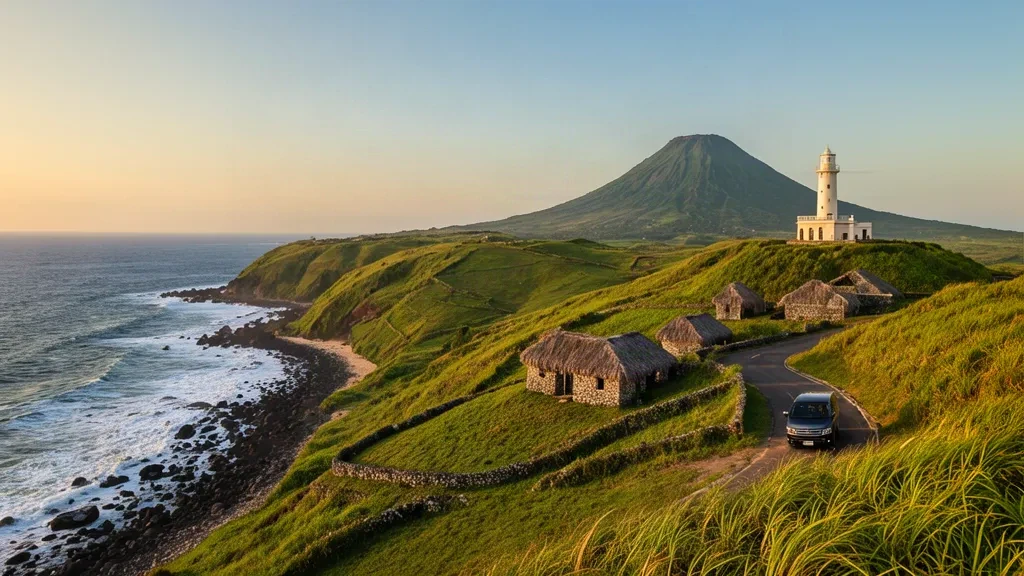
Batanes, the northernmost province of the Philippines, is a serene archipelago known for its dramatic coastal landscapes, traditional Ivatan stone houses, and a culture shaped by the elements.
Passengers
Luggage
About Batanes
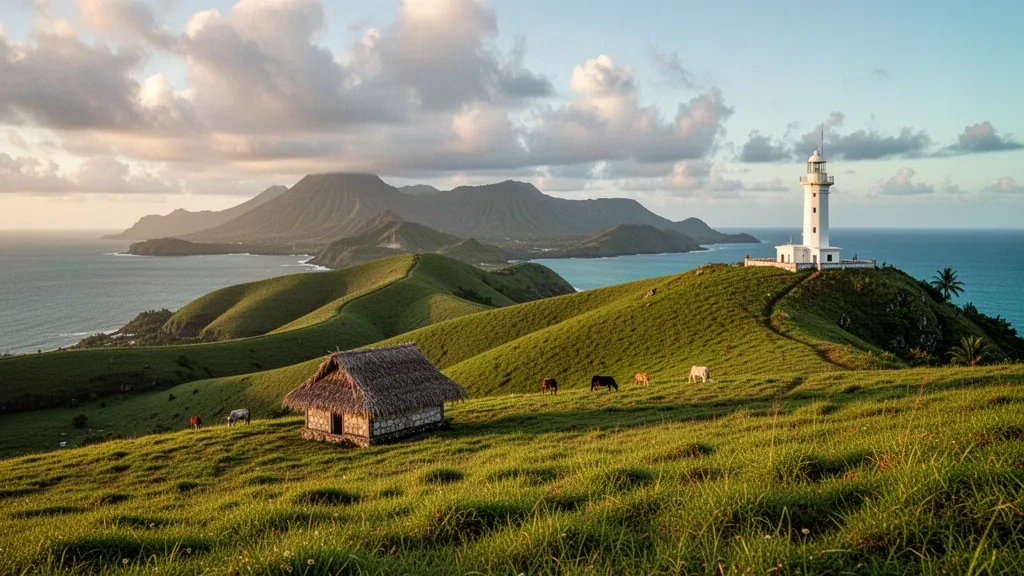
Batanes is the Philippines' northernmost and smallest province, a windswept archipelago in the Luzon Strait between mainland Luzon and Taiwan. Its rolling green hills, dramatic cliffs and stone-built villages give it a landscape unlike anywhere else in the country, shaped by centuries of Ivatan culture and a rugged maritime climate.
Life here centres on the Ivatan people, whose traditional stone-and-cogon houses are designed to withstand typhoons and salty coastal winds. Spanish colonial influence remains visible in churches and historic sites, while the capital town of Basco serves as the main gateway for flights and island services.
Visitors explore Basco Lighthouse and Naidi Hills, Vayang Rolling Hills, Rakuh a Payaman, known locally as Marlboro Country, Valugan Boulder Beach and the Chawa View Deck. Day trips by boat connect travelers to the traditional villages and lighthouses of Sabtang and the dramatic cliffs of Itbayat.
Tourism is small-scale and low-impact, moving by tricycle, rented motorcycle or guided van along quiet coastal and hill roads. Local food includes lunis salted pork, flying fish, uvud balls and turmeric-tinted yellow rice, with the unmanned Honesty Coffee Shop in Ivana among its best-known stops.
For leisure travelers, Batanes offers rare unspoiled scenery, culture and outdoor experiences, while for planners of business and group trips it provides a compact, safe destination with dependable local guides, private drivers and inter-island transfers.
Batanes Travel Guide
Best Time to Visit
The most reliable weather runs from December to May, with March to May bringing the clearest skies and calmest seas for flights, boat trips and outdoor sightseeing. Typhoon season, roughly June to November, can bring strong winds and rain that occasionally disrupt transport.
How to Get Around
Tricycles are the most common way to move around Basco and Batan Island, and drivers can be hired for full-day tours. Visitors also rent motorcycles or bicycles, while vans and jeepneys are used for group sightseeing, and inter-island boats connect Sabtang and Itbayat.
Where to Stay
Basco is the main base, with most inns, lodges and guesthouses near the airport, town centre and seafront. Smaller accommodations and homestays can be found in Ivana, Mahatao and on Sabtang and Itbayat for travelers exploring beyond Batan Island.
Food & Drink
Ivatan cooking features lunis salted pork, uvud balls, flying fish and turmeric-tinted yellow rice, served in simple eateries and lodges around Basco. The self-service Honesty Coffee Shop in Ivana is a popular stop, and fresh seafood appears on menus across the islands.
Ground Transportation Services in Batanes
Airport Transfers
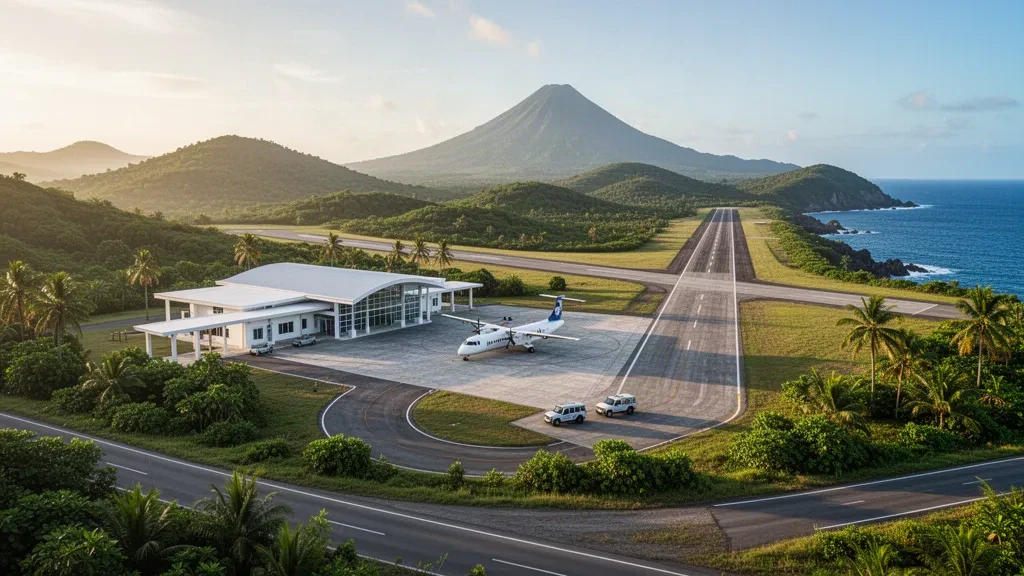
Meet a private driver at Basco Airport for direct transfers to hotels, lodges, ports and tour meeting points in Basco and nearby Batan Island towns.
Hourly Chauffeur
Book a chauffeur-driven vehicle by the hour for flexible sightseeing across Batan Island, including lighthouses, hills, boulder beaches and photo stops.
Car Rental
Hire a vehicle for independent travel around Batan Island, or choose a rental motorcycle for exploring quiet coastal and hill roads at your own pace.
Bus & Group Transfers
Arrange vans, jeepneys or charter vehicles for group tours, events, airport pickups and multi-stop island itineraries around Basco and the wider Batanes area.
Frequently Asked Questions
Related Cities in Philippines
View all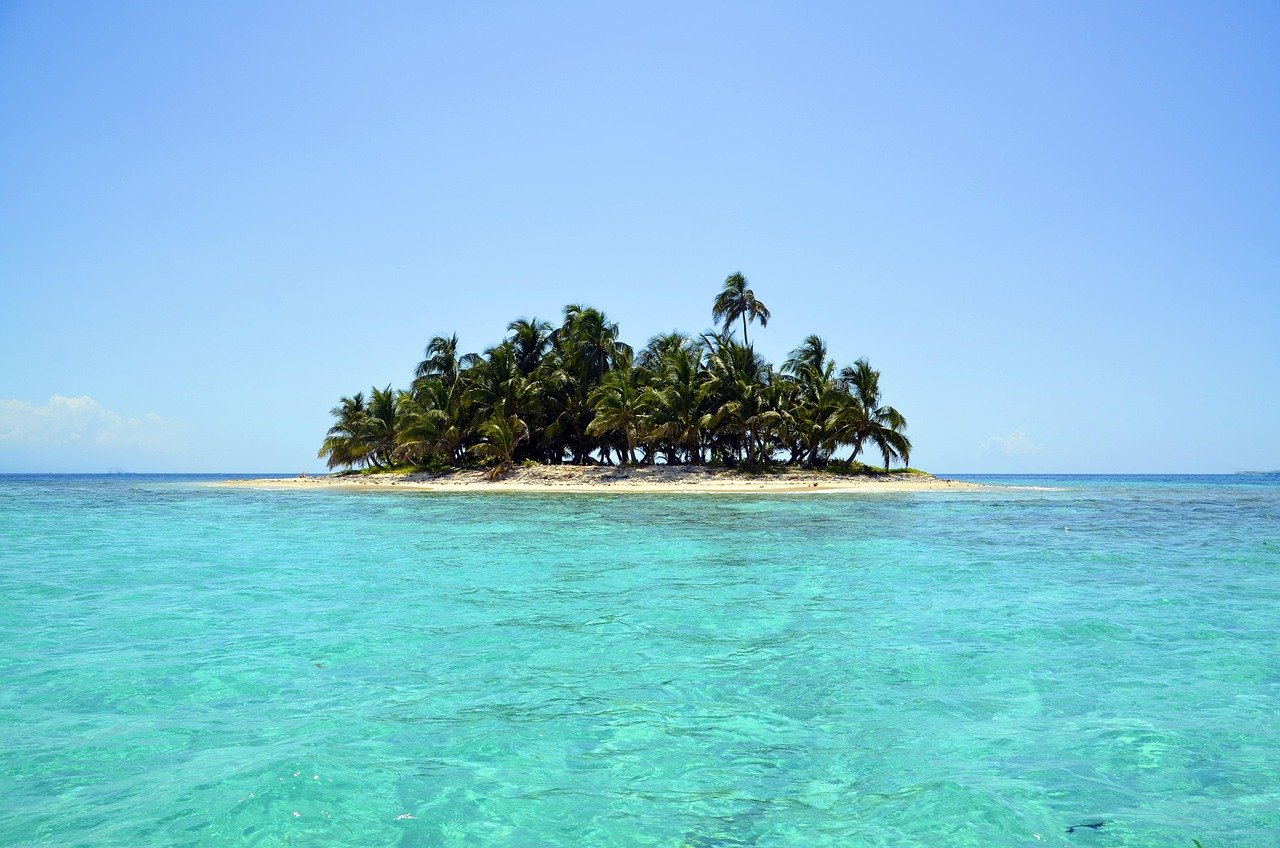
Biliran
Biliran is a laid-back coastal municipality on Biliran Island, where historic church landmarks sit close to waterfalls, hot springs and views of Mount Biliran.
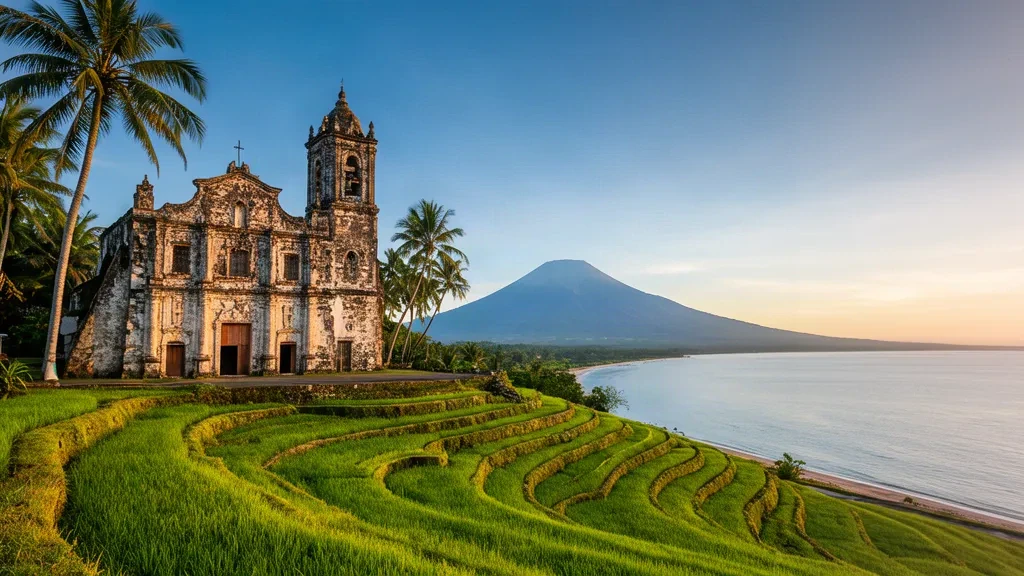
Antique
Antique, on the island of Panay in the Philippines, is known for its heritage towns, old churches, coastal villages and the rugged interior of Mount Madja-as.
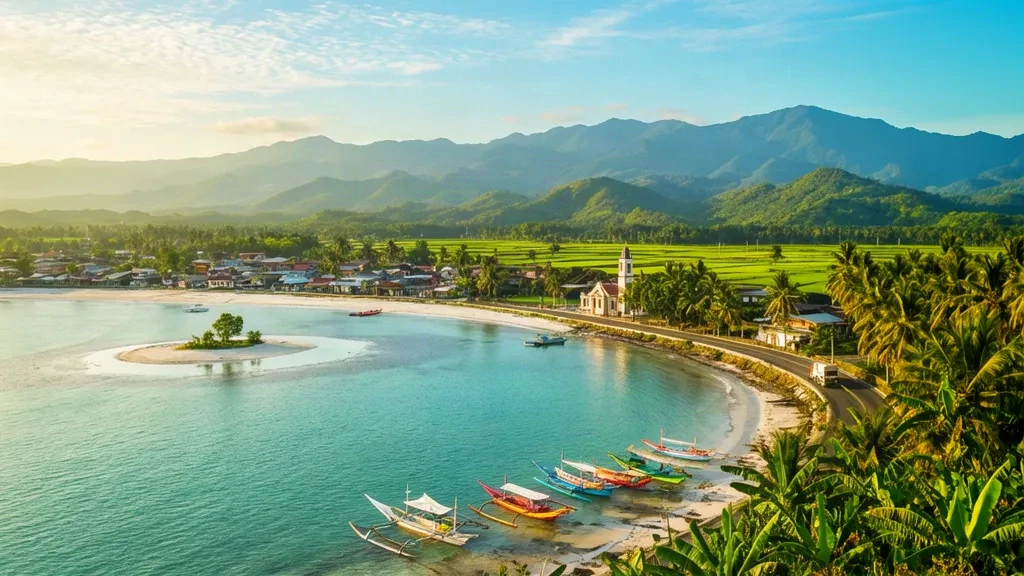
Zamboanga Sibugay
Zamboanga Sibugay, a coastal province on the Zamboanga Peninsula, is known for its rice fields, fishing villages and the lively capital town of Ipil.