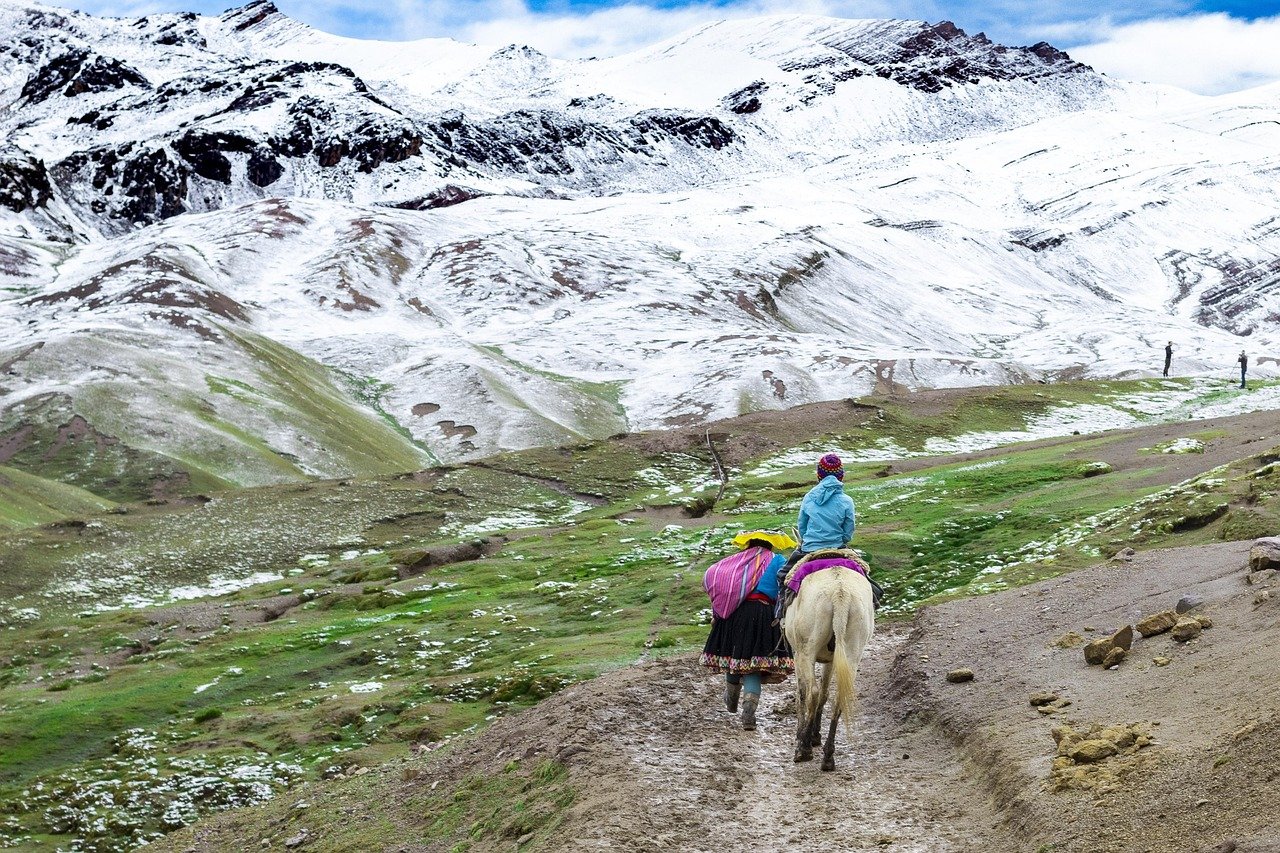
Puno
Perched on the shores of Lake Titicaca, Puno pairs Andean traditions and colonial churches with a high-altitude setting that serves as a gateway to the lake's islands and ancient sites.
Passengers
Luggage
About Puno
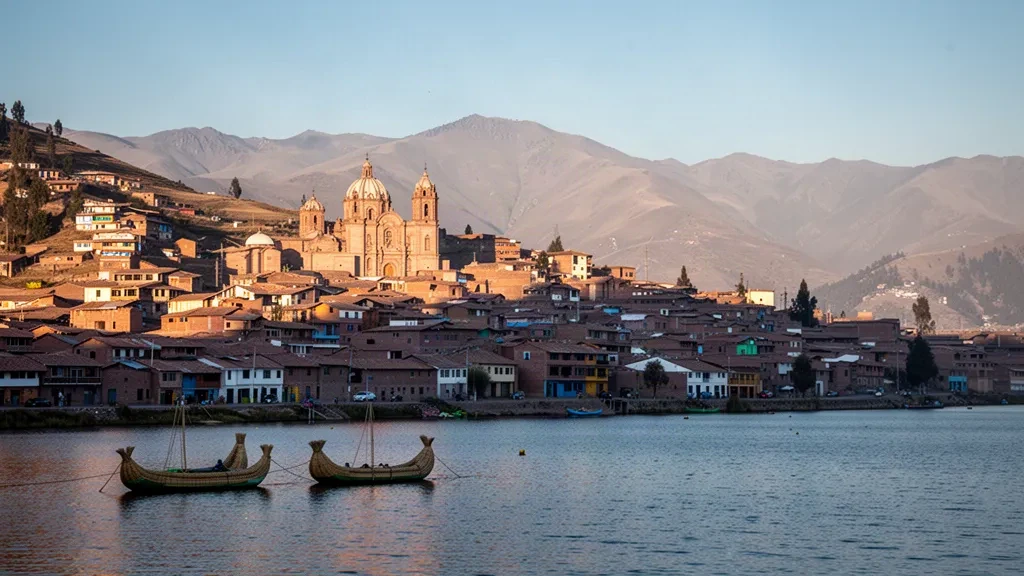
Puno is a high-altitude city on the northwestern shore of Lake Titicaca, at roughly 3,830 metres above sea level. Known as the "City of the Lake," it is the capital of the Puno region and province and serves as the main gateway to the Peruvian side of the world's highest navigable lake.
Founded in 1668 as San Carlos de Puno, the city is widely regarded as Peru's folklore capital. Its colonial centre, including the baroque Puno Cathedral and the Plaza de Armas, reflects its Andean-Spanish heritage, while the historic Yavari steamship and local museums preserve the area's lake and regional history.
The city is best known as the starting point for Lake Titicaca experiences, including the Uros floating islands and the islands of Taquile and Amantaní. Nearby, the pre-Inca chullpa towers of Sillustani offer a striking look at the region's ancient funerary architecture, and the port and waterfront add to the city's relaxed lakeside character.
Puno's economy is driven by tourism, regional trade, textiles and highland agriculture, with alpaca wool, quinoa and fresh lake trout among its best-known products. The February Fiesta de la Virgen de la Candelaria, recognised by UNESCO, fills the streets with music, dance and elaborate costumes and ranks among South America's largest festivals.
For leisure travellers, Puno is an essential stop between Cusco and Bolivia, while business and event visitors use it as a base for regional commerce, cultural tourism and cross-border travel around Lake Titicaca.
Puno Travel Guide
Best Time to Visit
The dry season from May to October offers clearer skies, sunny days and cold nights, making it the most reliable period for Lake Titicaca boat trips and excursions. February brings the Virgen de la Candelaria festival, but heavy rain is more common, so book well ahead.
How to Get Around
Central Puno is compact and easy to explore on foot, with taxis and mototaxis widely available for short trips. Boat tours depart from the port for the Uros and Taquile islands, buses link the city to Juliaca, Cusco and Arequipa, and Sillustani is usually reached by taxi or organised tour.
Where to Stay
Staying near the Plaza de Armas puts restaurants, museums and the cathedral within walking distance, while lakeside and port-area hotels offer views over Lake Titicaca. Rural homestays on Amantaní and Taquile provide a more immersive Andean experience.
Food & Drink
Puno's food centres on fresh lake trout, alpaca, quinoa and dishes such as kankacho, a slow-roasted lamb speciality. Local markets and the restaurants around Jirón Lima serve everyday Andean cooking, and coca tea is widely offered to help visitors adjust to the altitude.
Ground Transportation Services in Puno
Airport Transfers
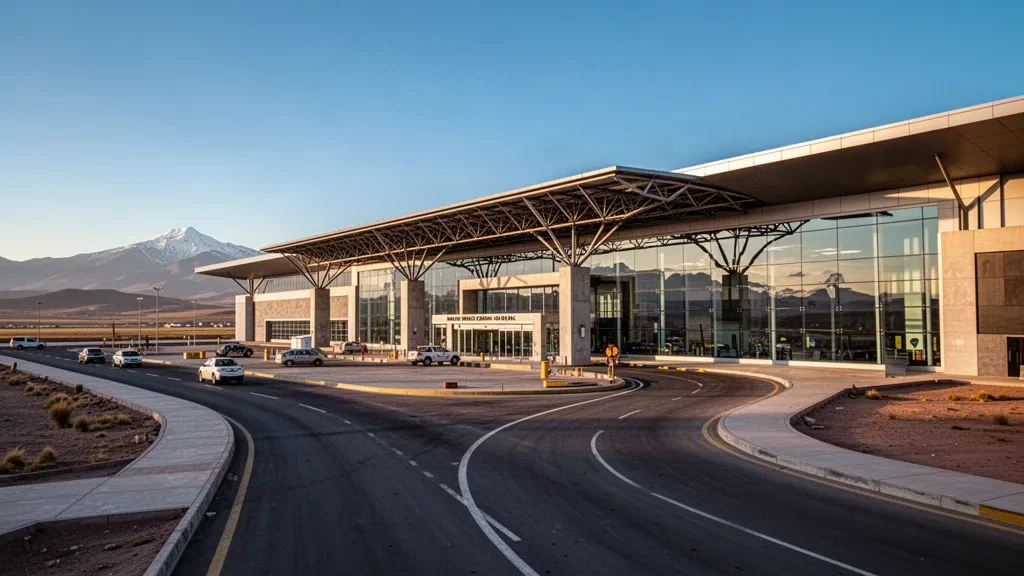
Travel between Inca Manco Cápac International Airport in Juliaca, about 50 km from Puno, and hotels, the port, bus terminals and other destinations across the city.
Hourly Chauffeur
Book a private chauffeur by the hour for visits to Sillustani and Lake Titicaca, business meetings, festival travel and flexible sightseeing around Puno.
Car Rental
Rent a car in Puno or Juliaca for independent travel around Lake Titicaca and convenient journeys to nearby towns and archaeological sites.
Bus & Group Transfers
Arrange minibuses or charter buses for groups, airport transfers, festival travel, sightseeing tours and cross-border journeys from Puno.
Frequently Asked Questions
Related Cities in Peru
View all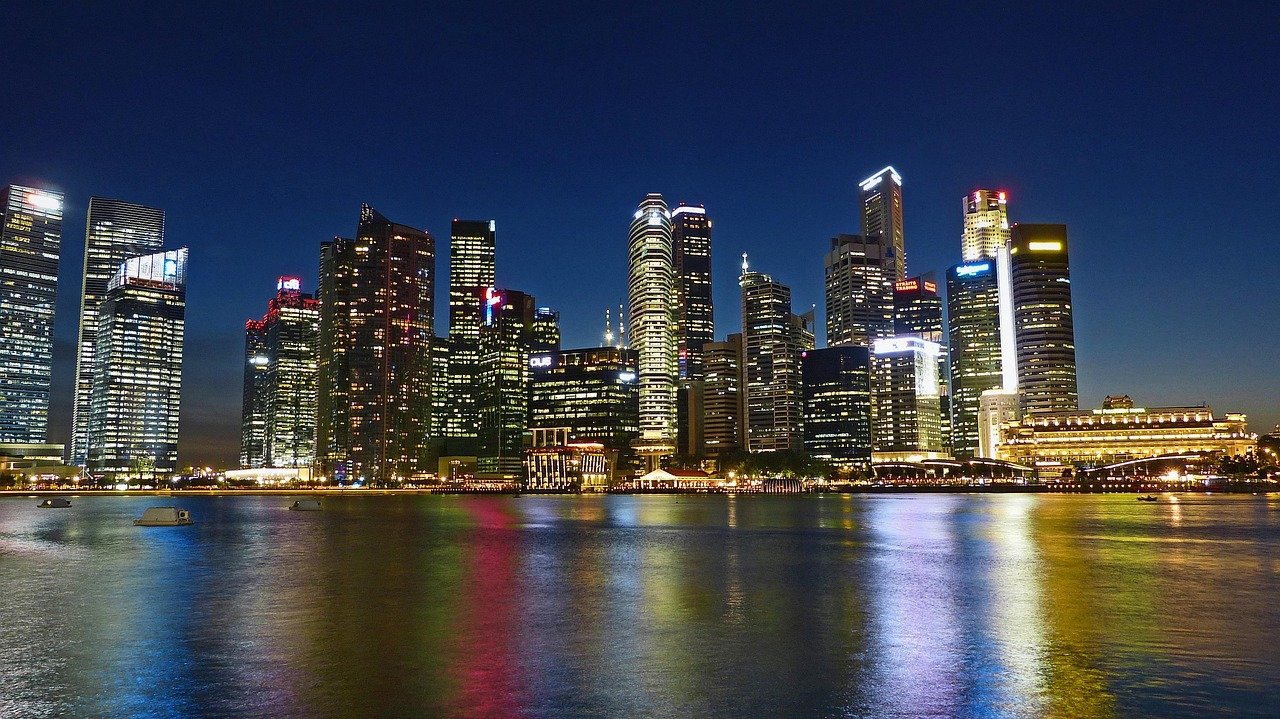
Pucallpa
Pucallpa, the capital of Peru's Ucayali region, is a bustling Amazonian city known as a gateway to the rainforest, with a lively port, markets and access to nearby natural wonders.
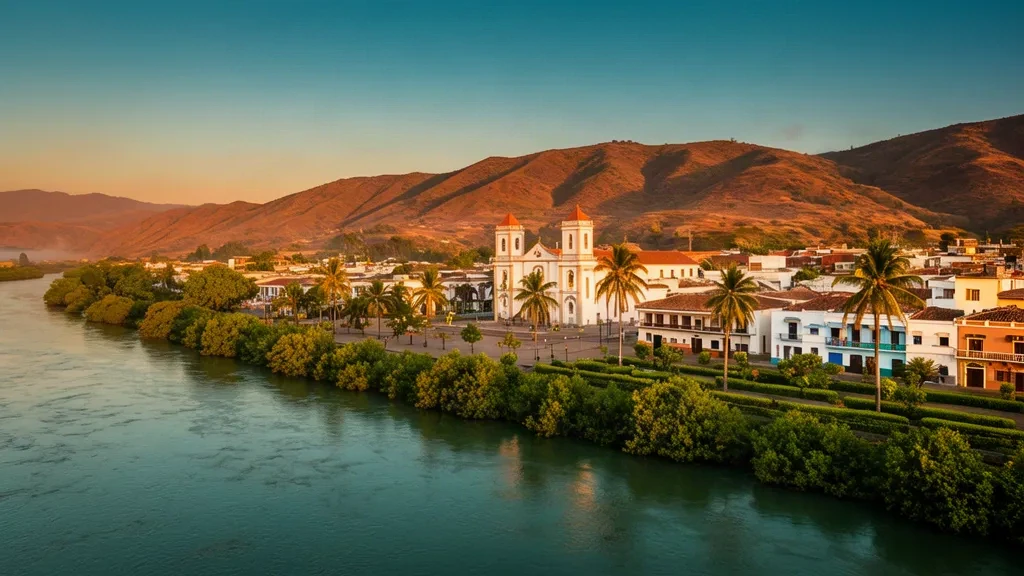
Tumbes
Tumbes, a tropical coastal city in northwestern Peru, pairs Pacific beaches and mangrove wetlands with a warm borderland culture and a relaxed plaza-centered pace. Its history and proximity to Ecuador give the city a distinct character.
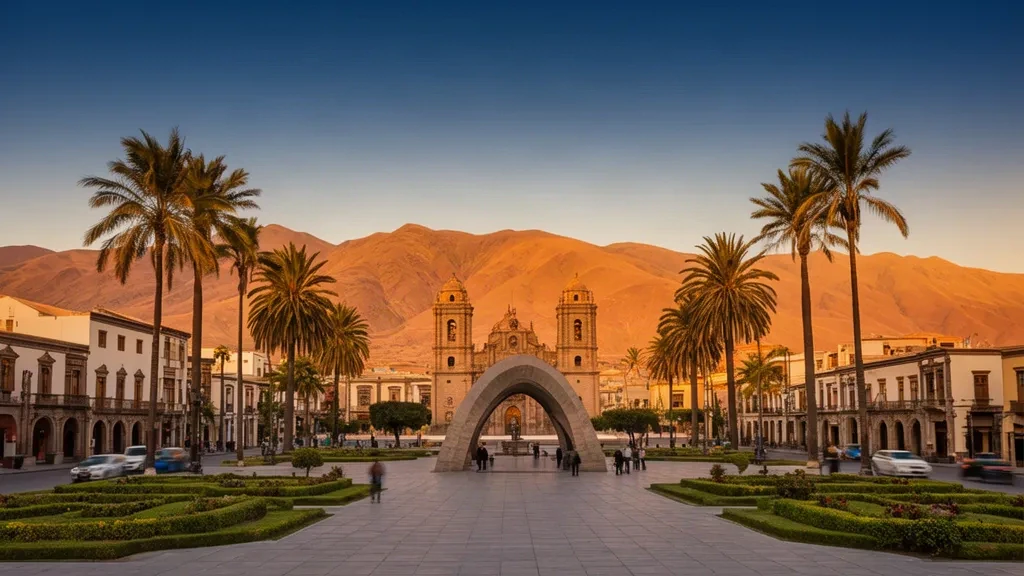
Tacna
Tacna, known as Peru's Heroic City, blends desert landscapes and Pacific beaches with a proud civic history, colonial-era architecture and a lively market and food scene.