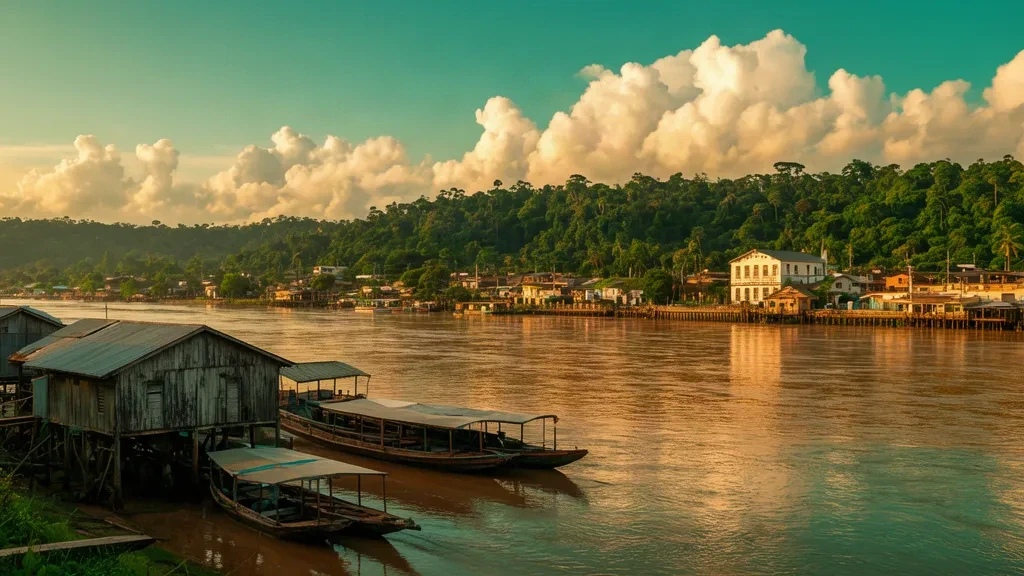
Loreto
Loreto, a tranquil town in the Peruvian Amazon, offers a unique blend of river life, lush rainforest, and indigenous traditions.
Passengers
Luggage
About Loreto
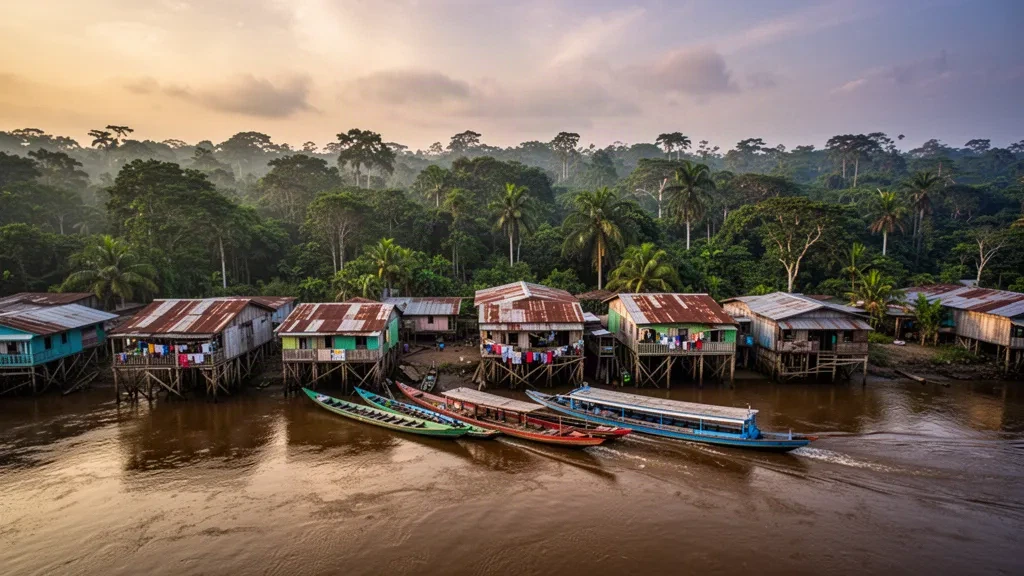
Iquitos is the capital of Peru's Loreto Region and the largest city in the Peruvian Amazon, set on the left bank of the Amazon River near the confluence of the Nanay and Itaya rivers. It is one of the largest cities in the world that cannot be reached by road, so almost all visitors arrive by air or by river, which gives the city a distinctive, isolated frontier character. As the main gateway to the northern Amazon, Iquitos combines a busy river-port working life with a growing ecotourism industry, jungle lodges and expedition cruises. The city grew rapidly during the late 19th- and early 20th-century rubber boom, when wealth from Amazonian rubber transformed a small riverside settlement into a prosperous commercial centre. That period left an unusual architectural legacy, including the Casa de Fierro, an iron house attributed to workshops associated with Gustave Eiffel, and elegant tiled buildings along the Malecón Tarapacá riverfront promenade. The cathedral and the Plaza de Armas mark the historic core, while museums such as the Museo Amazónico and the Museum of Indigenous Amazonian Cultures document the region's history, peoples and environment. The Belén district, often called the Venice of the Amazon, is one of the city's most distinctive areas, with stilt houses, a floating market and a busy riverside atmosphere. Around the centre, the districts of Punchana and San Juan Bautista extend the city toward the surrounding rivers and jungle. Popular excursions include boat trips on the Amazon, visits to the Pilpintuwasi butterfly and animal sanctuary, the Itaya and Nanay riverfronts, and the nearby Pacaya-Samiria National Reserve, one of Peru's largest protected areas. Today Iquitos remains an important centre for oil, timber and river trade, while tourism, conservation and river transport shape much of its modern identity. For both leisure and business travellers, the city works as a base for Amazon exploration, meetings and logistics, offering a rare urban experience on the edge of one of the world's great rainforests.
Loreto Travel Guide
Best Time to Visit
The drier months from June to October bring lower river levels, fewer mosquitoes and easier jungle walking, making this a popular time for wildlife viewing. The rainy season from December to May raises the rivers and allows deeper boat exploration of flooded forest areas.
How to Get Around
Mototaxis are the main form of local transport in Iquitos, with taxis and colectivos also available for getting around the centre and outlying districts. Since the city has no road link to the rest of Peru, boats and river transport are essential for reaching surrounding communities and jungle lodges.
Where to Stay
The area around the Plaza de Armas and Malecón Tarapacá is convenient for hotels, restaurants, landmarks and river views. The Belén district offers a grittier local atmosphere, while jungle lodges along the Amazon, Nanay and Itaya rivers provide nature-focused stays outside the urban centre.
Food & Drink
Iquitos is known for Amazonian dishes such as juane, tacacho con cecina and paiche, along with regional fruits like camu camu and aguaje. The Belén market, riverside eateries and local restaurants are good places to sample regional cooking and fresh river fish.
Ground Transportation Services in Loreto
Airport Transfers
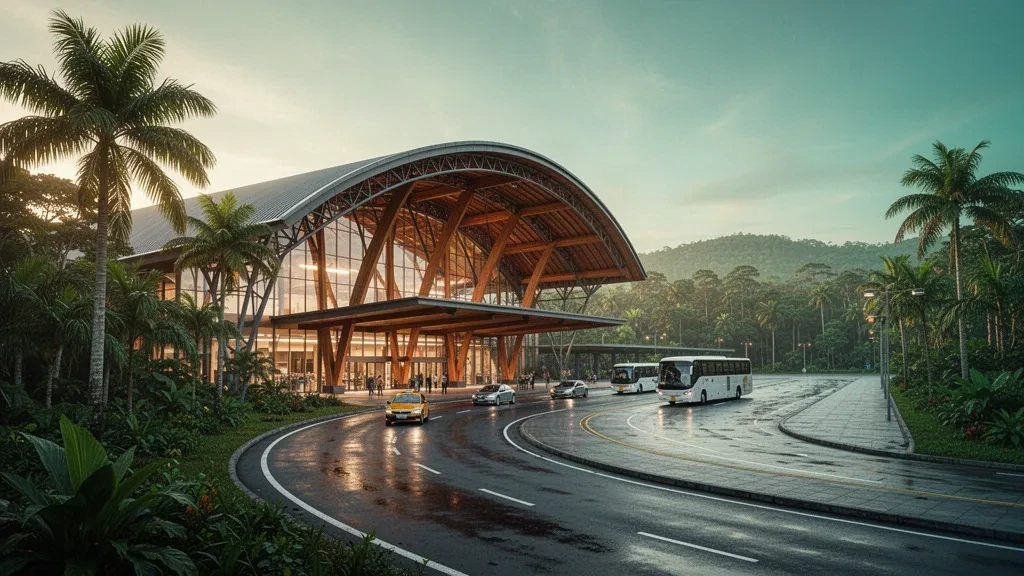
Travel between Coronel FAP Francisco Secada Vignetta International Airport and hotels, the river port, business venues and other destinations across Iquitos.
Hourly Chauffeur
Book a private chauffeur by the hour for business meetings, city tours, riverside sightseeing and flexible travel around Iquitos.
Car Rental
Rent a car in Iquitos for independent journeys along the city's limited road network, including the route toward Nauta and nearby river ports.
Bus & Group Transfers
Arrange minibuses or charter buses for groups, corporate travel, port transfers, events and excursions in and around Iquitos.
Frequently Asked Questions
Related Cities in Peru
View all
Pucallpa
Pucallpa, the capital of Peru's Ucayali region, is a bustling Amazonian city known as a gateway to the rainforest, with a lively port, markets and access to nearby natural wonders.
Tumbes
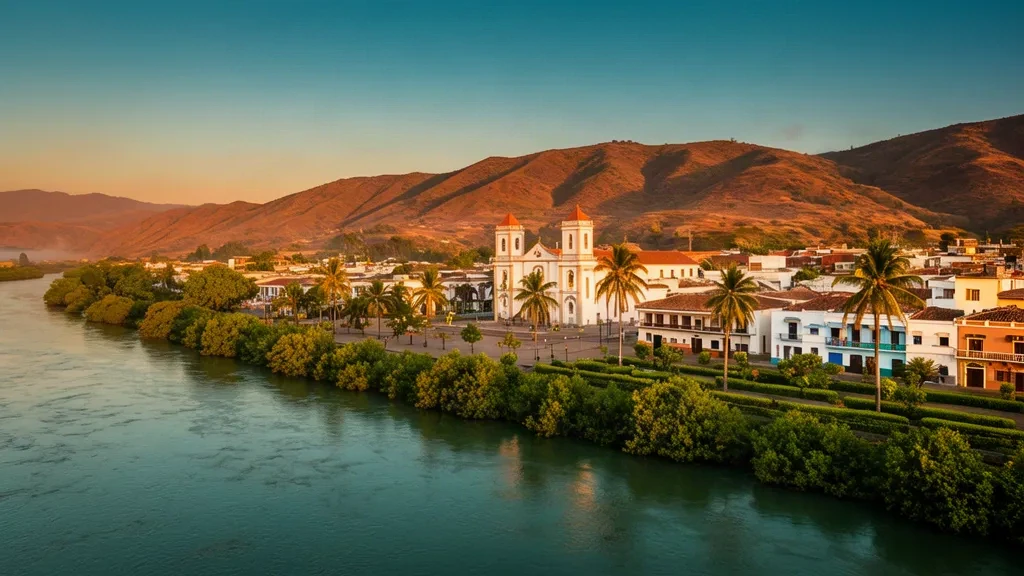
Tumbes, a tropical coastal city in northwestern Peru, pairs Pacific beaches and mangrove wetlands with a warm borderland culture and a relaxed plaza-centered pace. Its history and proximity to Ecuador give the city a distinct character.
Tacna
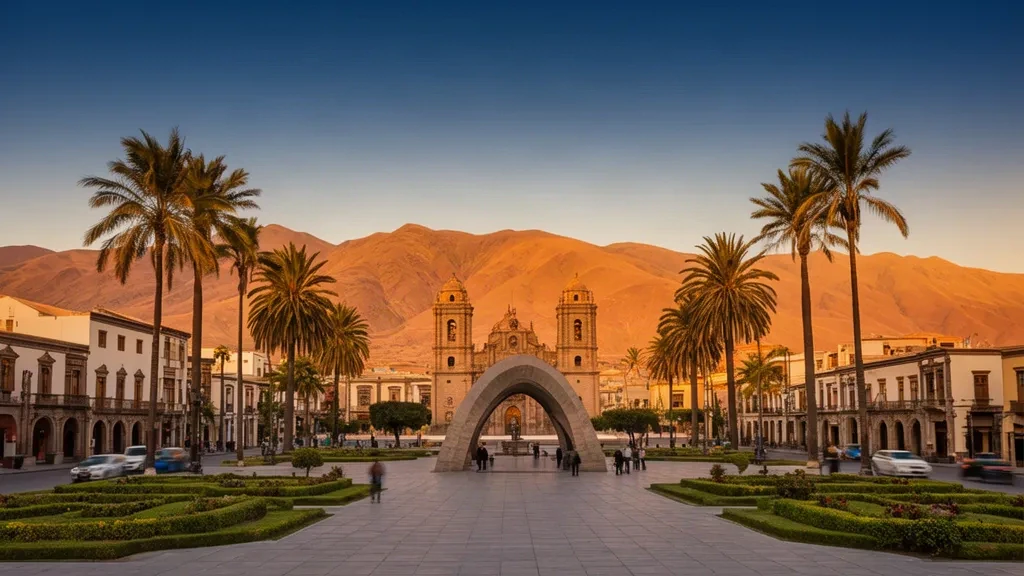
Tacna, known as Peru's Heroic City, blends desert landscapes and Pacific beaches with a proud civic history, colonial-era architecture and a lively market and food scene.