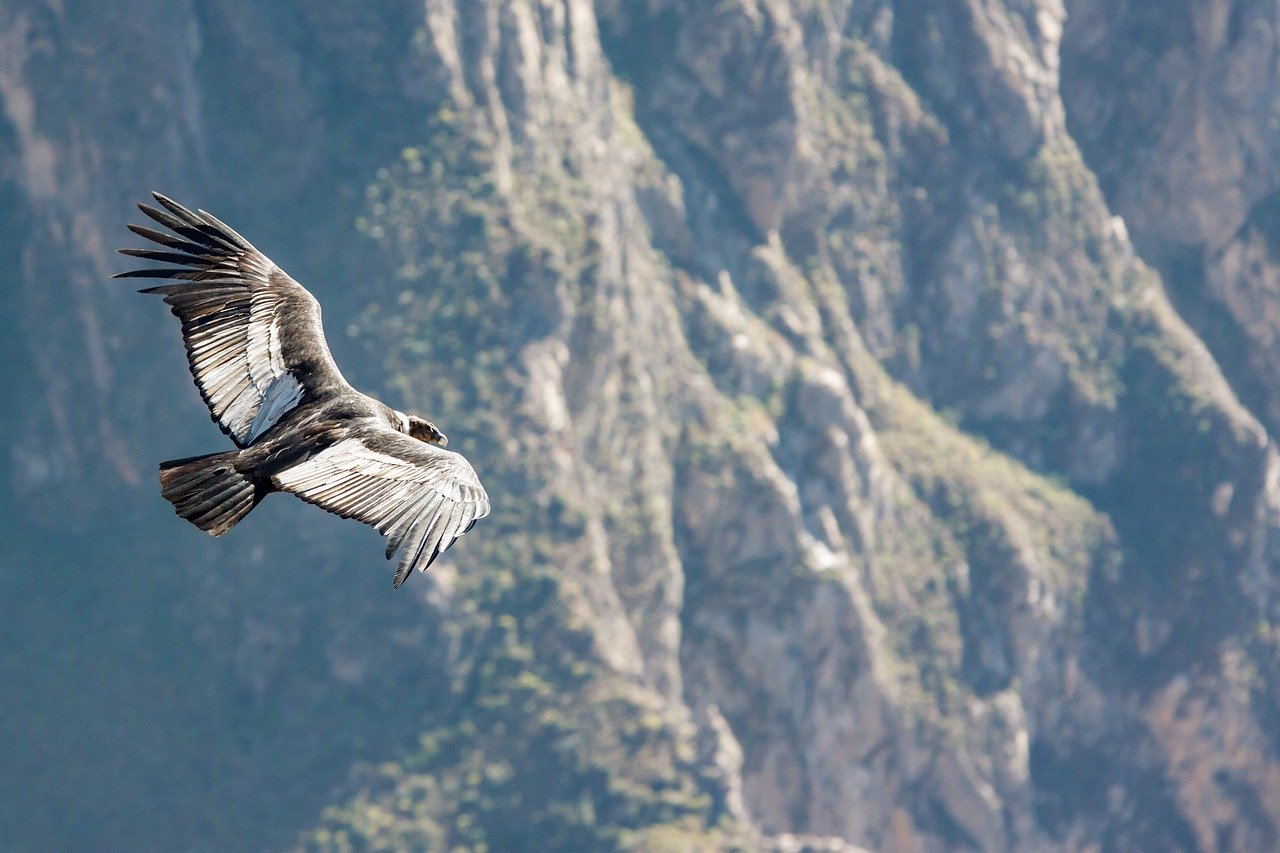
Apurímac
Apurímac, in southern Peru's highlands, is known for dramatic Andean landscapes, traditional villages and a strong Quechua cultural heritage.
Passengers
Luggage
About Apurímac
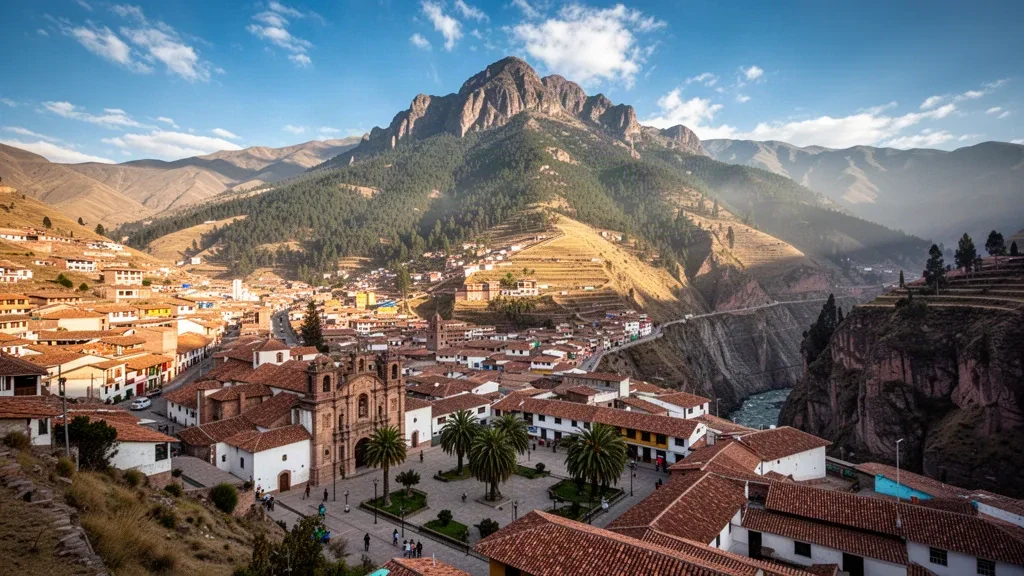
Abancay is the capital and largest city of Peru's Apurímac region, set in the Andes at around 2,378 metres above sea level. Known locally as the 'Lily of the Andes' (Azucena de los Andes), it serves as a practical gateway between Cusco and the Pacific slope, surrounded by mountains, valleys and small farming communities.
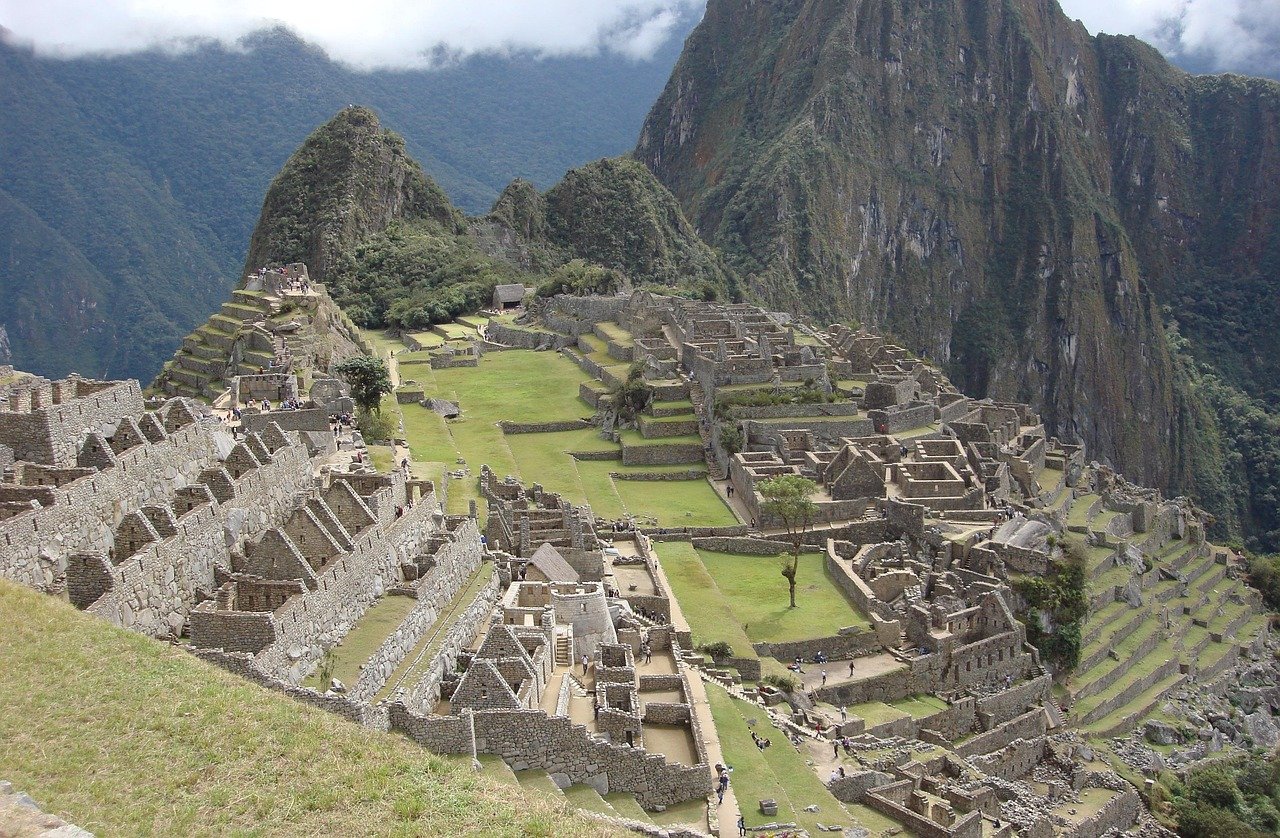
Founded in 1574, the city keeps a compact colonial core around the Plaza de Armas and its cathedral. Nearby landmarks such as the colonial Pachachaca Bridge and the archaeological complex of Saywite, with its carved monolith, connect the modern city with the region's Inca and colonial past.
Most activity centres on the streets around the Plaza de Armas, while the neighbouring district of Tamburco offers access to the Ampay National Sanctuary, known for its native intimpa forest and views of snow-capped Ampay. Viewpoints such as Mirador de Taraccasa and Capitán Rumi overlook the valley and surrounding peaks.
Abancay is a regional hub for agriculture, trade and public services in Apurímac, with mining development elsewhere in the region adding economic relevance. Local life revolves around Andean markets, religious festivals and a food culture that includes tallarín de casa, roasted guinea pig (cuy) and anise from the nearby district of Curahuasi.
For travellers, Abancay works as a base for nature, archaeology and Andean culture, and as a stopover on routes between Cusco, Nazca and Lima. Business visitors come mainly for regional commerce, logistics and public-sector activity, supported by a small but functional hotel and transport infrastructure.
Apurímac Travel Guide
Best Time to Visit
The dry season from May to October offers the most reliable weather for sightseeing, hiking and mountain road travel around Abancay. November to April brings rain, greener landscapes and occasional road disruptions, while local festivals add colour at other times of year.
How to Get Around
Central Abancay is compact and easy to explore on foot, with taxis and mototaxis available for short trips. Shared combis and buses connect surrounding districts and nearby towns, while private drivers or organised tours are useful for reaching the Ampay National Sanctuary and Saywite.
Where to Stay
The area around the Plaza de Armas is the most convenient base, with hotels, guesthouses and restaurants within walking distance. Tamburco offers a quieter setting closer to the Ampay National Sanctuary and the road toward Cusco.
Food & Drink
Local dining centres on Andean home cooking, including tallarín de casa, roasted guinea pig and hearty soups. Markets, small restaurants and bakeries around the centre are good places to try regional produce, fresh bread, cheese and anise-based products from Curahuasi.
Ground Transportation Services in Apurímac
Airport Transfers
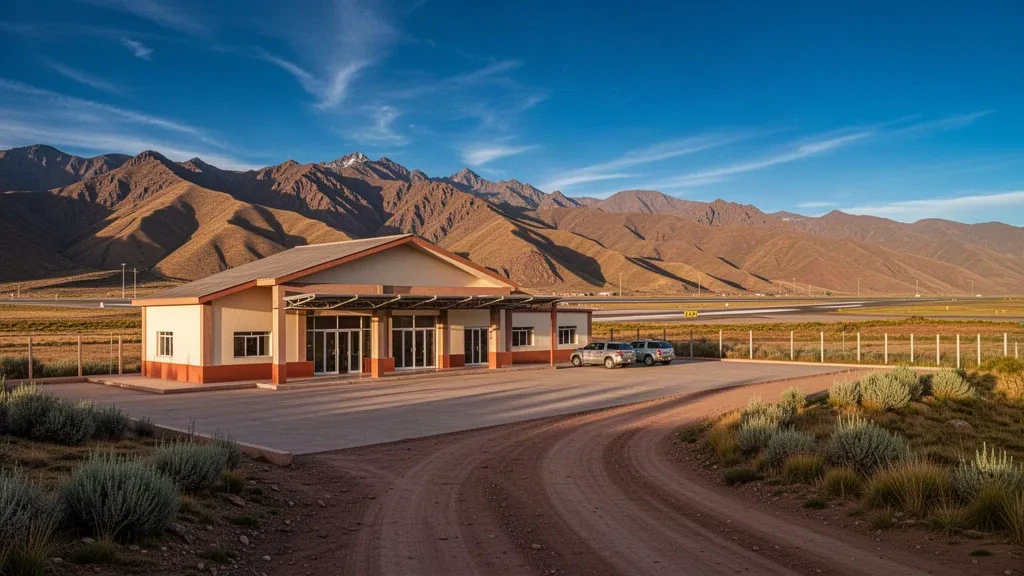
Arrange private road transfers between Cusco Airport and Abancay, a journey of about four to five hours through the Andes, for a direct alternative to public buses.
Hourly Chauffeur
Book a private chauffeur by the hour for business meetings, regional appointments, sightseeing and flexible travel around Abancay and the Apurímac region.
Car Rental
Rent a car for independent travel around Abancay and Apurímac, keeping in mind mountainous roads and the need for careful planning on longer routes.
Bus & Group Transfers
Organise minibuses or charter buses for groups, corporate travel, events, tours to Saywite or the Ampay National Sanctuary, and journeys between Abancay and nearby cities.
Frequently Asked Questions
Related Cities in Peru
View all
Pucallpa
Pucallpa, the capital of Peru's Ucayali region, is a bustling Amazonian city known as a gateway to the rainforest, with a lively port, markets and access to nearby natural wonders.
Tumbes
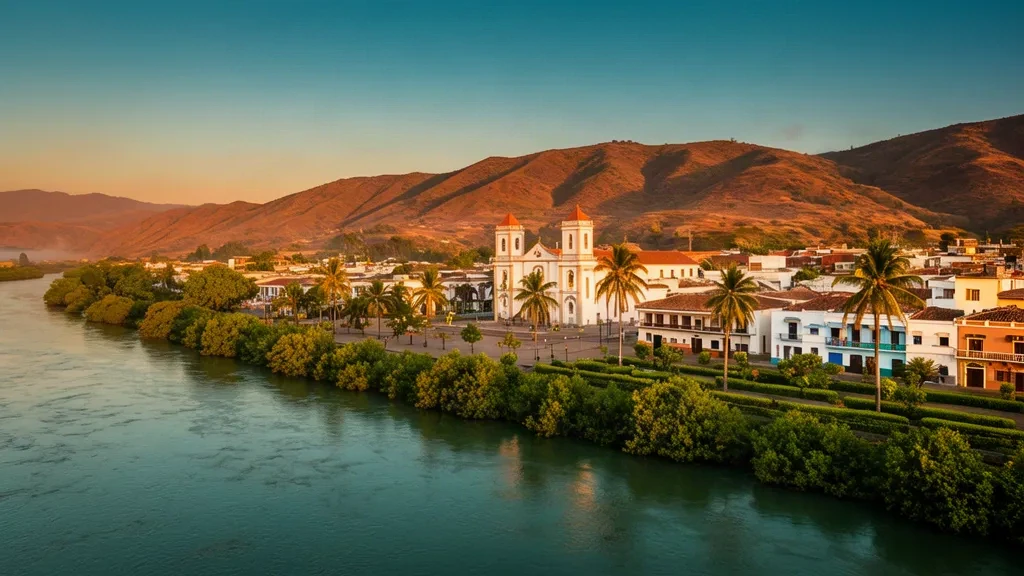
Tumbes, a tropical coastal city in northwestern Peru, pairs Pacific beaches and mangrove wetlands with a warm borderland culture and a relaxed plaza-centered pace. Its history and proximity to Ecuador give the city a distinct character.
Tacna
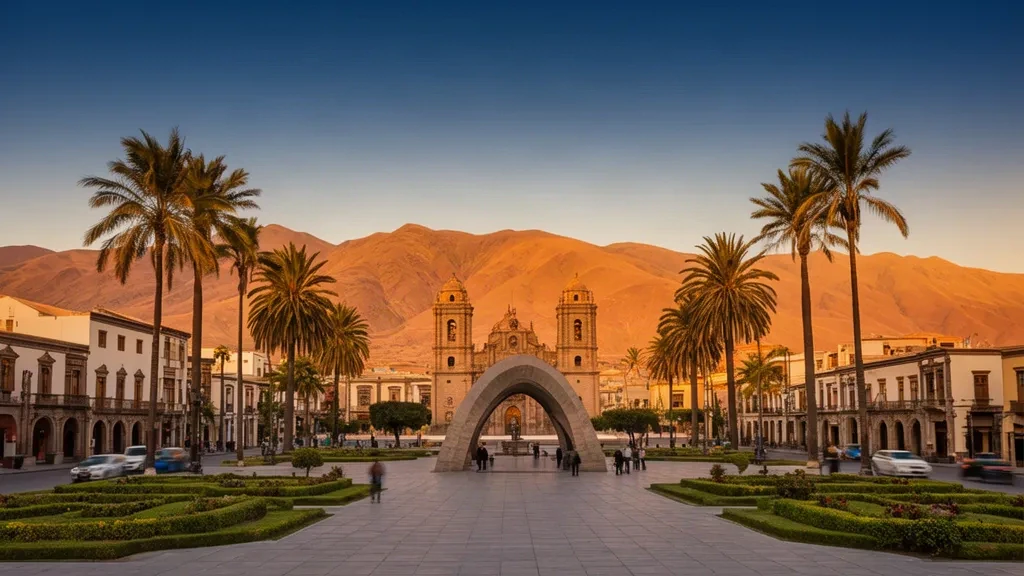
Tacna, known as Peru's Heroic City, blends desert landscapes and Pacific beaches with a proud civic history, colonial-era architecture and a lively market and food scene.