Darién
Darién, Panama's wild eastern frontier, is a land of dense rainforest, river settlements and the legendary Darién Gap, drawing travellers seeking remote, untamed landscapes.
Passengers
Luggage
About Darién
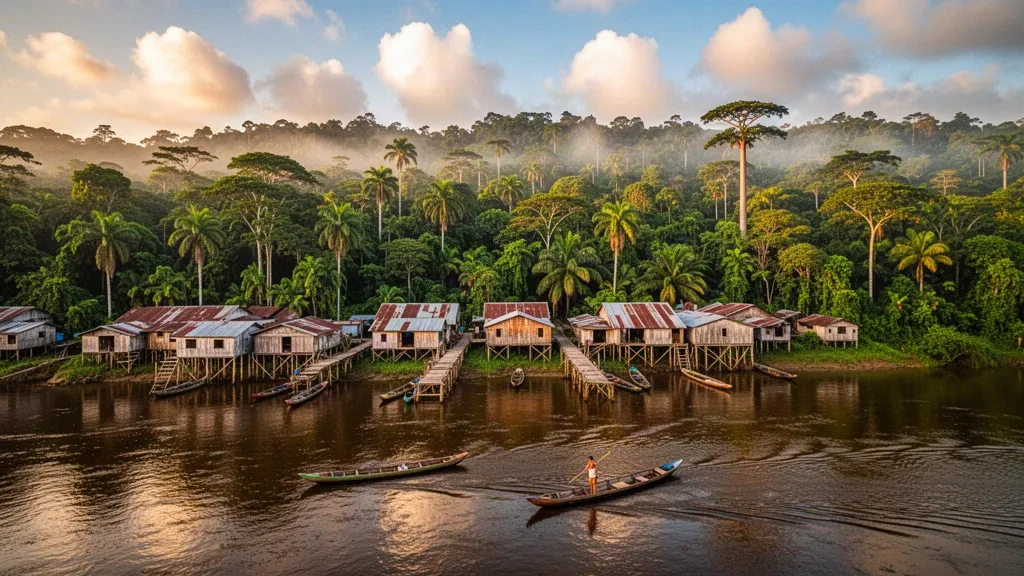
Darién is Panama's easternmost and most remote province, stretching along the border with Colombia and defined by dense tropical rainforest, wide rivers and the roadless Darién Gap. Its small capital, La Palma, sits on the Gulf of San Miguel, while towns such as Metetí, Yaviza, El Real, Garachiné and Jaqué serve as gateways to the surrounding lowlands and Pacific coast.
The province is best known for Darién National Park, a UNESCO World Heritage Site and one of Central America's largest protected areas, home to harpy eagles, jaguars, tapirs and hundreds of bird species. The region has deep Indigenous roots, and Emberá and Wounaan communities maintain traditional river life, crafts and cultural practices across the territory.
Most visits center on nature and river travel rather than urban sightseeing. Cana, a former gold-mining settlement in the mountains, is now one of the country's best birdwatching sites, while the Chucunaque and Tuira rivers and the Pacific coves around Garachiné and Jaqué offer wildlife, fishing and coastal scenery. At Yaviza, the Pan-American Highway comes to an end, marking the start of the Darién Gap.
Infrastructure is limited: roads are few, services are basic, and moving between villages often requires 4x4 vehicles, small planes or piraguas. Tourism is small-scale and guide-led, focusing on ecology, birding, Indigenous culture and multi-day river expeditions rather than mass-market attractions.
For both leisure and business travelers, Darién offers a different side of Panama - one of low-impact ecotourism, conservation projects and logistics related to the Darién Gap and border-region work. Visitors need planning, local guidance and seasonal awareness, but the reward is access to one of the most biologically rich and least developed regions in the Americas.
Darién Travel Guide
Best Time to Visit
The dry season, roughly from mid-December to April, is the most practical time to visit Darién, with better road and river conditions for reaching Yaviza, La Palma and remote communities. The rainy season from May to November brings heavy downpours, muddy tracks and river flooding, so guided trips and domestic flights become especially important.
How to Get Around
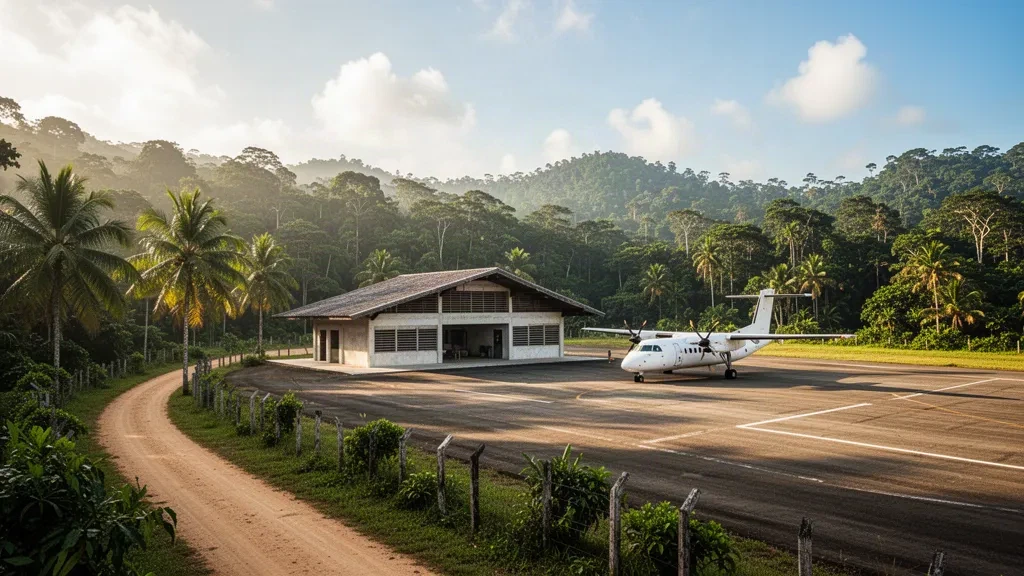
Darién has few paved roads; the Pan-American Highway runs from Panama City to Yaviza, and 4x4 vehicles are essential beyond the main towns. Travel deeper into the province relies on piraguas along rivers such as the Chucunaque and Tuira, small planes to La Palma, Garachiné and Jaqué, and guided walking trails.
Where to Stay
Accommodation is limited and concentrated in La Palma, Metetí and Yaviza, with simple hotels and guesthouses, plus a handful of eco-lodges and field stations near Darién National Park and Cana. Book ahead and expect basic facilities, especially outside the main towns.
Food & Drink
Local food in Darién centers on fresh river and sea fish, plantains, rice, yucca and seasonal fruit, often served in small fondas and family-run kitchens. Emberá and Wounaan communities share traditional dishes, while dining options and supplies thin out quickly away from the main towns.
Ground Transportation Services in Darién
Airport Transfers
Arrange road transfers from Tocumen International Airport in Panama City to Metetí, Yaviza and other accessible towns in Darién, with onward boat or light-aircraft connections where needed.
Hourly Chauffeur
Book a private driver by the hour for travel around La Palma, Metetí, Yaviza and nearby communities, useful for meetings, field visits and flexible stops along Darién's limited road network.
Car Rental
Rent a 4x4 vehicle, typically from Panama City, for independent travel along the Pan-American Highway to Yaviza and for navigating unpaved roads within Darién.
Bus & Group Transfers
Organize charter buses, 4x4 minibuses or boats for groups traveling between Panama City and Darién, and for river journeys to communities, lodges and project sites.
Frequently Asked Questions
Related Cities in Panama
View all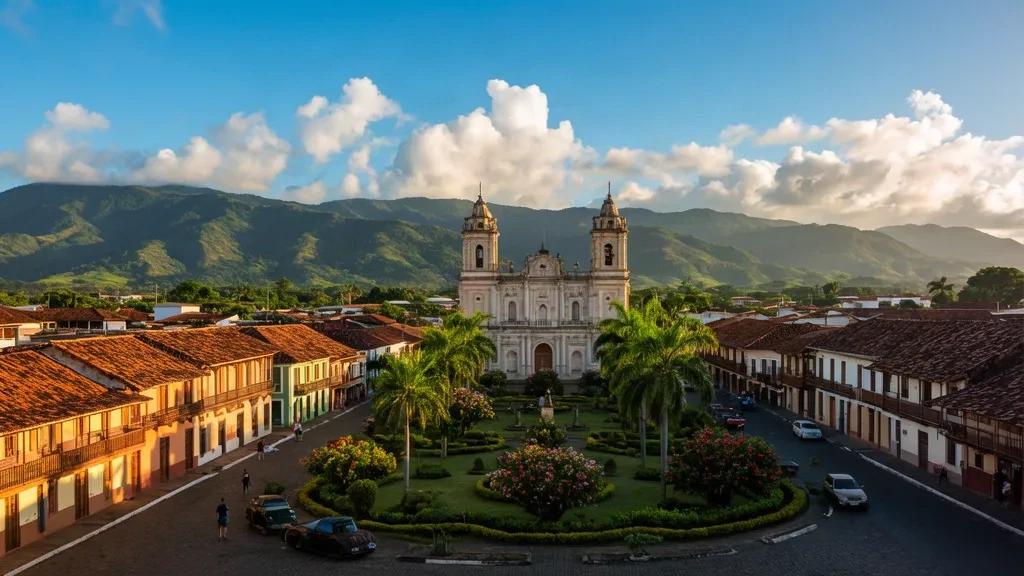
Santiago de Veraguas
Santiago de Veraguas, the capital of Panama's Veraguas Province, pairs colonial history with a bustling commercial center and easy access to beaches, mountains and the Pacific coast.
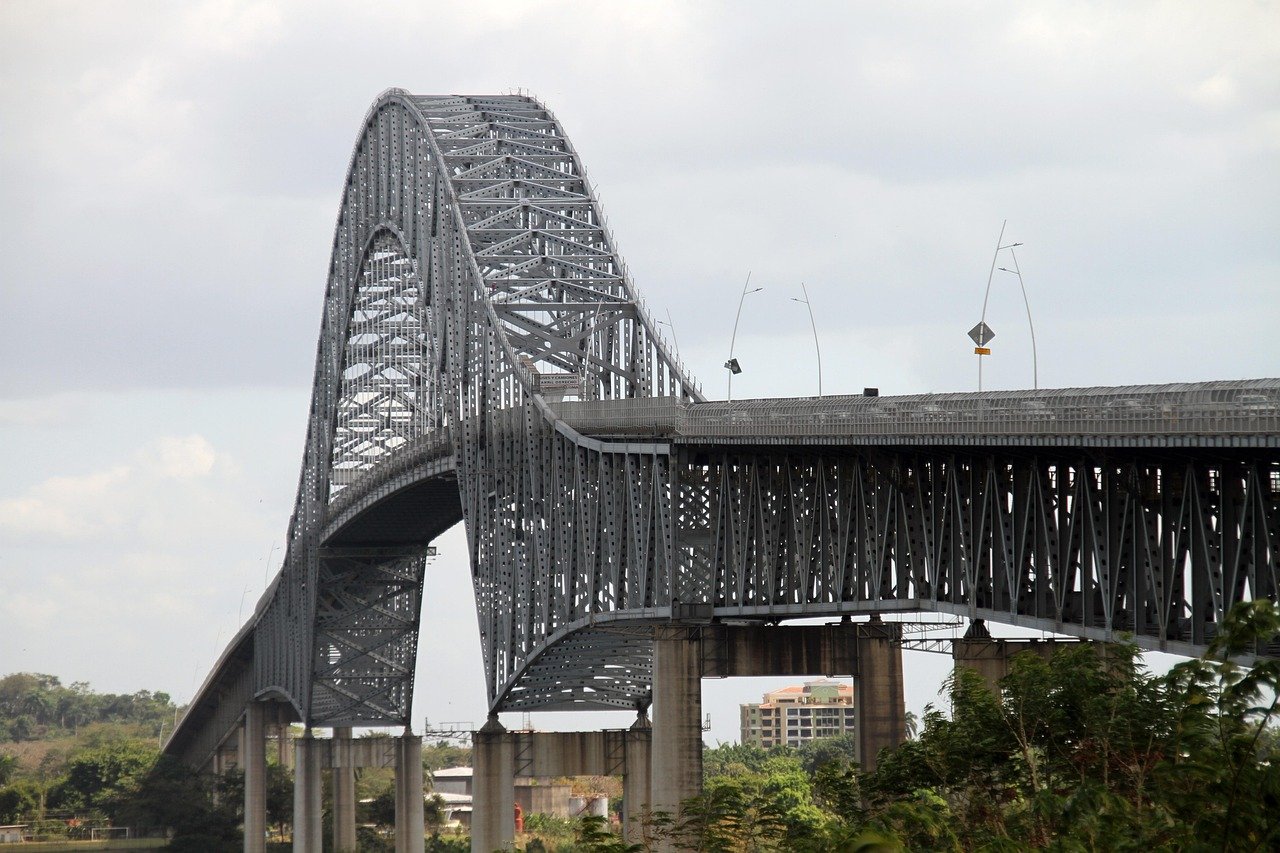
Panamá Oeste
Panamá Oeste, west of Panama City, pairs Pacific beaches and green highlands with a fast-growing suburban landscape.
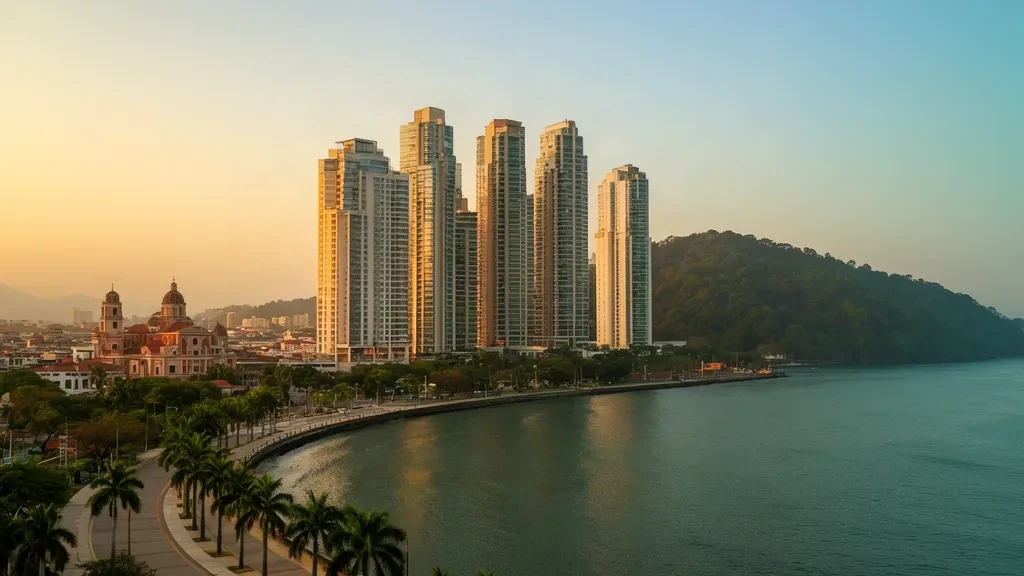
Panama City
Panama City, Panama's cosmopolitan capital, pairs a historic old town with a modern skyline, diverse neighbourhoods and easy access to the Panama Canal.