Islamabad
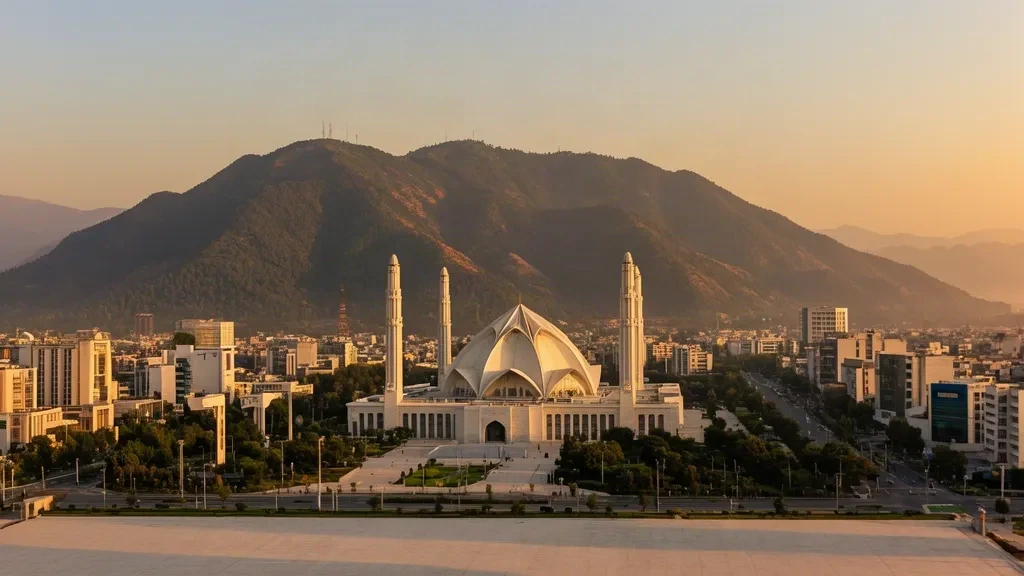
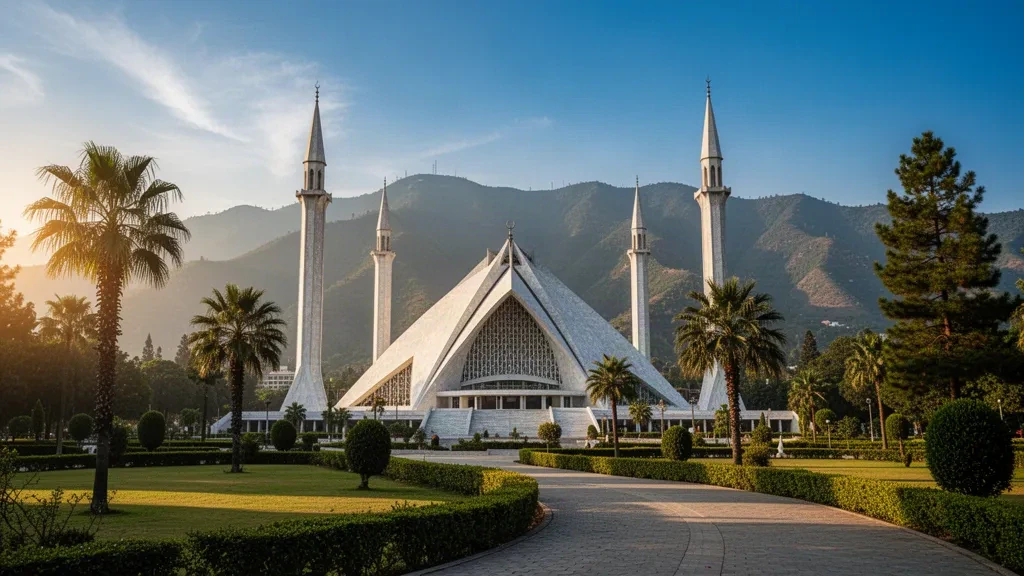
Islamabad, Pakistan's planned capital, rests against the Margalla Hills, where broad, tree-lined avenues, Faisal Mosque and leafy viewpoints shape a calm and orderly city. As the seat of government and diplomacy, it balances green public spaces with a steady, modern pace.
Passengers
Luggage
About Islamabad
Islamabad is Pakistan's purpose-built capital, set against the Margalla Hills at the northern edge of the Pothohar Plateau. Known for its clean, green layout, tree-lined avenues and modern architecture, it serves as the country's administrative, diplomatic and political centre and forms part of the larger Islamabad–Rawalpindi metropolitan area.
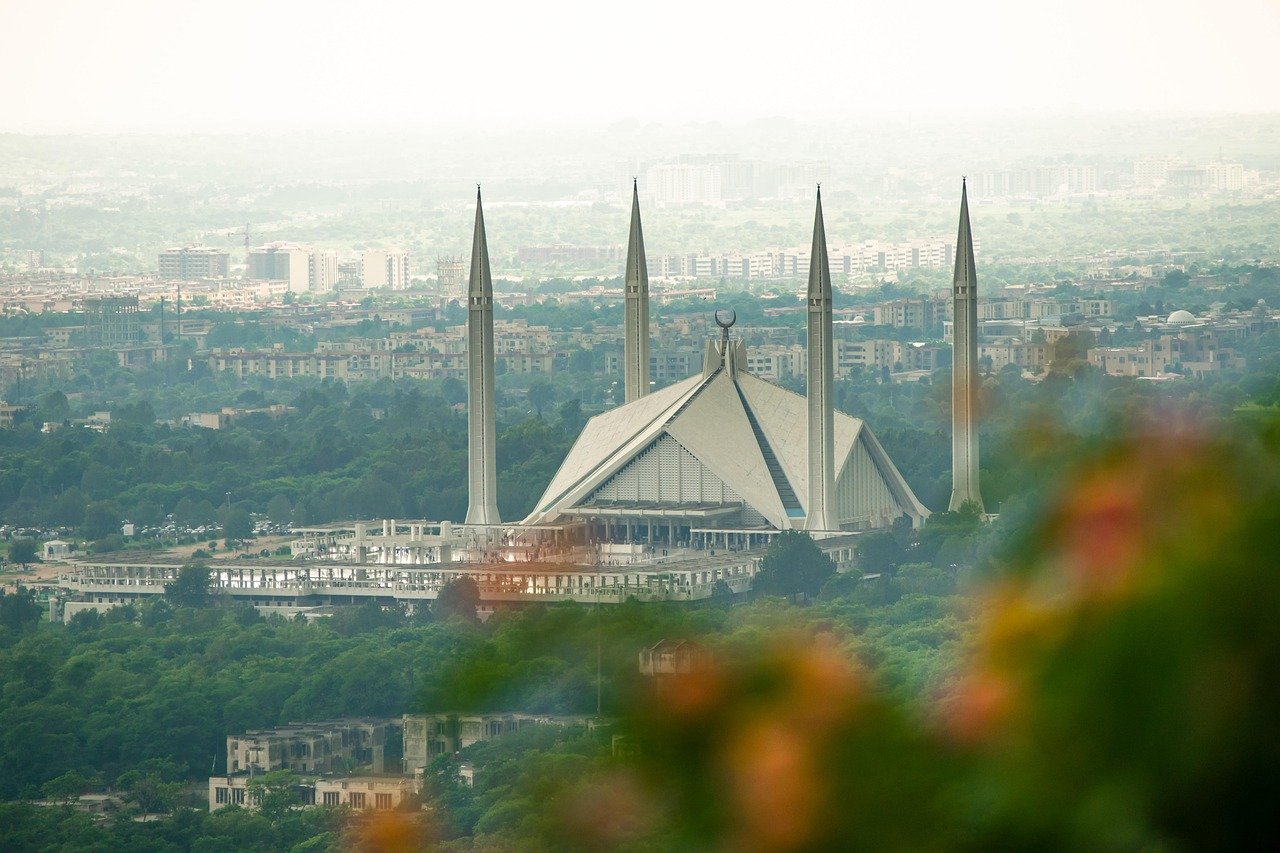
Planned in the early 1960s under the direction of Greek architect and town planner Constantinos Doxiadis, Islamabad was built to replace Karachi as the national capital. Its grid of numbered sectors separates residential, commercial and government zones, while landmarks such as the Faisal Mosque, Pakistan Monument, Rawal Lake and Daman-e-Koh viewpoint define the city's identity.
The city's sectors and districts each have a distinct role: the Blue Area is the main commercial corridor, F-6 and F-7 are known for their markets and cafés, and the Diplomatic Enclave houses embassies and international organisations. Margalla Hills National Park offers hiking trails and wildlife, and Saidpur Village preserves a historic settlement with restaurants and crafts.
As a hub for government, diplomacy, education and a growing technology and start-up scene, Islamabad hosts conferences, trade events and business meetings throughout the year. Its food scene ranges from traditional Pakistani dishes and street food to cafés, fine dining and international restaurants across upscale sectors.
For both leisure and business travellers, Islamabad offers a calmer, greener alternative to Pakistan's larger cities, with easy access to nearby destinations such as Rawalpindi, Taxila and the hill station of Murree.
Islamabad Travel Guide
Best Time to Visit
Spring, from March to May, and autumn, from September to November, bring mild weather, blooming gardens and clear views of the Margalla Hills. Summers are hot and winters are cool, while July and August often bring monsoon rain.
How to Get Around
Ride-hailing apps, taxis and app-based cab services are widely used, and a Metrobus corridor and local buses serve key routes. The city's grid layout makes driving easy, and private cars or chauffeur services are convenient for business and sightseeing.
Where to Stay
The Blue Area and central sectors such as F-6, F-7 and F-8 offer hotels close to offices, restaurants and shopping. E-11 and the G sectors have many guesthouses and mid-range options, while quieter areas near the Margalla Hills suit longer stays.
Food & Drink
Islamabad's food scene ranges from Pakistani classics such as nihari, kebabs and barbecue to cafés, tea houses and international restaurants. Melody Food Street, Kohsar Market and the restaurants of F-10, F-11 and E-7 are popular for local and global flavours.
Ground Transportation Services in Islamabad
Airport Transfers
Travel between Islamabad International Airport and hotels, business districts, residential sectors and venues across Islamabad and Rawalpindi.
Hourly Chauffeur
Book a private chauffeur by the hour for business meetings, diplomatic visits, events, shopping and sightseeing around Islamabad.
Car Rental
Rent a car in Islamabad for independent travel around the city and convenient day trips to Rawalpindi, Taxila or Murree.
Bus & Group Transfers
Arrange minibuses or charter buses for groups, corporate travel, conferences, events, airport transfers and tours in Islamabad.
Frequently Asked Questions
Related Cities in Pakistan
View all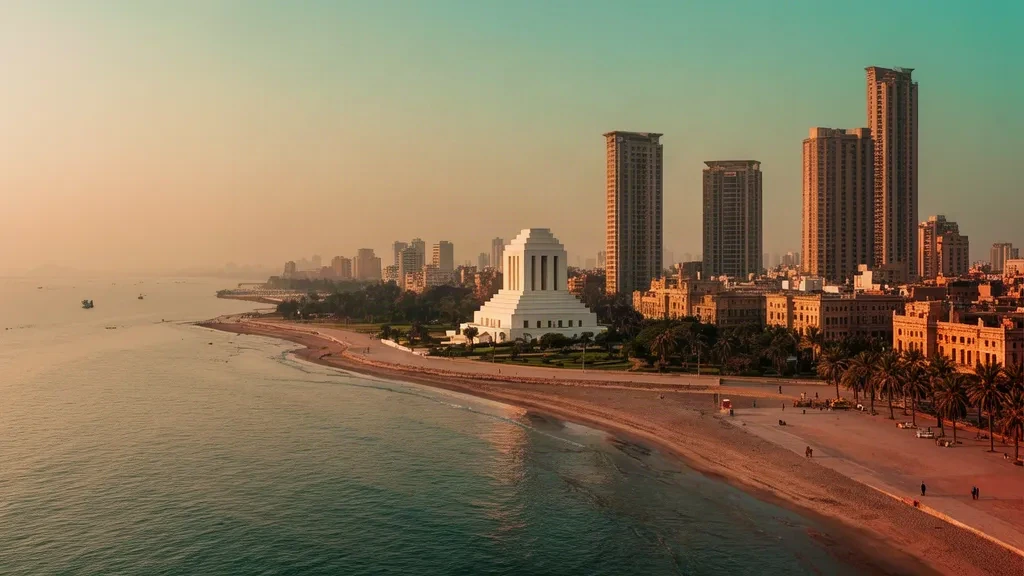
Karachi
Karachi, Pakistan's largest city and Sindh's coastal capital, blends a busy port economy with historic districts, diverse neighborhoods and a restless cultural scene.
Lahore
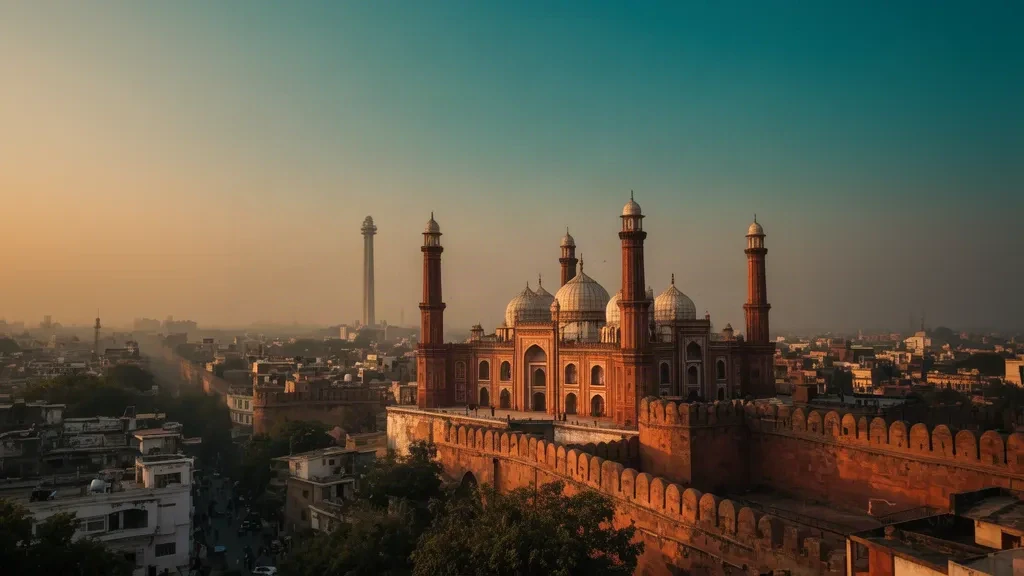
Lahore, Pakistan's cultural heart, blends Mughal landmarks and historic gardens with bustling bazaars and a celebrated food scene. Its lively arts, music and festival calendar give the city a character all its own.
Peshawar
Peshawar, one of South Asia's oldest living cities, pairs a storied past with bustling bazaars, historic mosques and a resilient frontier culture.
Airports in Pakistan
View all airports in the country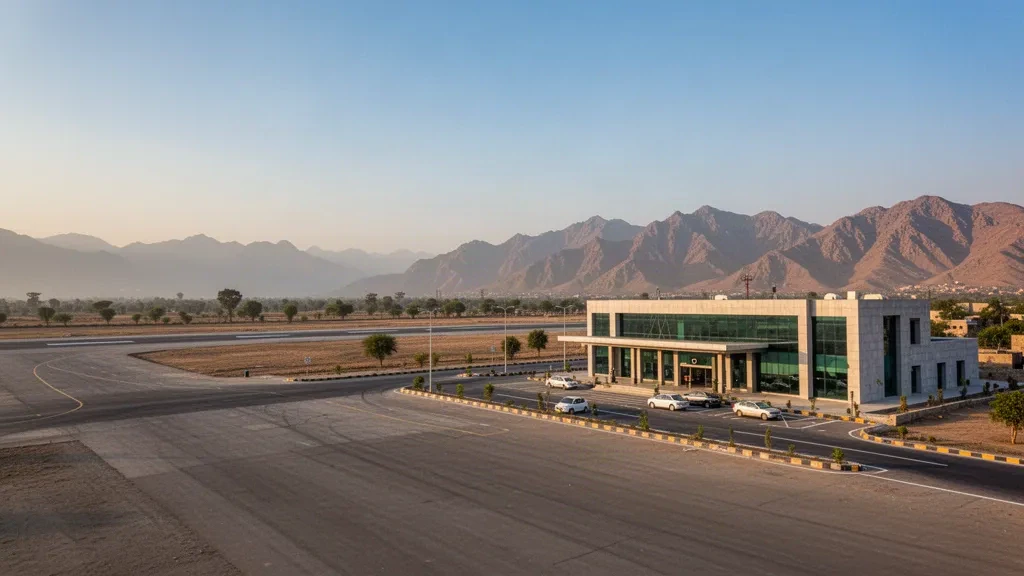
Bannu Airport (BNP)
Bannu Airport is a domestic airport serving Bannu and the surrounding Khyber Pakhtunkhwa region, located west of the city centre. The airport currently has no scheduled commercial flights, but road links connect the area with Bannu, Lakki Marwat, Dera Ismail Khan and Peshawar.
Bhagatanwala Airport (BHW)
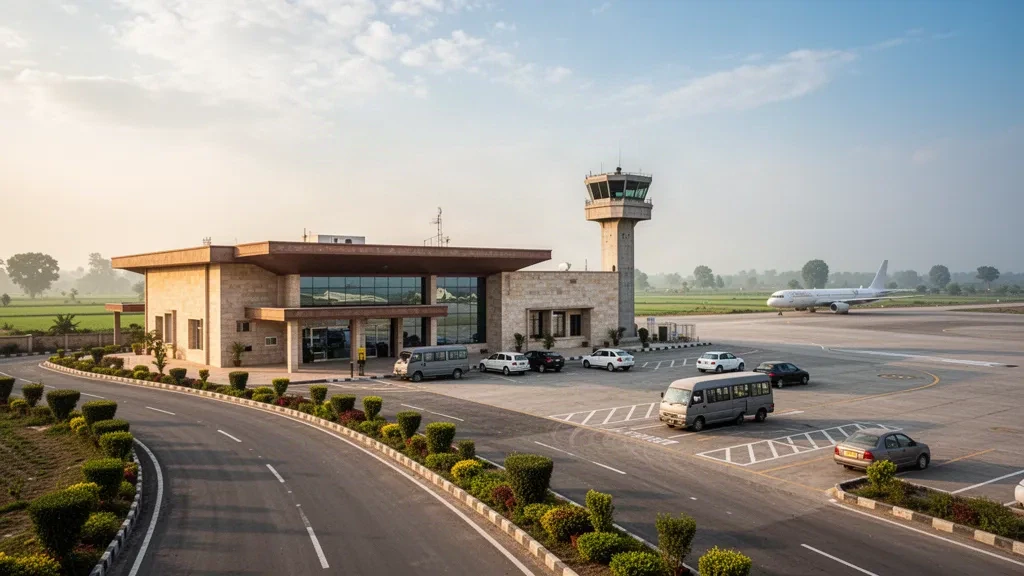
Bhagatanwala Airport is a small domestic gateway serving Sargodha and the surrounding Punjab region. Compare transfer options to Sargodha and nearby towns, and plan your onward journey with ease.
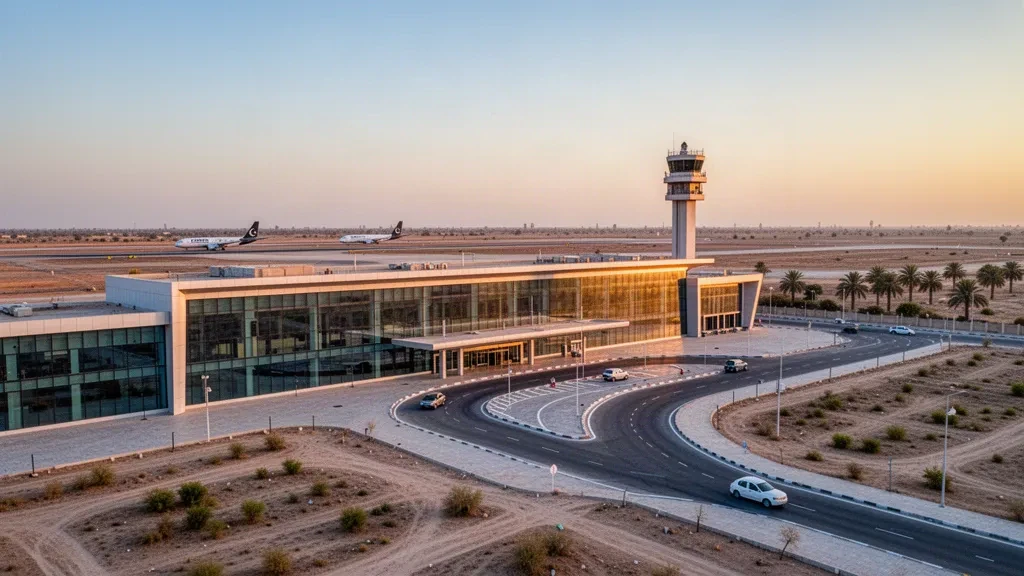
Bahawalpur Airport (BHV)
Bahawalpur Airport is the main gateway to Bahawalpur and the surrounding South Punjab region, serving domestic flights and connections to the Middle East. Compare transfer options to Bahawalpur city centre, the Cholistan Desert, Derawar Fort, and nearby areas.
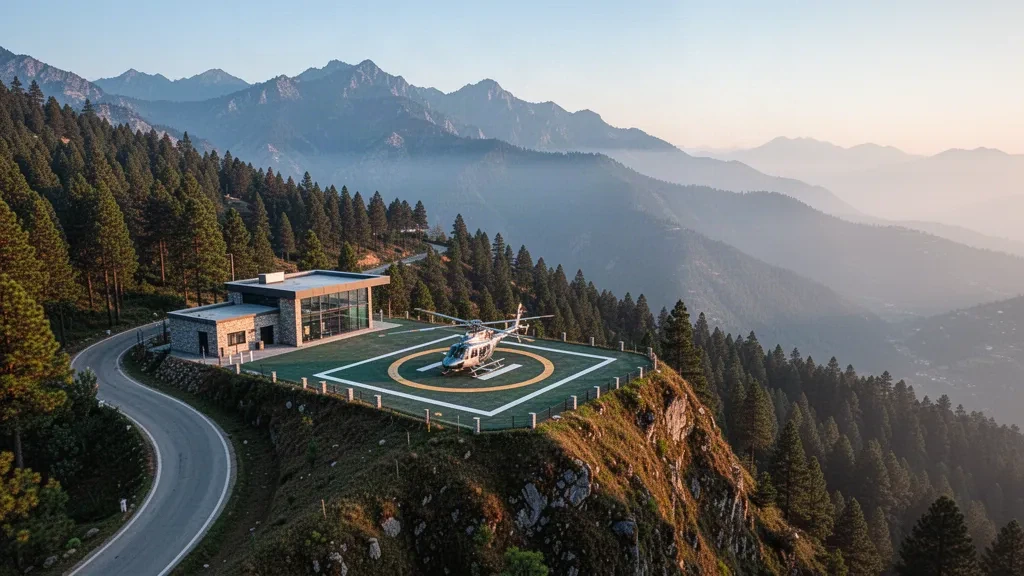
Bhurban Heliport (BHC)
Bhurban Heliport is a small helicopter gateway serving the hill resort area of Bhurban in the Murree Hills of Punjab, Pakistan. Compare transfer options to nearby Murree, local hotels and resorts, and onward road connections toward Islamabad and the surrounding hill region.