Calabar
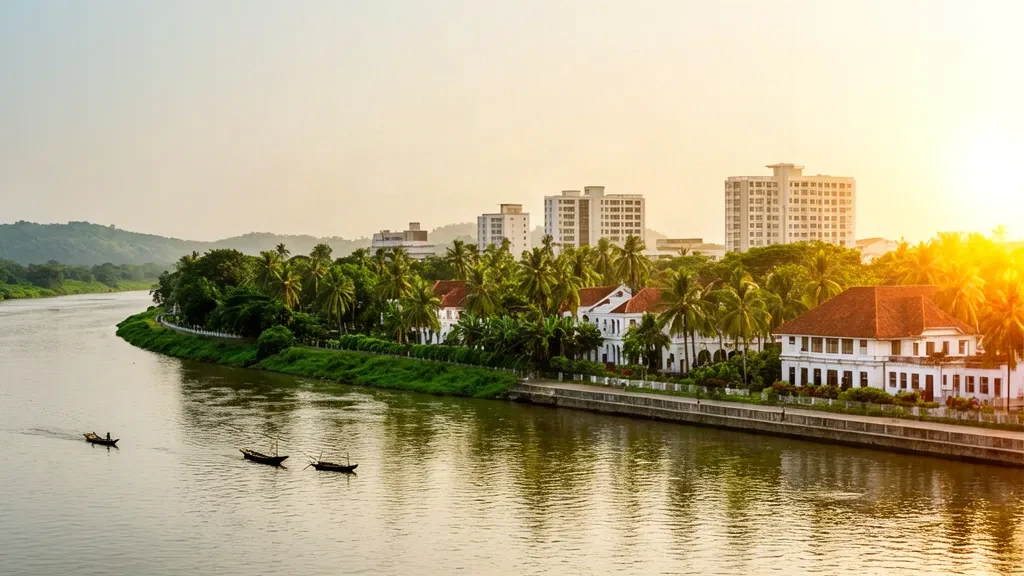
Calabar, capital of Cross River State in southern Nigeria, blends colonial history, riverfront scenery and a lively festival culture. Known for the Calabar Carnival and nearby rainforests, it is a welcoming gateway to southeastern Nigeria.
Passengers
Luggage
About Cross River
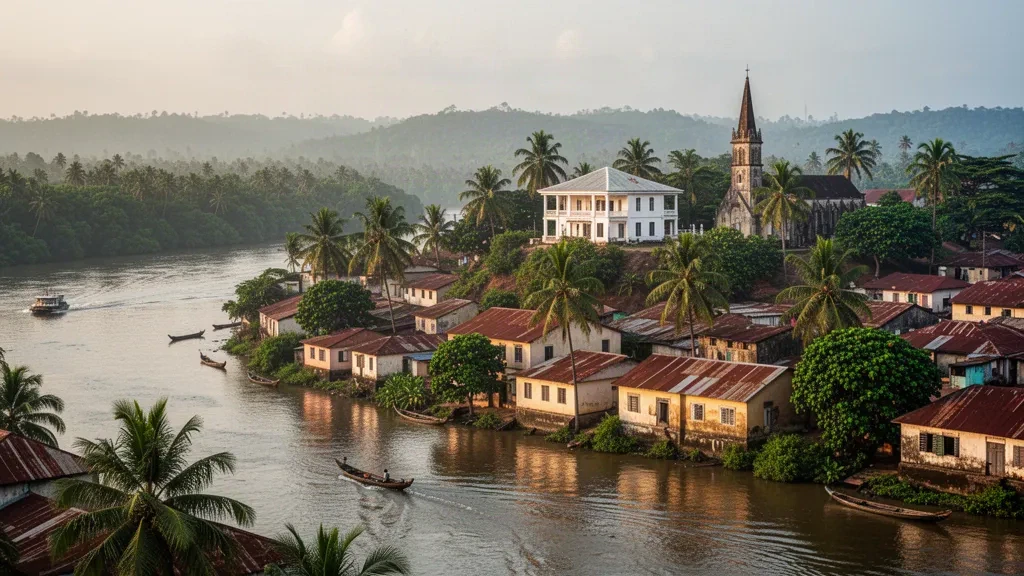
Calabar is the capital of Cross River State in southeastern Nigeria and a historic port city long associated with the Efik people. Known originally as Akwa Akpa, it sits near the Calabar River, the Great Kwa River and the Cross River estuary, and is widely regarded as one of the country's cleanest and most relaxed urban centres.
The city was a major Atlantic trade and palm oil centre and served as the seat of European administration in the Niger Delta until 1906. This legacy survives in landmarks such as the Old Residency, Duke Town Church and Mary Slessor's House, alongside several Nigerian firsts including the Hope Waddell Training Institution and St Margaret's Hospital.
Calabar is divided administratively into Calabar Municipal and Calabar South, with the Marina and Marian Road area forming the commercial core. Key attractions include the Slave History Museum, the National Museum, the Calabar Museum and the Tinapa Resort, while the Drill Rehabilitation Centre offers a close look at endangered drill monkeys.
As a business hub, Calabar hosts the Calabar Free Trade Zone, a seaport and the University of Calabar, and is a gateway to Cross River National Park, Kwa Falls and the Obudu Plateau. The December Calabar Carnival draws large crowds each year and anchors a lively calendar of events.
For visitors, the city combines a walkable waterfront, Efik cuisine such as Edikang Ikong and Afang soup, and easy access to rainforest and highland excursions. This mix of heritage, commerce and nature makes Calabar relevant for both leisure travellers and business visitors.
Cross River Travel Guide
Best Time to Visit
The dry season from November to March is the most comfortable period for sightseeing, with December drawing large crowds for the Calabar Carnival. Heavy rains between June and September can disrupt outdoor plans, though the city remains green and lively year-round.
How to Get Around
Calabar is served by taxis, shared minibuses, tricycles known locally as keke and motorcycle taxis. For flexible travel around the city and trips to attractions, private drivers or rental cars are practical options.
Where to Stay
Calabar Municipal, especially around Marian Road and the Marina, offers convenient access to hotels, restaurants and the waterfront. Calabar South suits budget-conscious visitors, while the Tinapa area is useful for business travellers and shoppers.
Food & Drink
Local Efik cooking is the highlight, with dishes such as Edikang Ikong, Afang soup, fisherman soup and fresh seafood widely available. Neighbourhood restaurants, roadside chop houses and hotels serve both regional specialities and familiar Nigerian staples.
Ground Transportation Services in Cross River
Airport Transfers
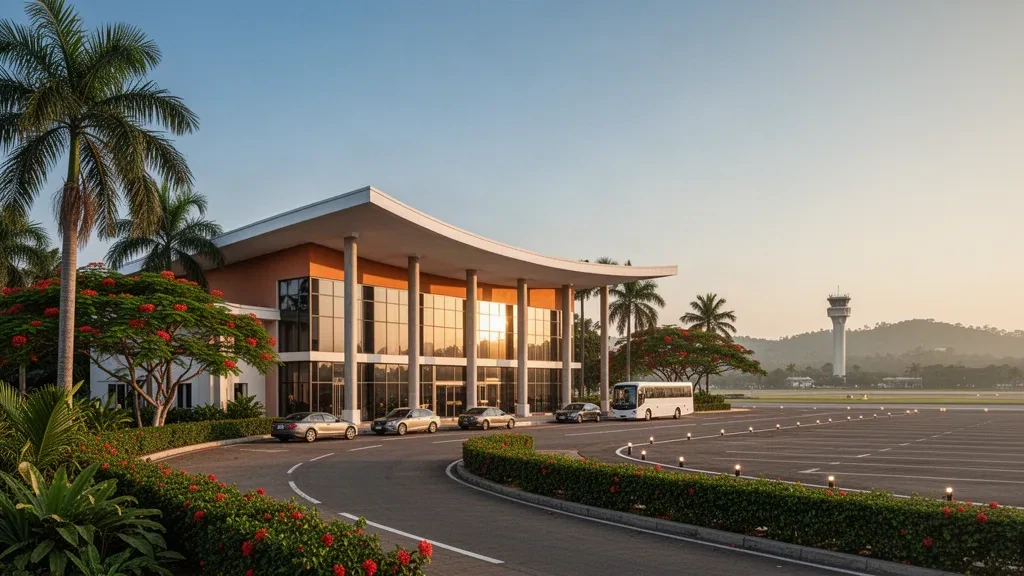
Travel between Margaret Ekpo International Airport and hotels, the Calabar Marina, Tinapa Resort, business areas and other destinations across the city.
Hourly Chauffeur
Book a private chauffeur by the hour for business meetings, carnival events, sightseeing and flexible travel around Calabar.
Car Rental
Rent a car in Calabar for independent city travel and convenient journeys to Cross River National Park, Kwa Falls or the Obudu Plateau.
Bus & Group Transfers
Arrange minibuses or charter buses for groups attending the Calabar Carnival, conferences, tours and airport transfers.
Frequently Asked Questions
Related Cities in Nigeria
View all
Zamfara
Zamfara, in northwestern Nigeria, is a land of historic emirates, vibrant Hausa culture and bustling markets set against savannah and rolling hills.
Yobe
Yobe, in northeastern Nigeria, is a place of Sahelian landscapes, historic settlements and a cultural heritage shaped by trade and community life.
Jalingo
Jalingo, the capital of Taraba State, is a lively agricultural and commercial hub in north-eastern Nigeria. Its diverse communities and position near the Mambilla Plateau and Gashaka Gumti National Park make it a practical base for exploring the region.