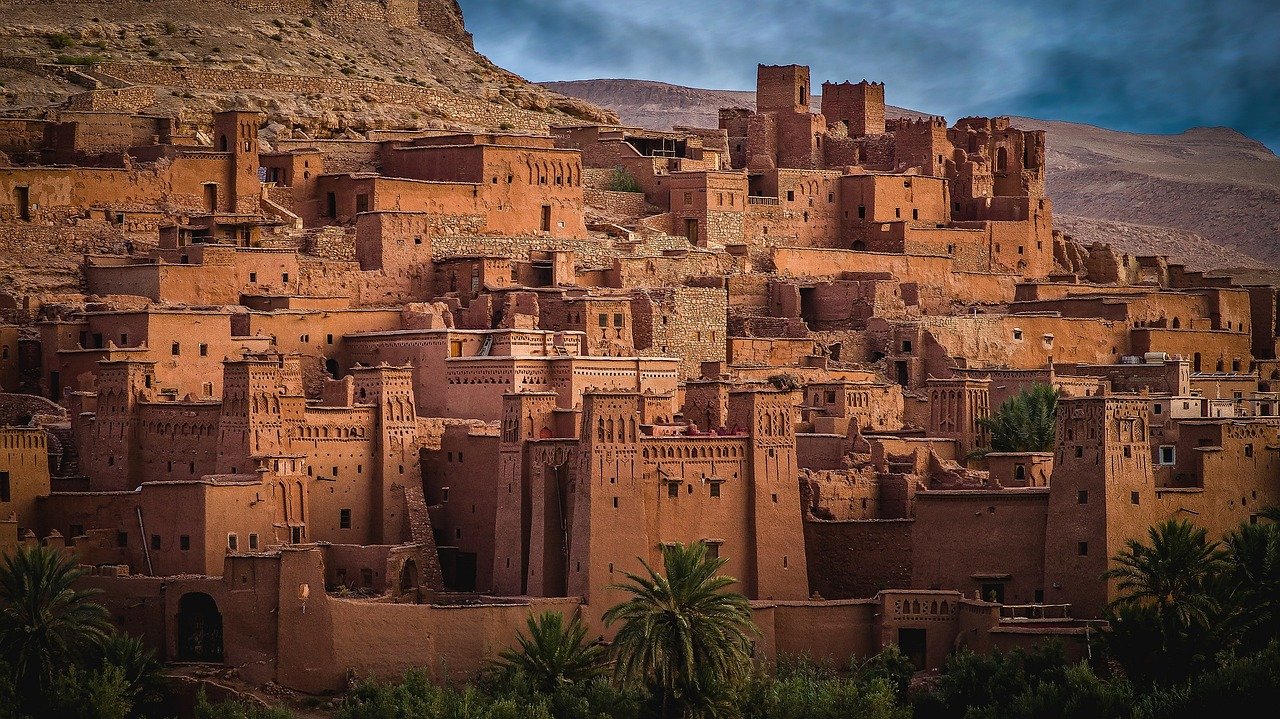
Tangier
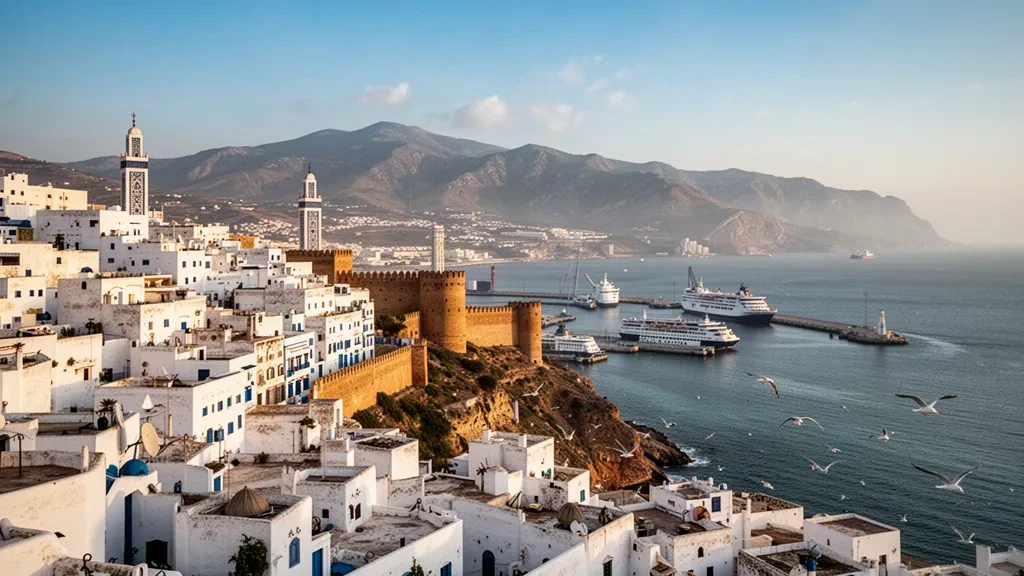
Tangier, a storied port city where Africa meets Europe, pairs a labyrinthine medina and sweeping Atlantic-Mediterranean views with a cosmopolitan literary past and vibrant cafe culture.
Passengers
Luggage
About Tanger-Tétouan-Al Hoceïma
Tangier is Morocco's principal northern port city and the capital of the Tanger-Tétouan-Al Hoceïma region. Overlooking the Strait of Gibraltar, it sits where the Atlantic and Mediterranean meet, giving the city a long history as a crossroads between Africa and Europe. Its hilltop kasbah, whitewashed medina and broad modern boulevards reflect this layered identity.
Founded as the Phoenician settlement of Tingis and later a Roman provincial capital, Tangier passed through Portuguese, English and Spanish control before becoming an international zone in the 20th century. That period left a cosmopolitan character still visible in its architecture, literary heritage and multilingual culture. The medina's Grand Socco and Petit Socco, the Kasbah Museum and the American Legation Museum anchor the historic core.
Beyond the old town, landmarks such as Cape Spartel, the Caves of Hercules and the beaches along Malabata and Achakar show the city's Atlantic and Mediterranean setting. Modern neighbourhoods such as the city centre and Marshan offer cafés, hotels, restaurants and views over the bay.
Tangier is also a major economic centre, connected to the Tanger Med port complex and nearby free zones that support automotive, logistics and export industries. This commercial energy, together with conferences, events and growing tourism, makes the city relevant for business travellers as much as holiday visitors.
Whether arriving for a short break, a cultural visit or a business trip, Tangier offers a distinctive mix of history, coastal scenery and modern development at the gateway to Morocco.
Tanger-Tétouan-Al Hoceïma Travel Guide
Best Time to Visit
Spring (April to June) and autumn (September to early November) bring mild weather and comfortable sightseeing in Tangier's medina and along the coast. Summer is warmest and busiest around the beaches, while winter is cooler and quieter.
How to Get Around
Tangier is compact enough to explore the medina and waterfront on foot, while petit taxis, larger taxis and local buses connect the city centre, Malabata, Marshan and the airport area. Car rental and private drivers are useful for trips to Cape Spartel, the Caves of Hercules or Tanger Med.
Where to Stay
The medina and kasbah offer characterful riads and guesthouses close to the main historic sights, while the modern city centre and Malabata have larger hotels, beachfront properties and convenient access to restaurants and the port.
Food & Drink
Tangier blends Moroccan, Mediterranean and Andalusian influences, from fresh seafood and tagines to mint tea, pastries and street food. Cafés around the Grand Socco and restaurants in the medina and Malabata serve both traditional and contemporary dishes.
Ground Transportation Services in Tanger-Tétouan-Al Hoceïma
Airport Transfers
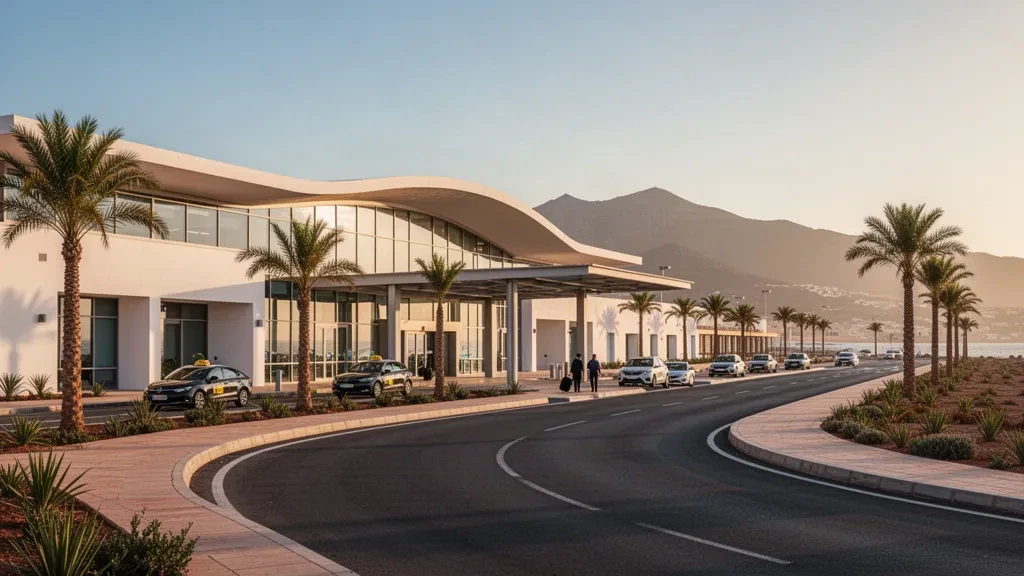
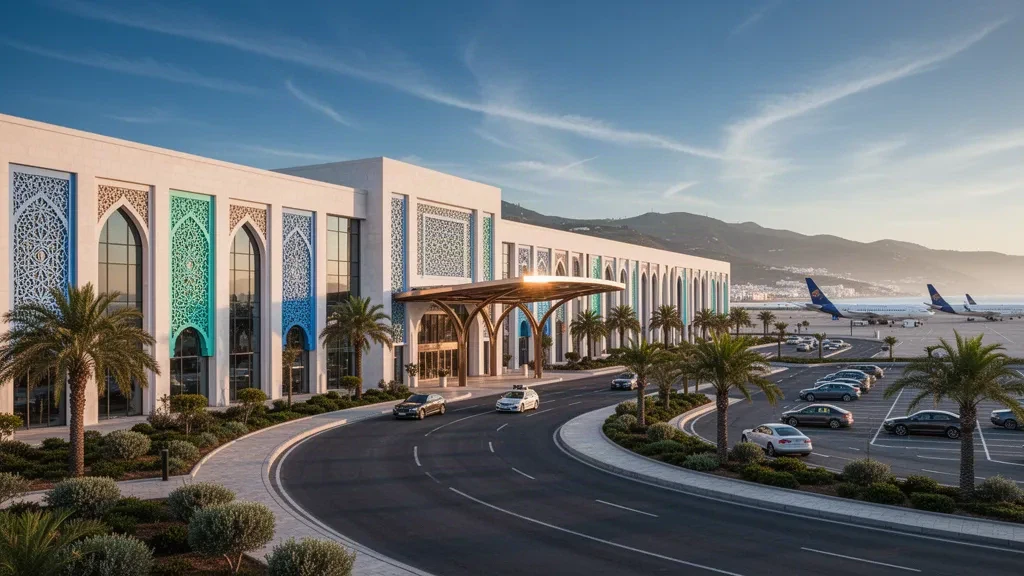
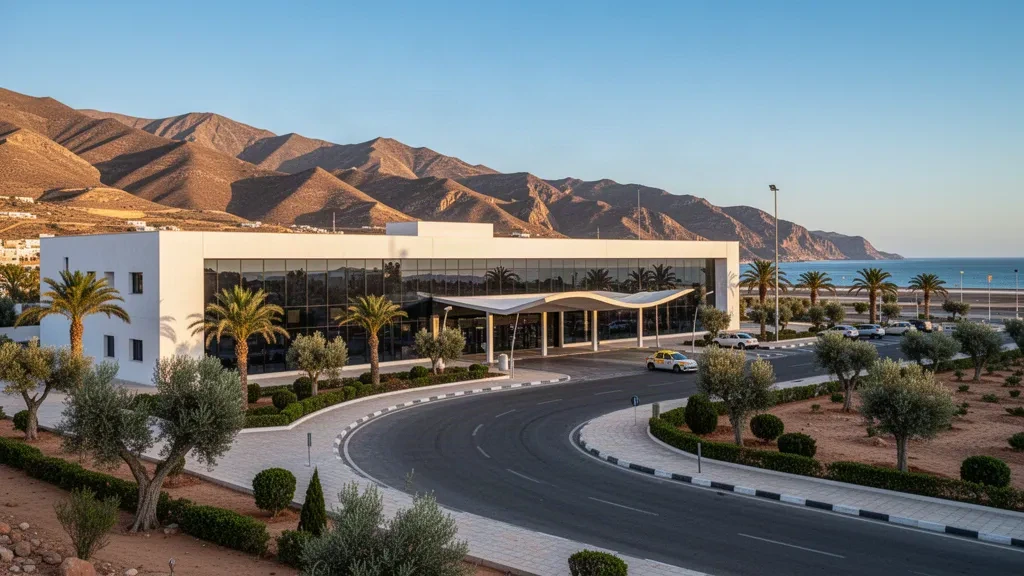
Travel between Tangier Ibn Battouta Airport and hotels, the medina, city centre, business areas and other destinations across Tangier and the surrounding region.
Hourly Chauffeur
Book a private chauffeur by the hour for business meetings, events, sightseeing at Cape Spartel and the Caves of Hercules, or flexible travel around Tangier.
Car Rental
Rent a car in Tangier for independent travel along the coast and convenient day trips to nearby destinations such as Asilah, Tétouan or Cape Spartel.
Bus & Group Transfers
Arrange minibuses or charter buses for groups, corporate travel, events, airport transfers and guided tours in Tangier and the Tanger-Tétouan-Al Hoceïma region.
Airports in Tanger-Tétouan-Al Hoceïma
Frequently Asked Questions
Related Cities in Morocco
View all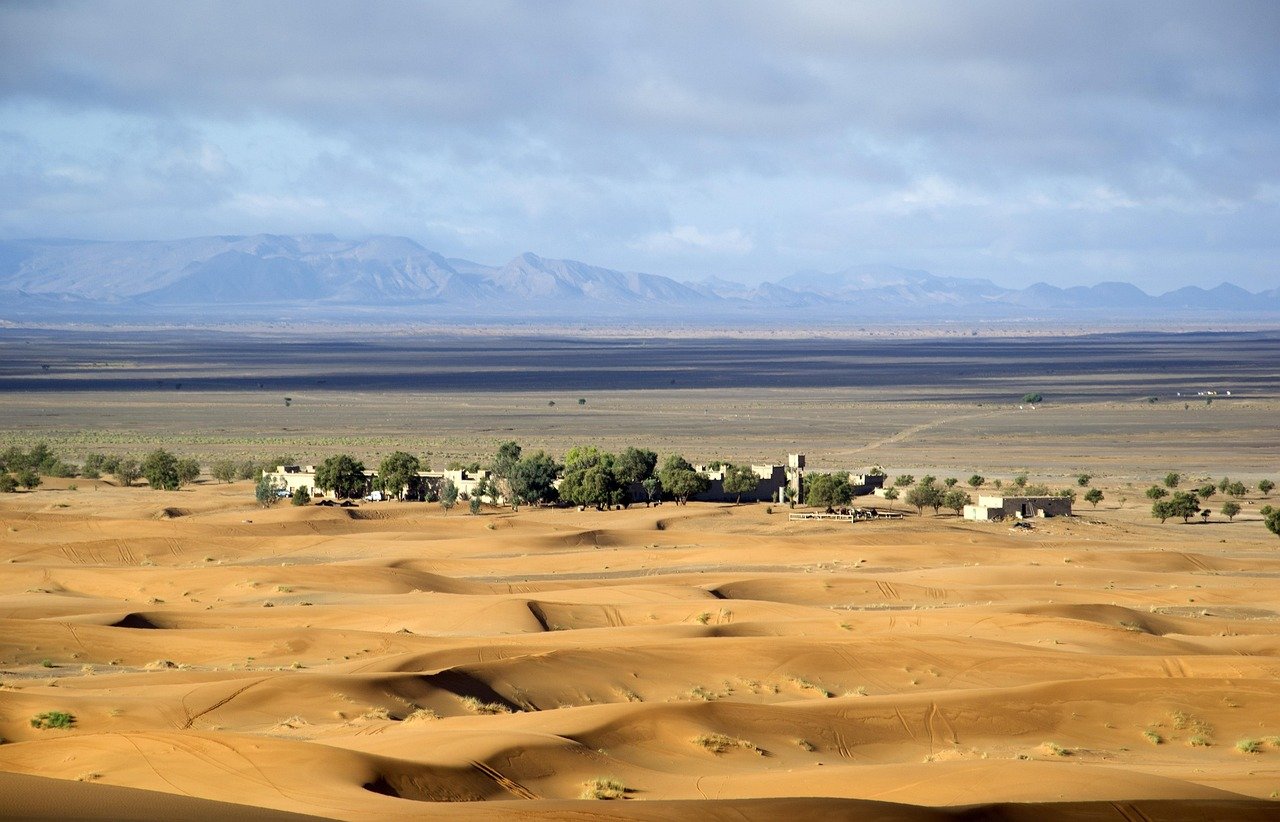
Zagora
Zagora, a desert town in southeastern Morocco, is a gateway to the Sahara, framed by Draa Valley palm groves, earthen kasbahs and a deep Amazigh heritage. It has long been a starting point for desert caravans and journeys into the dunes.
Youssoufia
A mining town in western Morocco, Youssoufia grew around phosphate extraction and remains tied to the agricultural plains of the Doukkala region. Its markets, cafés and streets offer a low-key look at daily life away from the tourist trail.
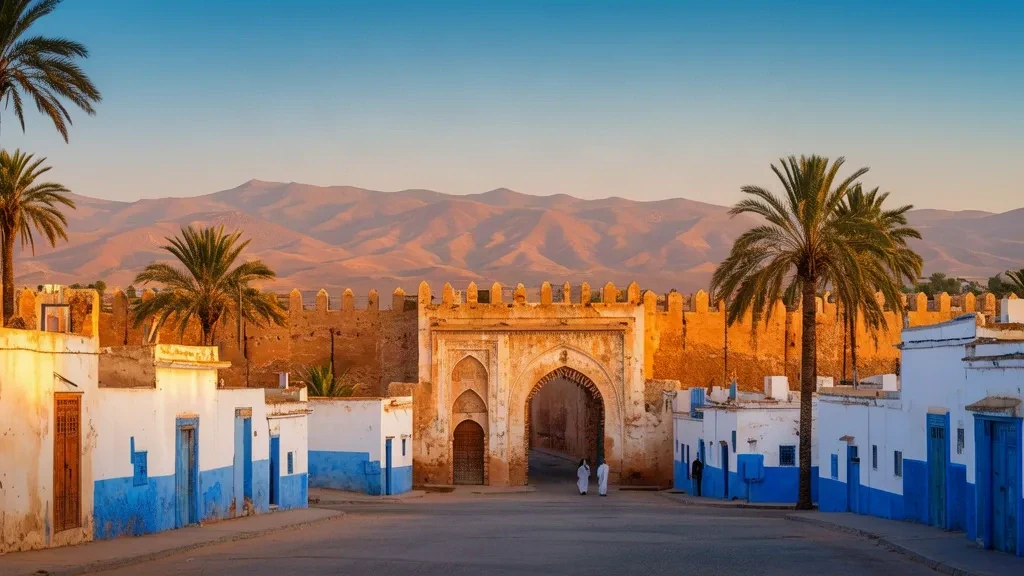
Tiznit
Tiznit, a walled city in southern Morocco, is known for its traditional silver craftsmanship, historic ramparts and Berber heritage. Its medina, lively souks and proximity to the Anti-Atlas Mountains and Atlantic coast give it a distinctive, unhurried character.