Ulaanbaatar
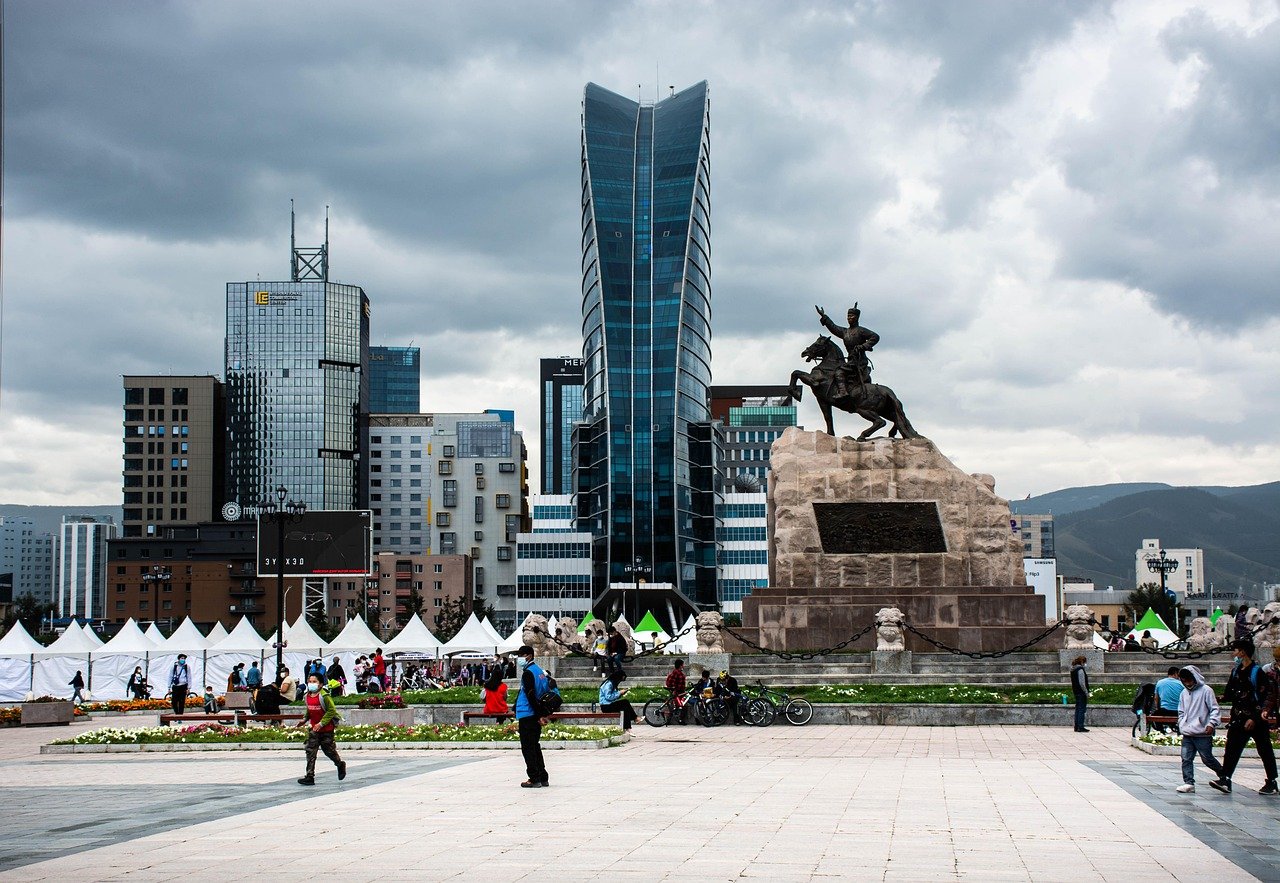
Ulaanbaatar, Mongolia's capital, lies in a valley along the Tuul River, where Buddhist monasteries, Soviet-era architecture and a growing modern skyline meet the open steppe.
Passengers
Luggage
About Ulaanbaatar
Ulaanbaatar is Mongolia's capital and largest city, home to roughly half the country's population. Set in the Tuul River valley and surrounded by mountains, it is the political, economic and cultural heart of Mongolia, blending a nomadic past with rapid urban growth.
The city traces its origins to a movable monastic settlement and took its current site in the late 18th century; its name means "Red Hero". Sükhbaatar Square, Gandantegchinlen Monastery and the National Museum of Mongolia reflect its Buddhist heritage and modern history.
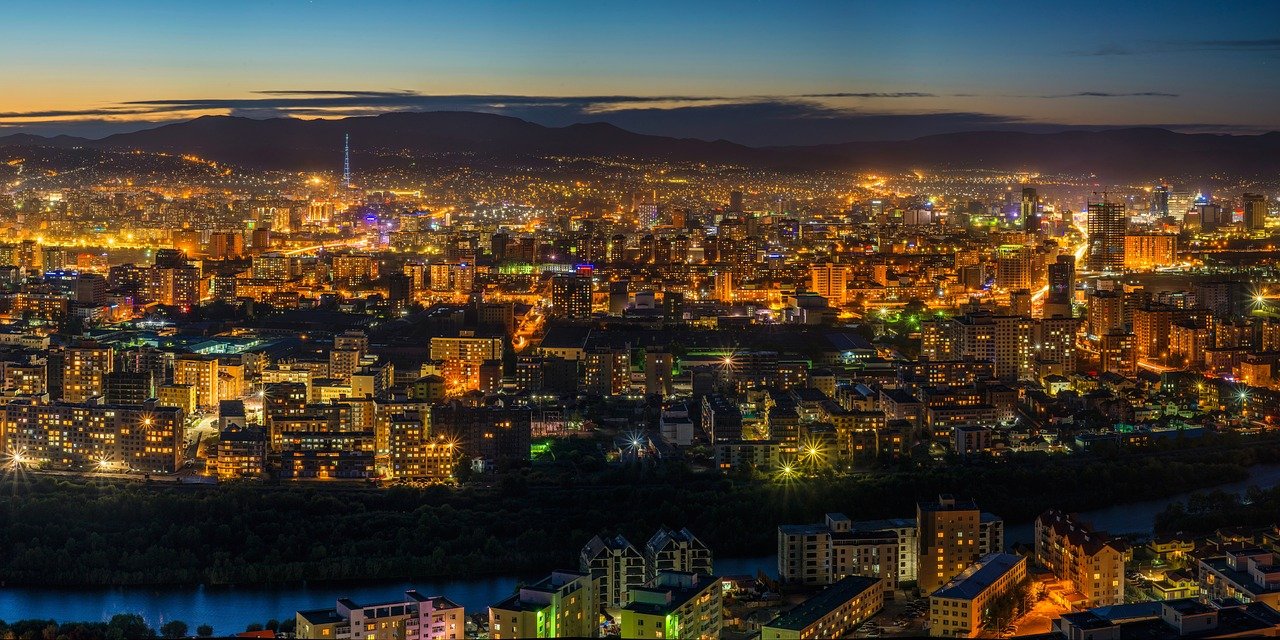
Central districts such as Sükhbaatar and Chingeltei hold government buildings, museums, theatres and the State Department Store, while sprawling ger districts on the city's fringes show the scale of rural migration. The Zaisan Memorial offers panoramic views, and nearby Bogd Khan Mountain is a popular green space.
Ulaanbaatar is the gateway for business, mining, finance and international conferences in Mongolia, as well as for trips into the countryside, national parks and the Gobi. Its cafés, restaurants and live music scene, together with the Naadam festival in July, attract both leisure and business visitors.
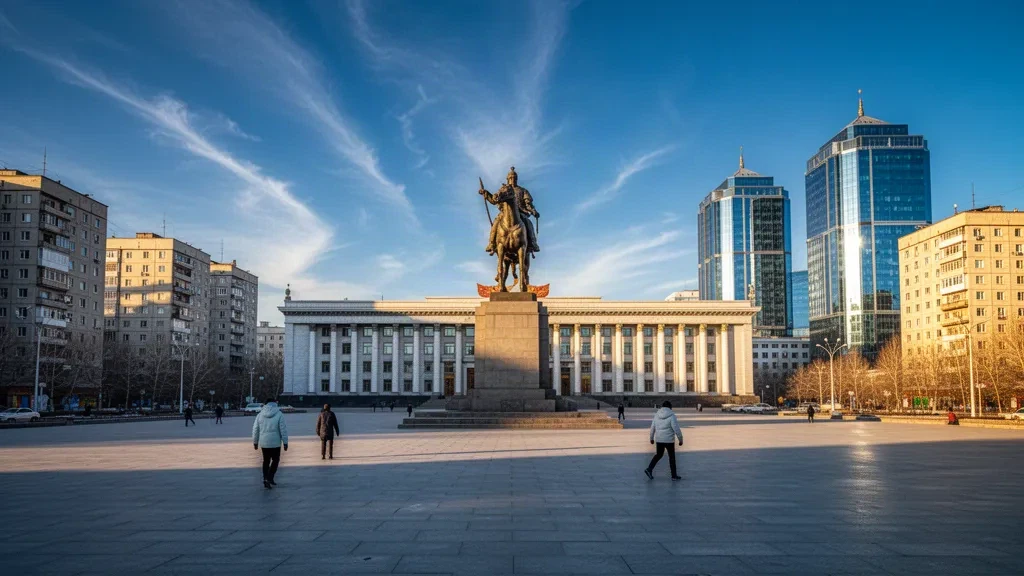
The city's extreme continental climate and contrasts between monasteries, Soviet-era blocks, modern towers and yurt neighbourhoods make it one of Asia's most distinctive capitals.
Ulaanbaatar Travel Guide
Best Time to Visit
Summer from June to August is the warmest and busiest period, coinciding with the Naadam festival in July. Spring and early autumn bring cooler but pleasant weather with fewer crowds, while winter is very cold and best for travellers who enjoy snow and a quieter city.
How to Get Around
Ulaanbaatar has a growing public transport system of buses and trolleybuses, plus taxis and ride-hailing apps. Many central sights are walkable, but private transfers and rental cars are useful for reaching the new airport and nearby countryside.
Where to Stay
Sükhbaatar district is convenient for central landmarks, government buildings and business areas, while the areas around the State Department Store offer easy access to shopping and restaurants. For a quieter stay, hotels near the Tuul River or in southern districts provide a calmer base.
Food & Drink
Mongolian food centres on mutton, beef, dumplings such as buuz and khuushuur, and dairy products like airag in summer. Ulaanbaatar also has a wide range of Korean, Chinese and international restaurants, along with modern cafés, bars and live music venues.
Ground Transportation Services in Ulaanbaatar
Airport Transfers
Travel between Chinggis Khaan International Airport and hotels, business districts and other destinations across Ulaanbaatar with a pre-booked private transfer.
Hourly Chauffeur
Book a private chauffeur by the hour for business meetings, events, sightseeing and flexible travel around Ulaanbaatar.
Car Rental
Rent a car in Ulaanbaatar for independent travel around the city and convenient journeys to destinations in the surrounding countryside.
Bus & Group Transfers
Arrange minibuses or charter buses for groups, corporate travel, events, airport transfers and tours in and around Ulaanbaatar.
Frequently Asked Questions
Related Cities in Mongolia
View all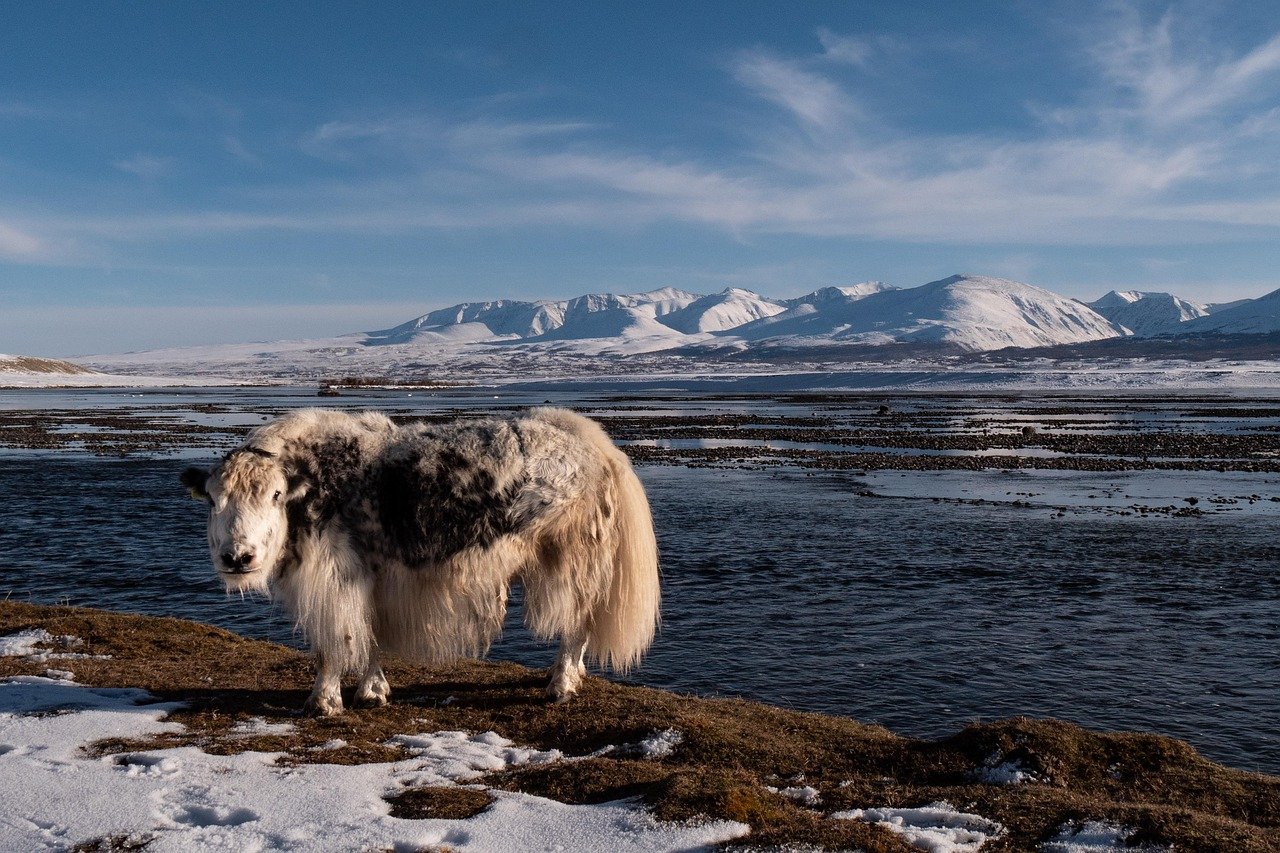
Zavkhan
Zavkhan, in western Mongolia, is a vast and sparsely populated destination of open steppe, forested mountains and remote lakes, where nomadic traditions remain strong.
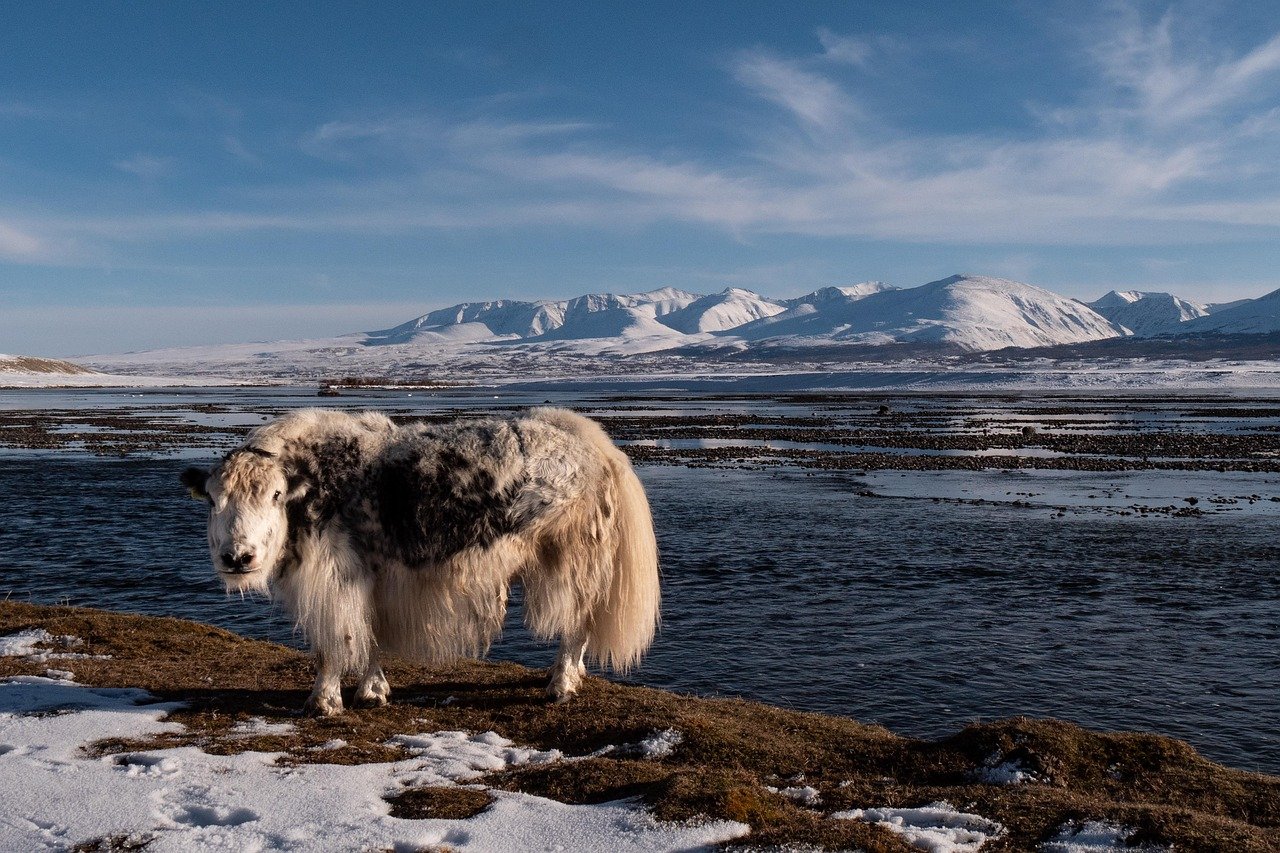
Uvs
Uvs stretches across western Mongolia, where open steppe, sand dunes and the vast saltwater reach of Uvs Lake meet the foothills of the Altai. Its protected basin, nomadic herding traditions and mixed Kazakh, Tuvan and Mongol heritage give the area a character found nowhere else in the country.
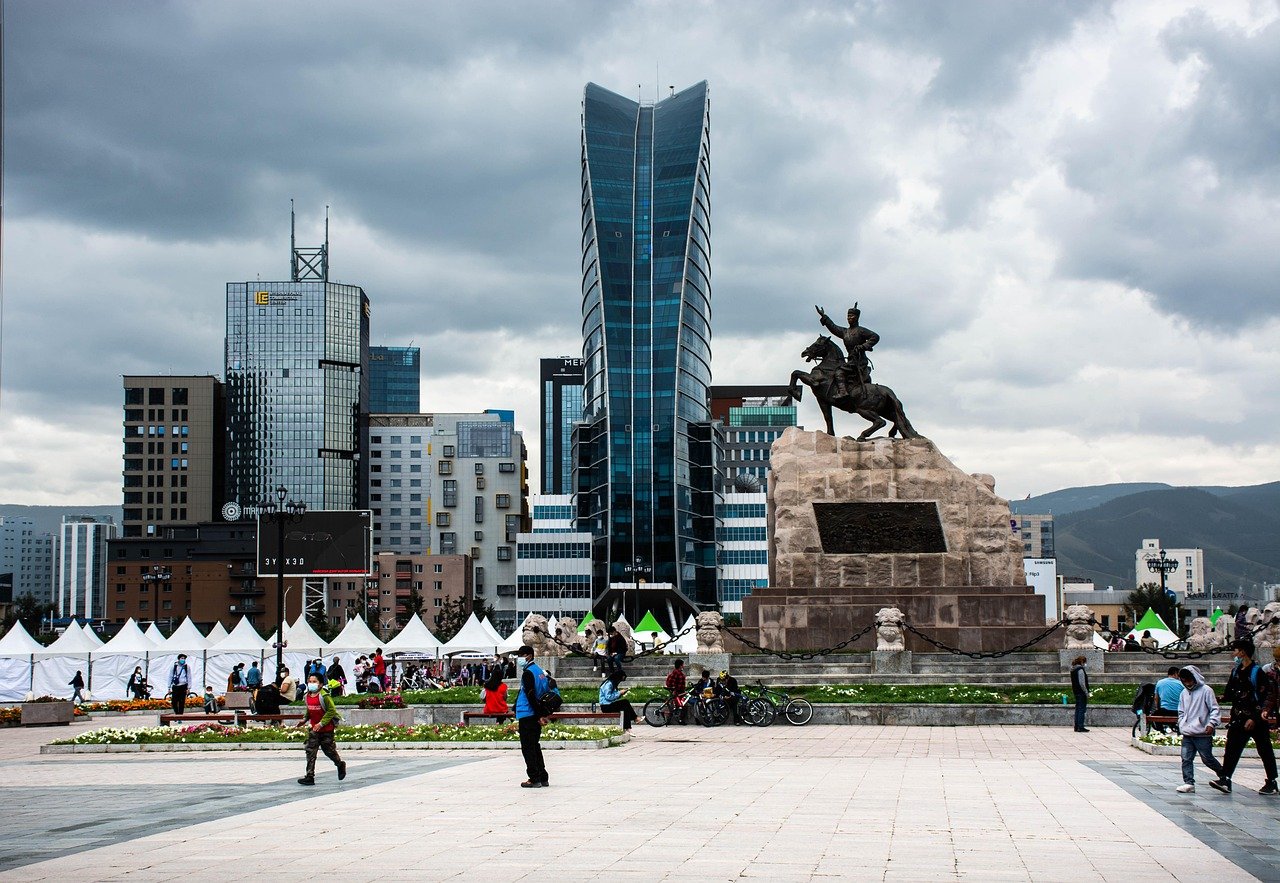
Zuunmod
Zuunmod, the capital of Mongolia's Töv Province, blends a quiet provincial pace with Buddhist heritage, wide steppe landscapes and easy access to the capital, Ulaanbaatar.
Airports in Mongolia
View all airports in the country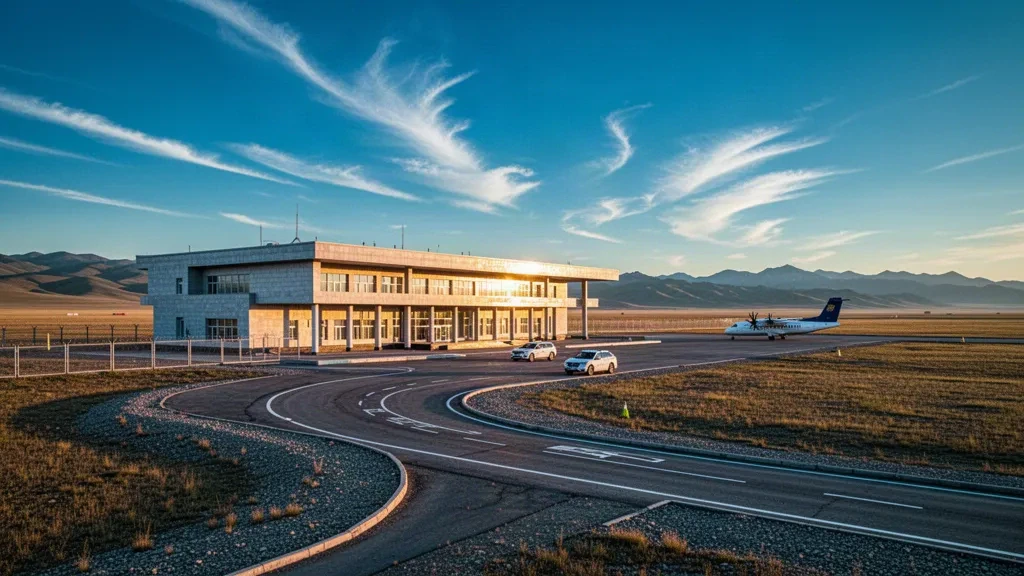
Bayankhongor Airport (BYN)
Bayankhongor Airport is the main air gateway to Bayankhongor town and the wider Bayankhongor Province in central Mongolia. Compare transfer options to the city centre and plan onward connections to Ulaanbaatar and other regional destinations.
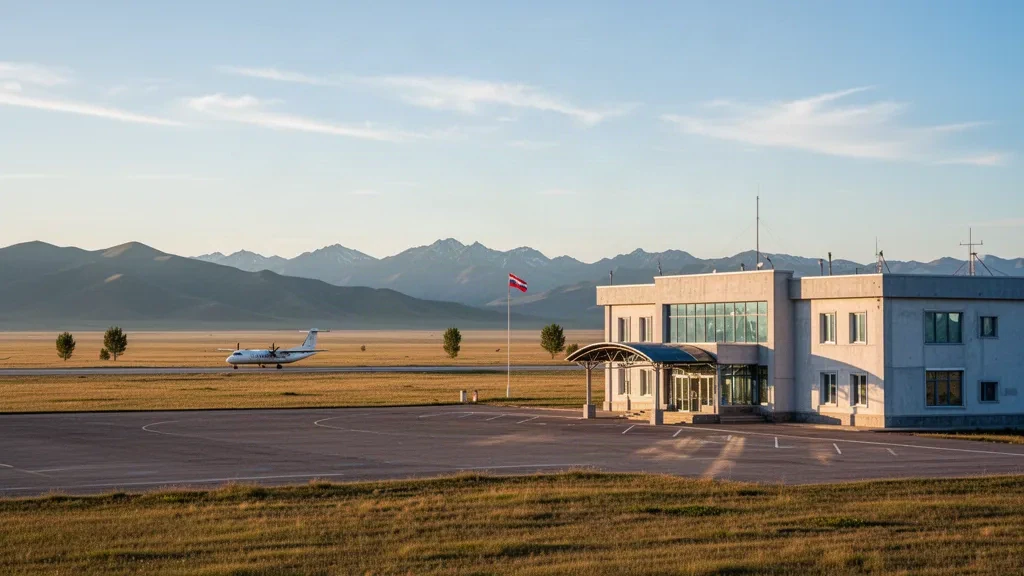
Arvaikheer Airport (AVK)
Arvaikheer Airport is a small domestic gateway serving Arvaikheer, the capital of Övörkhangai Province in central Mongolia. Compare transfer options into the town centre and plan your onward journey across the surrounding region.