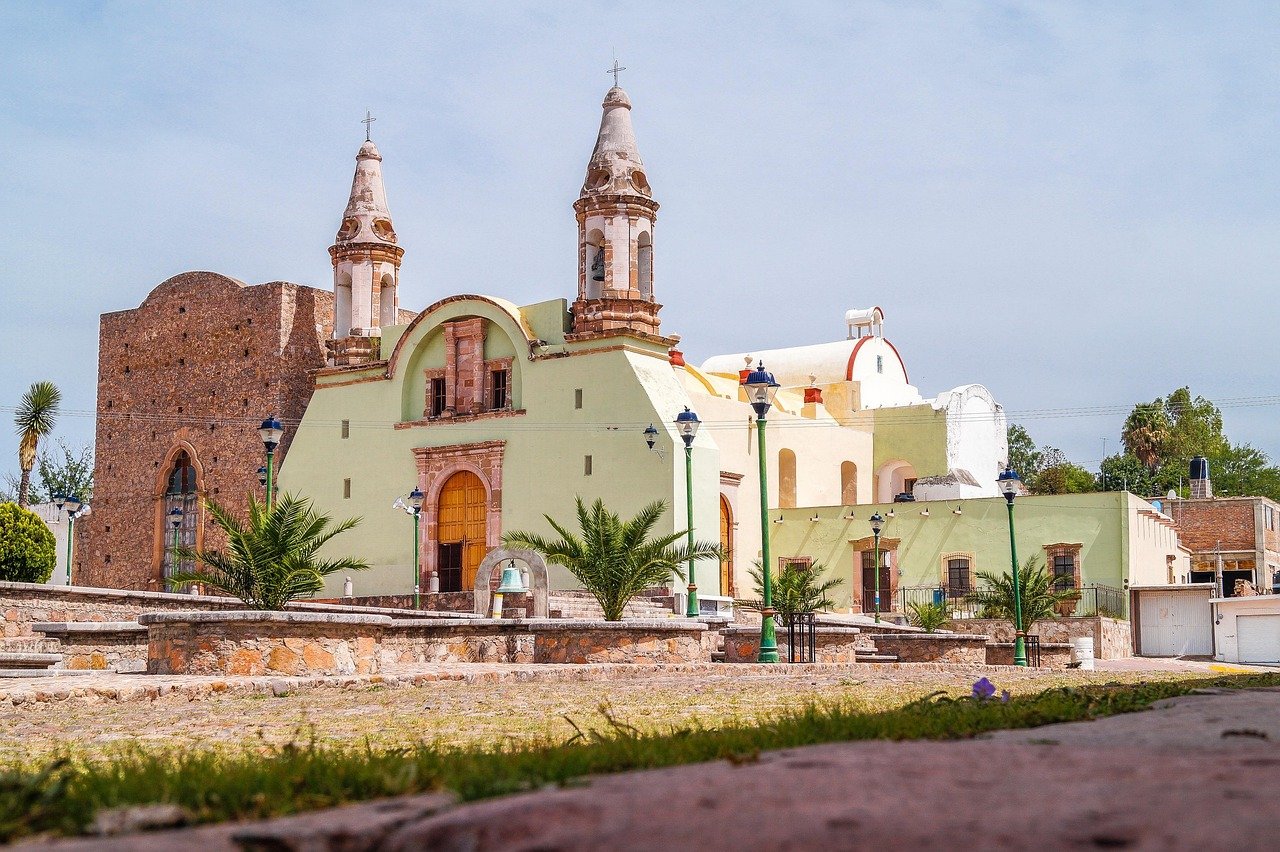
San Luis Potosí
San Luis Potosí, a historic mining city in central Mexico, pairs baroque churches and colonial plazas with a lively arts and culinary scene.
Passengers
Luggage
About San Luis Potosí
San Luis Potosí is the capital of the central Mexican state of the same name, set on a high plateau in the Bajío region. Its historic centre, part of the UNESCO-listed Camino Real de Tierra Adentro, combines colonial churches, plazas and baroque buildings with the steady pulse of a growing industrial city.
The city's past remains visible across the Centro Histórico, where the twin-towered Catedral Metropolitana faces Plaza de Armas, and nearby landmarks such as Teatro de la Paz, the Palacio de Gobierno and the Templo del Carmen frame a walkable colonial core. Museums including the Museo Nacional de la Máscara, the Museo Federico Silva and the Museo del Ferrocarril give the centre its cultural depth.
Beyond the centre, the city spreads into contrasting districts. Tequisquiapan and the Avenida Carranza corridor are known for cafés, restaurants and nightlife, while Lomas and the Tangamanga area offer residential calm and shopping. Parque Tangamanga I and II are among Mexico's largest urban parks, home to the Laberinto Museum of Science and Arts and to sports and recreation areas.
San Luis Potosí is also a major automotive and manufacturing hub in the Bajío, with large plants and a growing logistics and services sector. This economic role brings steady business travel, conferences and industrial visits, while the city's festivals, food scene and historic centre support leisure tourism.
For both leisure and business travellers, San Luis Potosí offers an easy-to-navigate highland destination with colonial character, modern infrastructure and a central location between Mexico City, Guadalajara and Monterrey.
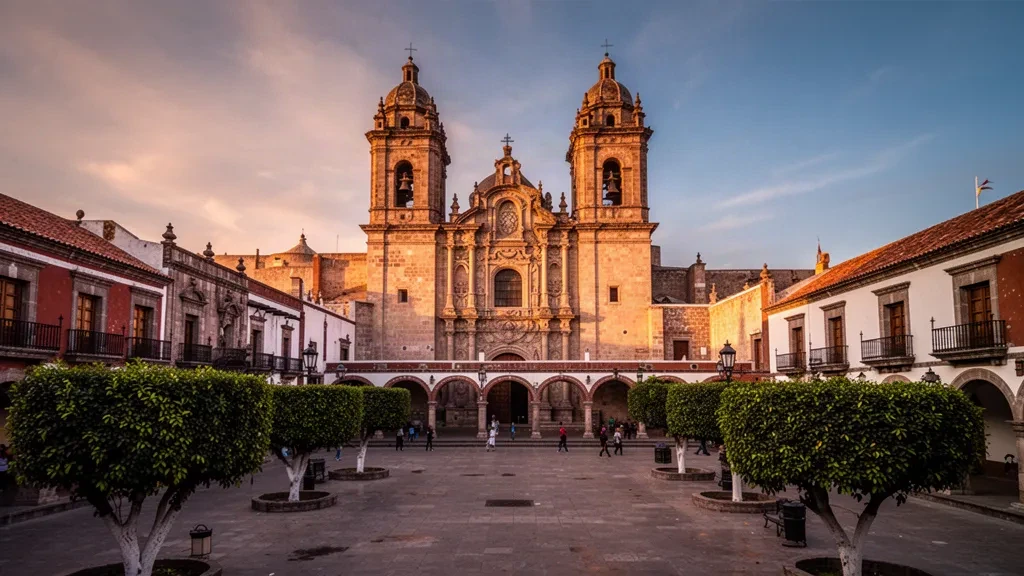
San Luis Potosí Travel Guide
Best Time to Visit
San Luis Potosí has mild highland weather for much of the year, making it comfortable for walking and sightseeing. October to November and March to May are particularly pleasant, while summer afternoons can bring rain.
How to Get Around
The compact Centro Histórico is best explored on foot, while taxis, ride-hailing apps, buses and rental cars connect the wider city. There is no metro, so visitors heading to parks, shopping areas or industrial zones often use private cars or local taxis.
Where to Stay
Stay in the Centro Histórico for easy access to plazas, museums and landmarks. The Avenida Carranza–Tequisquiapan area suits dining and nightlife, while Lomas, Tangamanga and business districts offer modern hotels convenient for the industrial corridor.
Food & Drink
Local food centres on enchiladas potosinas, gorditas, tacos and regional dishes served in markets, fondas and restaurants across the city. Try cafés around the centre and local markets, and sample the state's mineral water, Agua de Lourdes.
Ground Transportation Services in San Luis Potosí
Airport Transfers
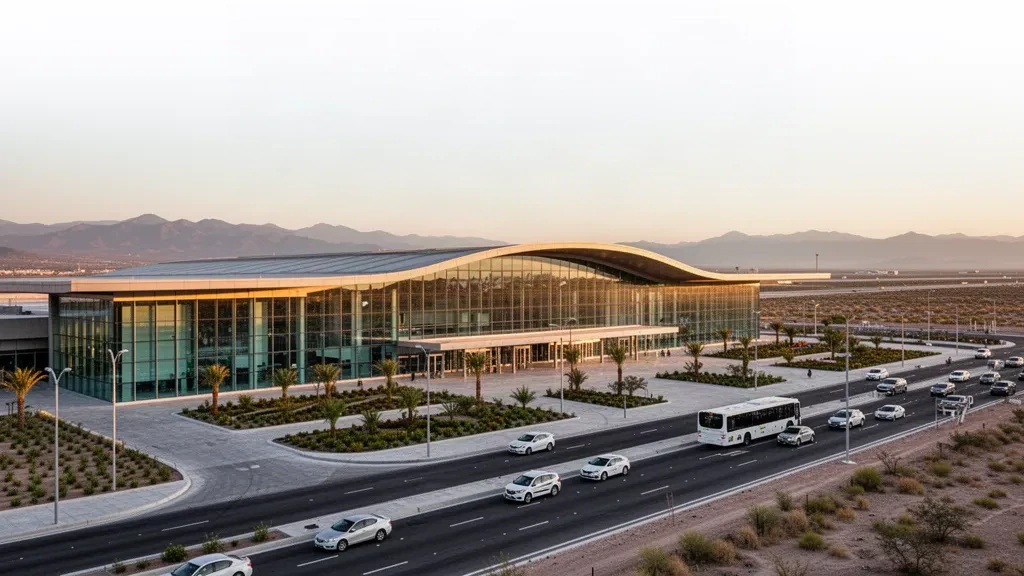
Travel between San Luis Potosí International Airport and hotels, the Centro Histórico, business districts and industrial parks across the city.
Hourly Chauffeur
Book a private chauffeur by the hour for business meetings, industrial visits, events and flexible sightseeing around San Luis Potosí.
Car Rental
Rent a car in San Luis Potosí for independent travel around the city and convenient journeys to nearby Bajío destinations.
Bus & Group Transfers
Arrange minibuses or charter buses for groups, corporate travel, events, airport transfers and tours in San Luis Potosí.
Frequently Asked Questions
Related Cities in Mexico
View all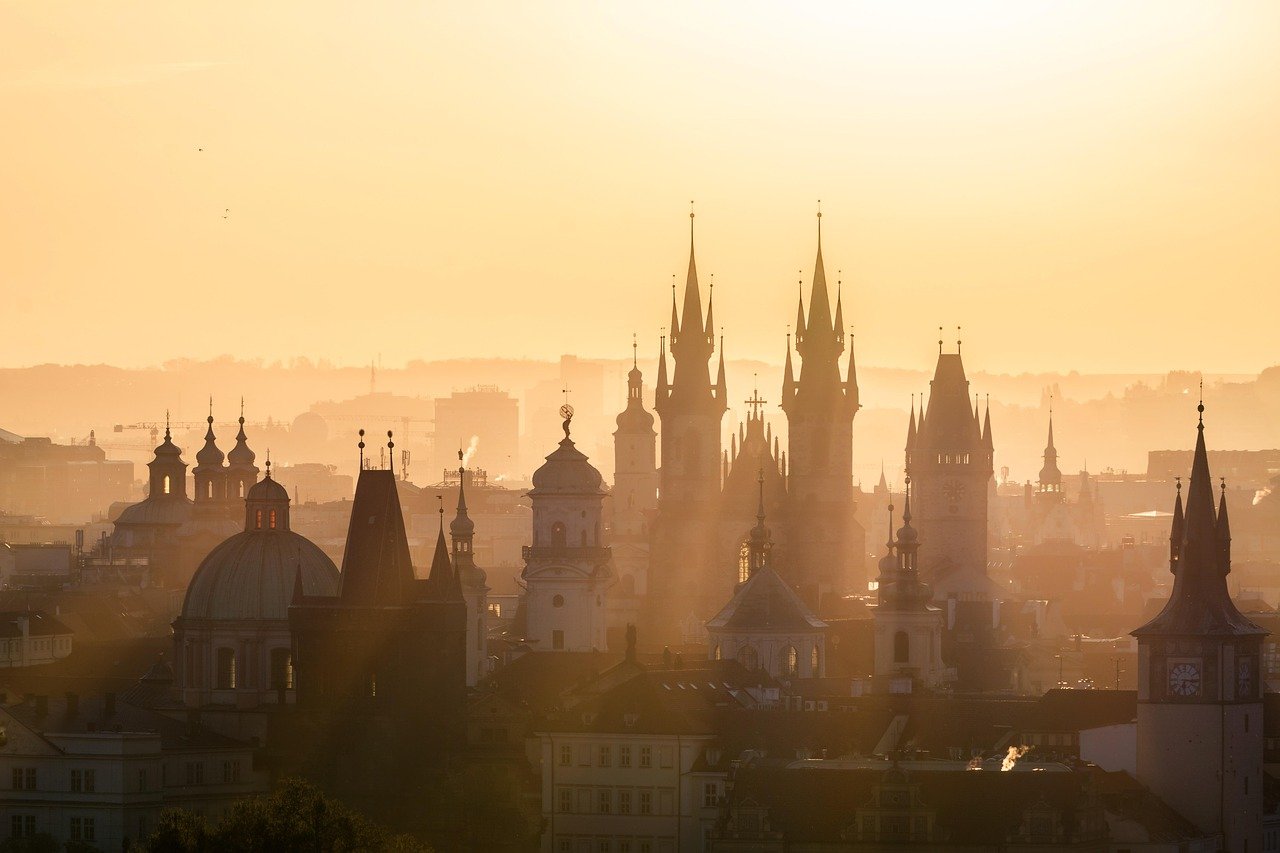
Zacatecas
Zacatecas is a historic silver-mining city in central Mexico, known for its Baroque architecture, steep streets and lively cultural scene. Its UNESCO-listed centre, museums and hilltop viewpoints give it a distinctive character.
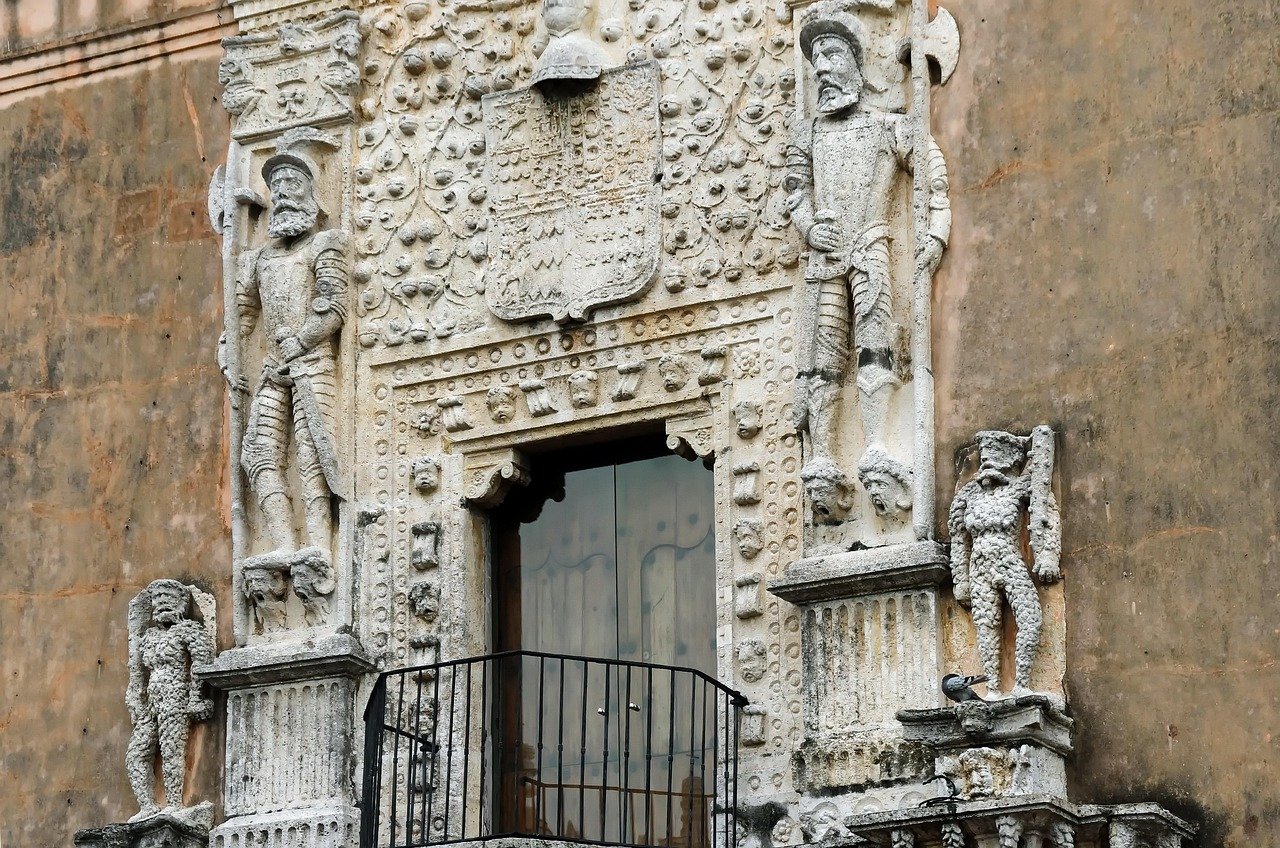
Mérida
Mérida, the capital of Yucatán, blends colonial architecture and Mayan heritage with a lively food, arts and business scene, and serves as a gateway to the region.
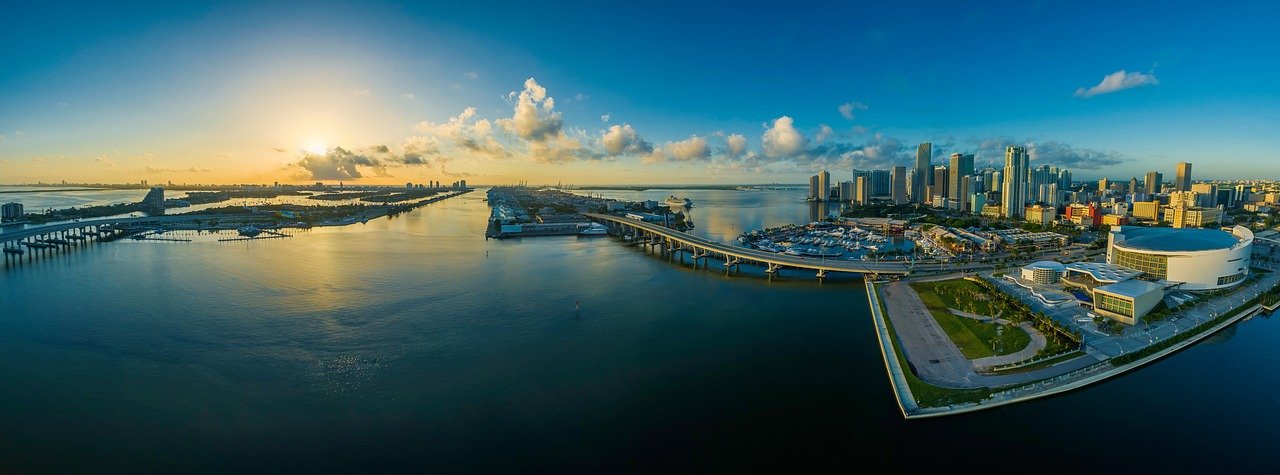
Veracruz de Ignacio de la Llave
Veracruz de Ignacio de la Llave, a historic city on Mexico's Gulf Coast, blends colonial architecture, vibrant culture and diverse landscapes.