Querétaro
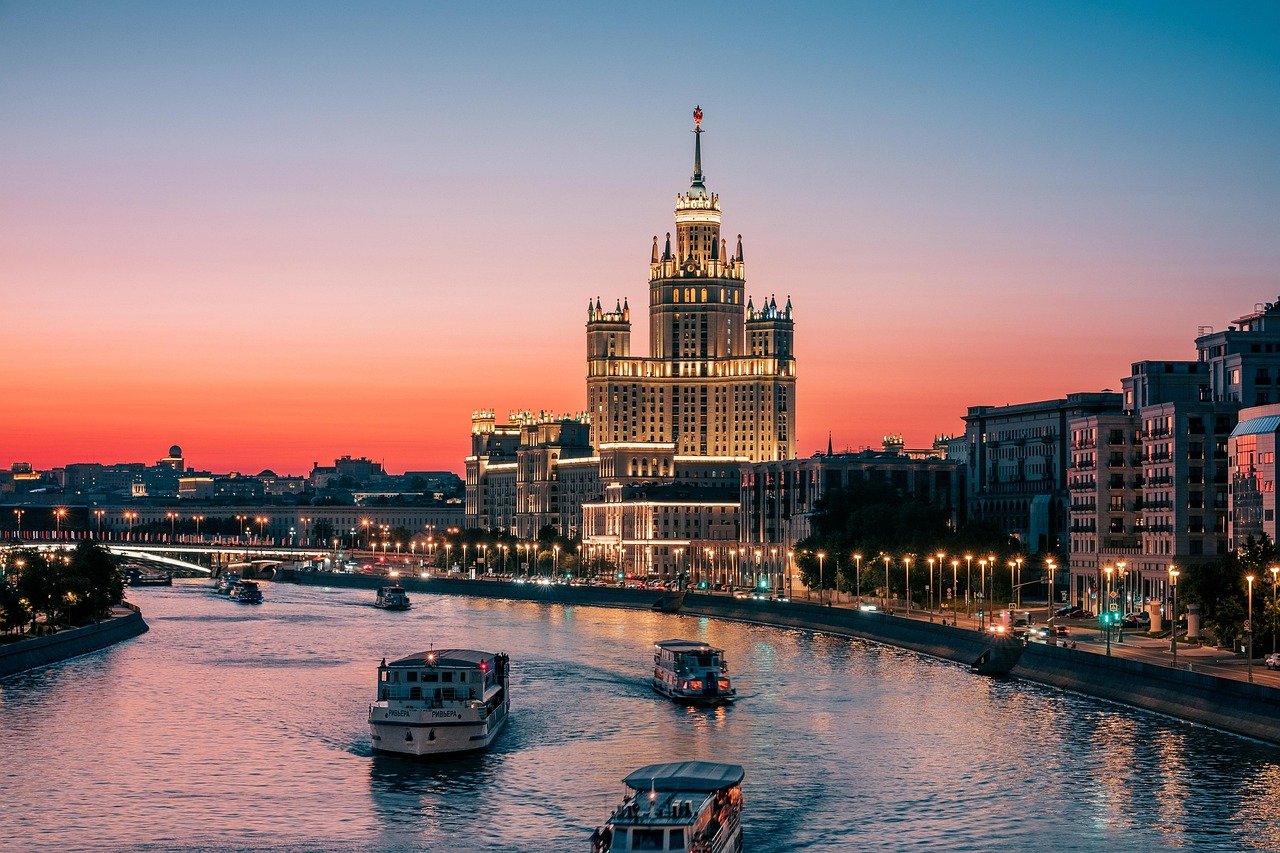
Querétaro's UNESCO-listed historic center, colonial aqueduct and growing business districts give the city a distinctive mix of heritage and modern energy.
Passengers
Luggage
About Querétaro
Querétaro, formally Santiago de Querétaro, is the capital of the central Mexican state of Querétaro and one of the country's fastest-growing urban centres. Its UNESCO-listed historic centre, shaded plazas and landmark stone aqueduct give the city a polished colonial character, while new business districts and residential areas reflect its role as a modern industrial and technology hub.
Founded in 1531 and shaped by Otomí and Spanish settlement, the city preserves a dense core of colonial churches, convents and courtyards. The Teatro de la República is where the 1917 Mexican Constitution was signed, and the hilltop Cerro de las Campanas marks the site where Emperor Maximilian was executed in 1867. The historic monuments zone was inscribed as a UNESCO World Heritage Site in 1996.
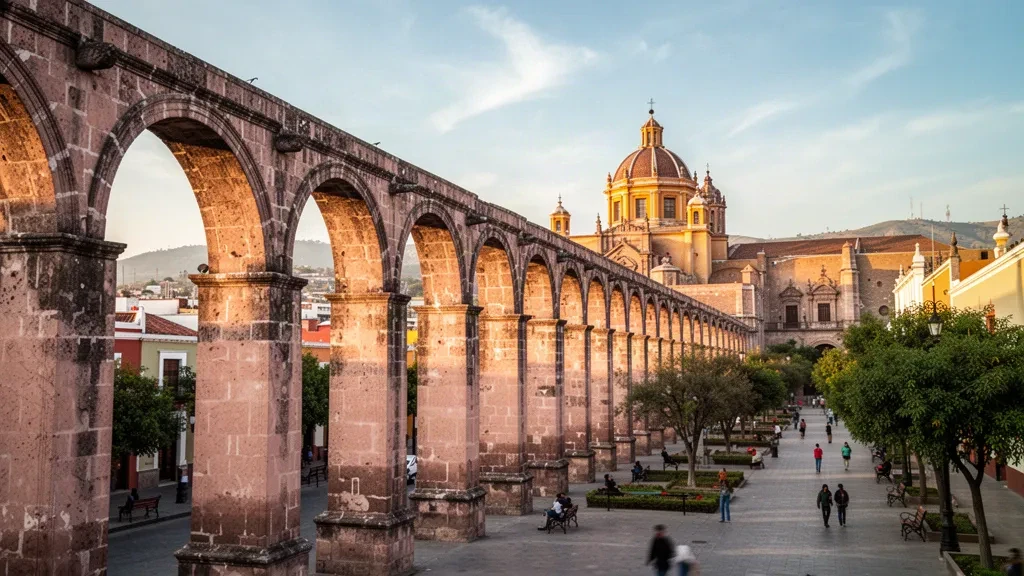
Most visits begin around Plaza de Armas and the gardens of Jardín Zenea, then fan out to the 18th-century aqueduct with its 74 pink-stone arches, the churches of San Francisco, Santa Clara and Santa Rosa de Viterbo, and museums such as the Museo Regional and Museo de Arte de Querétaro. The Centro Histórico's pedestrian lanes contrast with the upscale northern neighbourhoods of Juriquilla and Jurica and the newer commercial and residential areas around Centro Sur.
Querétaro's economy combines aerospace, automotive and information technology industries with a growing conference and events calendar. Its food scene ranges from enchiladas queretanas and gorditas at markets like Mercado La Cruz to contemporary restaurants around the historic plazas, while the July founding festival and December's Feria de Querétaro add seasonal energy.
For leisure travellers, the city is a convenient base for excursions to the monolith of Peña de Bernal, the nearby town of Tequisquiapan and the Querétaro wine route. Business visitors benefit from Querétaro Intercontinental Airport and a compact, well-connected urban core, making the city a practical destination for history, culture, industry and weekend escapes.
Querétaro Travel Guide
Best Time to Visit
October to May brings the driest, most comfortable weather for walking and day trips. Summers from June to September see afternoon rain, while the July founding festival and December's Feria de Querétaro are popular seasonal events.
How to Get Around
The historic centre is compact and best explored on foot. Qrobús buses and rapid routes cover the wider city, and taxis, rideshares and rental cars are practical for reaching Juriquilla, Centro Sur and nearby towns.
Where to Stay
Centro Histórico places landmarks, restaurants and nightlife within walking distance. Juriquilla and Jurica offer quieter upscale hotels and residential surroundings to the north, while areas around Avenida Constituyentes and Centro Sur suit business travellers.
Food & Drink
Regional specialities include enchiladas queretanas, gorditas and nopales, found in markets like Mercado La Cruz and restaurants around the historic plazas. The surrounding Querétaro wine region adds vineyard visits and tastings within day-trip distance.
Ground Transportation Services in Querétaro
Airport Transfers
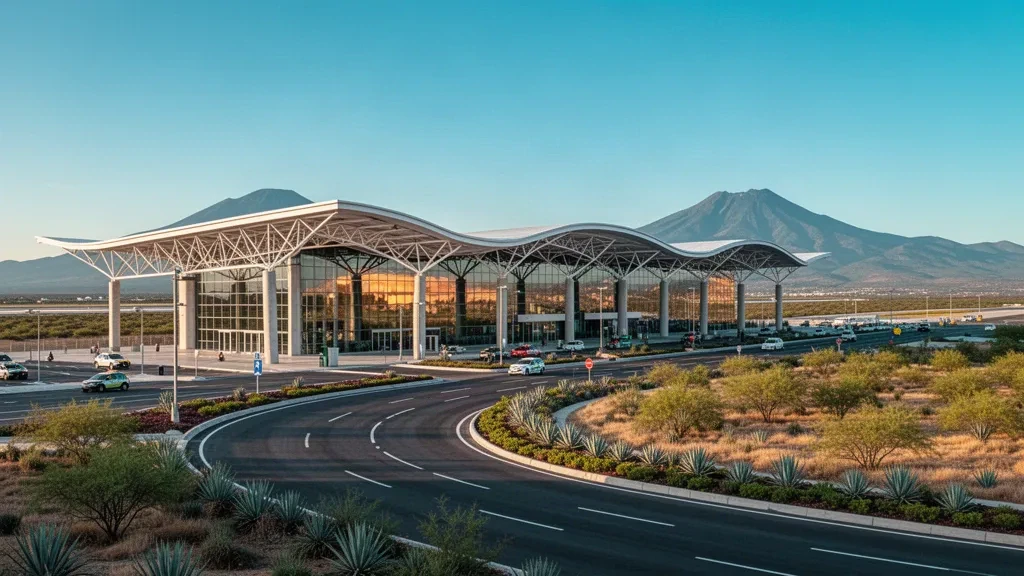
Travel between Querétaro Intercontinental Airport and the historic centre, Juriquilla, Centro Sur and other districts across the city and metropolitan area.
Hourly Chauffeur
Book a private chauffeur by the hour for business meetings, corporate events, sightseeing and flexible travel around Querétaro and nearby destinations.
Car Rental
Rent a car in Querétaro for independent travel around the city and convenient day trips to Peña de Bernal, Tequisquiapan and the Querétaro wine route.
Bus & Group Transfers
Arrange minibuses or charter buses for groups, corporate travel, events, airport transfers and tours in Querétaro and the surrounding region.
Frequently Asked Questions
Related Cities in Mexico
View all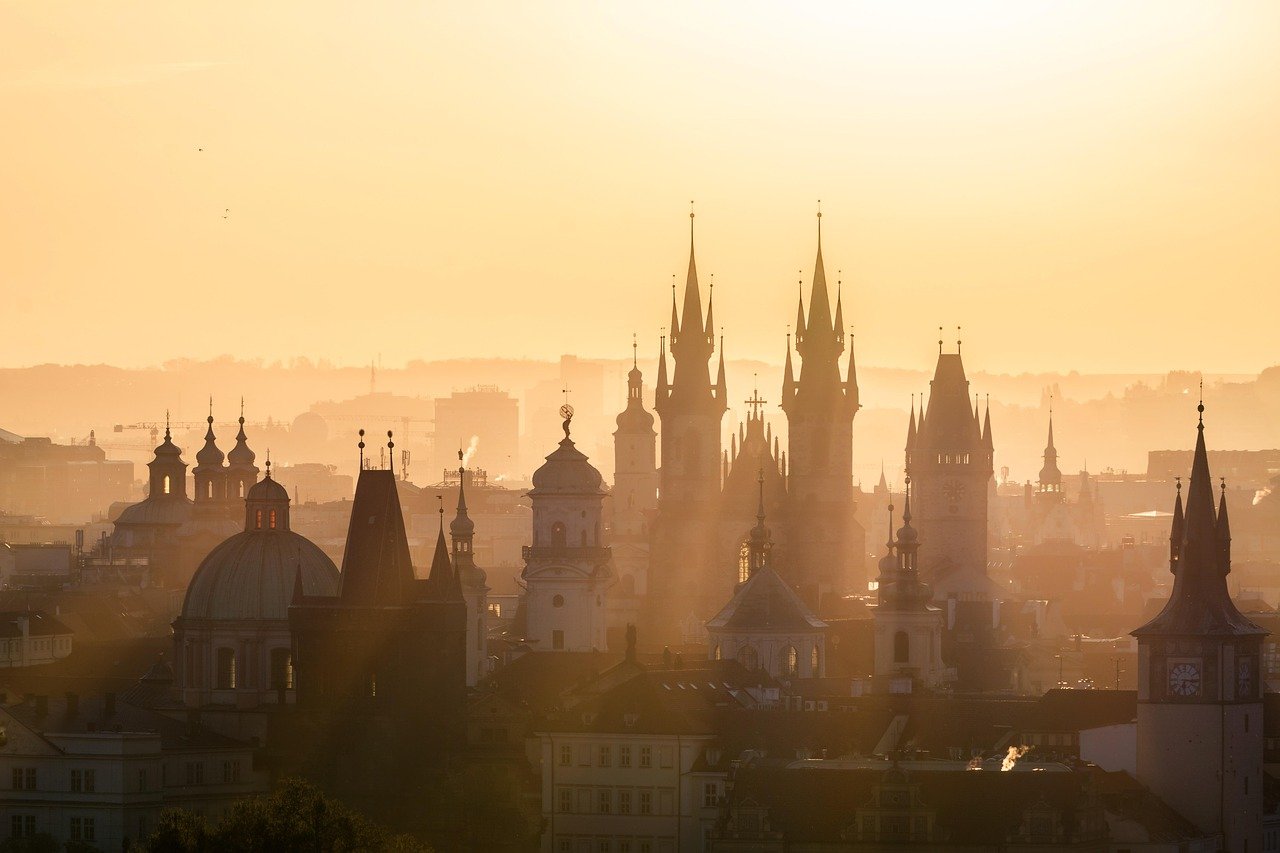
Zacatecas
Zacatecas is a historic silver-mining city in central Mexico, known for its Baroque architecture, steep streets and lively cultural scene. Its UNESCO-listed centre, museums and hilltop viewpoints give it a distinctive character.
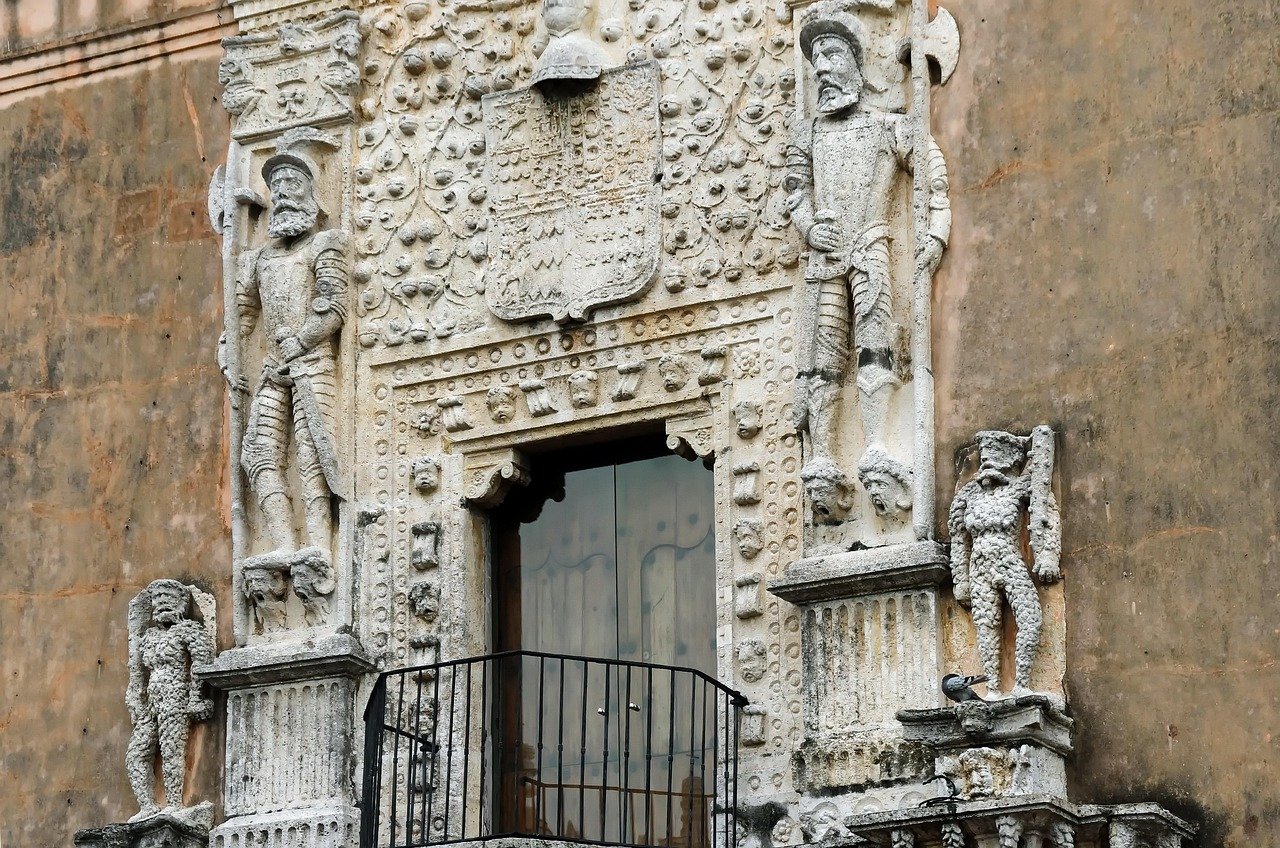
Mérida
Mérida, the capital of Yucatán, blends colonial architecture and Mayan heritage with a lively food, arts and business scene, and serves as a gateway to the region.
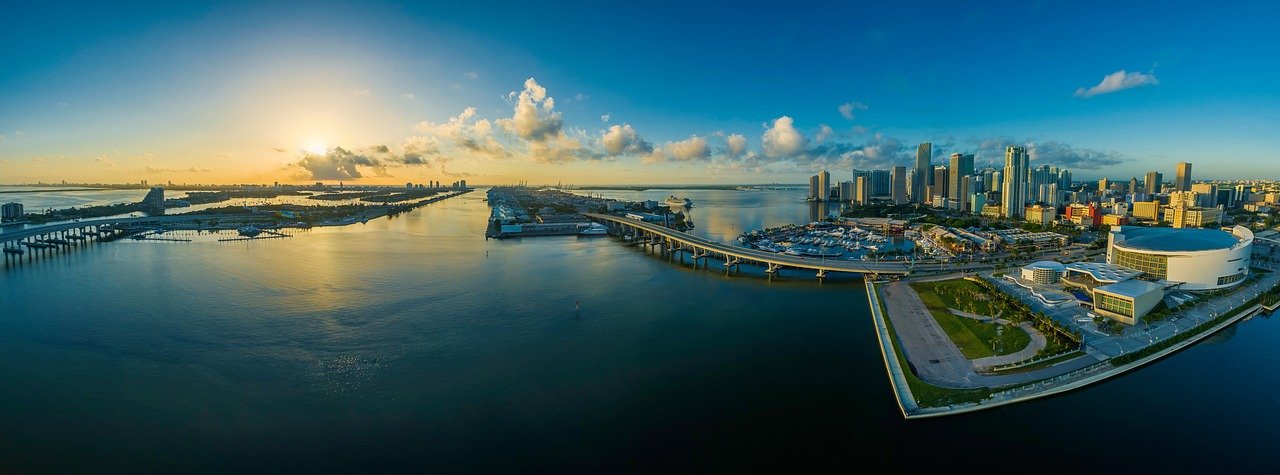
Veracruz de Ignacio de la Llave
Veracruz de Ignacio de la Llave, a historic city on Mexico's Gulf Coast, blends colonial architecture, vibrant culture and diverse landscapes.