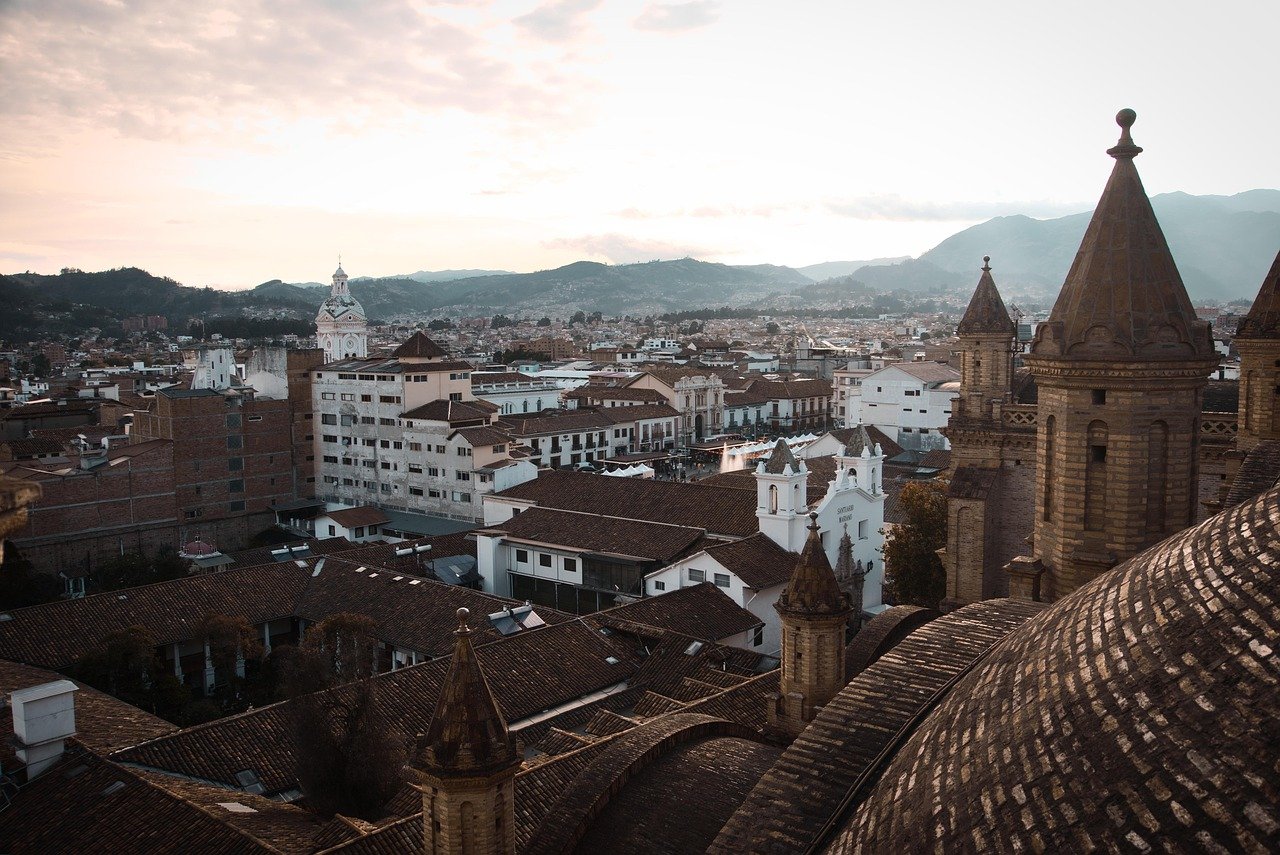
Durango
Durango, a colonial city in northern Mexico, is known for its historic center, colonial architecture, plazas and museums, with a surrounding landscape shaped by mining heritage and cinematic appeal.
Passengers
Luggage
About Durango
Durango, officially Victoria de Durango, is the capital and largest city of the state of Durango in north-central Mexico. Set at roughly 1,890 metres in the foothills of the Sierra Madre Occidental, the city combines a colonial core, mining and ranching traditions, and a long history as a filming location for Western movies.
Founded in 1563 by Francisco de Ibarra, Durango developed as an important stop on the Camino Real de Tierra Adentro, and its historic centre was inscribed on the UNESCO World Heritage list in 2010 as part of that route. The Cathedral Basilica Minor, begun in 1695, anchors the Plaza de Armas, while buildings such as the pink-stone Government Palace, the Ricardo Castro Theatre and the Escárzaga Palace reflect the city's colonial and 19th-century architecture.
The historic centre holds many of the city's cultural highlights, including the Francisco Villa Museum in the Palacio de Zambrano, the Ganot-Peschard Archaeology Museum, the Mining Tunnel Museum and the Teleférico cable car. The Paseo del Viejo Oeste preserves Western film sets from productions shot around Durango, and neighbourhoods such as Analco and the Calvario district add markets, plazas and everyday local life.
As a regional centre for government, commerce, education and services, Durango also hosts cultural festivals, trade gatherings and religious celebrations throughout the year. The food scene is built around caldillo durangueño, asado de bodas, gorditas, grilled beef and regional mezcal, with cafés and restaurants concentrated in the centre and modern commercial districts.
For travellers, Durango offers a compact, walkable colonial centre, easy access to the Sierra Madre and nearby mining heritage sites, and a steady stream of business and event activity, making it a practical destination for both leisure and work-related visits.
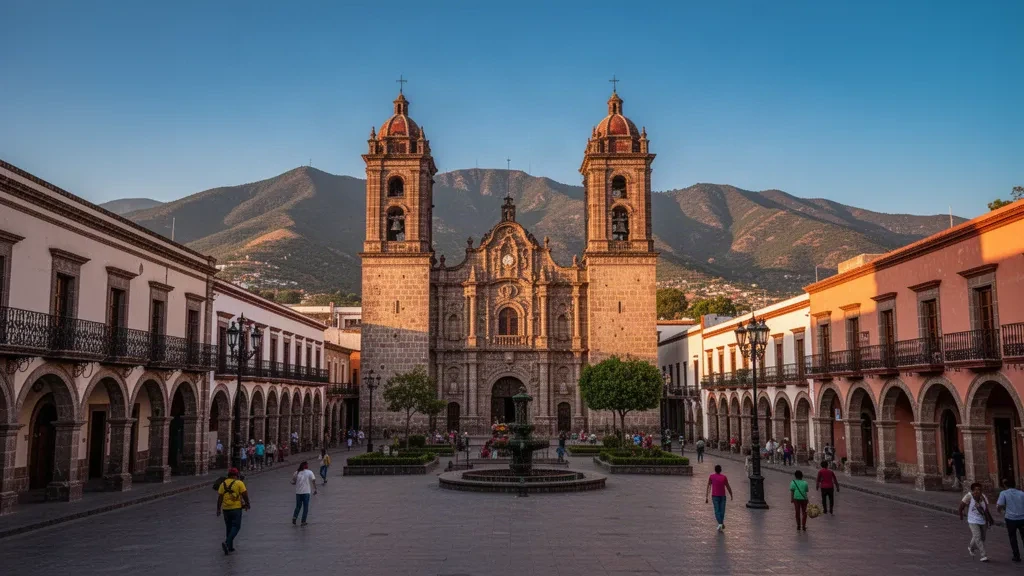
Durango Travel Guide
Best Time to Visit
March to May and October to November offer mild days and comfortable conditions for exploring Durango's high-altitude streets and plazas. Summer is warmer with afternoon rain, while winter is cool and dry, especially at night.
How to Get Around
Durango's compact historic centre is best explored on foot, with taxis and ride-hailing apps useful for longer trips. Public buses serve the wider city, and a rental car or private driver makes day trips to the Sierra and nearby towns easier.
Where to Stay
The historic centre keeps you close to the cathedral, museums, plazas and restaurants, while hotels along the main commercial avenues offer modern amenities. Staying centrally puts most attractions within easy walking distance.
Food & Drink
Local specialities include caldillo durangueño, asado de bodas, gorditas, grilled beef and regional mezcal. Markets, cafés and family restaurants in the historic centre and commercial districts serve both traditional and contemporary dishes.
Ground Transportation Services in Durango
Airport Transfers
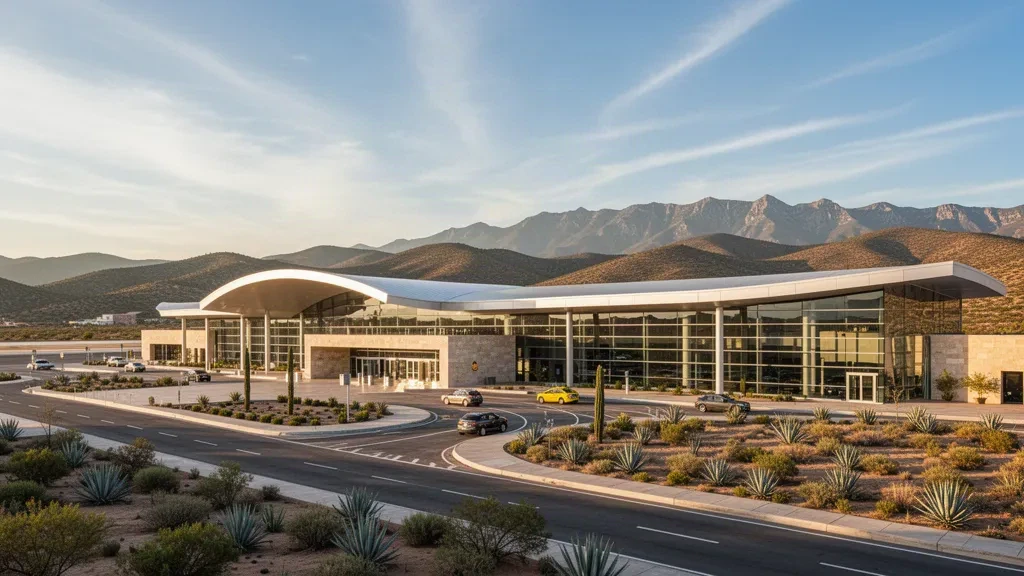
Travel between General Guadalupe Victoria International Airport and hotels, the historic centre, business districts and other destinations across Durango.
Hourly Chauffeur
Book a private chauffeur by the hour for business meetings, events, sightseeing and flexible travel around Durango and the surrounding region.
Car Rental
Rent a car in Durango for independent travel around the city and convenient day trips to nearby towns, the Sierra Madre and local attractions.
Bus & Group Transfers
Arrange minibuses or charter buses for groups, corporate travel, events, airport transfers and tours in Durango and the surrounding area.
Frequently Asked Questions
Related Cities in Mexico
View all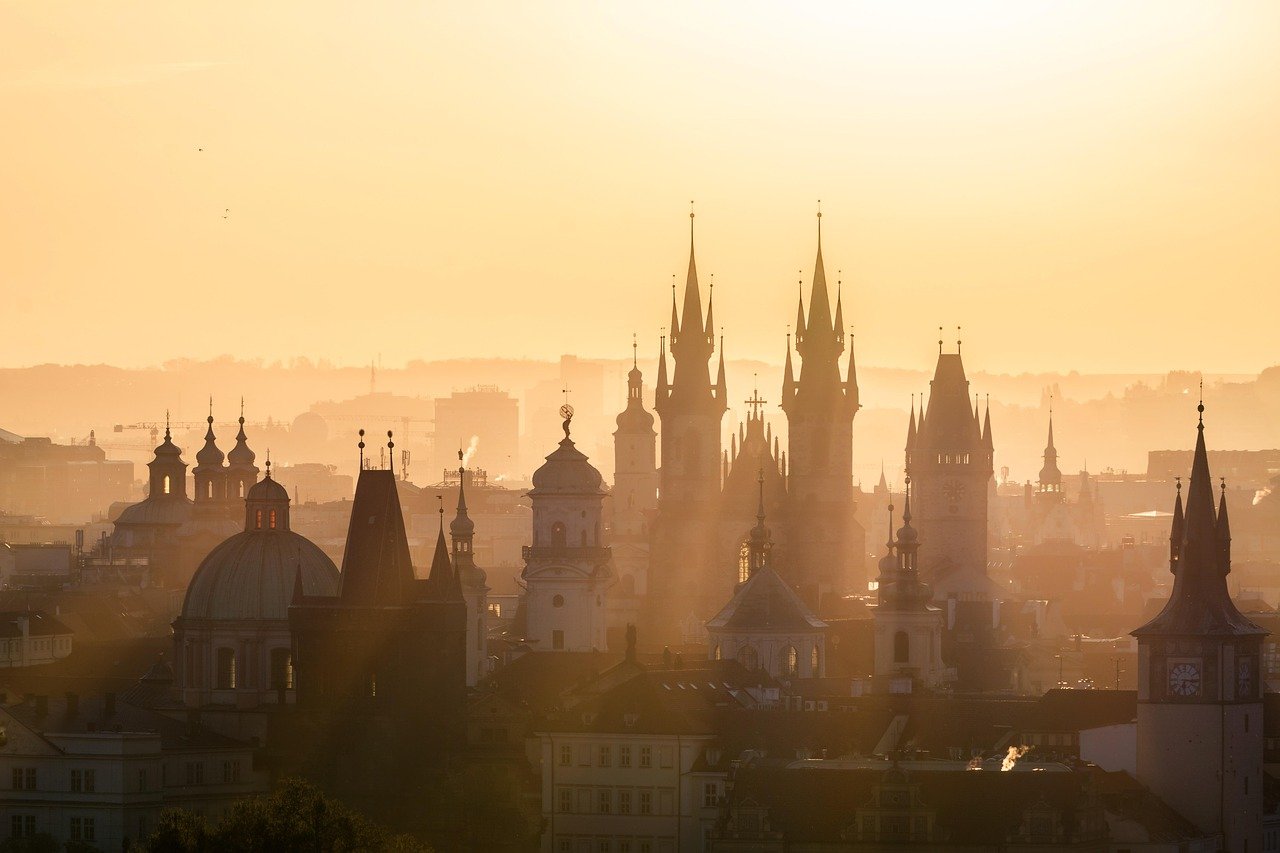
Zacatecas
Zacatecas is a historic silver-mining city in central Mexico, known for its Baroque architecture, steep streets and lively cultural scene. Its UNESCO-listed centre, museums and hilltop viewpoints give it a distinctive character.
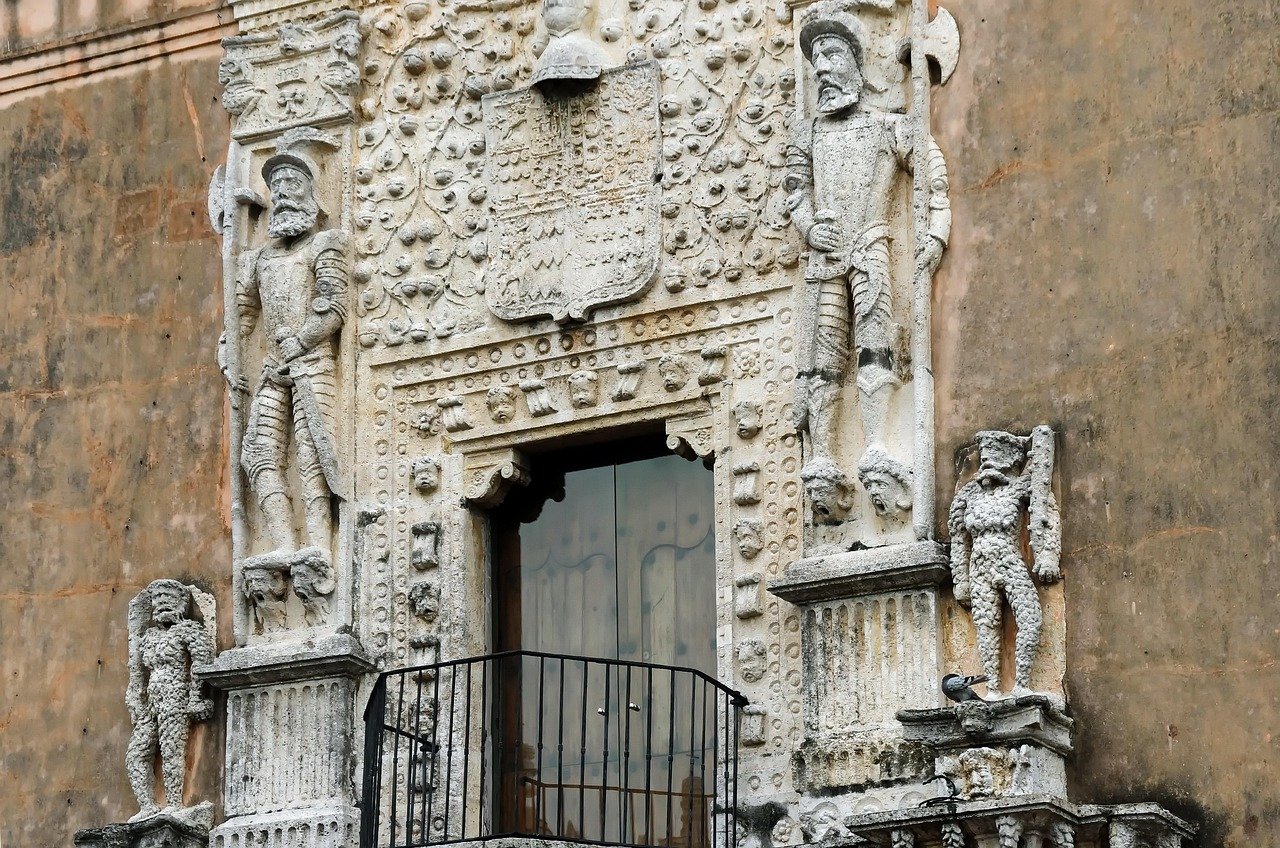
Mérida
Mérida, the capital of Yucatán, blends colonial architecture and Mayan heritage with a lively food, arts and business scene, and serves as a gateway to the region.
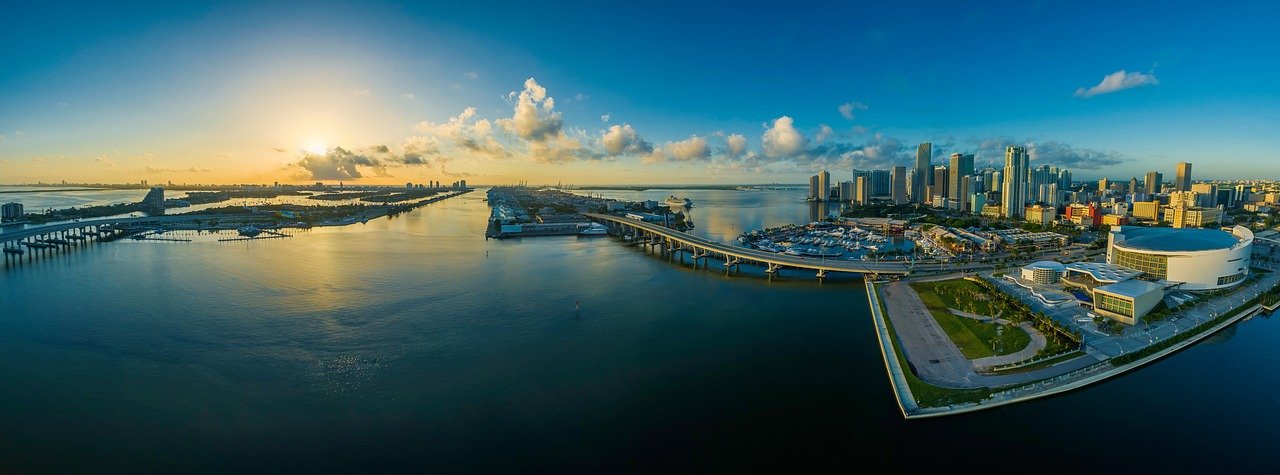
Veracruz de Ignacio de la Llave
Veracruz de Ignacio de la Llave, a historic city on Mexico's Gulf Coast, blends colonial architecture, vibrant culture and diverse landscapes.