Aioun
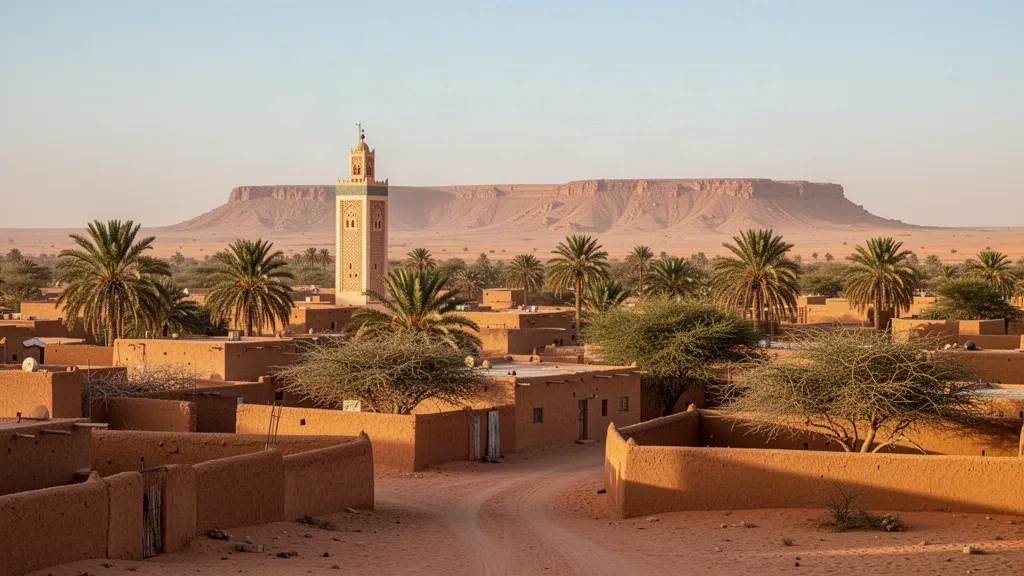
Aioun, capital of Mauritania's Hodh El Gharbi region, is a southern Sahelian town shaped by traditional architecture, local markets and a quiet regional heritage.
Passengers
Luggage
About Hodh El Gharbi
Ayoun el Atrous is the capital of Mauritania's Hodh El Gharbi region and a small market town on the Route de l'Espoir, the country's main paved road across the south. Rocky outcrops and Sahelian desert surround the town, giving it a distinctive landscape that travellers sometimes compare with the American Southwest.
Founded in 1945 by Ethmane Ould Bakar, a leader of the Oulad Nasser, the town developed as the administrative centre of the western Hodh basin. The region takes its name from the ancient Aoukar depression, and the medieval ruins of Koumbi Saleh, linked to the Ghana Empire, lie within the surrounding region.
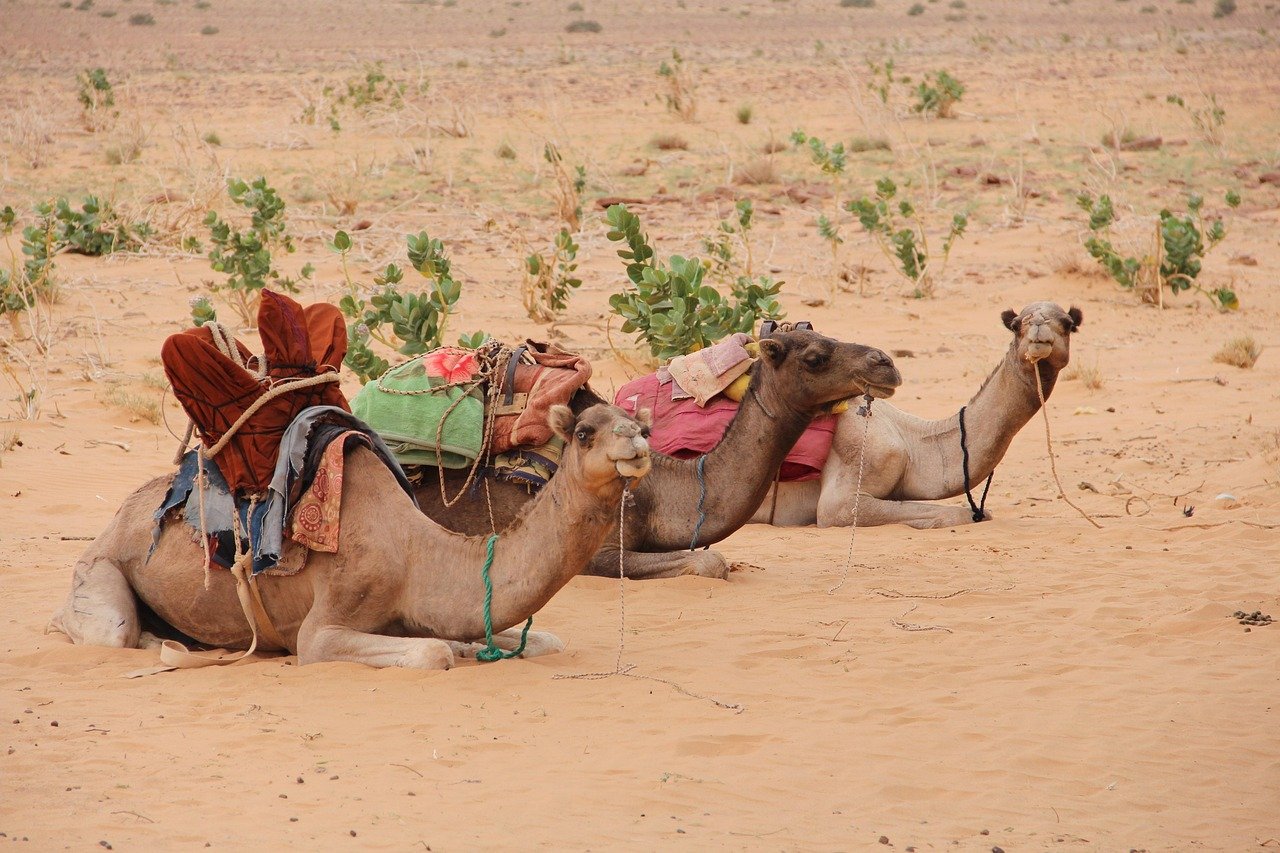
In town, visitors can walk past low-rise houses decorated with natural stone, browse market stalls selling rugs, carpets and handicrafts, and watch camel caravans that still bring salt from Tichitt. Short excursions lead to dramatic rock formations and seasonal green areas used as stops on cultural desert tours.
As a regional hub, Ayoun el Atrous hosts government offices, traders and travellers moving between Nouakchott, Kiffa and Néma. Its airport, small guesthouses and position on the Road of Hope make it a practical base for both leisure travellers exploring southern Mauritania's history and business visitors working across Hodh El Gharbi.
Hodh El Gharbi Travel Guide
Best Time to Visit
The cooler dry months from November to February are the most comfortable time to visit, with milder daytime temperatures and clearer skies. Heat builds from March to June, while the short rainy season between July and September can bring storms and briefly greener surroundings.
How to Get Around
The town centre is compact enough to explore on foot. Shared taxis and bush taxis run along the Route de l'Espoir toward Kiffa and Néma, while a 4x4 or hired car with driver is useful for reaching rock formations, Koumbi Saleh and other desert sites in Hodh El Gharbi.
Where to Stay
Accommodation is limited but includes small hotels and guesthouses, some on the road toward Néma, offering basic rooms and local meals. Visitors on desert tours often overnight in town or camp outside it before continuing along the Route de l'Espoir.
Food & Drink
Local eating centres on Mauritanian staples such as rice with meat or fish, couscous, roast lamb and dates, usually finished with sweet mint tea. Small restaurants, market food stalls and guesthouse kitchens serve most visitors, and buying supplies in the market is common for longer desert journeys.
Ground Transportation Services in Hodh El Gharbi
Airport Transfers
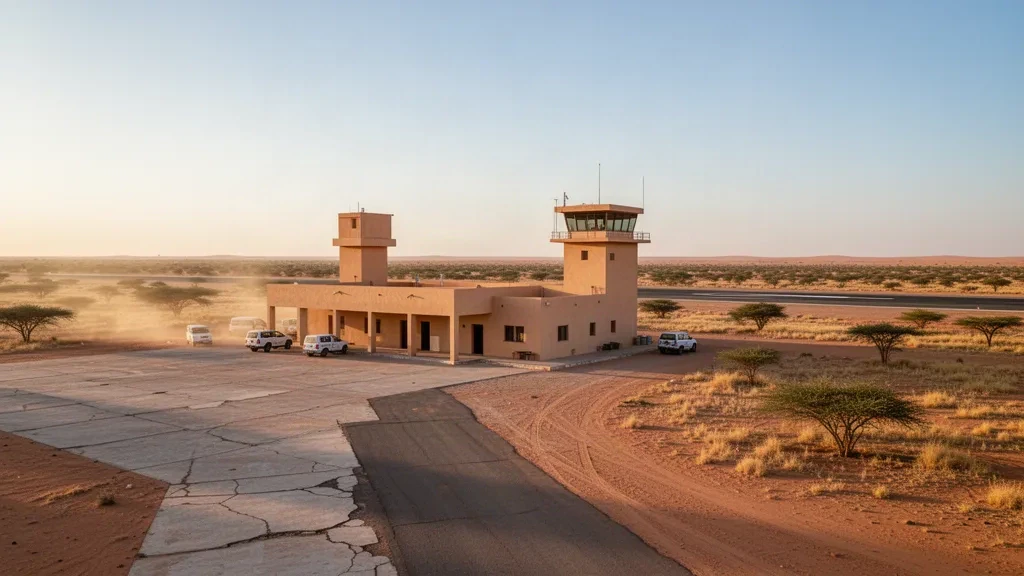
Travel between Aioun el Atrouss Airport, about 6 km northwest of town, and guesthouses, hotels, government offices or other points in and around Ayoun el Atrous.
Hourly Chauffeur
Book a private driver by the hour for meetings, market visits, sightseeing at the surrounding rock formations, or flexible travel across Hodh El Gharbi.
Car Rental
Rent a vehicle, ideally a 4x4, for independent travel along the Route de l'Espoir and access to desert tracks, Koumbi Saleh and other sites near Ayoun el Atrous.
Bus & Group Transfers
Arrange minibuses or charter buses for tour groups, regional trips, events and transfers between Ayoun el Atrous, Kiffa, Néma and other destinations.
Frequently Asked Questions
Related Cities in Mauritania
View all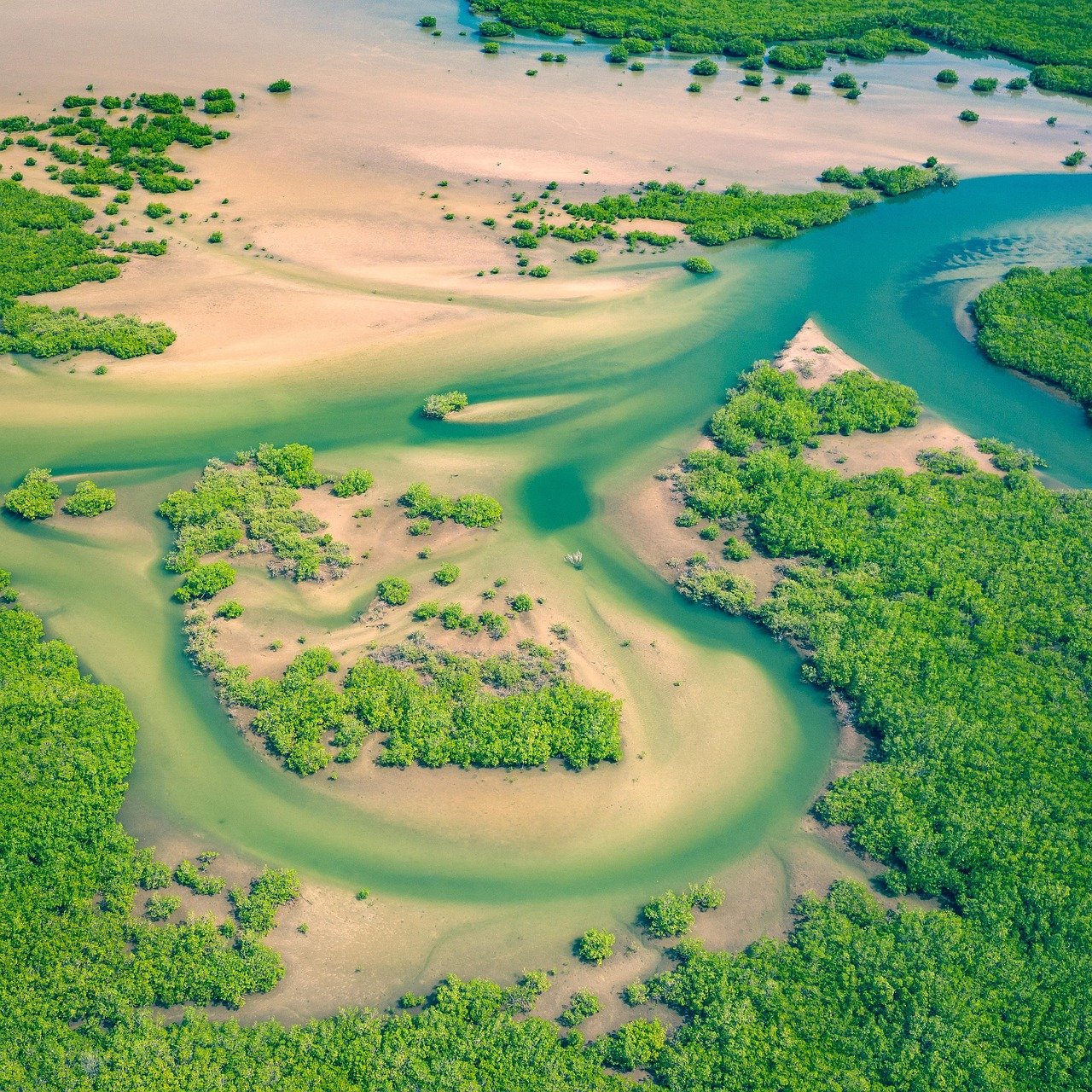
Rosso
Rosso, the capital of Mauritania's Trarza region, lies on the Senegal River and blends a lively port and market atmosphere with riverside views and easy access to the country's south.
Zouérat
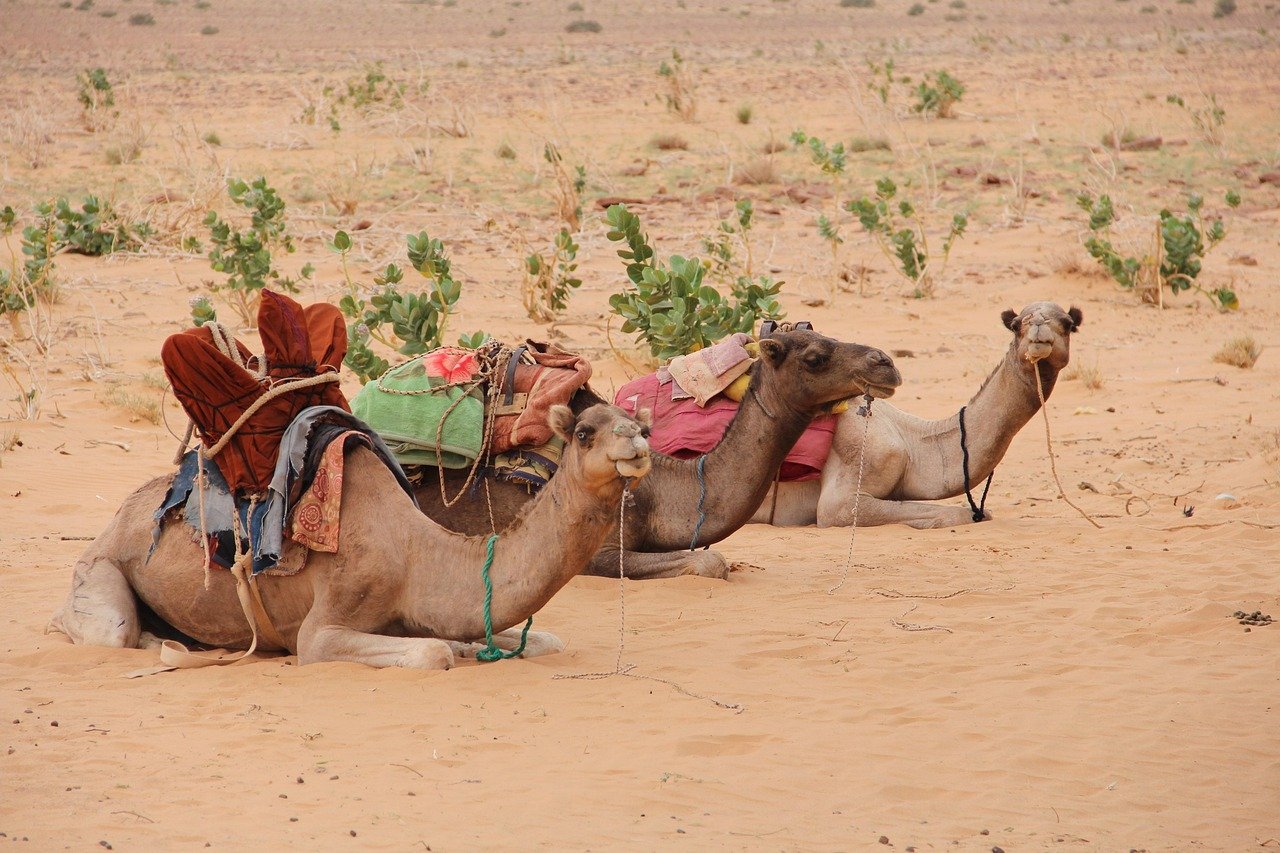
Zouérat is a remote Saharan mining city in northern Mauritania and the capital of the Tiris Zemmour region. Built around the iron-ore industry, it has a practical, frontier character and serves as a base for exploring the surrounding desert.
Tagant
Tagant, a historic town in Mauritania, is known for its palm groves, ancient caravan routes and traditional Mauritanian culture. Its quiet desert setting and warm hospitality offer a distinctive travel experience.