Salavan
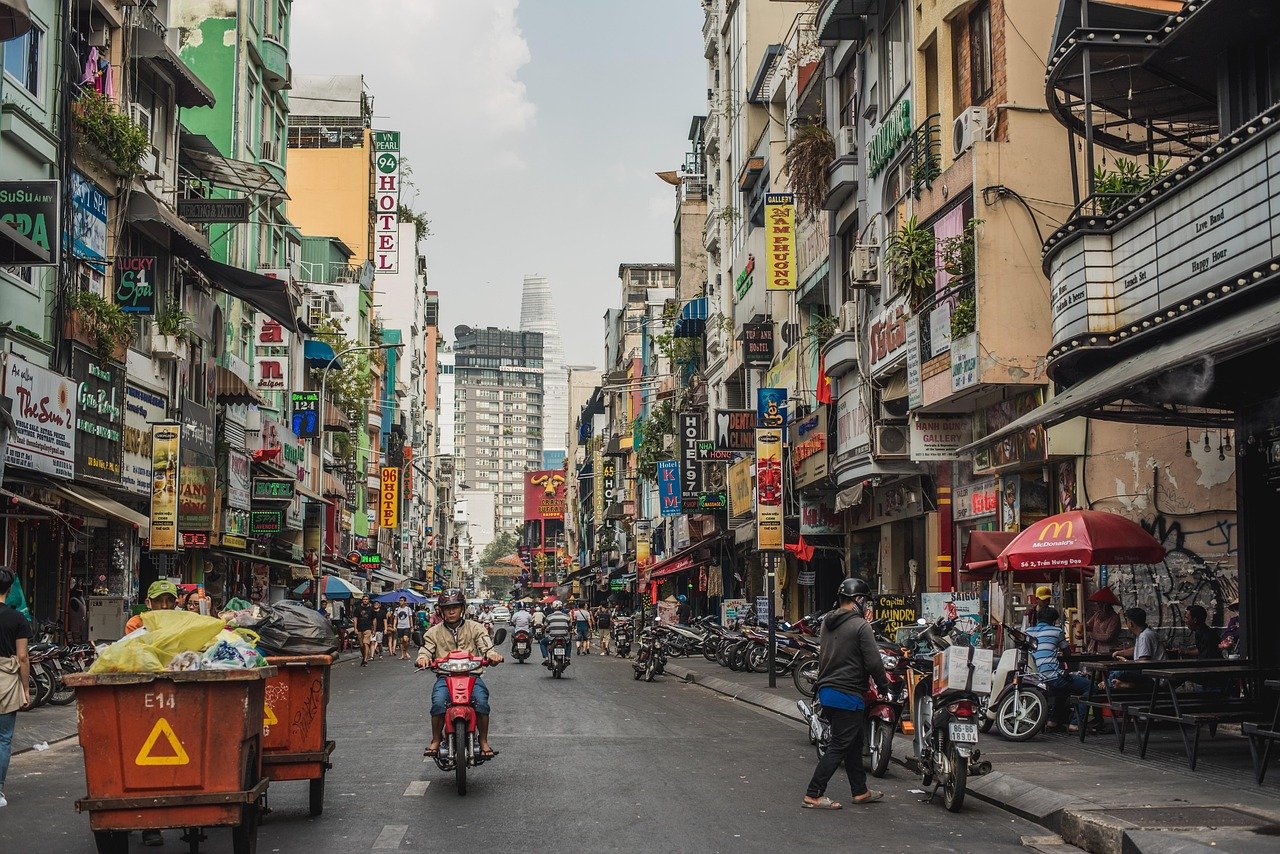
Salavan is a quiet provincial capital in southern Laos, where riverside streets, local markets and temples reflect a mix of Lao and ethnic minority traditions. It is an unhurried base for exploring the south's coffee farms, waterfalls and forested countryside.
Passengers
Luggage
About Salavan
Salavan is a compact provincial capital in southern Laos and the administrative centre of Salavan Province, set on the Bolaven Plateau near the Se Don River. The town has a quiet, unhurried character and serves as a practical gateway to the waterfalls, coffee farms and ethnic villages of the surrounding plateau.
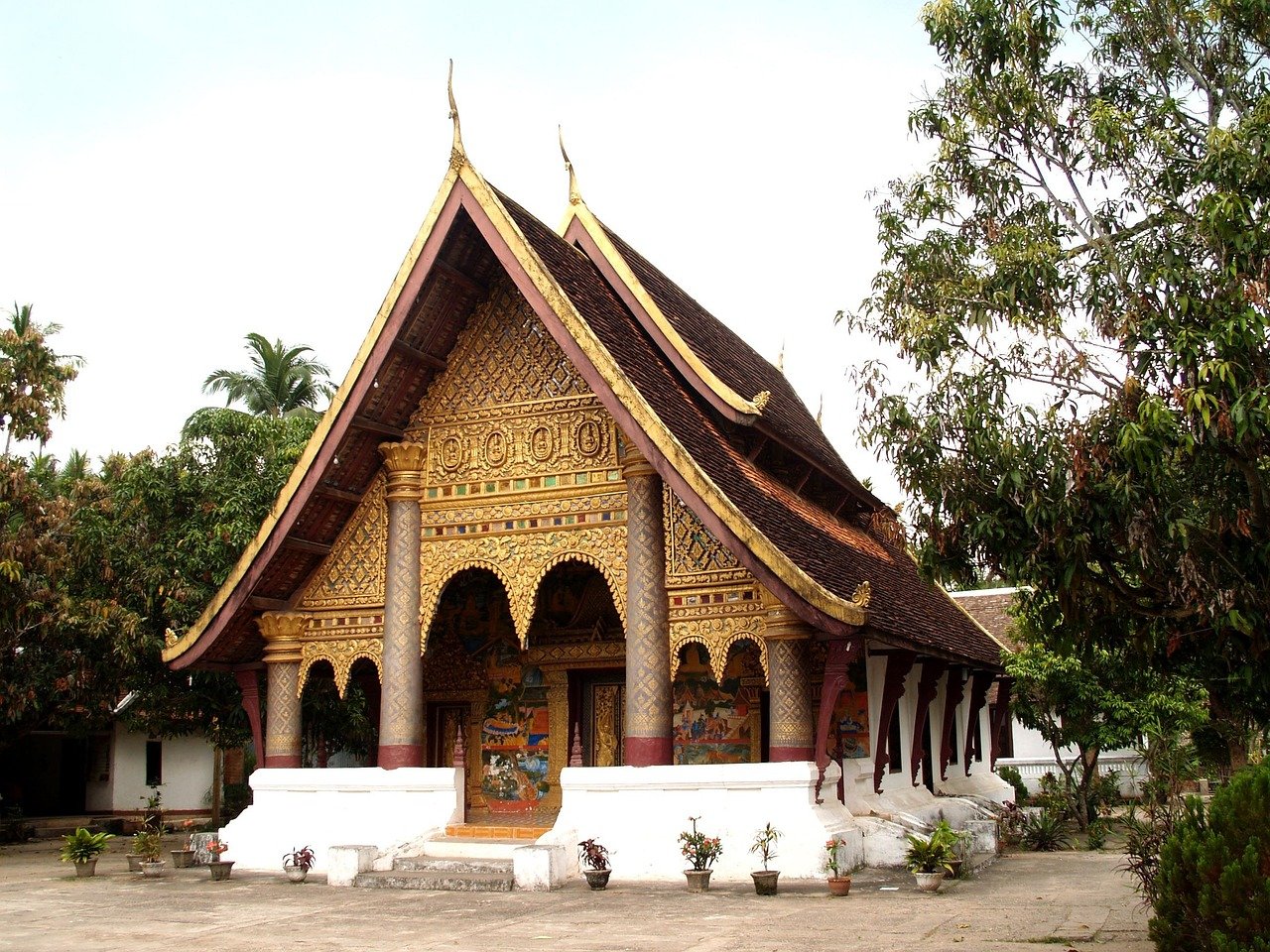
The area has long been home to several ethnic communities, including Laven, Alak, Katu, Suay and Tahoy groups, and its culture is shaped by rural agriculture, weaving and coffee production. Local landmarks include the Salavan Provincial Museum and the UXO visitor centre, which documents the legacy of wartime unexploded ordnance and its ongoing clearance.
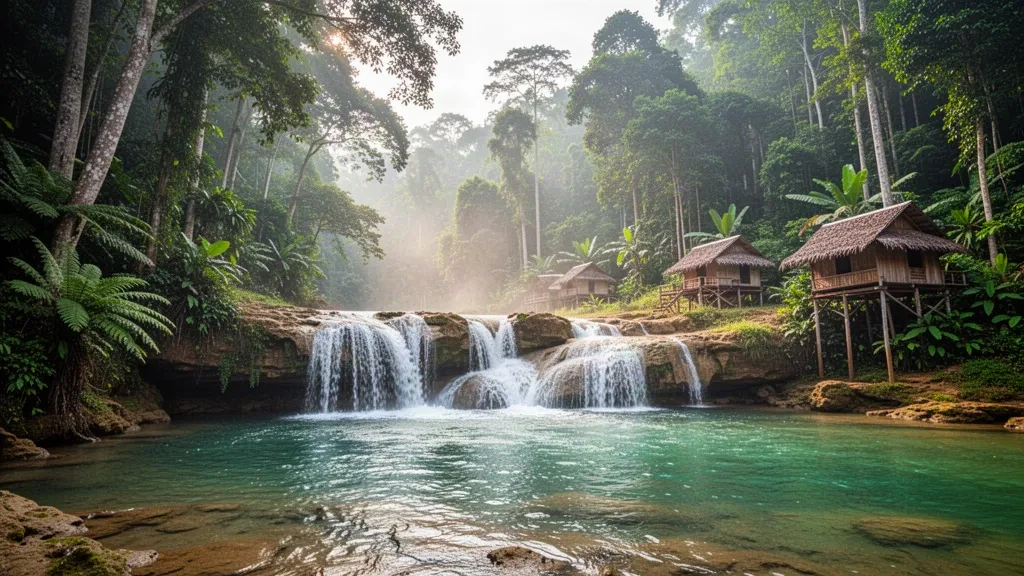
Most visitors use Salavan as a base for the Bolaven Plateau, where multi-tiered waterfalls such as Tad Lo, Tad Hang and Tad Suong, forested conservation areas and coffee plantations lie within reach. In town, the market, simple temples and nearby traditional villages offer a more everyday view of southern Laos.
Salavan has a limited but useful range of guesthouses, noodle shops and cafés, and sits about 125 km from Pakse along a partly paved road. Its low-key atmosphere makes it appealing for travellers seeking a slower, less commercial stop on southern Laos routes.
For business travellers, Salavan functions as a provincial administrative and trading centre, while leisure visitors can use it as a restful base for exploring the plateau, waterfalls and local culture.
Salavan Travel Guide
Best Time to Visit
The cool dry season from November to February is the most comfortable time to visit Salavan, with lower humidity and clearer roads. Waterfalls are at their fullest from October into December, after the rainy season.
How to Get Around
Salavan town is small and walkable, with tuk-tuks and songthaews for short trips. For the Bolaven Plateau, waterfalls and villages, most travellers arrange a car, motorbike or private driver, since rural roads can be rough and public transport is limited.
Where to Stay
Most accommodation in Salavan consists of simple guesthouses and small hotels near the town centre and market. Tad Lo village offers riverside lodges and bungalows close to the waterfalls, while Pakse has a wider range of hotels for onward travel.
Food & Drink
Southern Lao dishes such as sticky rice, grilled fish, laap and noodle soup are common in Salavan's small restaurants and morning market. The surrounding Bolaven Plateau is known for coffee, and local cafés serve freshly grown Lao coffee.
Ground Transportation Services in Salavan
Airport Transfers
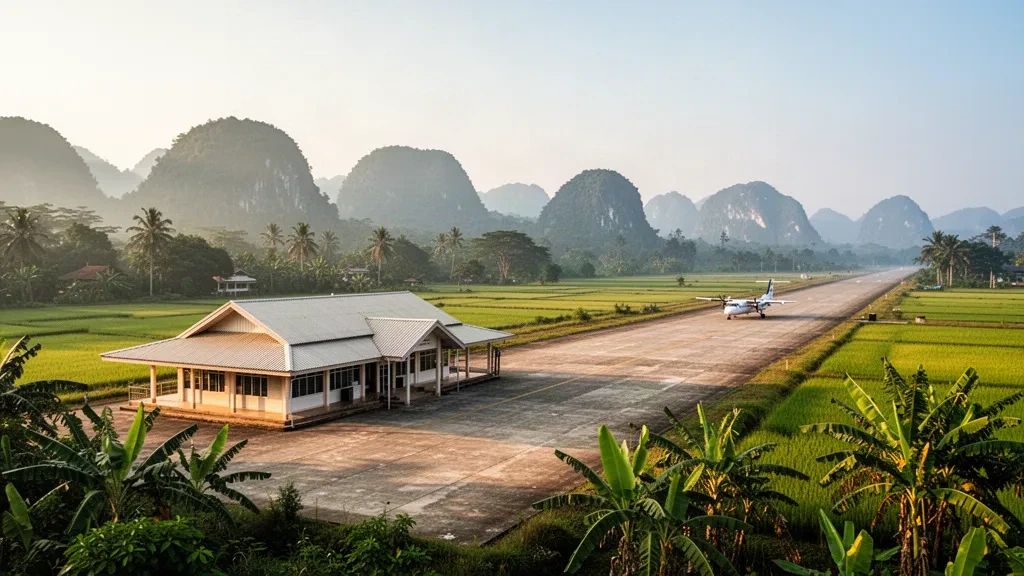
Travel between Pakse International Airport and Salavan town, guesthouses, Tad Lo and other destinations across Salavan Province.
Hourly Chauffeur
Book a private chauffeur by the hour for business meetings, provincial offices, waterfall visits, coffee farm tours and flexible travel around Salavan.
Car Rental
Rent a car in Pakse or Salavan for independent travel across the Bolaven Plateau and onward journeys through southern Laos.
Bus & Group Transfers
Arrange minibuses or charter buses for groups, corporate travel, events, waterfall excursions and transfers in and around Salavan Province.
Frequently Asked Questions
Related Cities in Laos
View all
Xiangkhouang
Xiangkhouang, in northeastern Laos, is known for the enigmatic Plain of Jars, rolling green hills and a history shaped by ancient cultures and later conflict. Its quiet towns and rural landscapes offer a slower, more reflective travel experience.
Xaisomboun
Xaisomboun is a remote, mountainous town in central Laos, surrounded by rugged landscapes, ethnic communities and a quiet, off-the-beaten-path atmosphere.
Vientiane
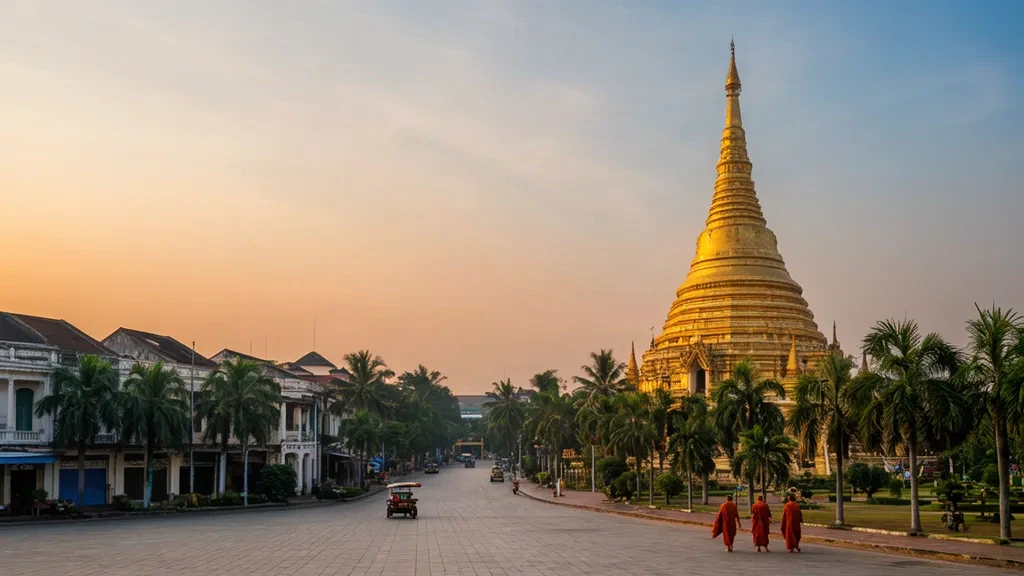
Vientiane, Laos's riverside capital, blends golden Buddhist stupas and French colonial architecture with relaxed Mekong promenades and a growing contemporary food and cafe scene.