Vientiane
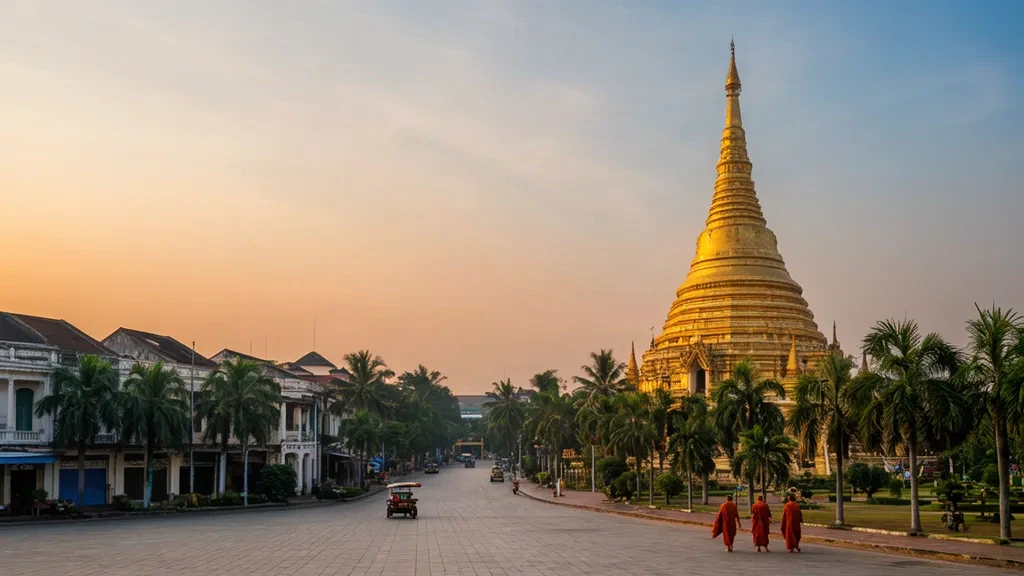
Vientiane, Laos's riverside capital, blends golden Buddhist stupas and French colonial architecture with relaxed Mekong promenades and a growing contemporary food and cafe scene.
Passengers
Luggage
About Vientiane
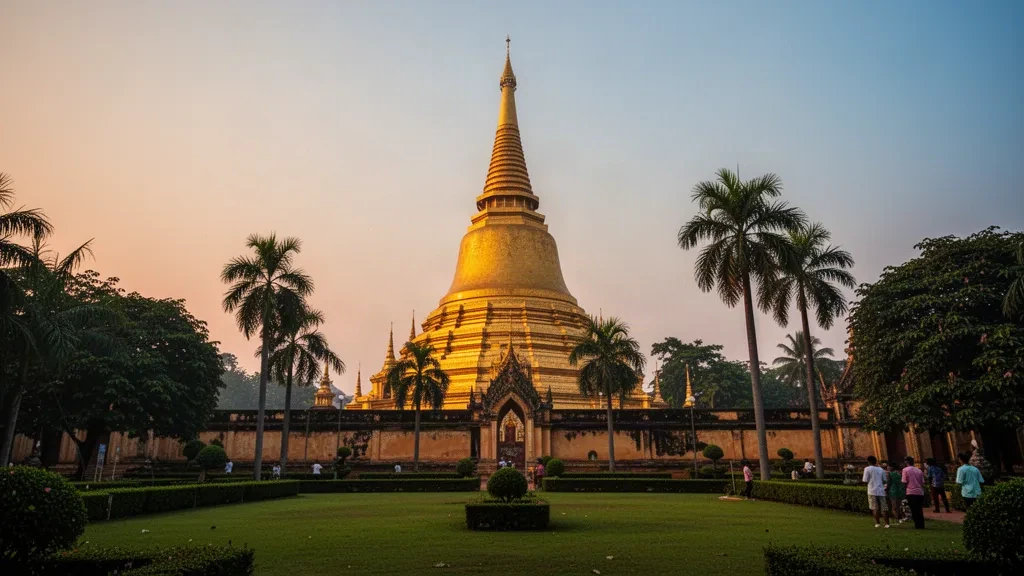
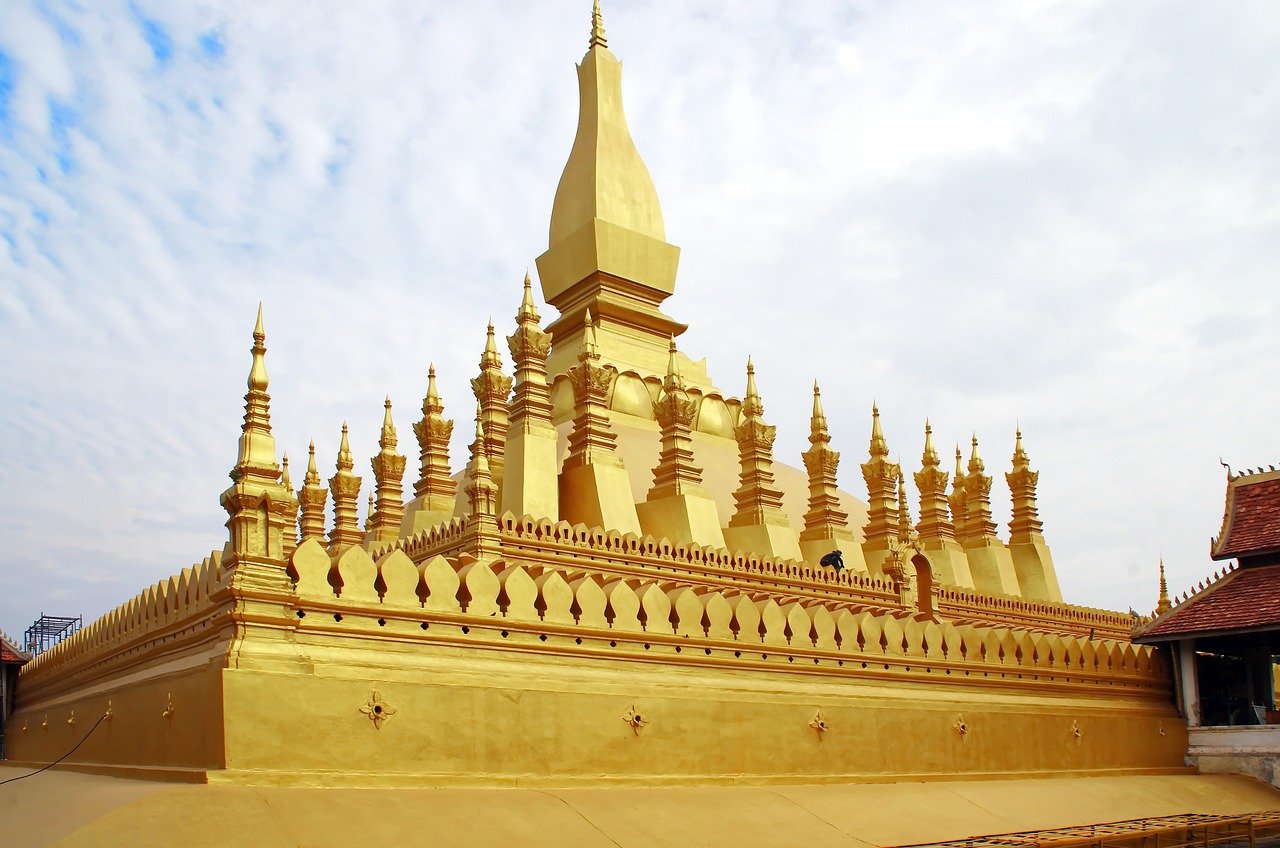
Vientiane is the capital and largest city of Laos, set along the northern bank of the Mekong River opposite northeastern Thailand. The city has a relaxed, low-rise character, with tree-lined boulevards, French colonial architecture and golden Buddhist temples such as the Pha That Luang stupa and the Patuxai victory monument.
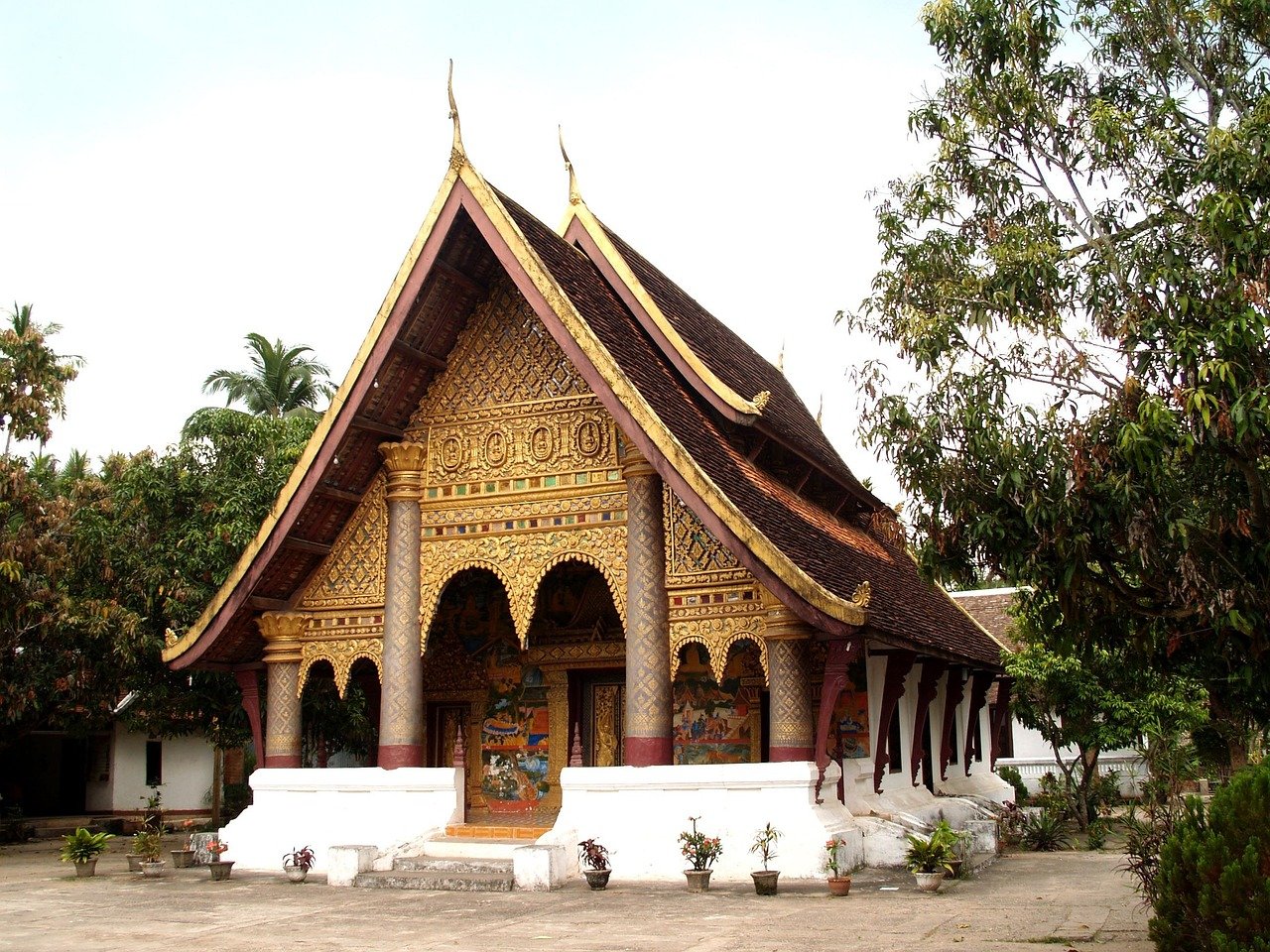
Vientiane became the capital of the Lan Xang kingdom in 1563 and later passed through Siamese and French rule before French colonists rebuilt it from 1899 onward. That layered history is visible in restored colonial villas, riverside monuments and historic temples including Wat Si Saket, known for its thousands of Buddha images, and the former royal temple Haw Phra Kaew.
The compact city centre around Chanthabouly is easy to explore on foot, with the Mekong riverside promenade, night market and Talat Sao morning market nearby. Other worthwhile stops include the COPE Visitor Centre, the National Museum and the surreal Buddha Park, located about 25 kilometres outside the city.
As the country's political and economic centre, Vientiane hosts government offices, embassies, banks and a growing number of international businesses and events. Its food scene blends Lao staples such as sticky rice, larb and papaya salad with French-influenced bread and coffee, while Beerlao and riverside dining are part of the local culture.
Vientiane's combination of heritage, riverside calm and business activity makes it relevant for both leisure visitors and business travellers, with Wattay International Airport and the Laos-China Railway connecting the city to the wider region.
Vientiane Travel Guide
Best Time to Visit
The cool dry season from November to February is the most comfortable time to visit Vientiane, with lower humidity and pleasant temperatures. March to May can be very hot, while the rainy season from May to October brings short but heavy downpours.
How to Get Around
Vientiane is easy to navigate using public buses, tuk-tuks, taxis and songthaews, while the compact centre is walkable. Renting a bicycle or motorbike is also popular, and Wattay International Airport sits only a short drive from the city centre.
Where to Stay
The riverside and Chanthabouly area is convenient for the Mekong promenade, night market and main landmarks. Sisattanak has a quieter residential feel with restaurants and embassies, while the area around That Luang offers more local surroundings.
Food & Drink
Lao food is built around sticky rice, larb, tam mak hoong and grilled meats, often accompanied by Beerlao. French-influenced baguettes and coffee are common, and visitors can sample dishes at Talat Sao market, the Mekong night market and family-run restaurants across the city.
Ground Transportation Services in Vientiane
Airport Transfers
Travel between Wattay International Airport and hotels, business areas, event venues and other destinations across Vientiane.
Hourly Chauffeur
Book a private chauffeur by the hour for business meetings, sightseeing, events and flexible travel around Vientiane.
Car Rental
Rent a car in Vientiane for independent travel around the city and convenient trips to nearby destinations such as Vang Vieng or Buddha Park.
Bus & Group Transfers
Arrange minibuses or charter buses for groups, corporate travel, events, airport transfers and tours in Vientiane.
Frequently Asked Questions
Related Cities in Laos
View all
Xiangkhouang
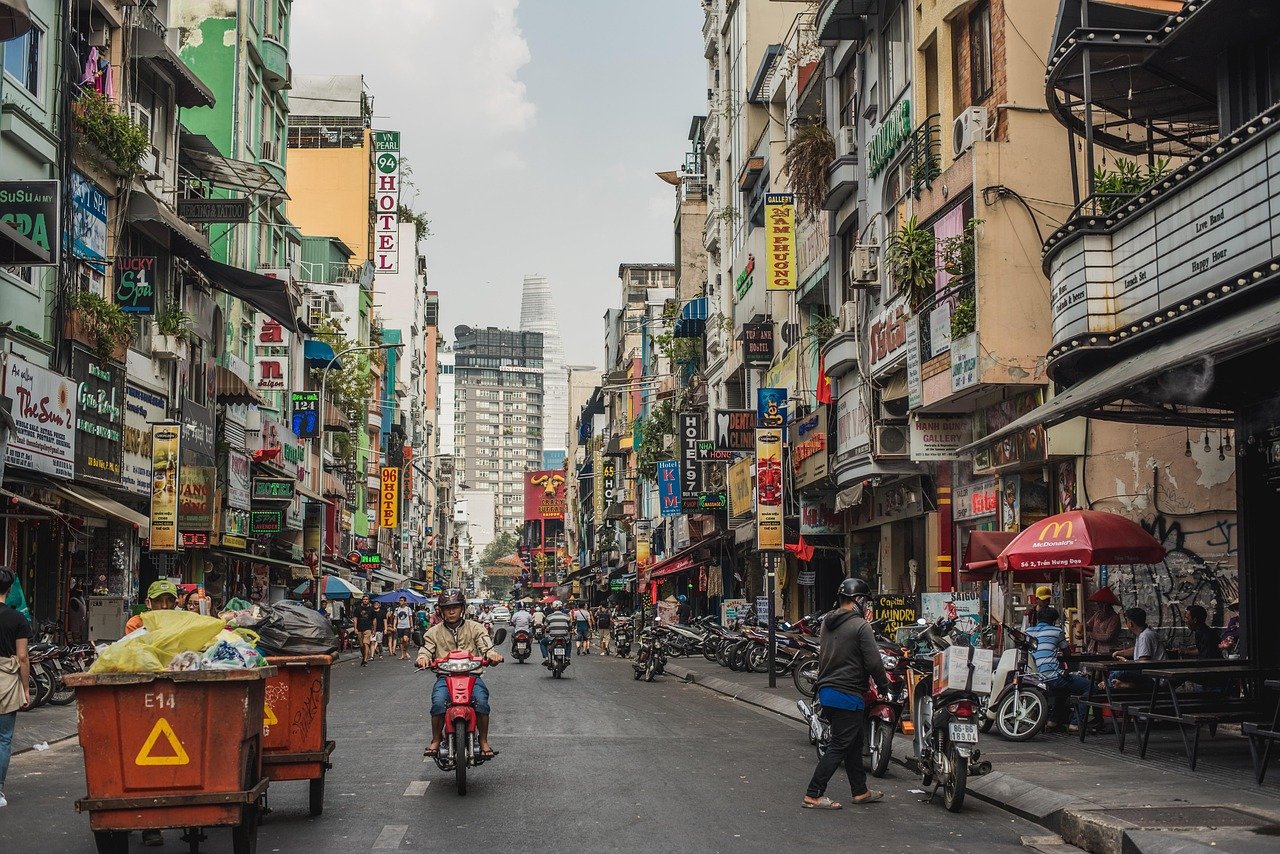
Xiangkhouang, in northeastern Laos, is known for the enigmatic Plain of Jars, rolling green hills and a history shaped by ancient cultures and later conflict. Its quiet towns and rural landscapes offer a slower, more reflective travel experience.
Xaisomboun
Xaisomboun is a remote, mountainous town in central Laos, surrounded by rugged landscapes, ethnic communities and a quiet, off-the-beaten-path atmosphere.
Vientiane
Vientiane, Laos's serene capital on the Mekong River, blends Buddhist temples and French colonial architecture with a relaxed riverside atmosphere. Its leafy boulevards, markets and landmarks reveal a distinctive mix of tradition and modern life.