Vientiane
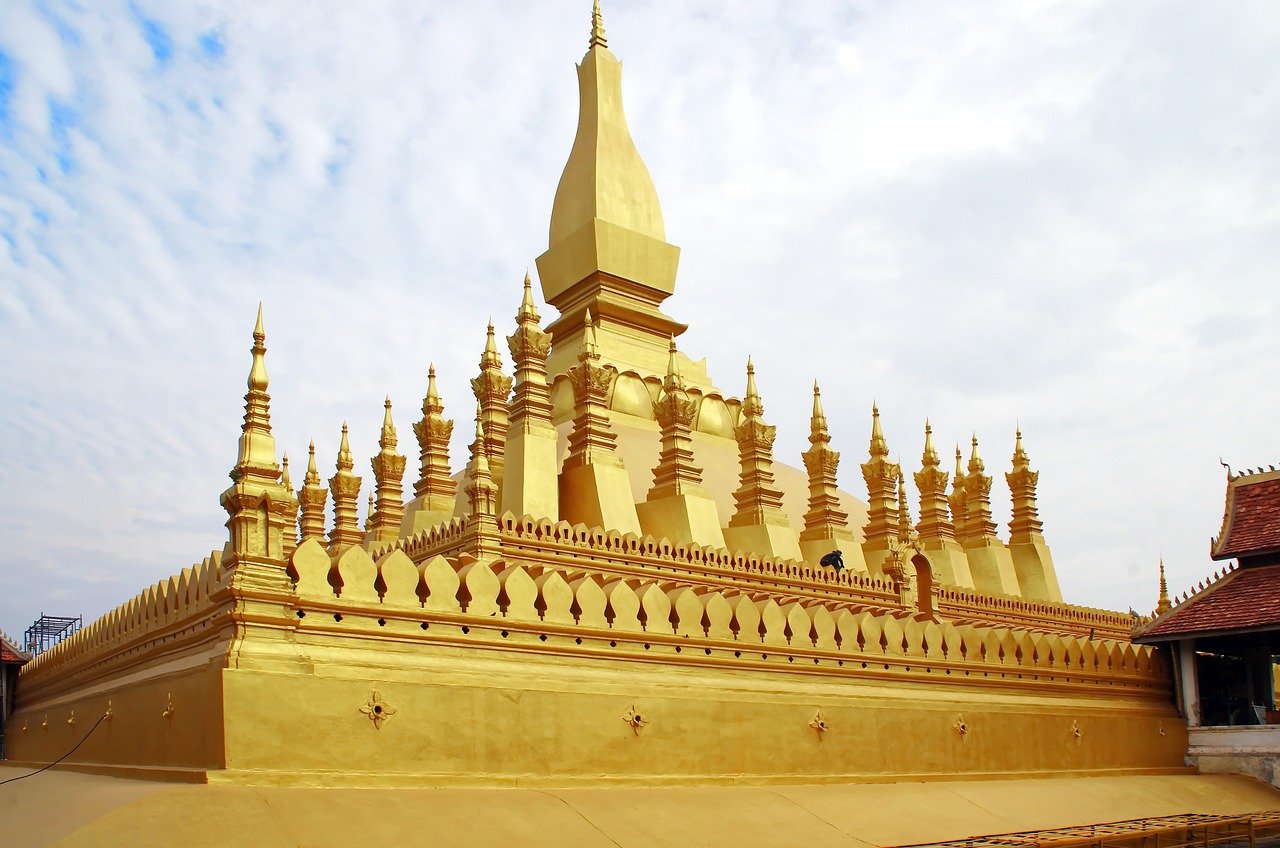
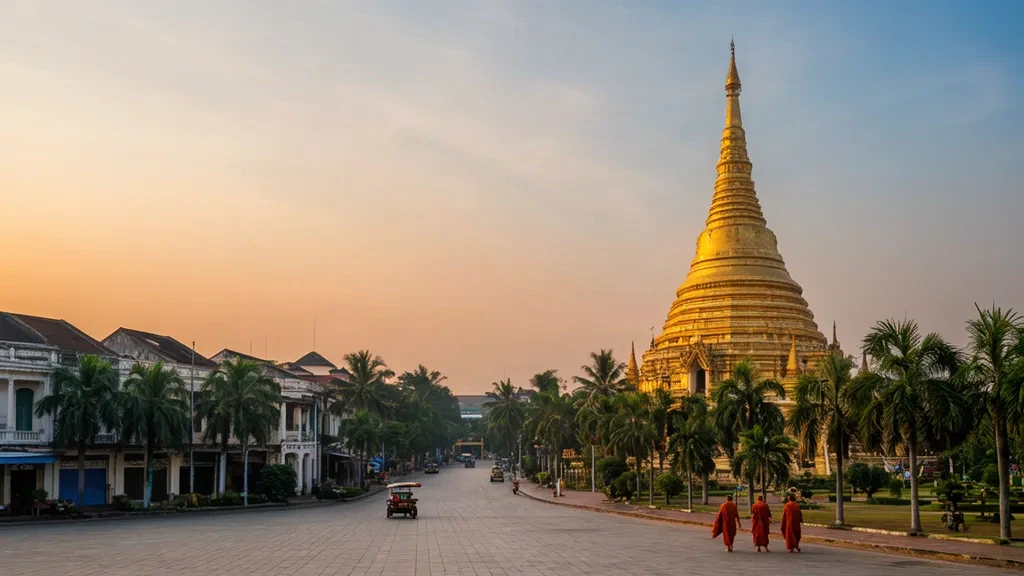
Vientiane, Laos's serene capital on the Mekong River, blends Buddhist temples and French colonial architecture with a relaxed riverside atmosphere. Its leafy boulevards, markets and landmarks reveal a distinctive mix of tradition and modern life.
Passengers
Luggage
About Vientiane
Vientiane is the relaxed capital and largest city of Laos, set along the Mekong River opposite Thailand. It combines Buddhist temples, French colonial architecture, wide boulevards and a compact riverside centre, giving it a much calmer pace than many other Southeast Asian capitals.
Its history stretches from the Lan Xang kingdom and its role as capital in the 16th century through French colonial rule and the conflicts of the 20th century. Key landmarks include the golden Pha That Luang stupa, the Patuxai victory monument, Wat Si Saket, Haw Phra Kaew and the COPE Visitor Centre, which explains the country's ongoing recovery from unexploded ordnance.
The central riverside area around Fa Ngum Road and Setthathirath Road holds many temples, cafés, guesthouses and restaurants. Other draws include the Chao Anouvong night market, the Lao National Museum, and Buddha Park (Xieng Khuan) with its surreal concrete sculptures about 25 km southeast of the centre.
Vientiane is also Laos's political and business centre, with government offices, development agencies, conferences and a growing hospitality scene. Evenings centre on the Mekong riverside, where food stalls, beer gardens and restaurants serve Lao dishes such as laap, tam mak hoong and khao niaw alongside the national Beerlao.
For travellers, Vientiane is both a relaxed destination and a practical gateway. Wattay International Airport and the Laos-China Railway station connect the capital with regional flights and with Vang Vieng and Luang Prabang, making it a natural starting point for exploring Laos.
Vientiane Travel Guide
Best Time to Visit
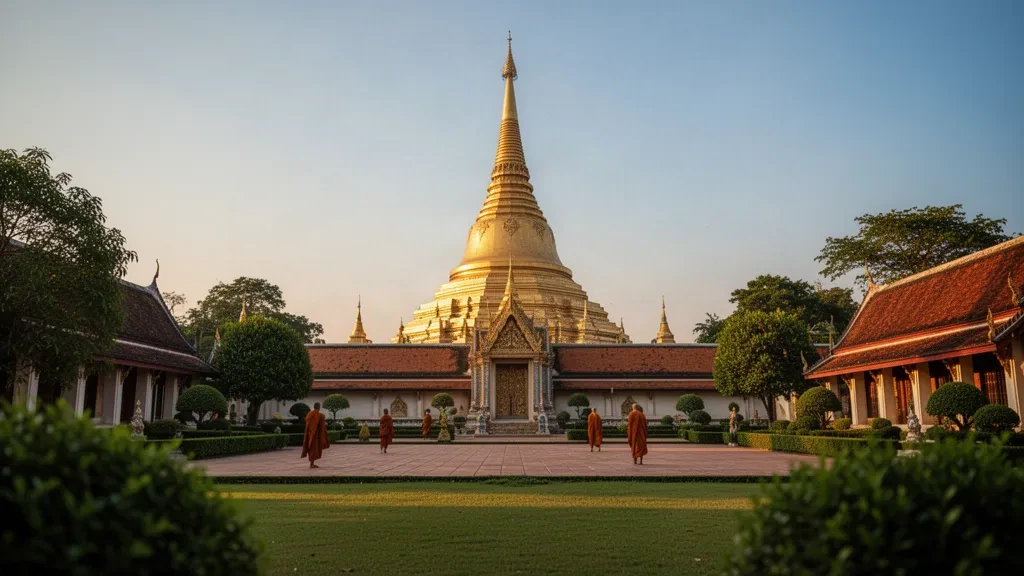
The dry season from November to February is the most comfortable time, with cooler temperatures and little rain. April and May are the hottest months, while the May to October monsoon brings heavy but usually short showers; Lao New Year in April and the That Luang Festival in November are major events.
How to Get Around
Central Vientiane is compact and easy to explore on foot or by bicycle, while tuk-tuks, taxis and ride-hailing apps cover longer trips. Public buses run on key routes, and the Laos-China Railway links Vientiane with Vang Vieng and Luang Prabang.
Where to Stay
The riverside and Setthathirath Road area are convenient for first-time visitors, with temples, restaurants and the night market nearby. Areas near Wattay Airport and Thadeua Road suit short stays, while the wider centre offers guesthouses, boutique hotels and international brands.
Food & Drink
Lao dishes such as laap, tam mak hoong, khao niaw and noodle soups are served in family-run restaurants and markets across the city. The Chao Anouvong night market and Mekong riverside stalls are popular after dark, alongside local cafés, French bakeries and Beerlao.
Ground Transportation Services in Vientiane
Airport Transfers
Travel between Wattay International Airport and hotels, business districts, event venues and other destinations across Vientiane in a pre-booked private car.
Hourly Chauffeur
Book a private chauffeur by the hour for business meetings, embassy visits, sightseeing and flexible travel around Vientiane.
Car Rental
Rent a car in Vientiane for independent travel around the capital and convenient journeys to nearby destinations such as Buddha Park, Vang Vieng or the Thai-Lao Friendship Bridge.
Bus & Group Transfers
Arrange minibuses or charter buses for group arrivals, corporate events, conferences, airport transfers and sightseeing tours in and around Vientiane.
Frequently Asked Questions
Related Cities in Laos
View all
Xiangkhouang
Xiangkhouang, in northeastern Laos, is known for the enigmatic Plain of Jars, rolling green hills and a history shaped by ancient cultures and later conflict. Its quiet towns and rural landscapes offer a slower, more reflective travel experience.
Xaisomboun
Xaisomboun is a remote, mountainous town in central Laos, surrounded by rugged landscapes, ethnic communities and a quiet, off-the-beaten-path atmosphere.
Vientiane
Vientiane, Laos's riverside capital, blends golden Buddhist stupas and French colonial architecture with relaxed Mekong promenades and a growing contemporary food and cafe scene.