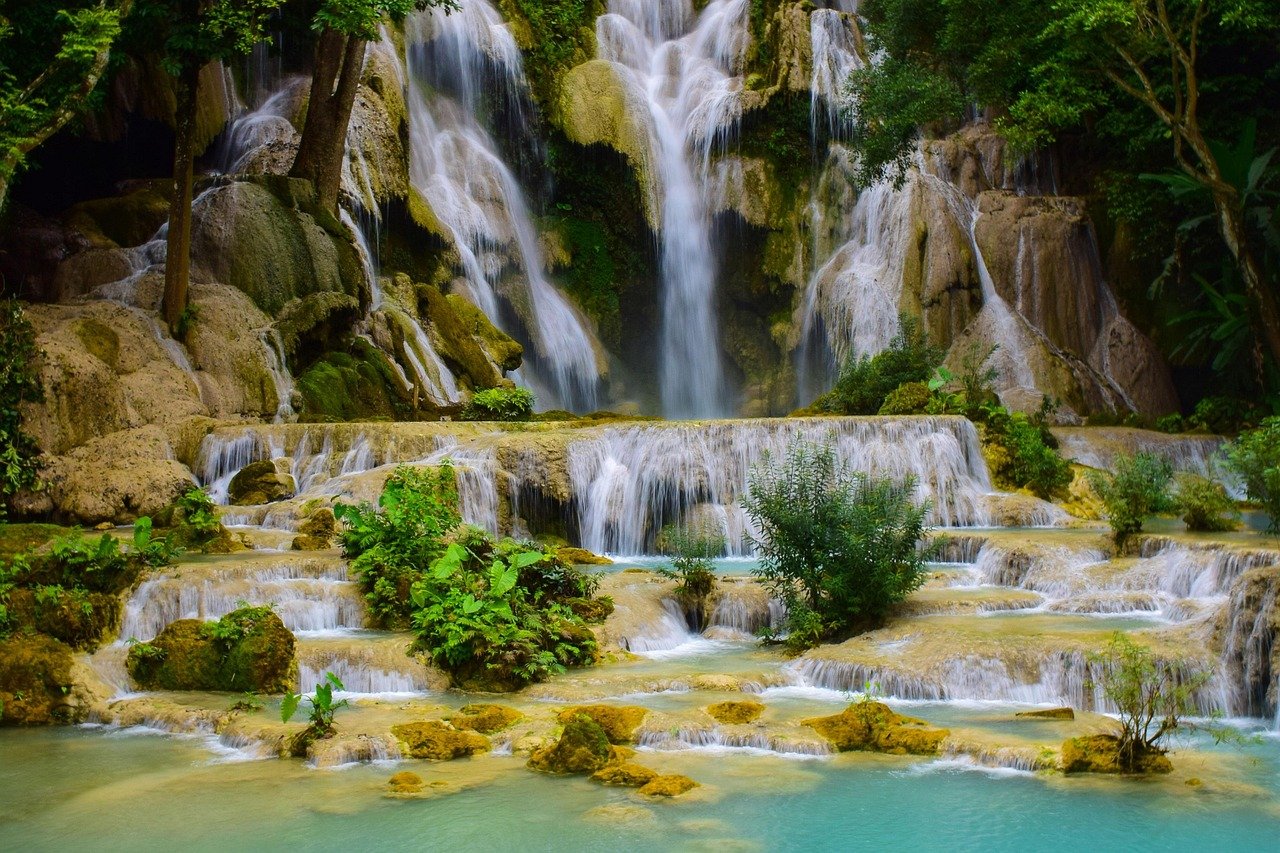
Luang Namtha
Set in a valley in northern Laos, Luang Namtha blends ethnic diversity, Buddhist traditions and easy access to forested mountains, making it a base for trekking and exploring the upper Mekong region.
Passengers
Luggage
About Luang Namtha
Luang Namtha is a compact provincial capital in northwestern Laos, close to the borders with China and Myanmar, and best known as a gateway to the Nam Ha National Protected Area. The town has a low-rise, unhurried character, with markets, guesthouses and trekking agencies clustered around its two main centres: the older riverside area and the newer commercial district.
Historically, the town sits in a region shaped by migration and trade along routes linking Laos, China and neighbouring hill communities. It was rebuilt after wartime destruction, which is why much of today's town is relatively modern. The surrounding province remains home to numerous ethnic groups, including Tai Lue, Tai Dam, Khmu, Akha, Lanten and Hmong communities, and local culture is closely tied to these villages and traditions.
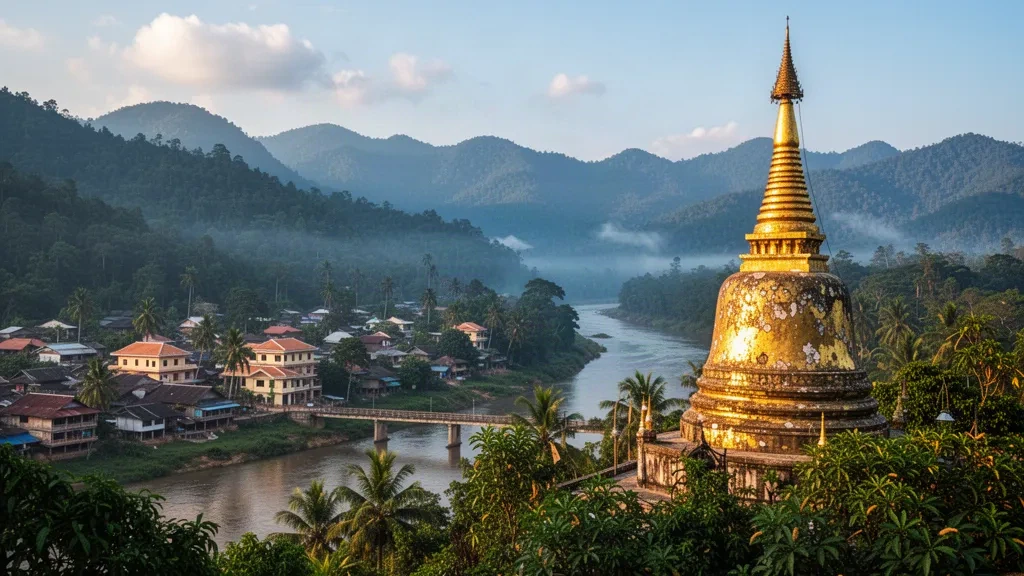
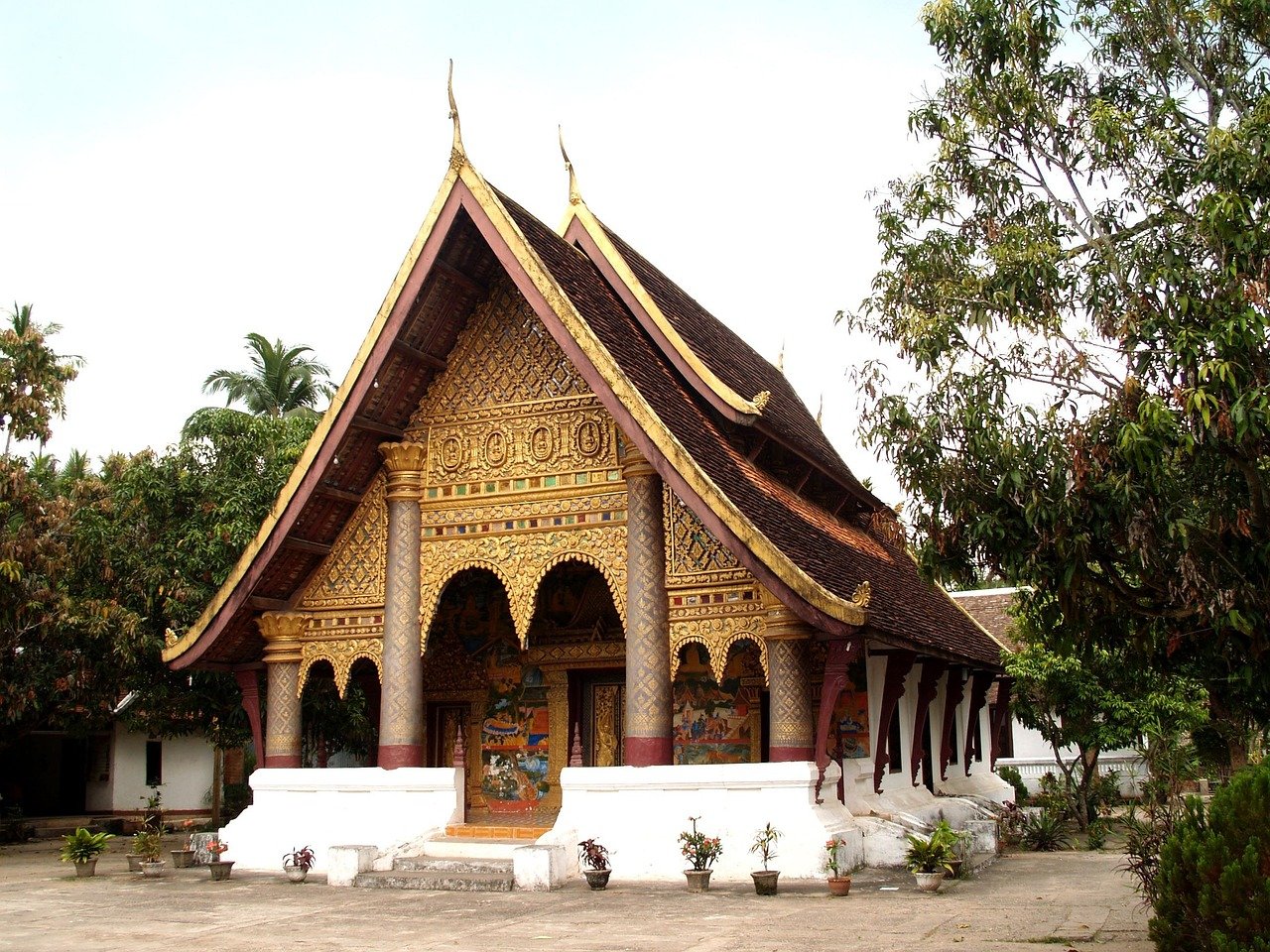
Key landmarks include the Luang Namtha Museum, which documents local ethnic heritage, and the gilded Samakkhixay Stupa on a hillside overlooking the town. Visitors mainly come for guided jungle treks, river trips and village visits in Nam Ha NPA, one of Southeast Asia's leading ecotourism destinations, along with cycling routes through rice paddies and nearby valleys.
The town is also an important stop on northern Laos overland routes, with a small domestic airport, bus connections to Vientiane and Huay Xai, and road links toward the Chinese border at Boten. Cafés, night market stalls and family-run restaurants serve Lao and regional food, while guesthouses and simple hotels cater to trekkers and independent travellers.
For both leisure and business visitors, Luang Namtha offers a practical base for exploring protected forest, ethnic villages and cross-border trade routes, though its tourism infrastructure remains modest and nature-focused rather than urban.
Luang Namtha Travel Guide
Best Time to Visit
The dry season from November to February is the most pleasant time for trekking, cycling and village visits, with cooler temperatures and clearer skies. March to May gets hotter, while the rainy season from June to October makes trails muddy but brings lush green scenery.
How to Get Around
Luang Namtha is compact and flat enough to explore the old town, markets and riverside on foot or by rented bicycle. Tuk-tuks and songthaews connect the bus station, airport, old town and new town, and motorbikes or cars can be rented for trips further out.
Where to Stay
Most guesthouses and small hotels are concentrated in the old town near the river or along the main street, within walking distance of trekking agencies, restaurants and the night market. Simple eco-lodges and homestays are available in villages and on the edge of Nam Ha National Protected Area.
Food & Drink
Local restaurants serve Lao staples such as sticky rice, noodle soup, laap and grilled meat, while the night market offers cheap dishes and fresh fruit. Coffee, fruit shakes and a few international options are also available around the guesthouse area.
Ground Transportation Services in Luang Namtha
Airport Transfers
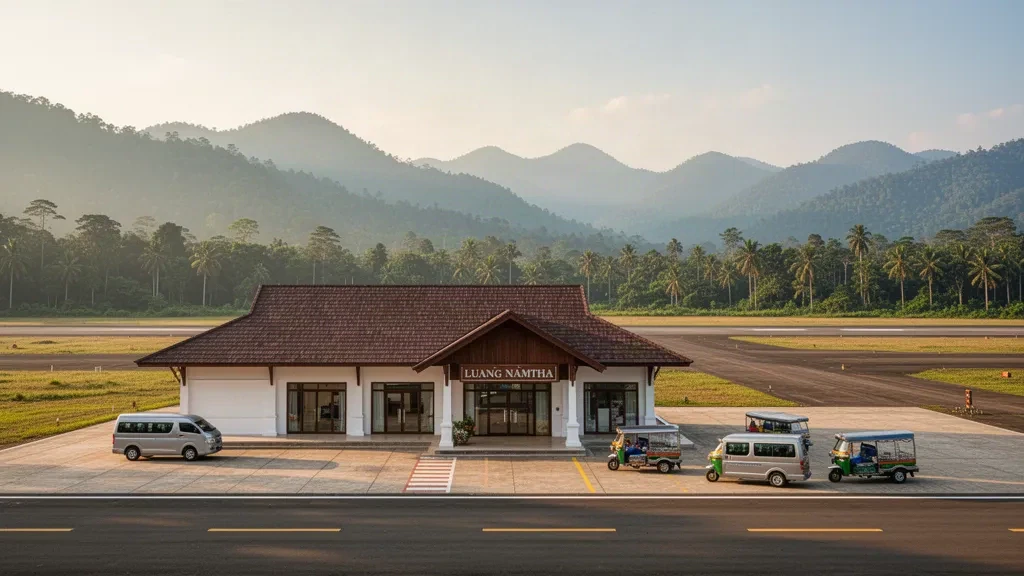
Travel between Luang Namtha Airport (LXG) and guesthouses, hotels, trekking offices and other points across the old and new town areas.
Hourly Chauffeur
Book a private driver by the hour for visits to the Samakkhixay Stupa, nearby ethnic villages, markets or flexible travel around Luang Namtha.
Car Rental
Rent a car or 4WD in Luang Namtha for independent travel around the province and routes toward Muang Sing, Huay Xai or the Chinese border at Boten.
Bus & Group Transfers
Arrange minibuses or charter buses for trekking groups, border crossings, events and transfers between Luang Namtha and nearby destinations.
Frequently Asked Questions
Related Cities in Laos
View all
Xiangkhouang
Xiangkhouang, in northeastern Laos, is known for the enigmatic Plain of Jars, rolling green hills and a history shaped by ancient cultures and later conflict. Its quiet towns and rural landscapes offer a slower, more reflective travel experience.
Xaisomboun
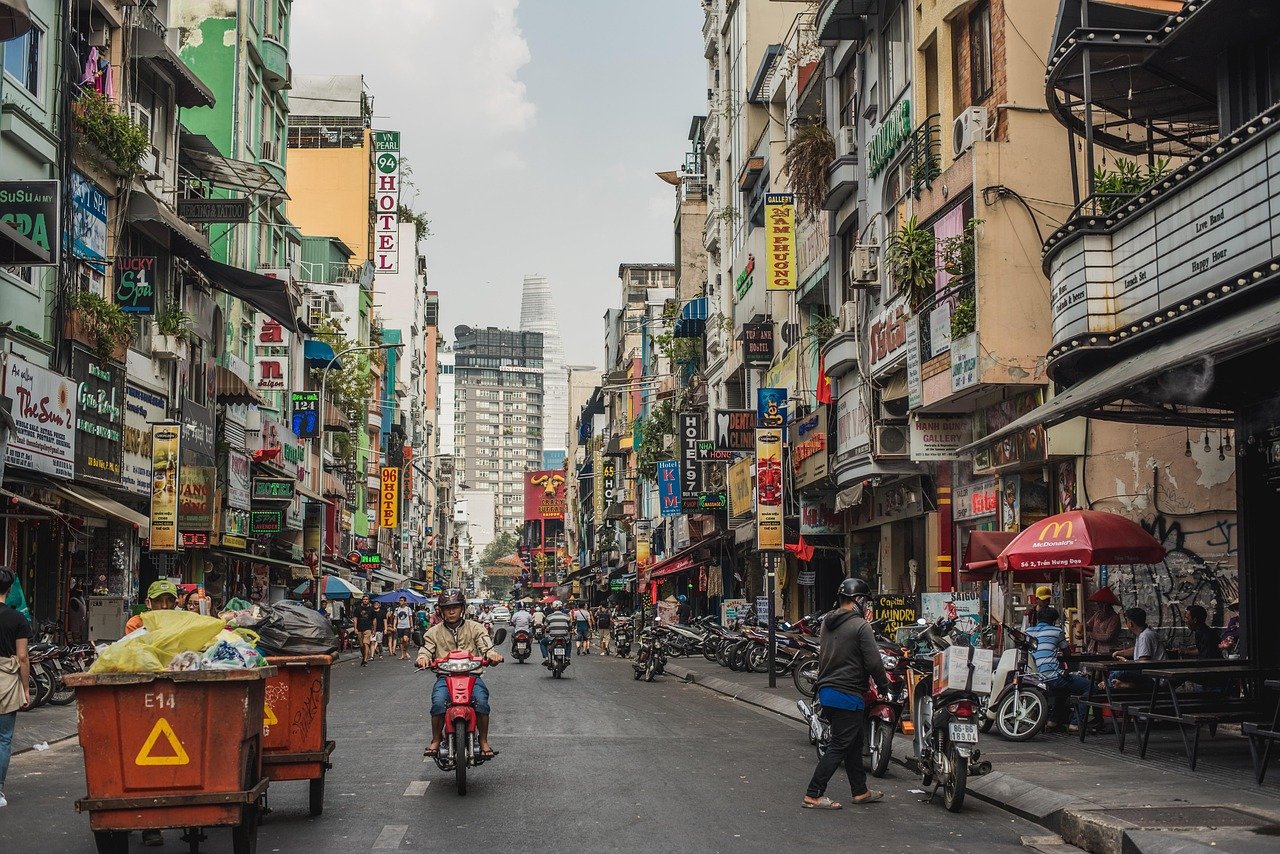
Xaisomboun is a remote, mountainous town in central Laos, surrounded by rugged landscapes, ethnic communities and a quiet, off-the-beaten-path atmosphere.
Vientiane
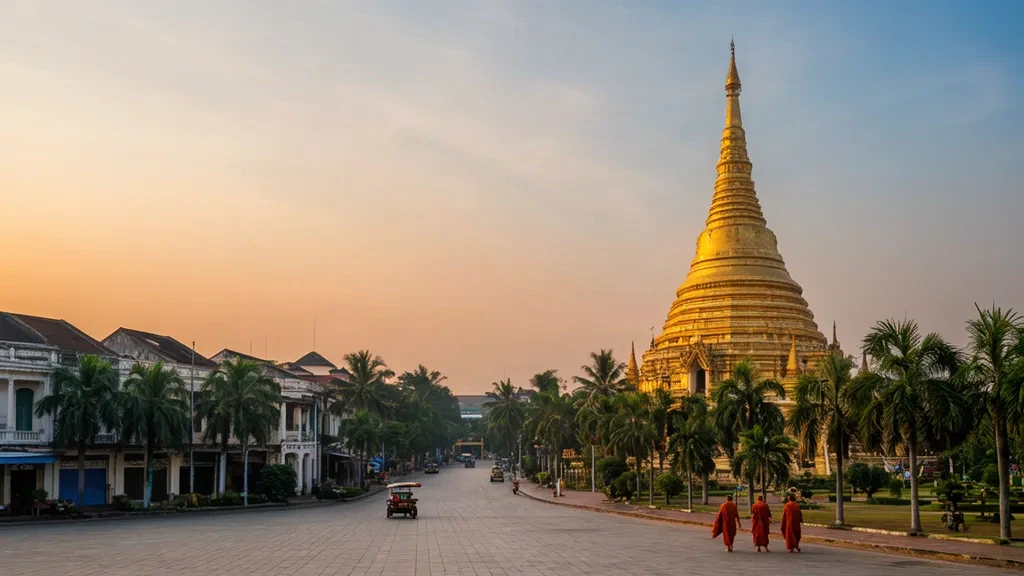
Vientiane, Laos's riverside capital, blends golden Buddhist stupas and French colonial architecture with relaxed Mekong promenades and a growing contemporary food and cafe scene.