Tana River
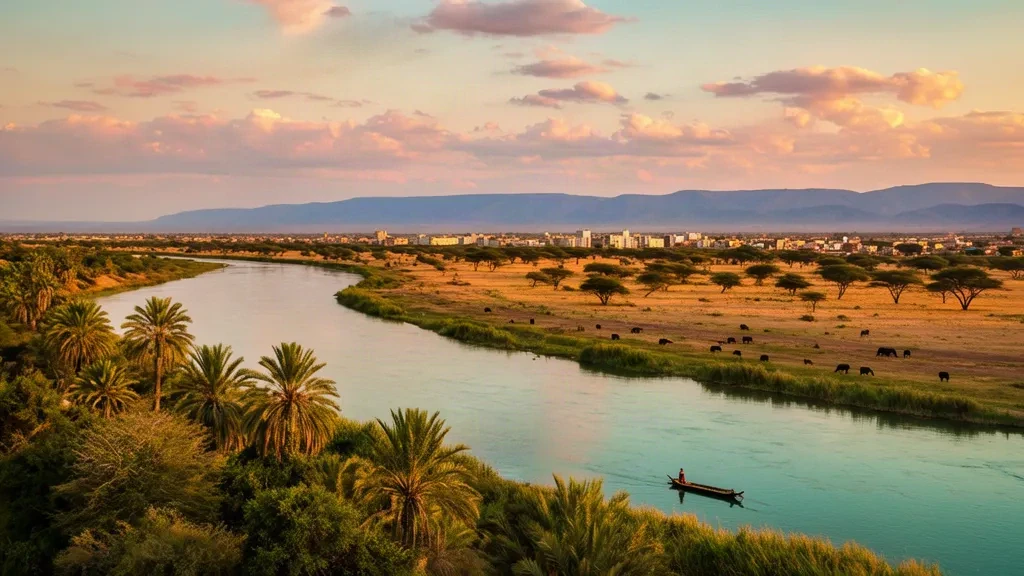
Tana River, shaped by Kenya's longest river, blends fertile floodplains, diverse communities and a rich cultural heritage with access to wildlife and delta landscapes.
Passengers
Luggage
About Tana River
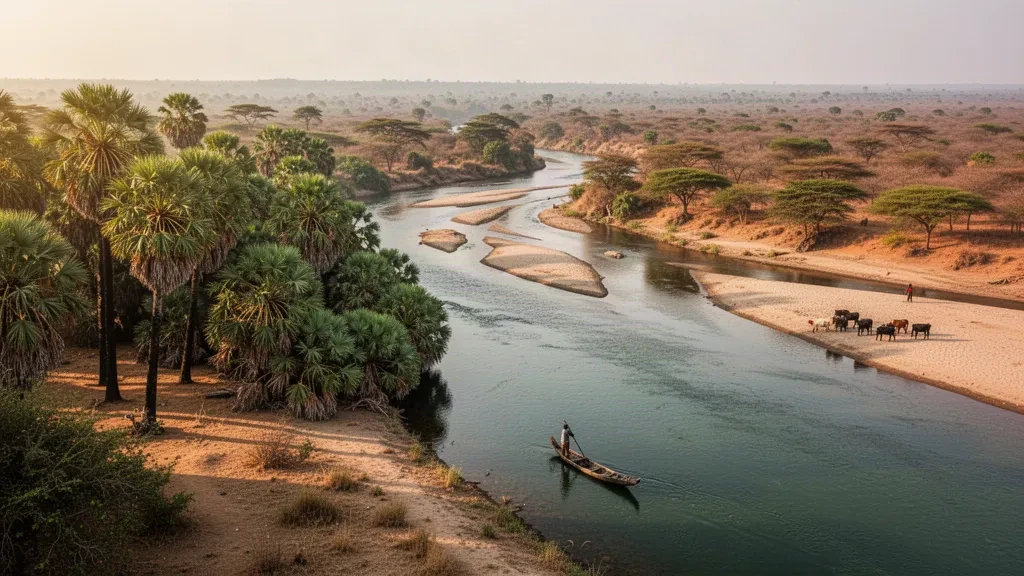
Tana River County lies in Kenya's Coast region and is named after the Tana River, the country's longest river, which flows through it for hundreds of kilometres before reaching the Indian Ocean. Its capital and largest town is Hola, also known as Galole. Much of the county is hot, dry and sparsely populated, with settlement and farming concentrated along the river.
The river has shaped the area's identity for generations. Pokomo farming communities and Orma pastoralists are among the main groups living along its banks and plains. Historic irrigation schemes at Hola and Bura turned parts of the semi-arid landscape into farmland, and the river remains central to daily life, trade and transport in many villages.
Travellers come for open landscapes rather than city life. Kora National Park, in the western part of the county, protects rugged bushland along the Tana and is known for its link with conservationist George Adamson. Downstream, the Tana River Delta is an extensive wetland and important bird habitat, while riverine forests shelter the endangered Tana River red colobus and Tana River mangabey. Arawale National Reserve lies in the county's north-east.
The main centres are Hola, Garsen and Bura, each with markets, shops and simple services. Agriculture, livestock keeping and fishing support the local economy, with rice, maize, mangoes, bananas and honey produced in the irrigation schemes and riverine areas. Roads are limited and conditions vary with the seasons, so travel usually requires patience and a suitable vehicle.
Tana River County suits travellers interested in wildlife, birdwatching, river landscapes and a less-visited side of Kenya, as well as business visitors working in agriculture, water, energy or development projects. It offers a slow-paced, authentic experience far from the busier safari circuits.
Tana River Travel Guide
Best Time to Visit
The dry seasons from January to February and June to October are the most practical times to visit, with better road conditions and easier access to parks and river areas. The long rains from March to May and short rains in October to December can make remote roads muddy or impassable.
How to Get Around
Getting around relies mainly on road travel, with matatus, shared taxis and boda boda motorcycle taxis connecting Hola, Garsen and Bura. For longer distances and park visits, a private 4x4 vehicle with a driver is usually the most reliable option, and local guidance helps on unsealed rural roads.
Where to Stay
Accommodation is limited and concentrated in Hola, where guesthouses and small hotels provide basic comfort. A few camps and lodges serve visitors near Kora National Park and Garsen, so advance booking is recommended, especially for groups or during busy periods.
Food & Drink
Meals in Tana River County often feature rice, maize, fish from the Tana, goat meat and seasonal fruits such as mangoes and bananas. Small restaurants and food stalls in Hola, Garsen and Bura serve local dishes, with tea, coffee and fresh juice widely available.
Ground Transportation Services in Tana River
Airport Transfers
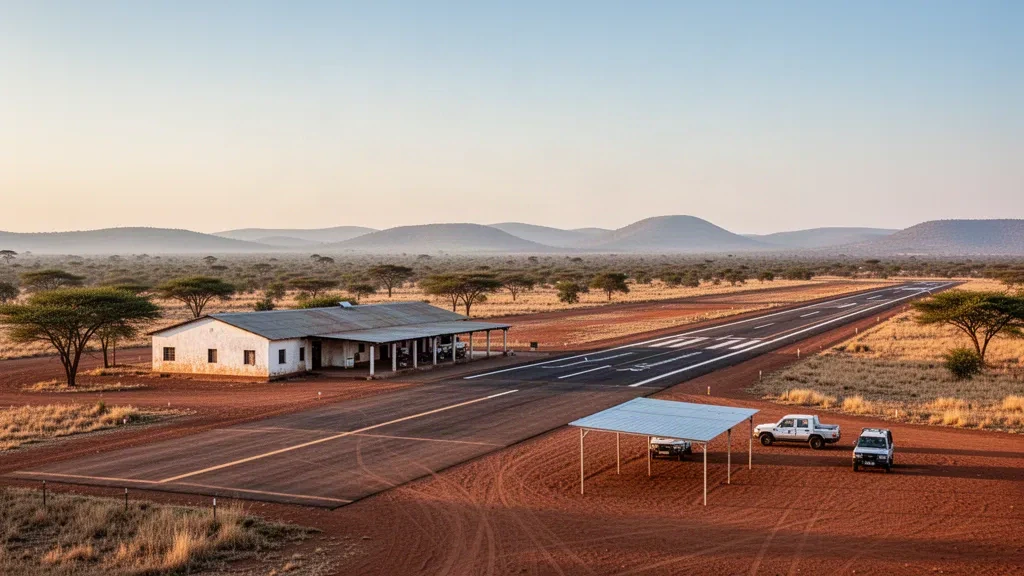
Arrange transfers between Hola Airport or the larger airports at Malindi and Lamu, and hotels, towns and project sites across Tana River County.
Hourly Chauffeur
Book a private chauffeur by the hour for meetings, field visits, market tours and flexible travel around Hola, Garsen, Bura and nearby attractions.
Car Rental
Rent a 4x4 vehicle in Tana River County for independent travel on rural roads and convenient access to Kora National Park and the Tana River Delta.
Bus & Group Transfers
Arrange minibuses or charter buses for groups, development teams, events, airport transfers and tours across Tana River County.
Frequently Asked Questions
Related Cities in Kenya
View all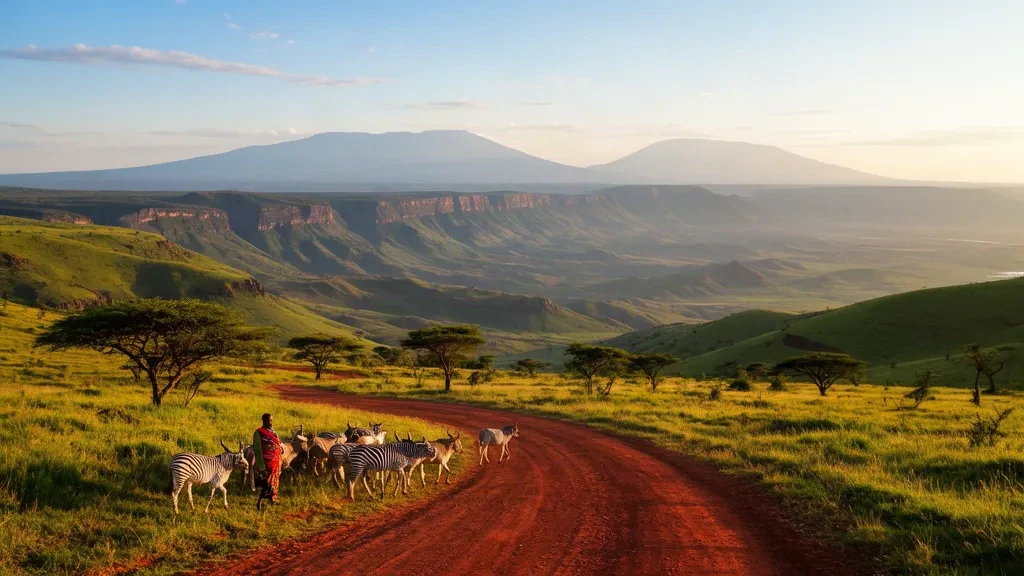
West Pokot
West Pokot, home to Kapenguria and the Cherangani Hills, blends Pokot cultural traditions with highland scenery and a remote, rugged travel landscape.
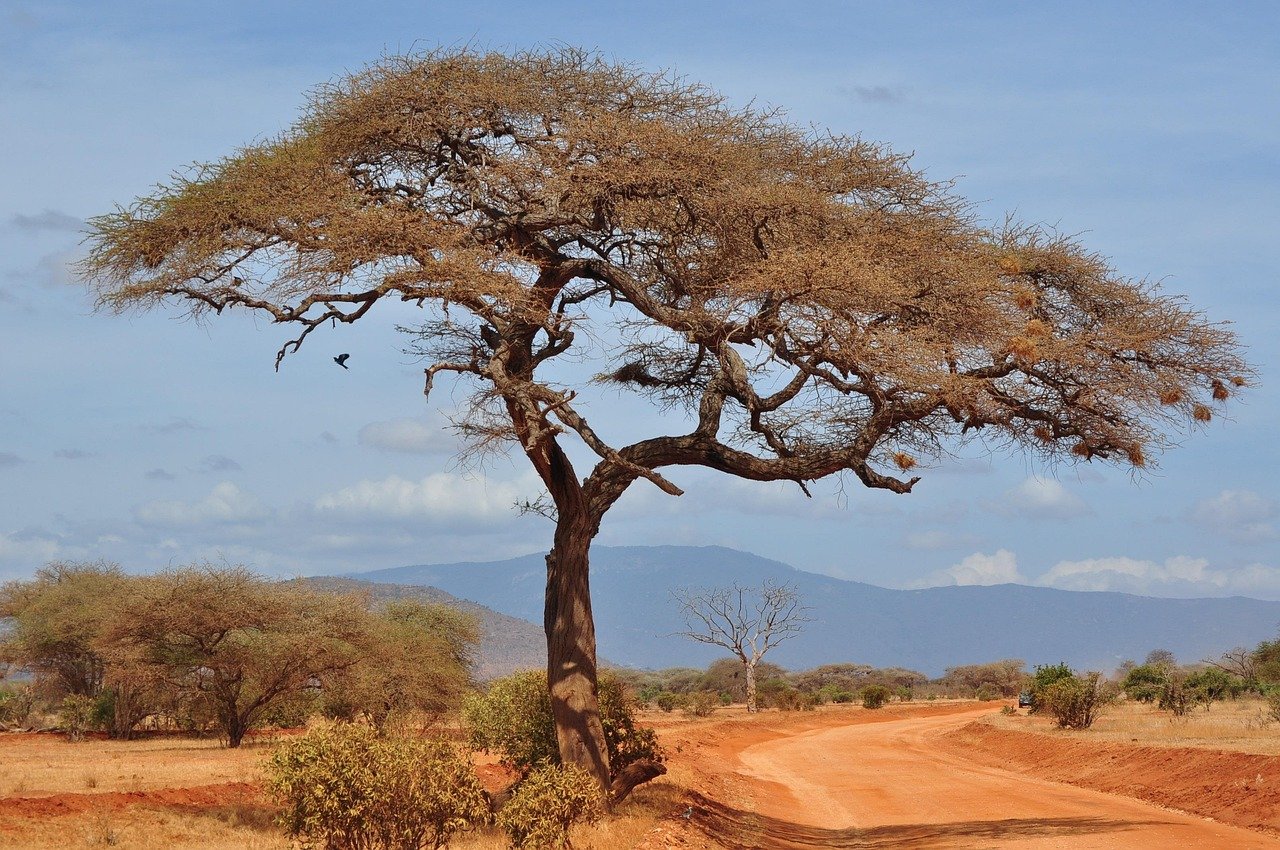
Wajir
Wajir, a historic town in northeastern Kenya, blends Somali heritage, lively markets and the stark beauty of the surrounding arid plains.
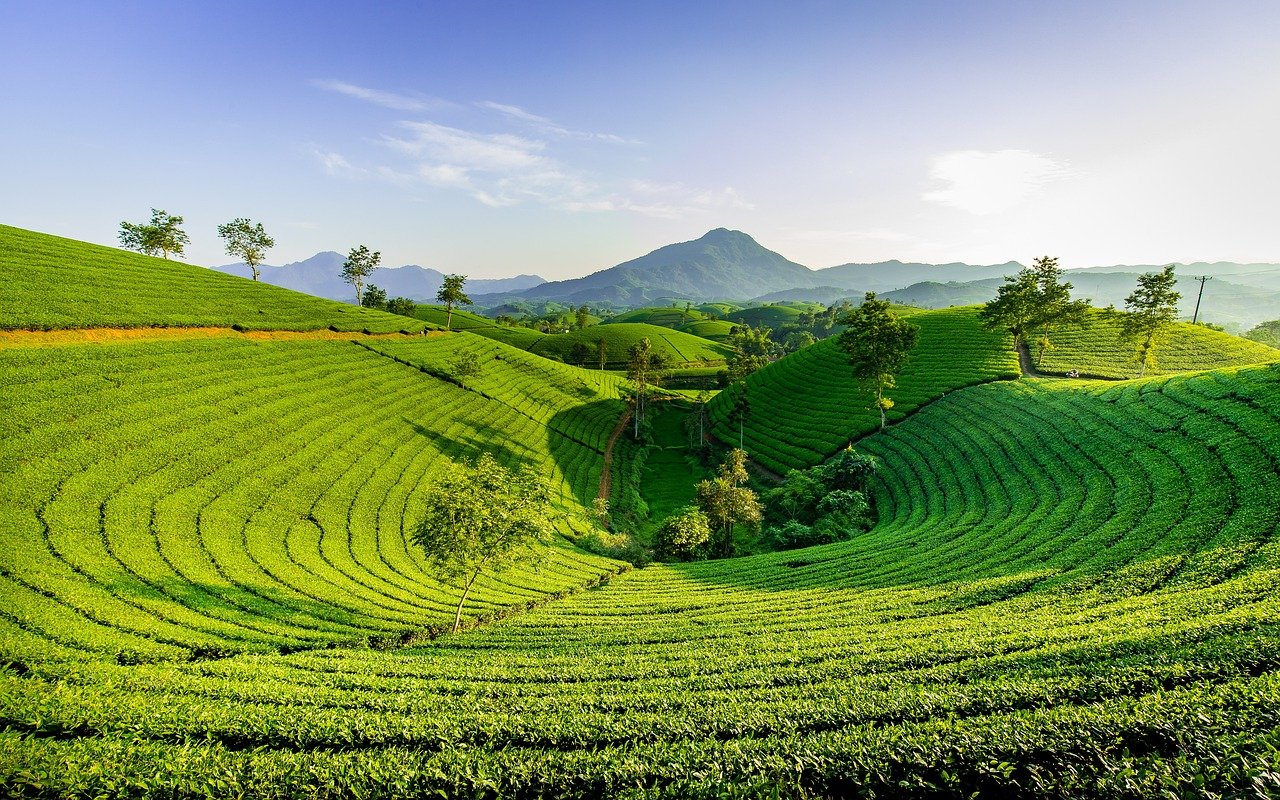
Vihiga
Vihiga, a town in western Kenya's Vihiga County, is set among rolling hills and known for its vibrant markets and Luhya cultural heritage.