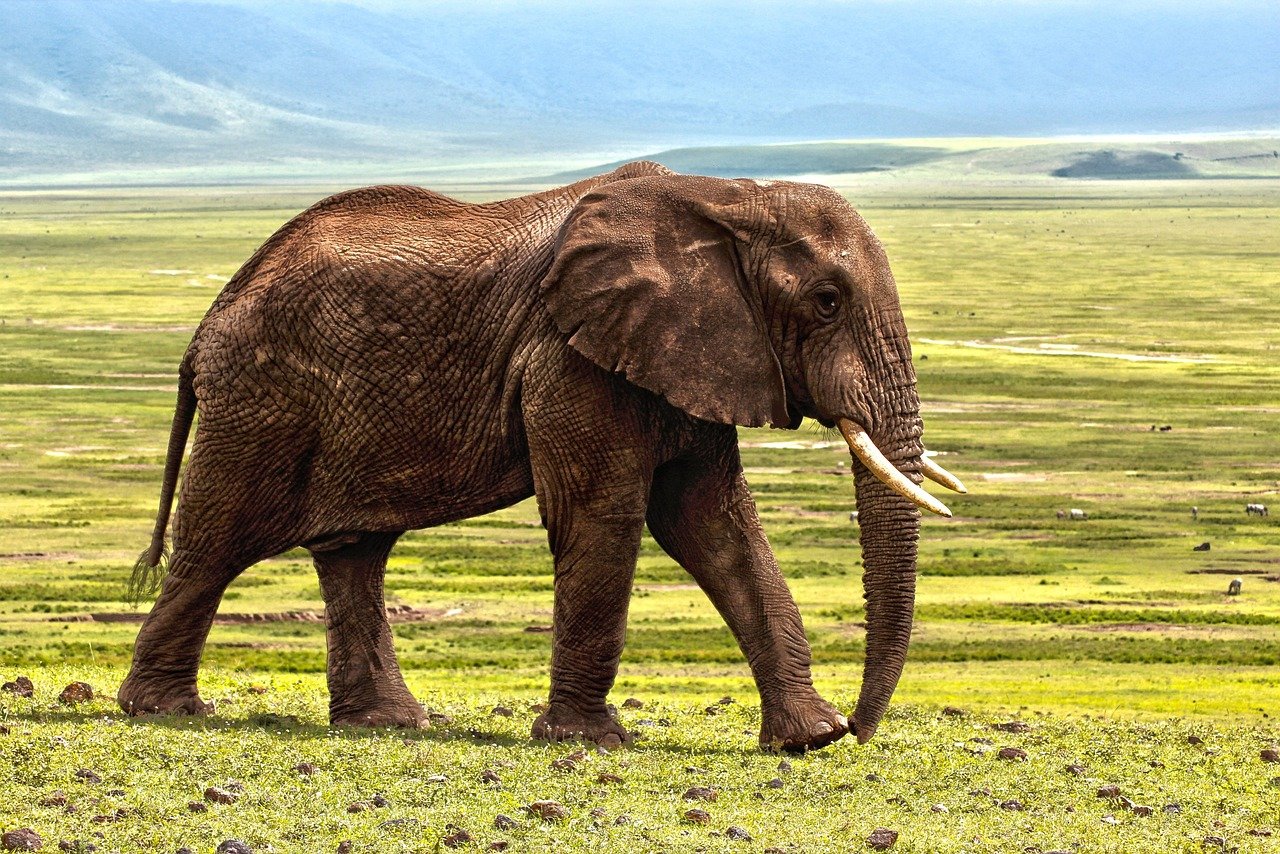
Samburu
Samburu, in northern Kenya, is known for its semi-arid landscapes, wildlife reserves and the rich culture of the Samburu people.
Passengers
Luggage
About Samburu
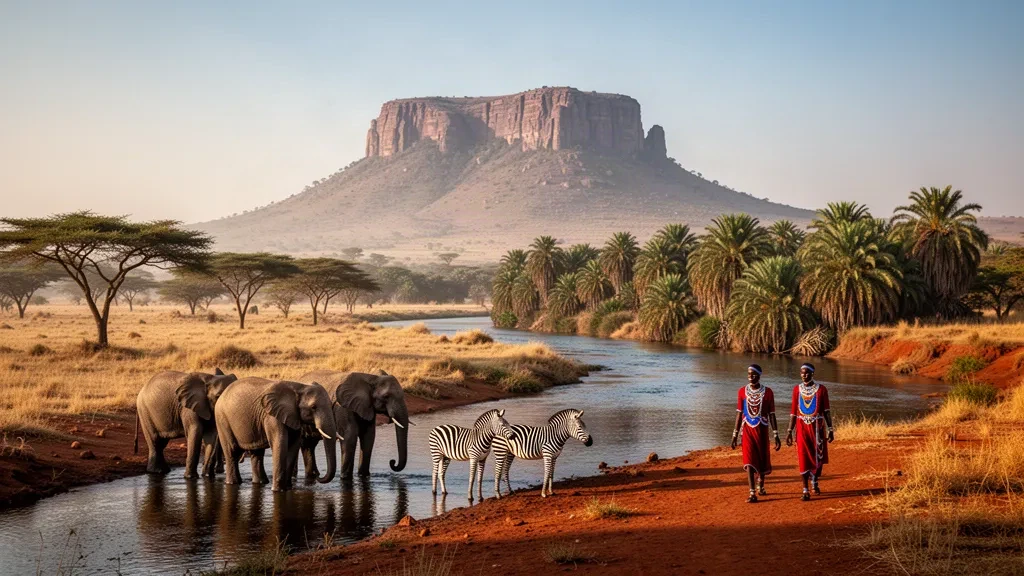
Samburu is a remote and rugged safari destination in northern Kenya, set within Samburu County and shaped by the Ewaso Ng'iro River. The region is best known for Samburu National Reserve, together with the adjoining Buffalo Springs and Shaba reserves, where acacia woodland, riverine forest and semi-arid plains support an unusually rich concentration of wildlife.
The area takes its name from the Samburu people, semi-nomadic pastoralists related to the Maasai who are known for their distinctive red shukas, intricate beadwork and manyatta settlements. Maralal, the county capital, is the main administrative and trading centre and hosts the annual Maralal International Camel Derby, while the wider region's history stretches from early human sites near Lake Turkana to its time as part of Kenya's Northern Frontier District.
Safari visitors come primarily for the Samburu Special Five: Grevy's zebra, reticulated giraffe, Beisa oryx, Somali ostrich and gerenuk, along with elephant, lion, leopard and abundant birdlife along the river. Cultural visits to Samburu communities, camel treks and excursions to landmarks such as Ololokwe, the Mathews Range and the Kirisia Hills add variety beyond game drives.
Tourism, community conservancies, livestock and trade anchor the local economy, and the region's safari lodges and tented camps draw both leisure travellers and conservation-focused visitors. Its combination of distinctive wildlife, living pastoralist culture and accessible yet wild landscapes makes Samburu a compelling stop on Kenya's northern safari circuit.
Samburu Travel Guide
Best Time to Visit
The dry seasons from June to October and December to March are the best times for wildlife viewing, with animals concentrated around the Ewaso Ng'iro River. Rainy periods from late March to May and in November can make tracks muddy and reduce access in some areas.
How to Get Around
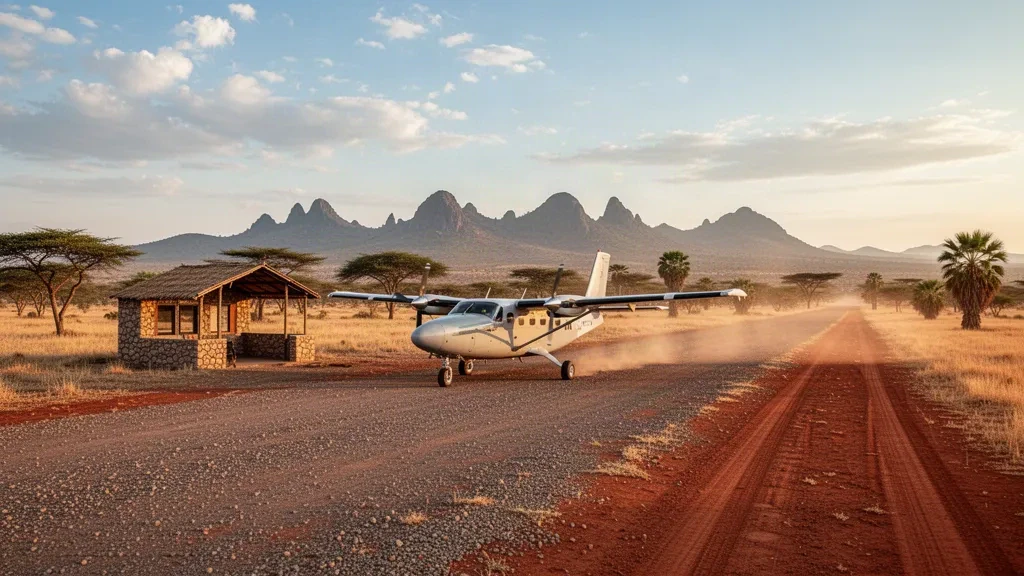
Most visitors explore Samburu on guided game drives in four-wheel-drive safari vehicles suited to the reserve's rugged tracks. Road transfers connect Nairobi, Nanyuki and Isiolo with Archer's Post and Maralal, while light aircraft serve the Buffalo Spring airstrip.
Where to Stay
Lodges and tented camps cluster along the Ewaso Ng'iro River inside and around Samburu National Reserve, offering wildlife views and guided activities. Maralal and other towns provide simpler guesthouses, small hotels and local services for travellers arriving by road.
Food & Drink
Safari lodges and camps generally serve full-board meals that mix Kenyan, Swahili and international dishes. In Maralal and nearby towns, visitors can find local cafés, nyama choma grilled meat, tea and fresh produce from small markets.
Ground Transportation Services in Samburu
Airport Transfers
Travel between Samburu Buffalo Spring Airport and lodges, camps, Maralal, Archer's Post and other destinations across the Samburu region.
Hourly Chauffeur
Book a private driver by the hour for game drives, cultural visits, business meetings and flexible travel around Samburu and nearby towns.
Car Rental
Rent a four-wheel-drive vehicle for road travel between Nairobi, Nanyuki, Isiolo, Maralal and the reserves, or for independent journeys around the region.
Bus & Group Transfers
Arrange minibuses, safari vehicles or charter buses for groups, events, corporate travel and multi-stop journeys across Samburu County and the national reserves.
Frequently Asked Questions
Related Cities in Kenya
View all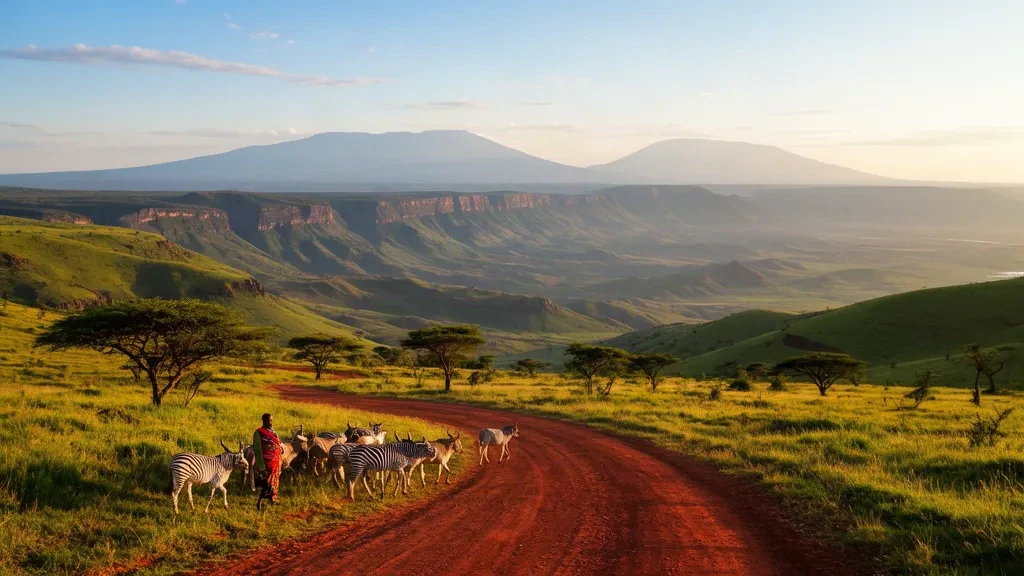
West Pokot
West Pokot, home to Kapenguria and the Cherangani Hills, blends Pokot cultural traditions with highland scenery and a remote, rugged travel landscape.
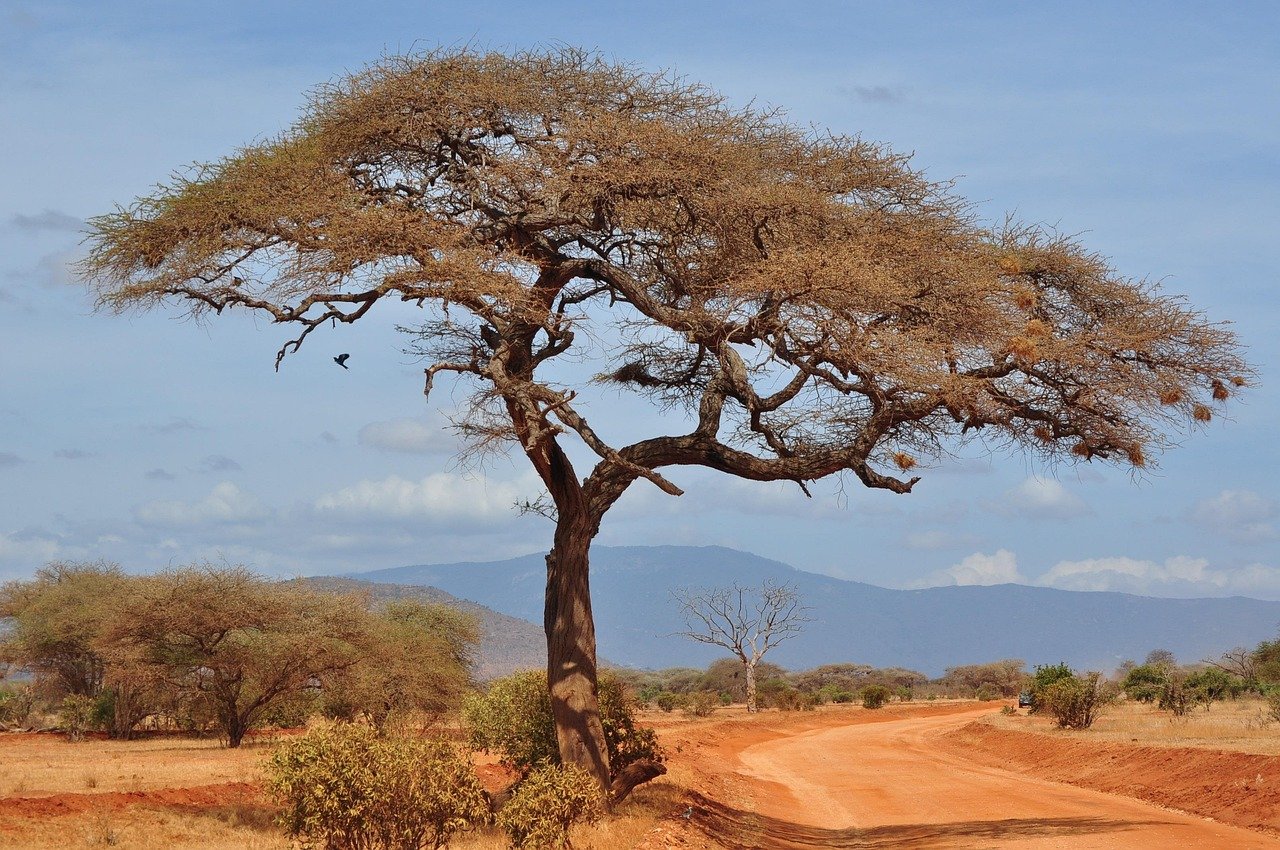
Wajir
Wajir, a historic town in northeastern Kenya, blends Somali heritage, lively markets and the stark beauty of the surrounding arid plains.
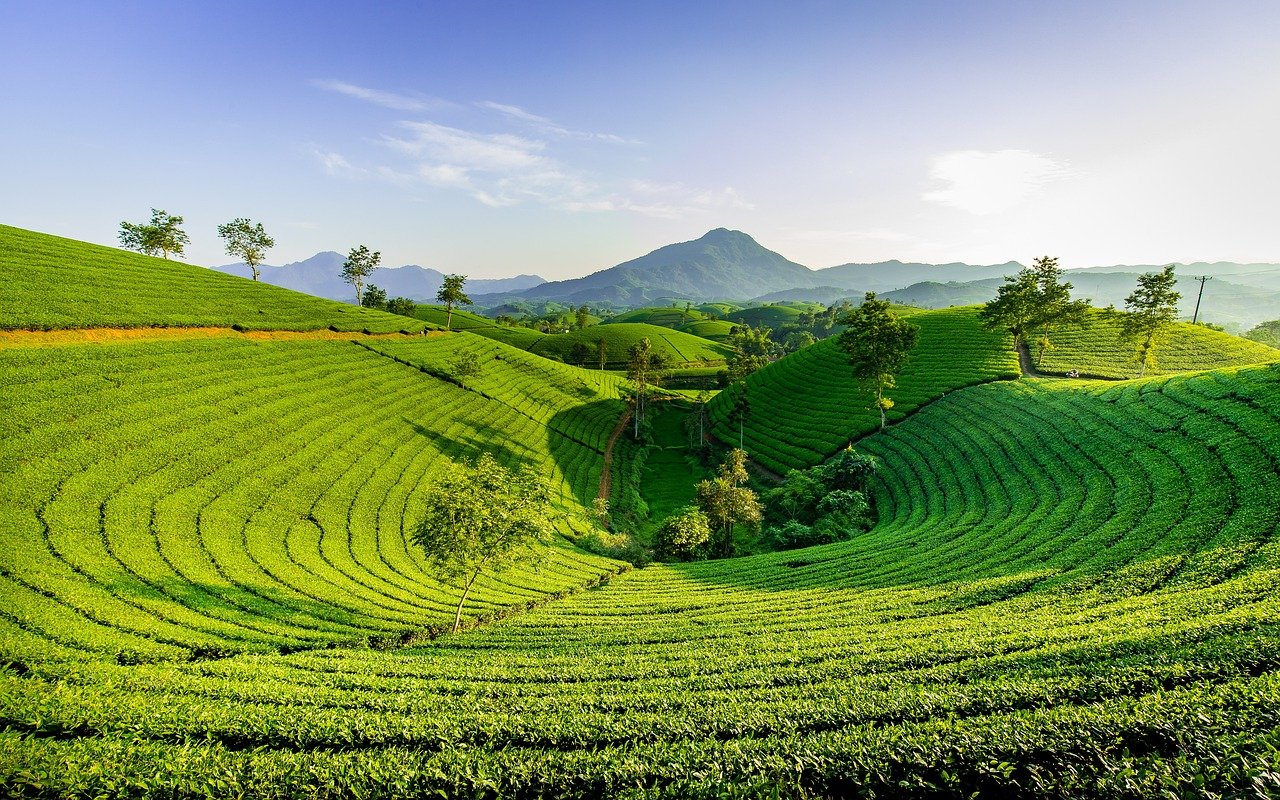
Vihiga
Vihiga, a town in western Kenya's Vihiga County, is set among rolling hills and known for its vibrant markets and Luhya cultural heritage.