Nairobi
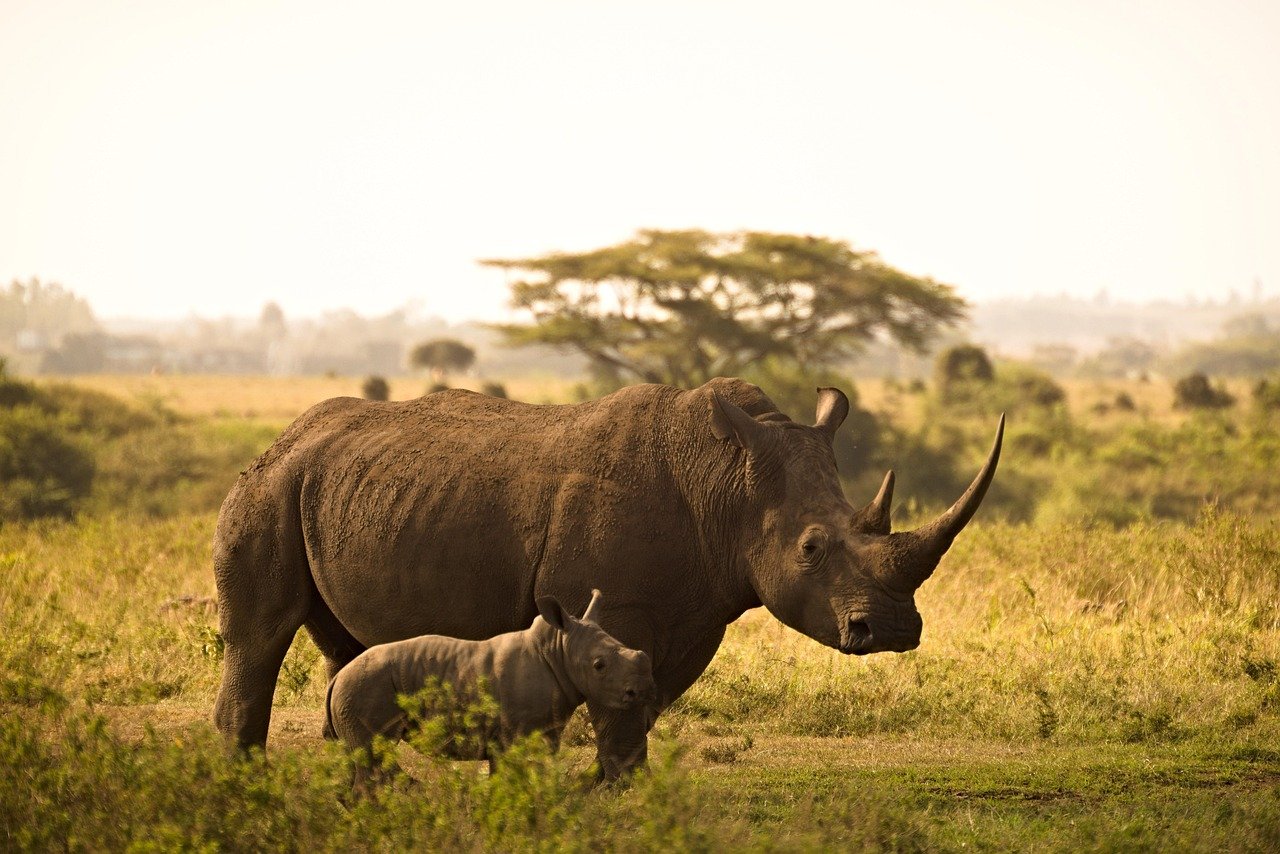
Nairobi, Kenya's capital, is a dynamic East African hub where a modern skyline and busy markets meet the wildlife of Nairobi National Park on the city's edge.
Passengers
Luggage
About Nairobi City
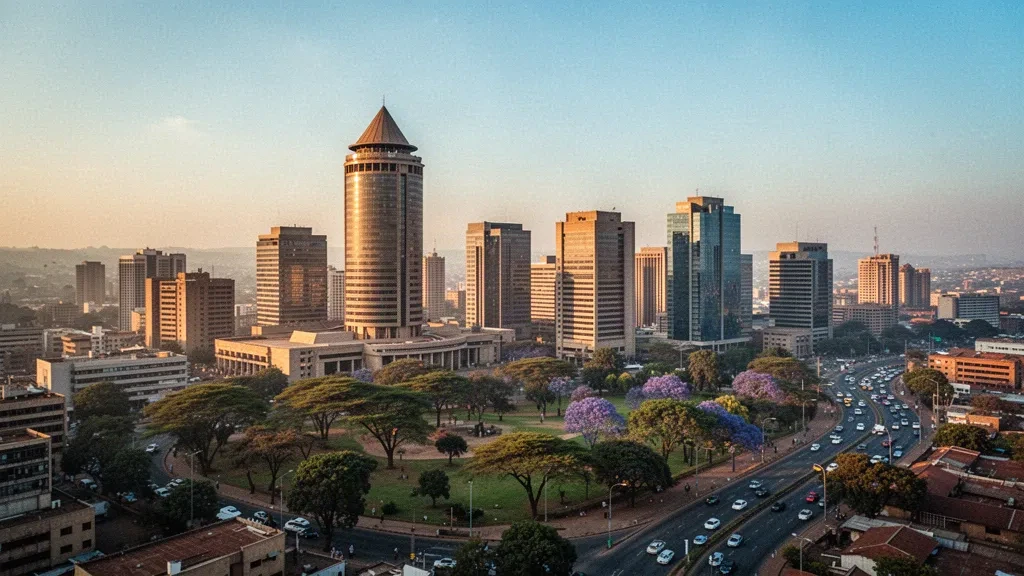
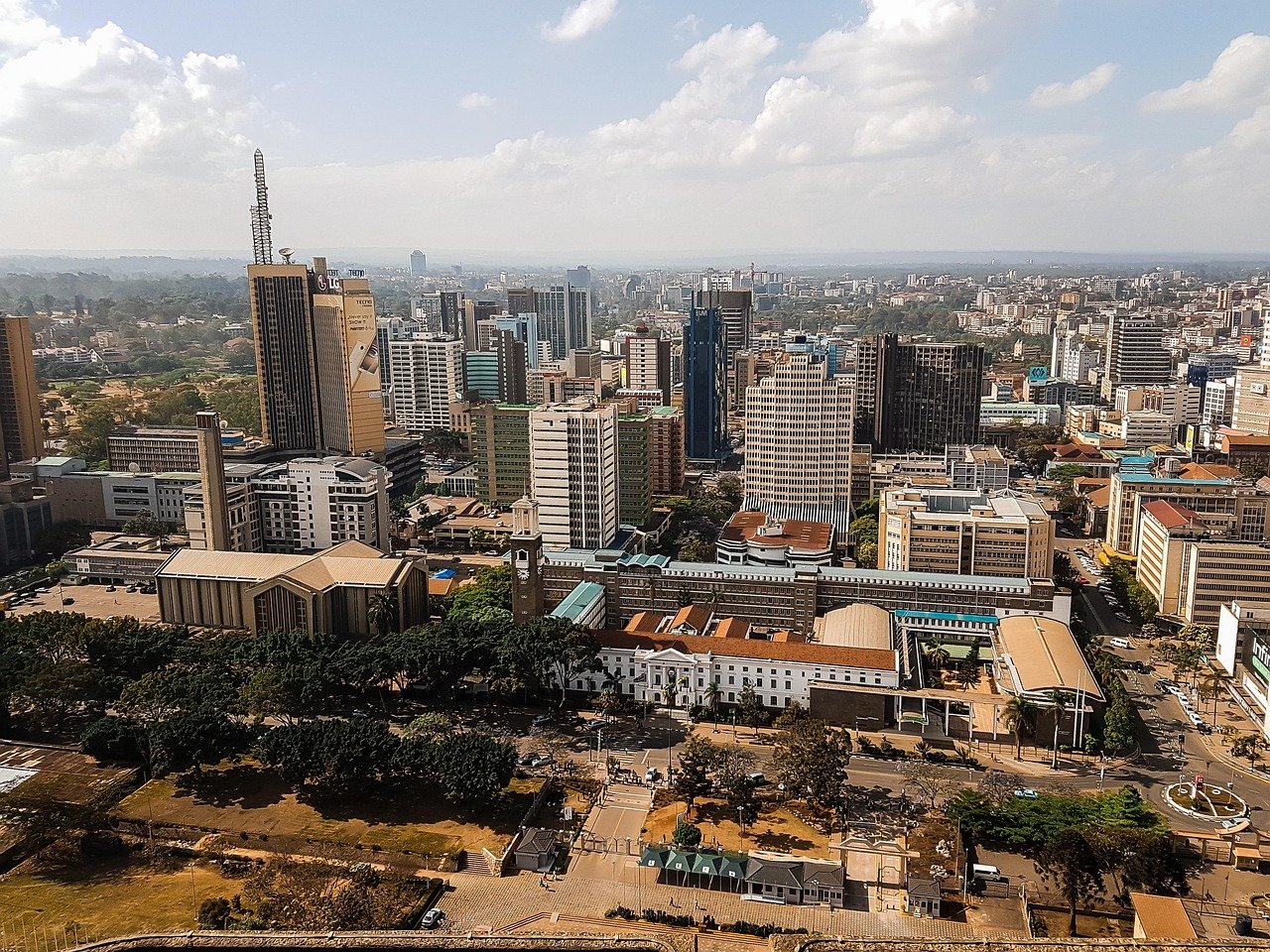
Nairobi is Kenya's capital and largest city, sitting on a high plateau at about 1,795 metres. It is East Africa's major business, transport and diplomatic hub, with a skyline mixing modern towers and dense commercial districts.
The city's identity blends urban energy with access to wildlife. Nairobi National Park lies close to the central business district and supports lions, rhinos, giraffes and other species against a city backdrop. The David Sheldrick Wildlife Trust and the Giraffe Centre offer hands-on conservation experiences, while the Karen Blixen Museum and Nairobi National Museum cover history, culture and natural heritage.
Distinct neighbourhoods shape daily life. Westlands and Kilimani are known for hotels, offices, restaurants and nightlife; Karen and Langata offer leafy, spacious residential settings; Eastleigh is a busy commercial and trading area. The Central Business District around Kenyatta Avenue and the Kenyatta International Convention Centre anchors government and business activity.
Nairobi is an important centre for business, technology and conferences. It hosts the United Nations Office at Nairobi, regional headquarters for international companies and a growing innovation scene often called the Silicon Savannah. Events, co-working spaces and universities attract professionals and entrepreneurs from across Africa and beyond.
For travellers, Nairobi offers a compact base for safari trips, local markets, coffee culture and a lively food scene. Its position makes it both a destination in itself and a gateway to Kenya's national parks and coast, relevant for leisure visitors and business travellers alike.
Nairobi City Travel Guide
Best Time to Visit
Nairobi is mild year-round, but the dry seasons from June to September and January to February are generally best for wildlife viewing, outdoor activities and city sightseeing. The long rains usually fall from March to May and the short rains from October to December, when some roads and park tracks can become muddy.
How to Get Around
Nairobi is served by matatus, buses, ride-hailing apps, taxis and a limited commuter rail network. Traffic can be heavy during rush hours, so allow extra time; private drivers, car rental and hotel transfers are common ways to move between districts and attractions.
Where to Stay
Westlands and Kilimani suit business travellers and nightlife with hotels, restaurants and easy access to offices. Karen and Langata offer quieter, greener stays near attractions such as the Giraffe Centre and Nairobi National Park, while the city centre provides more budget-friendly options.
Food & Drink
Nairobi's food scene includes nyama choma, ugali, sukuma wiki, mandazi and Kenyan coffee and tea. Restaurants range from street food and local markets to international dining in Westlands, Kilimani and Karen, with lively cafés and bars across the city.
Ground Transportation Services in Nairobi City
Airport Transfers
Travel between Jomo Kenyatta International Airport and hotels, business districts such as Westlands and Upper Hill, and residential areas like Karen and Gigiri.
Hourly Chauffeur
Book a private chauffeur by the hour for business meetings, events, city tours and flexible travel around Nairobi.
Car Rental
Rent a car in Nairobi for independent travel around the city and journeys to attractions such as Nairobi National Park or nearby destinations.
Bus & Group Transfers
Arrange minibuses or charter buses for groups, corporate events, conferences, airport transfers and sightseeing tours in Nairobi.

Frequently Asked Questions
Related Cities in Kenya
View all
West Pokot
West Pokot, home to Kapenguria and the Cherangani Hills, blends Pokot cultural traditions with highland scenery and a remote, rugged travel landscape.
Wajir
Wajir, a historic town in northeastern Kenya, blends Somali heritage, lively markets and the stark beauty of the surrounding arid plains.

Vihiga
Vihiga, a town in western Kenya's Vihiga County, is set among rolling hills and known for its vibrant markets and Luhya cultural heritage.