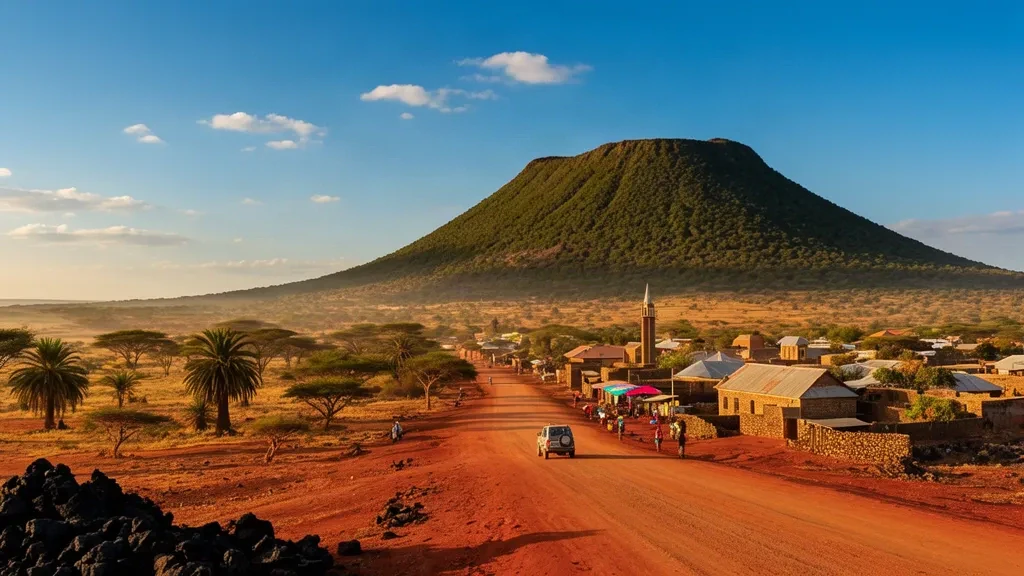
Marsabit
Marsabit is a highland town in northern Kenya, set around the forested slopes of Mount Marsabit and known for its diverse communities, local markets and striking desert landscapes.
Passengers
Luggage
About Marsabit
Marsabit is a small but strategically important town in northern Kenya and the capital of Marsabit County. It sits on the forested slopes of Mount Marsabit, an extinct shield volcano that rises almost a kilometre above the surrounding arid lowlands, giving the town a cooler, greener character than the desert scrub that stretches around it.
Founded in 1907 as a British colonial administrative and trading outpost in the Northern Frontier District, Marsabit grew around a market where Somali and Indian traders met pastoralist communities. Today the town remains a crossroads for Cushitic-speaking Rendille, Borana, Gabra, Sakuye and Burji communities, and its market continues to function as a lively trading hub for the region.
Marsabit National Park and Reserve surrounds the town, protecting montane cloud forest, crater lakes and wildlife including elephants and buffalo. Lake Paradise and Bongole Crater are the best-known natural attractions, while the Singing Wells offer a distinctive cultural experience as herders chant while drawing water for their livestock. The town also remembers Ahmed, the famous big-tusked elephant known as the King of Marsabit.
The compact town centre clusters around the market and the Nairobi–Moyale highway, with government offices, small hotels, shops and restaurants. Forested slopes beyond the centre lead to viewpoints and picnic areas, while Marsabit's role as a county headquarters and a stop on the road to Ethiopia supports trade, logistics and humanitarian activity.
For leisure travellers, Marsabit combines montane forest, wildlife and pastoralist culture in one of northern Kenya's most distinctive settings. For business and institutional visitors, it is a regional administrative, trade and transport hub on the Isiolo–Moyale corridor linking Kenya with Ethiopia.
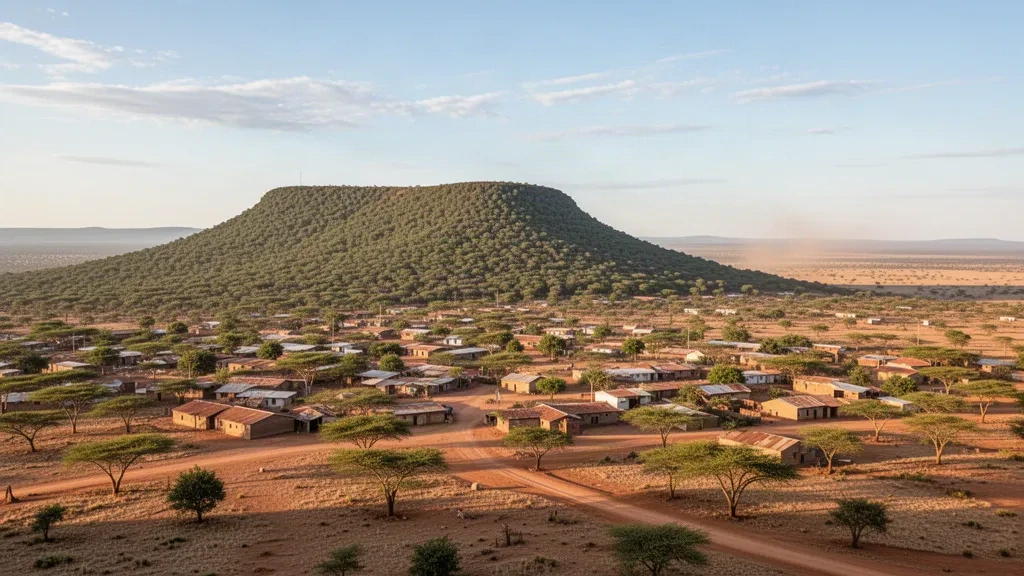
Marsabit Travel Guide
Best Time to Visit
The dry seasons from June to October and December to March are the best times to visit Marsabit, when roads are more passable and wildlife viewing is easier. The forested slopes of Mount Marsabit stay cooler than the surrounding lowlands, while the long rains from March to May can make travel difficult.
How to Get Around
Marsabit town centre is compact and easy to explore on foot, with boda boda motorcycle taxis and matatus for short trips. A 4x4 vehicle is recommended for Marsabit National Park, crater viewpoints and journeys to places such as the Chalbi Desert, Moyale or Lake Turkana.
Where to Stay
Most accommodation is in the town centre or near Marsabit National Park, ranging from simple guesthouses and hotels to the park's lodge. Staying near the town centre gives easy access to shops and the market, while lodge options offer closer access to the forest and wildlife.
Food & Drink
Marsabit offers a mix of local and Kenyan dishes, with grilled meat (nyama choma), rice, chapati and chai widely available in town. Small restaurants and hotels serve pastoralist-influenced meals, and camel milk tea is a distinctive local drink worth trying.
Ground Transportation Services in Marsabit
Airport Transfers
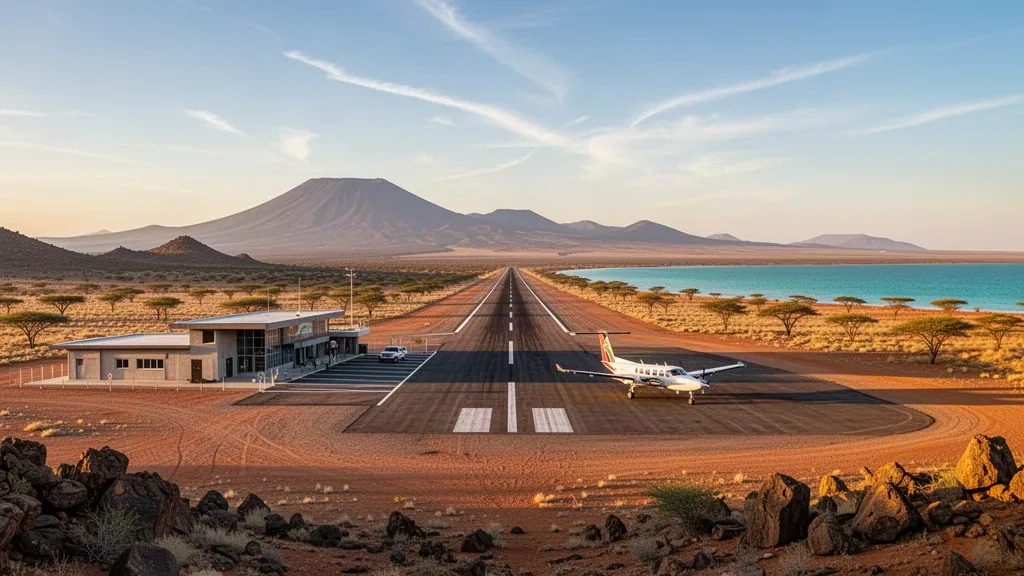
Travel between Marsabit Airport (RBT) and hotels, guesthouses, government offices and other destinations in and around Marsabit town.
Hourly Chauffeur
Book a private chauffeur by the hour for business meetings, field visits, sightseeing in Marsabit National Park and flexible travel around the town.
Car Rental
Rent a vehicle, including 4x4s suited to rough northern Kenya roads, for independent travel around Marsabit and journeys to Moyale, the Chalbi Desert or Lake Turkana.
Bus & Group Transfers
Arrange minibuses, charter buses or 4x4 convoys for group travel, NGO and corporate field trips, events and tours within Marsabit County and beyond.
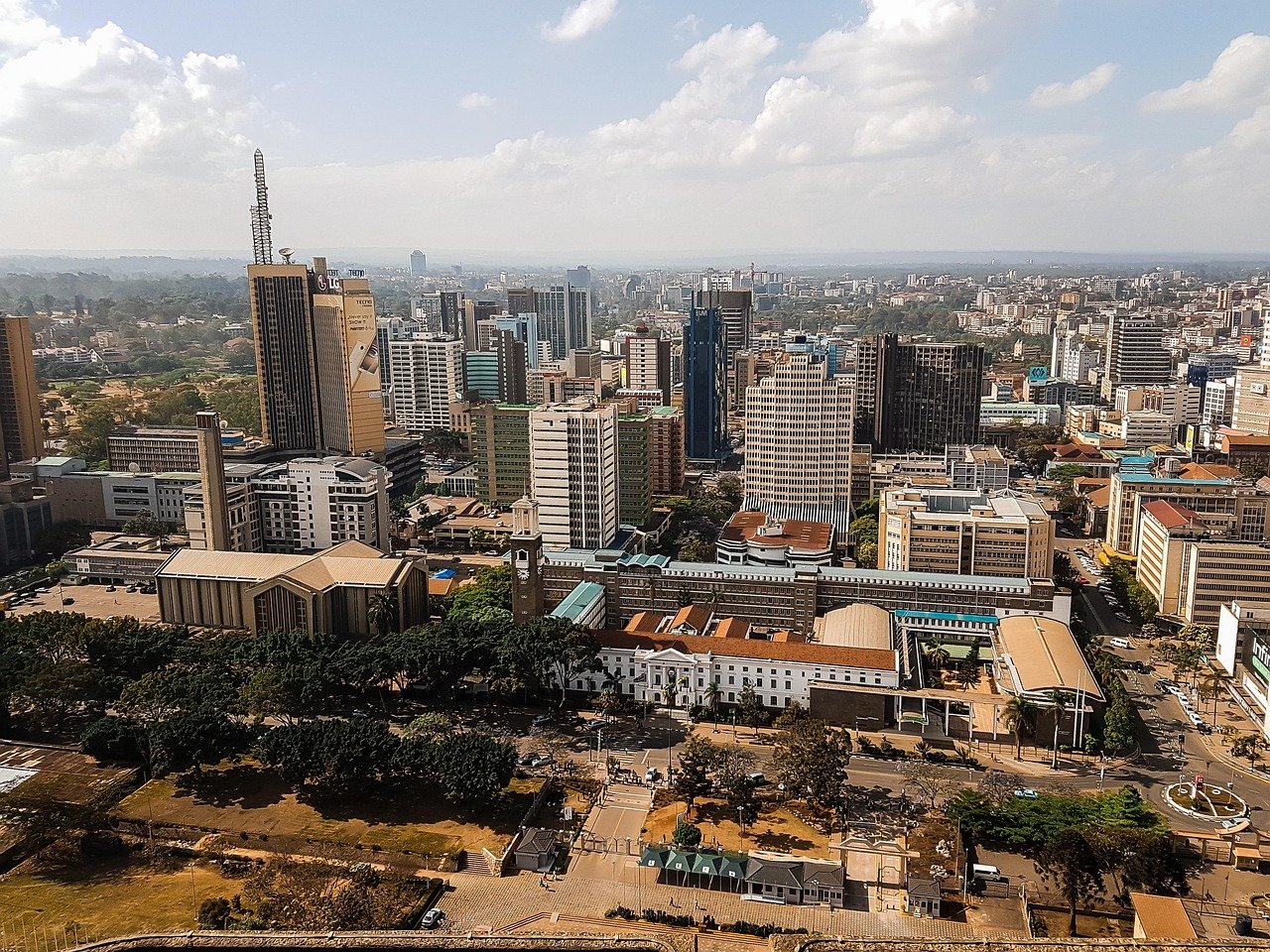
Airports in Marsabit
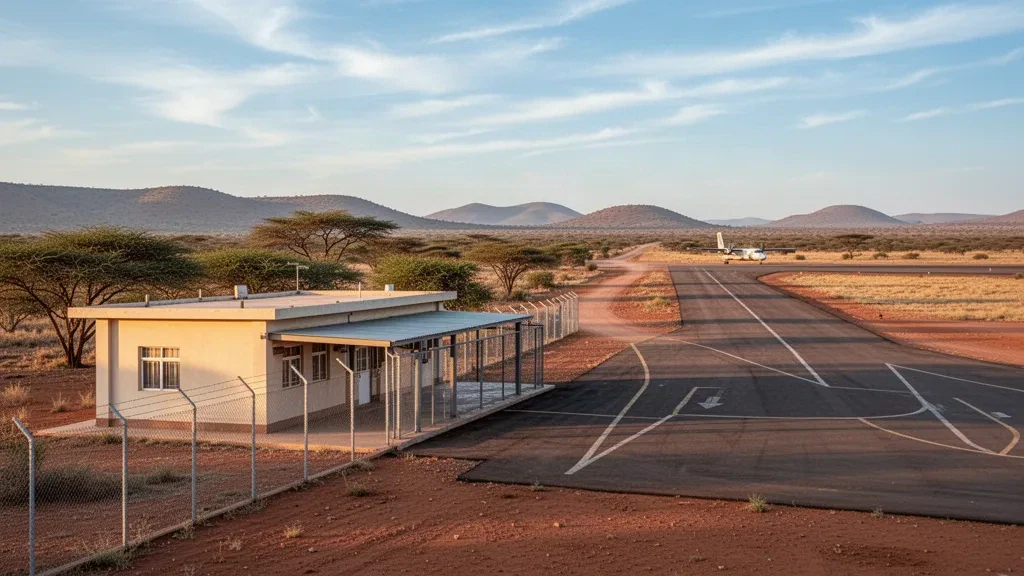
Frequently Asked Questions
Related Cities in Kenya
View all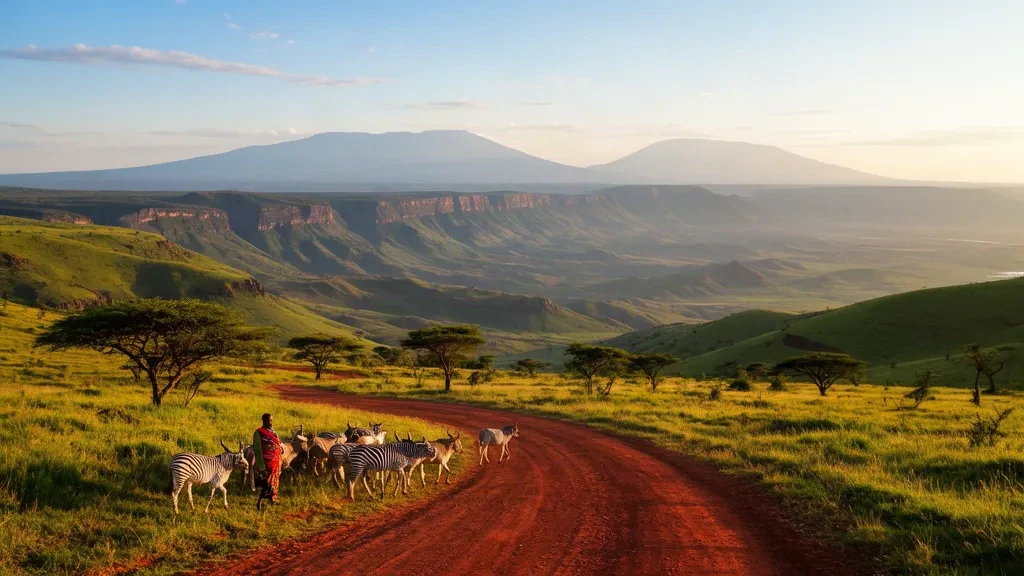
West Pokot
West Pokot, home to Kapenguria and the Cherangani Hills, blends Pokot cultural traditions with highland scenery and a remote, rugged travel landscape.
Wajir
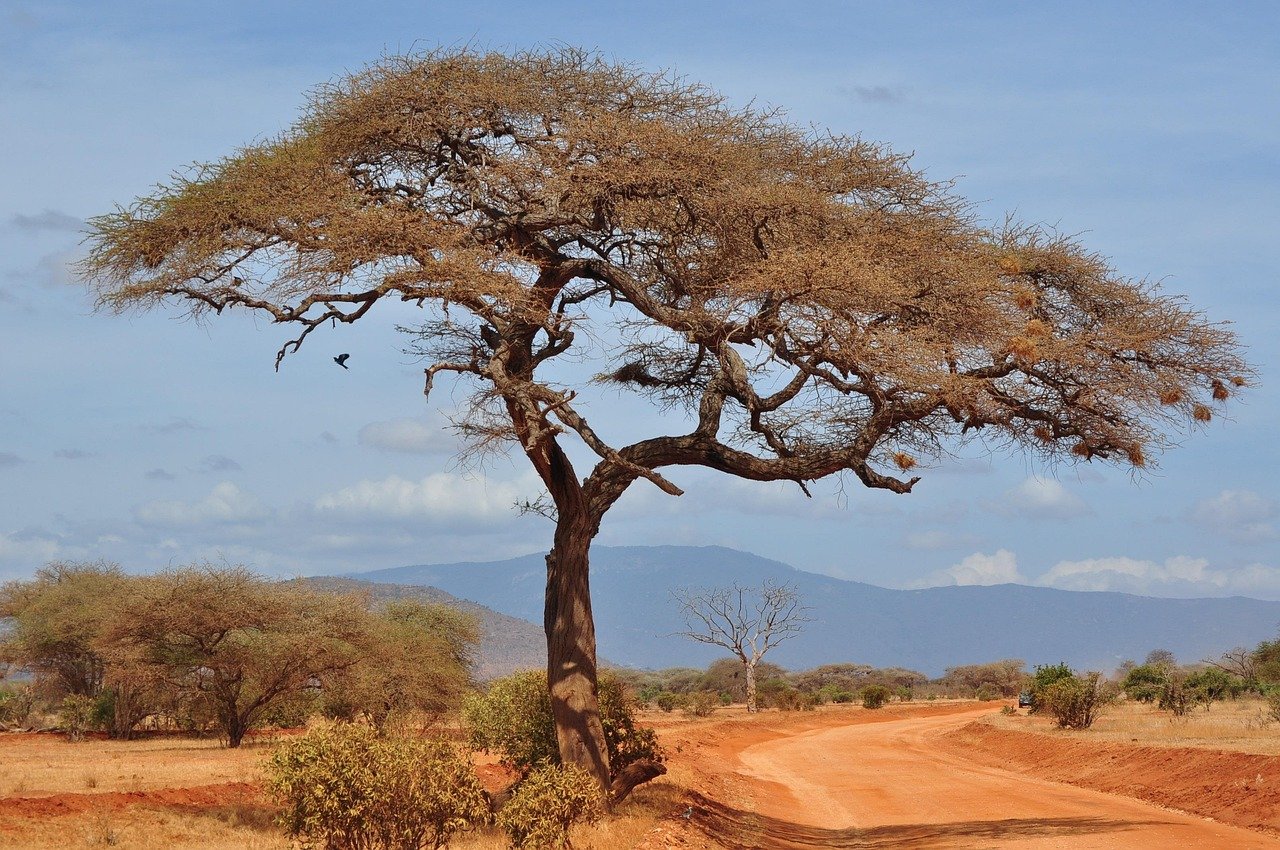
Wajir, a historic town in northeastern Kenya, blends Somali heritage, lively markets and the stark beauty of the surrounding arid plains.
Vihiga
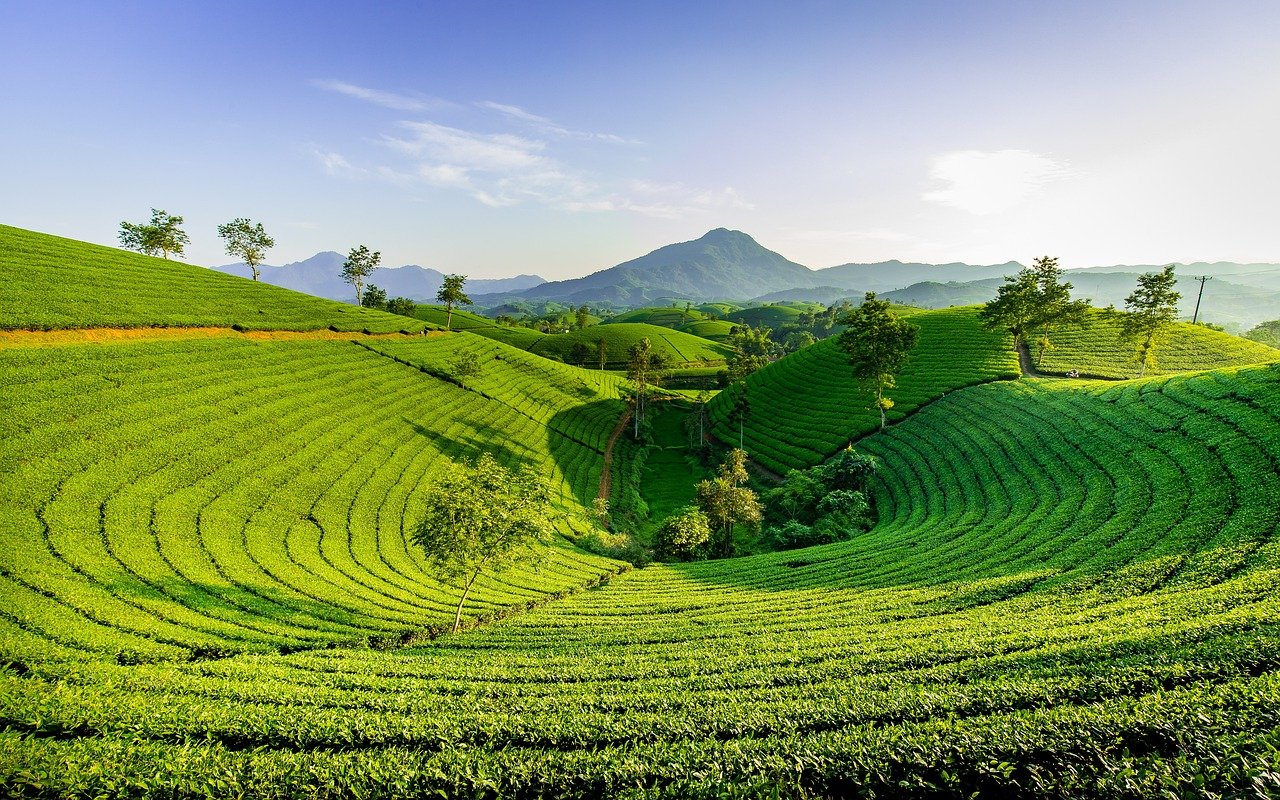
Vihiga, a town in western Kenya's Vihiga County, is set among rolling hills and known for its vibrant markets and Luhya cultural heritage.