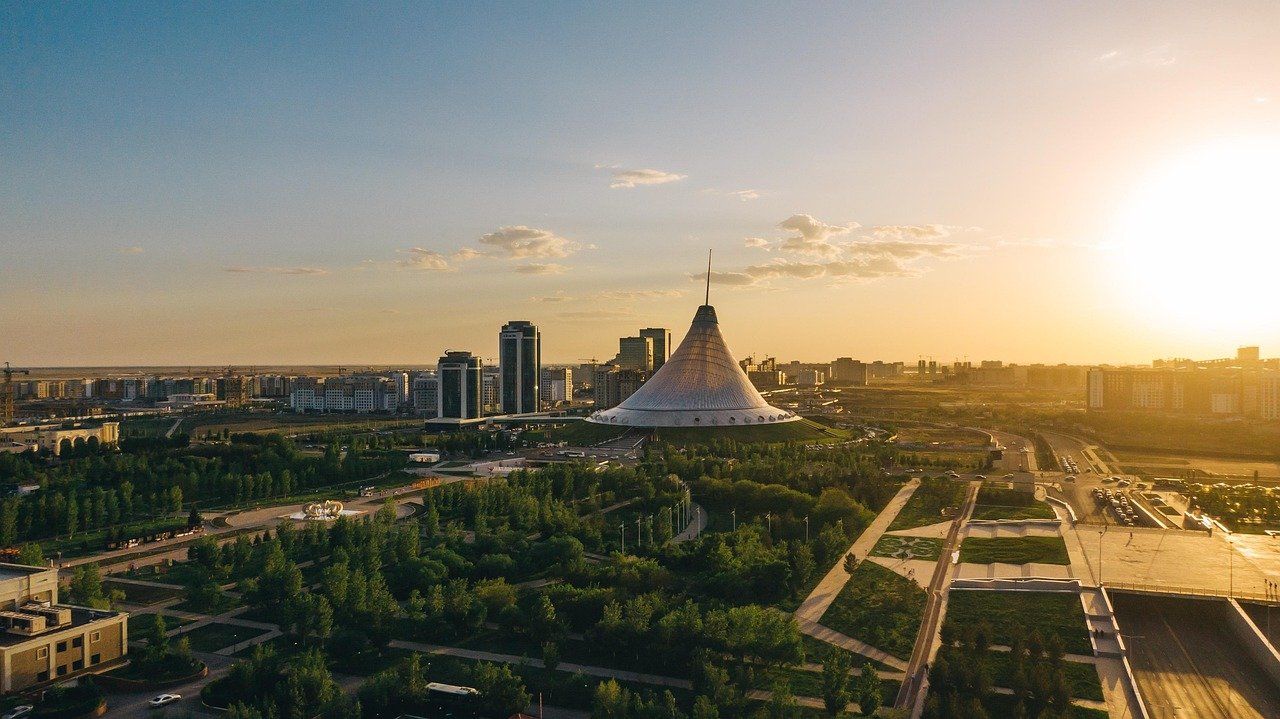
Abai
Abai, a city in Kazakhstan, offers a quieter glimpse of the central steppe, with a local character shaped by regional history and wide open landscapes.
Passengers
Luggage
About Abai
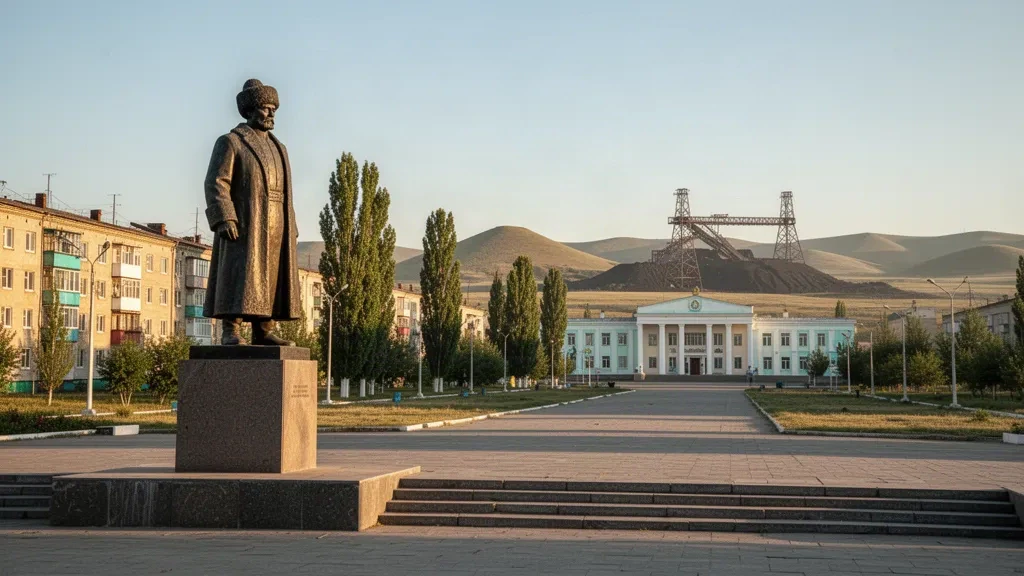
Abay is a small coal-mining town in central Kazakhstan's Karaganda Region, about 30 kilometres southwest of the regional capital Karaganda. Named after the Kazakh poet and philosopher Abai Qunanbaiuly, it sits along the Karaganda–Zhezkazgan–Kyzylorda highway and serves as the administrative centre of Abay District. Founded in 1949 as the settlement of Churubay-Nura to develop the western Karaganda coal basin, the town was built in part by forced labour from nearby prison camps during its early years. It was renamed Abay in 1961 and grew into a Soviet-era coal centre, reaching roughly 46,500 residents by 1989 before mine closures brought a long period of decline. Today the compact centre is known for Soviet-era landmarks such as Victory Park and its Second World War memorial, along with newer monuments including a statue of three white horses, a sculpture symbolising the unity of the Kazakh zhuzes, and a monument to Abai Qunanbaiuly opened in 2020. Nearby Topar and the Zhartas reservoir offer recreation, fishing and lakeside rest areas popular across the region. Coal mining and related processing remain the backbone of local life, joined by a garment factory, woodworking and building-materials plants. The town is also proud of its boxing tradition: it is the hometown of 2012 Olympic champion Serik Sapiyev and has produced other world-class fighters. For travellers, Abay is a quiet stop on the route between Karaganda and the central Kazakh steppe, reachable by bus or taxi from Karaganda and about 30–35 kilometres from Sary-Arka Airport. It offers an authentic look at Kazakhstan's industrial heritage and small-town life away from the larger cities.
Abai Travel Guide
Best Time to Visit
The most comfortable time to visit Abay is from May to September, when the central Kazakh steppe is mild and outdoor sites such as the Zhartas reservoir are easy to enjoy. Winters are long and cold, with snow and sub-zero temperatures typical of the Karaganda Region.
How to Get Around
Abay is compact enough to explore on foot, and buses such as routes 146 and 122 connect it with Karaganda and nearby settlements. Taxis are useful for local trips, while the Karaganda–Zhezkazgan–Kyzylorda highway passes through the town for onward travel.
Where to Stay
Accommodation in Abay itself is limited, so many visitors base themselves in Karaganda about 30 kilometres away, where hotels are more plentiful. Around the Topar and Zhartas reservoirs, seasonal recreation bases offer a quieter lakeside option for longer stays.
Food & Drink
Local cafés, bakeries and small restaurants serve Kazakh and Russian home-style food such as beshbarmak, shashlik and tea. Produce grown in the Topar greenhouses, including tomatoes, cucumbers and citrus fruits, is a distinctive feature of the area's food supply.
Ground Transportation Services in Abai
Airport Transfers
Travel between Sary-Arka Airport in Karaganda and Abay, roughly 30–35 kilometres away, with private transfers to hotels, business sites and the surrounding district.
Hourly Chauffeur
Book a private chauffeur by the hour for business trips to Karaganda, local meetings, events and flexible sightseeing around Abay and central Kazakhstan.
Car Rental
Rent a car in Karaganda for independent travel to Abay and nearby destinations such as Shakhtinsk, Saran, Topar and the Zhartas reservoir.
Bus & Group Transfers
Arrange minibuses or charter buses for groups travelling between Karaganda and Abay, including airport transfers, corporate events, tours and family journeys.
Airports in Abai


Frequently Asked Questions
Related Cities in Kazakhstan
View all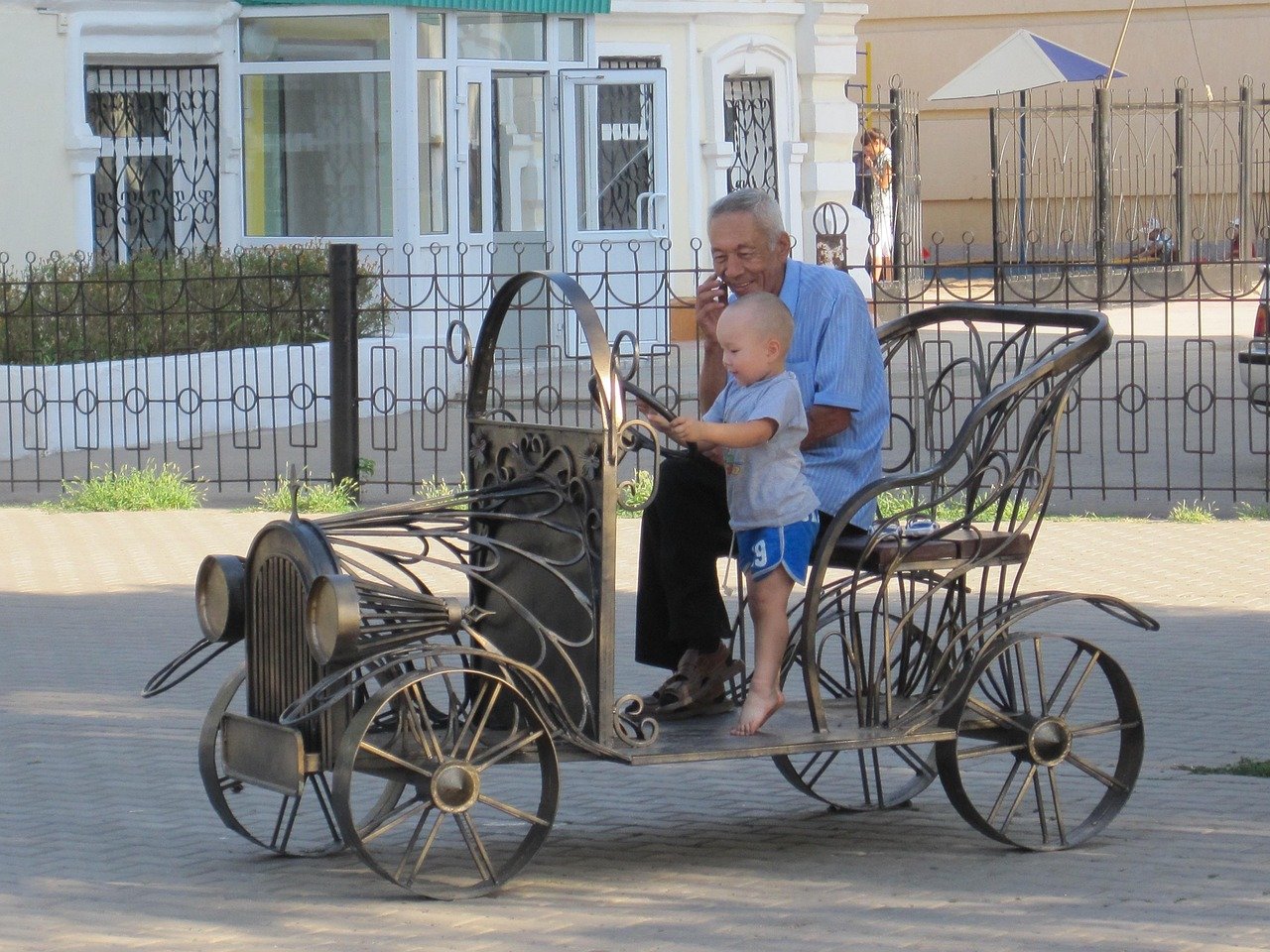
Oral
Oral, the administrative center of Kazakhstan's West Kazakhstan Region, sits on the Ural River and carries a layered history of Cossack heritage, trade and borderland life. Its compact center pairs historic merchant architecture with riverside views, making it an easygoing base for exploring the region.
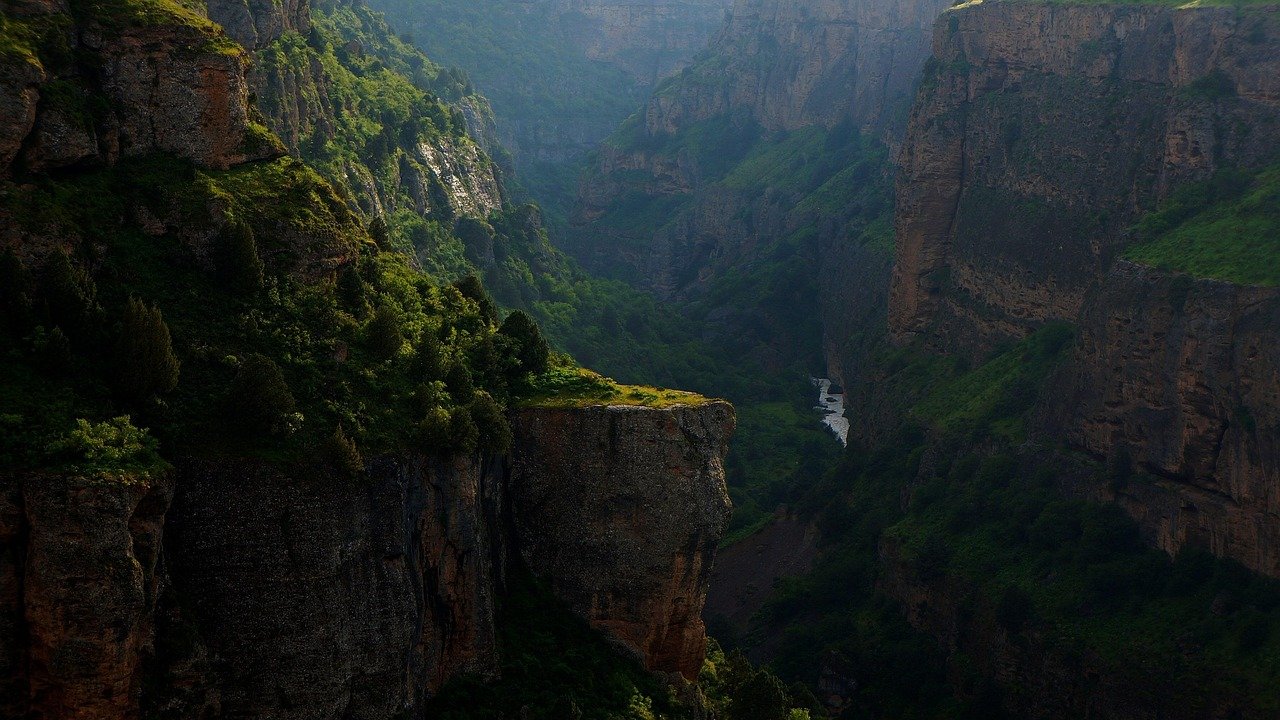
Ulytau
Ulytau, a historic town in Kazakhstan's steppe heartland, is known for ancient mausoleums, rock carvings and a deep nomadic heritage that shape its quiet, monumental landscape.
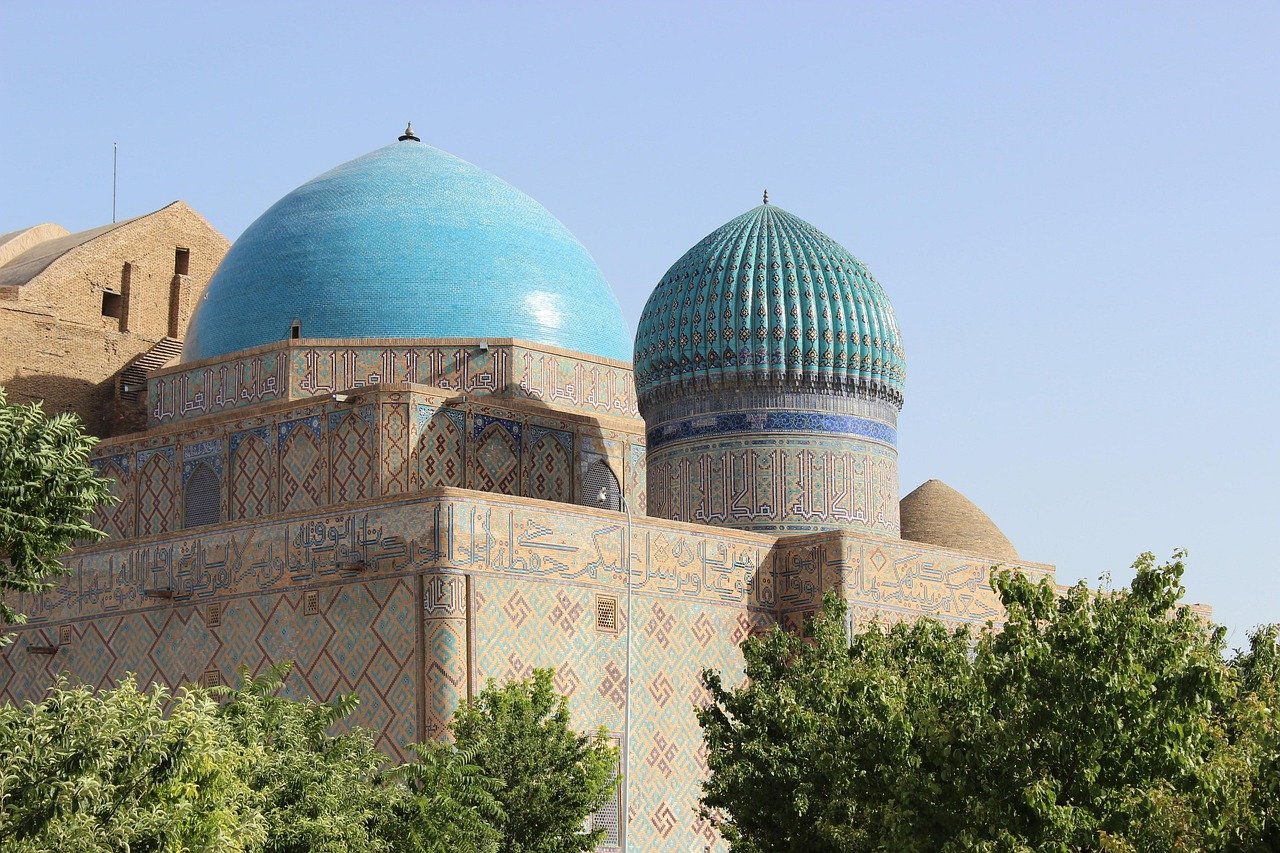
Turkistan
Turkistan, one of Kazakhstan's oldest cities, is a spiritual and historical centre on the Silk Road, known for the UNESCO-listed Mausoleum of Khoja Ahmed Yasawi and its rich architectural heritage.