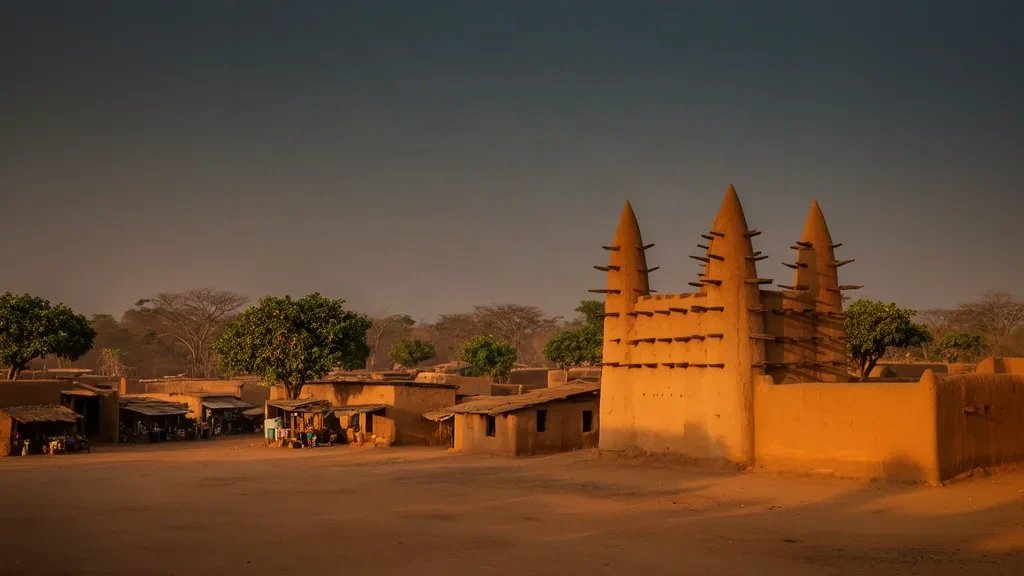
Bondoukou
Bondoukou, a historic town in northeastern Ivory Coast, is known for its Sudano-Sahelian architecture, ancient mosques and centuries-old role as a crossroads of trade and culture. Its lively markets and blend of Akan and Islamic heritage give it a distinct travel appeal.
Passengers
Luggage
About Zanzan
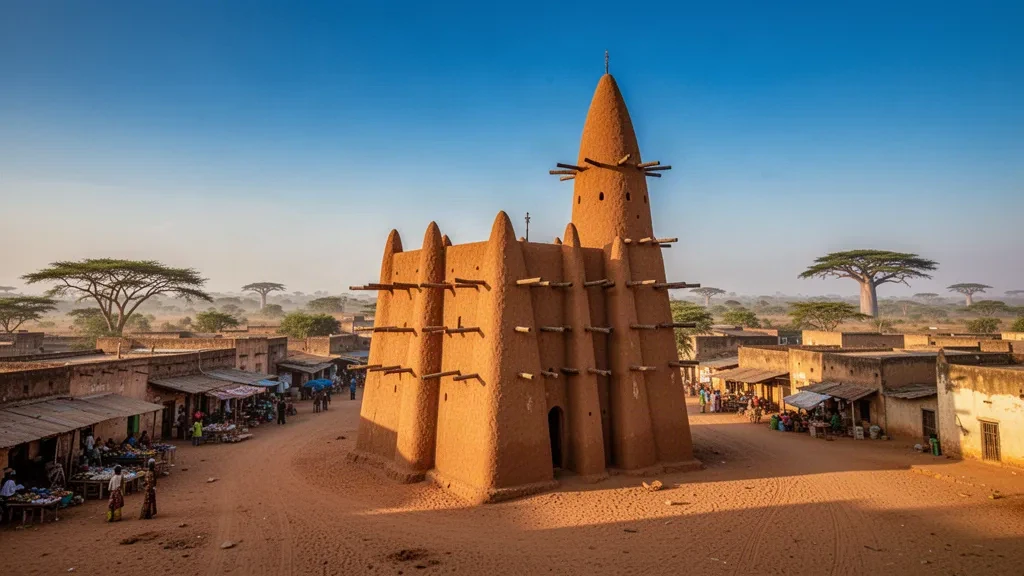
Zanzan is a northeastern district of Côte d'Ivoire centred on Bondoukou, a historic trading town near the borders with Ghana and Burkina Faso. The region's open savannah, river valleys and Comoé National Park give it a distinctive landscape quite different from the coastal south of the country.
Bondoukou, the district capital, traces its origins to the 15th century and is known as the 'town of a thousand mosques' because of its Sudanese-style mud mosques in old quarters such as Koko and Bambarasso. The old market building, constructed in the 1930s and 1940s, now houses the Museum of Arts and Traditions and is a notable example of colonial-era Sudanese architecture.
The wider district's main natural attraction is Comoé National Park, a UNESCO World Heritage site whose savannah and gallery forests shelter wildlife and birdlife. Around Bondoukou, visitors can also experience traditional weaving and pottery, busy markets and cultural festivals, including the Kroubi dance festival held each June.
Zanzan remains an important crossroads for trade and agriculture, with strong commercial links to neighbouring regions and countries. Cashew, yam, maize and livestock are part of the local economy, and Bondoukou serves as a regional administrative and market hub.
For travellers, Zanzan offers a quieter and more traditional side of Côte d'Ivoire: heritage architecture, park excursions and cultural events for leisure visitors, plus regional trade, public administration and cross-border business for those travelling on work.
Zanzan Travel Guide
Best Time to Visit
The dry season from November to March is the most practical time to visit Zanzan, with better road conditions and easier access to Comoé National Park. The rainy season from April to October brings heat and can make rural tracks muddy and harder to navigate.
How to Get Around
Bondoukou is reached by road from Abidjan and other Ivorian cities, with shared taxis and buses connecting the main towns of the district. Within towns, moto-taxis and local taxis are common, while a 4x4 or guided vehicle is recommended for Comoé National Park and rural tracks.
Where to Stay
Bondoukou offers the widest choice of hotels and guesthouses in the district, mostly near the town centre and main roads. Accommodation is generally simpler than in Abidjan, and visitors heading to Comoé National Park can base themselves in Bondoukou or Bouna and arrange early departures.
Food & Drink
Local dining centres on Ivorian staples such as attiéké, alloco, grilled fish or chicken and maquis-style restaurants serving sauces with rice, yam or foutou. Markets and roadside stalls in Bondoukou and the smaller towns offer fresh produce, snacks and regional dishes.
Ground Transportation Services in Zanzan
Airport Transfers
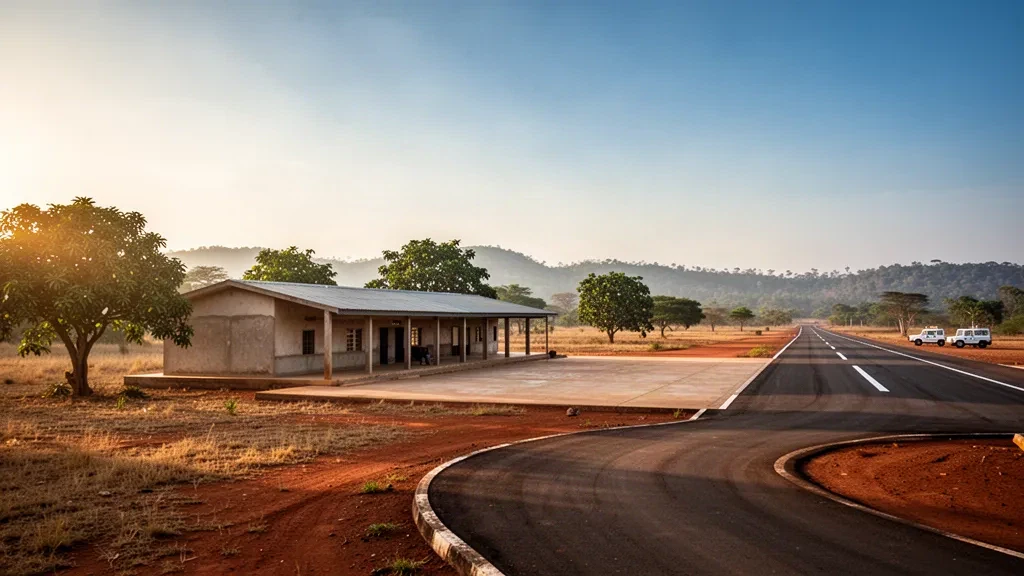
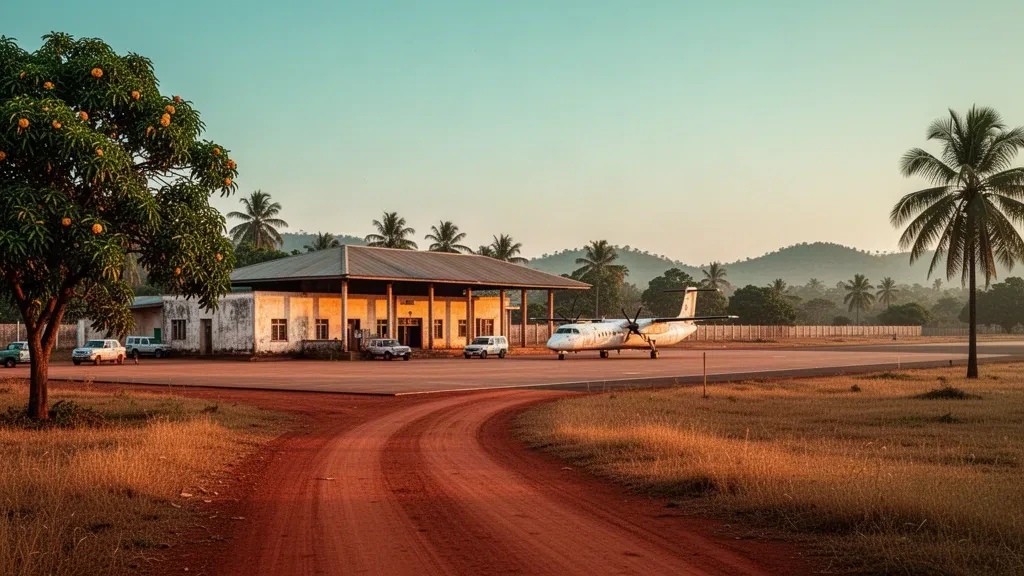
Arrange transfers between Soko Airport and Bondoukou town centre, hotels, business addresses and other destinations across Zanzan District.
Hourly Chauffeur
Book a private chauffeur by the hour for business appointments, sightseeing in Bondoukou, festival visits or flexible travel around Zanzan.
Car Rental
Rent a car or 4x4 in Bondoukou for independent travel through Zanzan, including the route to Comoé National Park and nearby towns.
Bus & Group Transfers
Organise minibuses or charter buses for groups, corporate travel, events, festival trips and tours across Zanzan and beyond.
Airports in Zanzan
Frequently Asked Questions
Related Cities in Ivory Coast
View all
Yamoussoukro
Yamoussoukro, Ivory Coast's political capital, is defined by the monumental Basilica of Our Lady of Peace, broad avenues, tranquil lakes and its enduring role in the country's modern history.

Woroba
Woroba, in north-western Ivory Coast, blends local culture, warm hospitality and access to the region's savannah landscapes and traditional towns.
Bouaké
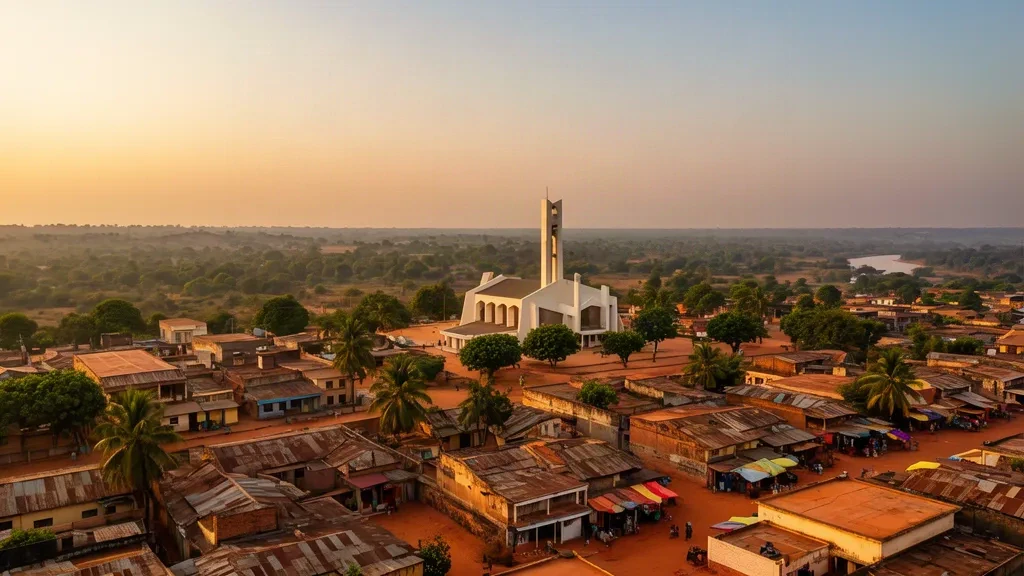
Bouaké, the capital of Côte d'Ivoire's Vallée du Bandama District, is a major commercial and cultural centre in the country's central region, known for its lively markets, Baoulé heritage and vibrant urban life.