Al Anbar
Al Anbar, a historic city on the Euphrates in Iraq, blends ancient trade-route heritage with desert landscapes, riverfront life and a resilient local culture.
Passengers
Luggage
About Al Anbar
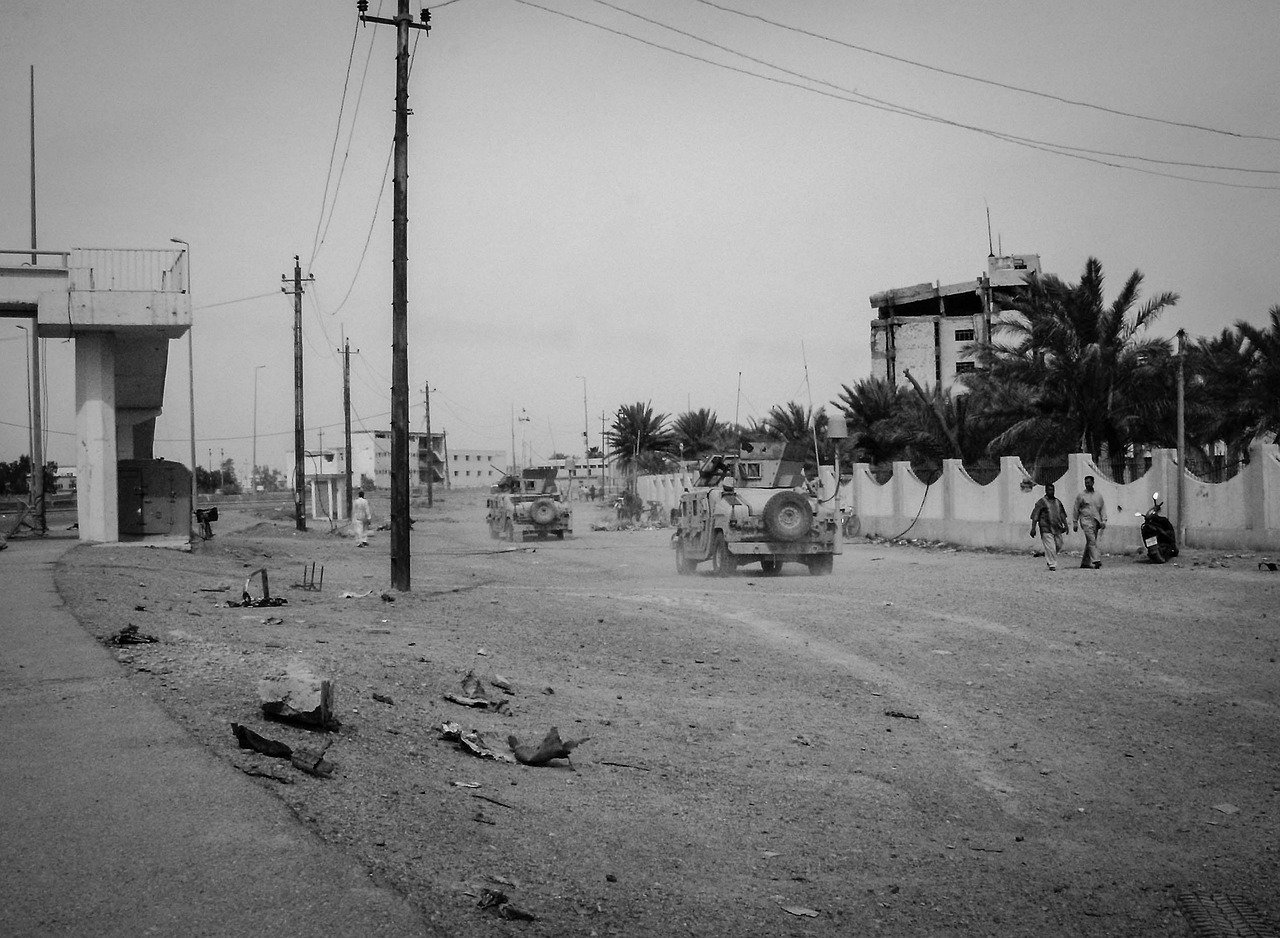
Al Anbar is Iraq's largest governorate, spanning the western part of the country along the Euphrates River and bordering Syria, Jordan and Saudi Arabia. Its administrative capital is Ramadi, while Fallujah is the best-known urban centre and one of Iraq's most historically significant cities.
The region has deep historical roots. The ancient city of Anbar, near modern Fallujah, was an important Sasanian and early Islamic administrative centre, and Fallujah is still known as the city of mosques. Ramadi was founded in 1869 under Ottoman rule and later developed as a trading and administrative town.
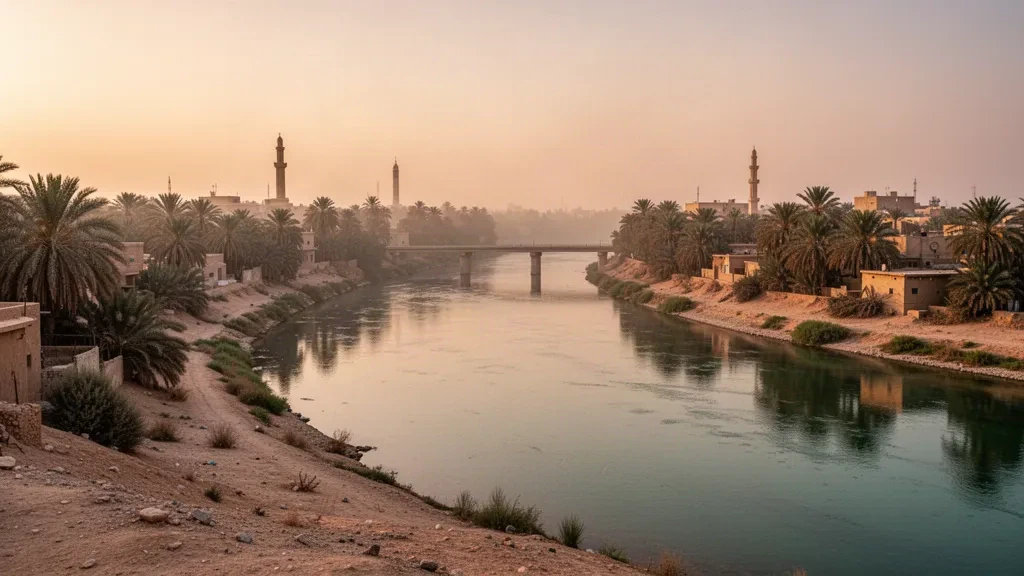
Today the Euphrates valley towns of Ramadi, Fallujah, Hit, Haditha and Al-Qaim contrast with the vast western desert around Rutba. Habbaniyah Lake and its resort, the Fallujah Corniche and the Ramadi Corniche are among the main leisure destinations, drawing visitors during holidays.
After years of conflict, Al Anbar is rebuilding with investment in roads, services, trade and industry. Agriculture along the Euphrates, border trade and natural resources support the economy, while reconstruction and development projects bring business travellers to the province.
For visitors, Al Anbar offers a less-travelled view of Iraq, combining Euphrates scenery, desert landscapes, historic mosques and a region in transition. It appeals to travellers interested in history and culture as well as business visitors working in reconstruction and trade.
Al Anbar Travel Guide
Best Time to Visit
Spring and autumn are the most comfortable seasons, with mild temperatures and clear days. Summers are extremely hot and dry, while winters are cooler and generally suitable for daytime travel and sightseeing.
How to Get Around
Public transport between towns is limited, so most visitors rely on private drivers, taxis or rental cars. Shared taxis connect the main cities, and arranging transport in advance is practical for longer trips.
Where to Stay
Most accommodation is concentrated in Ramadi and Fallujah, with additional lakeside options around Habbaniyah. Business hotels and smaller local guesthouses serve the main towns along the Euphrates.
Food & Drink
Al Anbar's food scene centres on Iraqi staples such as grilled meats, rice dishes, fresh bread and river fish. Local restaurants and markets in Ramadi and Fallujah offer traditional dishes, tea and sweets.
Ground Transportation Services in Al Anbar
Airport Transfers
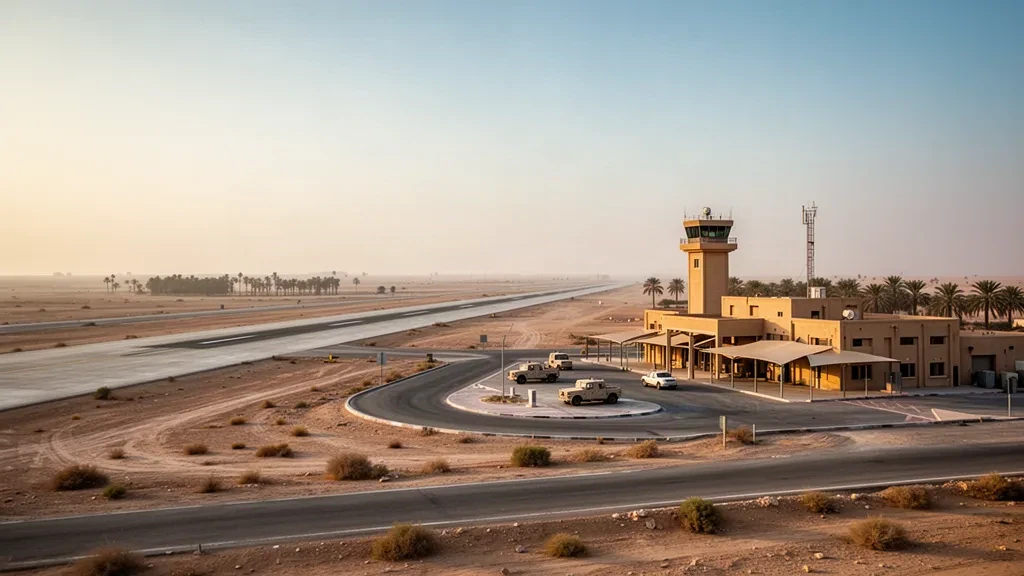
Travel between Baghdad International Airport and Al Anbar destinations such as Ramadi, Fallujah and Habbaniyah with a pre-arranged private transfer.
Hourly Chauffeur
Book a private chauffeur by the hour for business meetings, reconstruction site visits, events and flexible travel across Al Anbar.
Car Rental
Rent a car for independent travel between Ramadi, Fallujah, Habbaniyah and other towns across Al Anbar and western Iraq.
Bus & Group Transfers
Arrange minibuses or charter buses for groups, corporate travel, events, airport transfers and tours within Al Anbar.

Frequently Asked Questions
Related Cities in Iraq
View all
Sulaymaniyah
Sulaymaniyah is a lively cultural and economic hub in the Kurdistan Region of Iraq, known for its literature, universities, bustling bazaars and easy access to the surrounding mountains.
Wasit
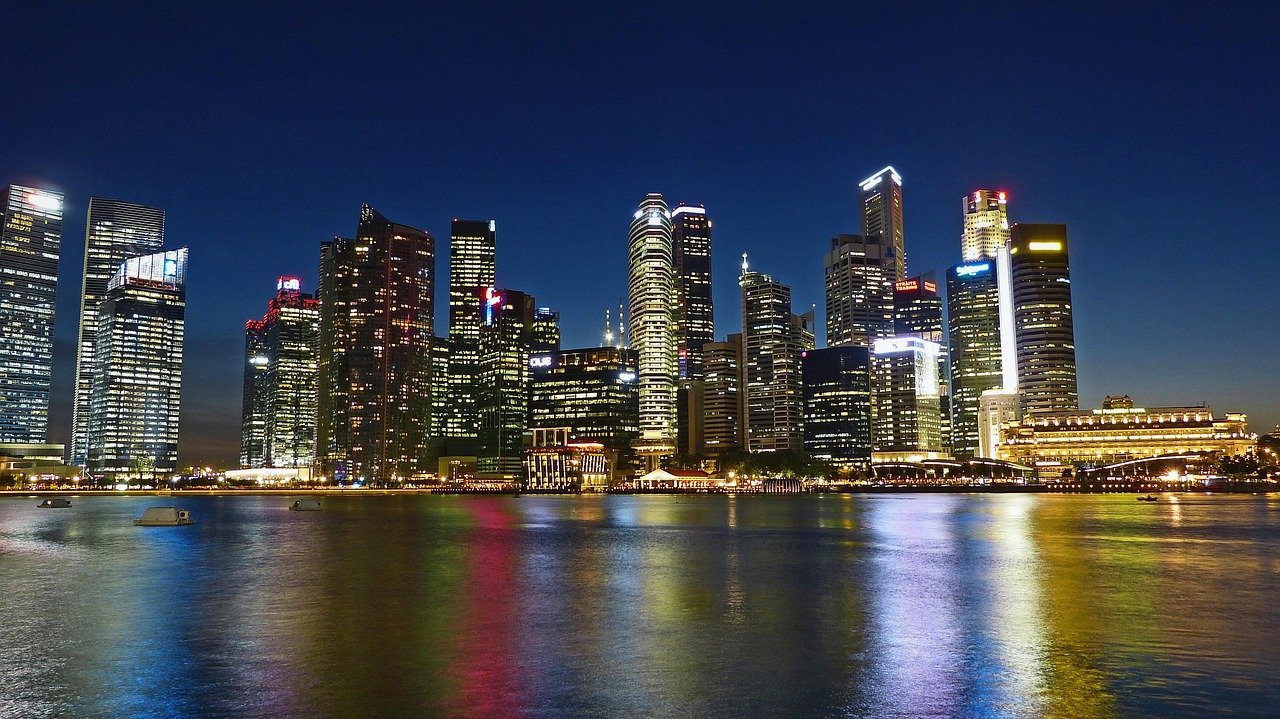
Wasit is a historic Iraqi city founded in the early eighth century, once a major Umayyad administrative and cultural centre on the Tigris. Its archaeological remains and river setting recall its role in early Islamic history.
Saladin
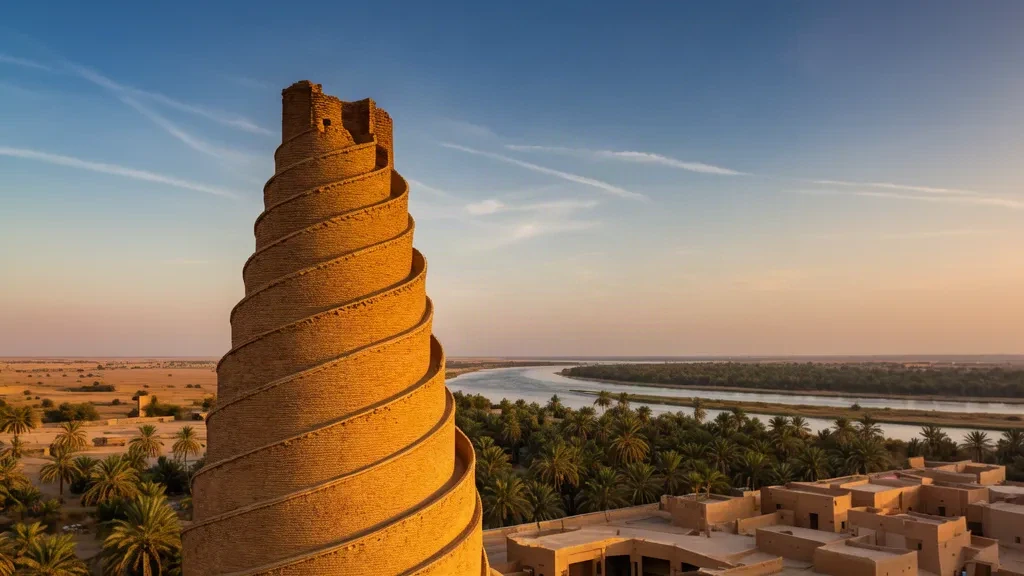
Saladin, in Iraq, blends a deep historical legacy with cultural landmarks and Tigris River landscapes that reflect its place in the region's past.