Intibucá
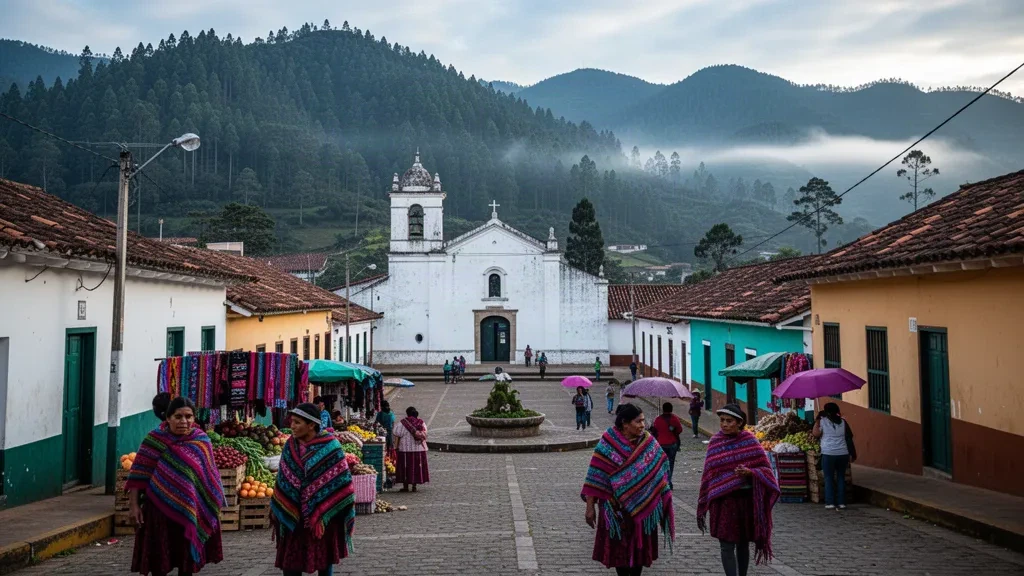
Intibucá, a highland town in western Honduras, offers cool pine-forest scenery, Lenca heritage and a gateway to La Esperanza. Its traditional markets, colonial traces and mountain roads give the area a quiet, distinctive character.
Passengers
Luggage
About Intibucá
Intibucá is a small highland city in western Honduras that forms a twin urban area with La Esperanza, the capital of Intibucá department. Set at roughly 1,700 metres among pine-covered mountains, it is one of the coolest places in the country and a centre of Lenca indigenous culture, textiles and highland farming.
Founded in 1869 and formally established as a municipality in 1883, Intibucá grew from an old Lenca settlement and developed beside La Esperanza across a small river. Its landmarks include the white La Gruta shrine built into a cave on Cerro La Crucita, the central plaza and municipal buildings, while colourful Lenca weaving, pottery and festival traditions keep the region's heritage visible.
The compact centre is easy to explore on foot, with artisan markets selling textiles, pottery and fresh produce from surrounding farms. Nearby, visitors head to Laguna de Chiligatoro, the 39-metre El Chorrerón waterfall and Lenca villages along the Ruta Lenca, while the twin city of La Esperanza adds shops, museums and the El Quistcamote promenade.
Agriculture drives much of the local economy, especially potatoes, vegetables, berries and fruit wines, alongside coffee and a growing craft and tourism sector. Annual folklore, patron saint and harvest-related celebrations draw dance groups and visitors, and the highland food scene centres on hearty Lenca cooking, market produce and cafés.
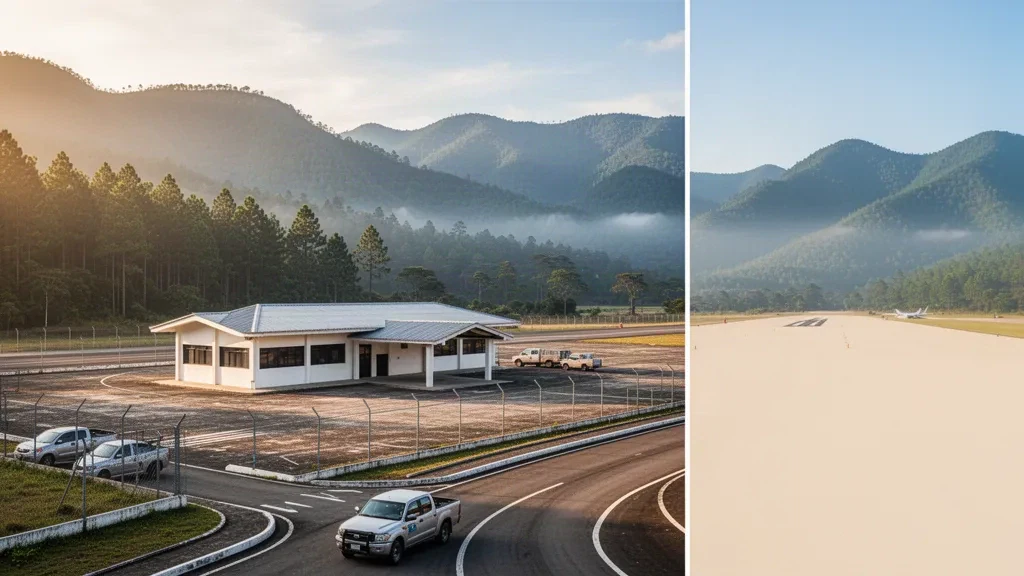
For travellers, Intibucá offers a cooler, culturally rich stop on routes between central and western Honduras, with easy access from Comayagua's Palmerola International Airport and road connections to Siguatepeque, Gracias and the Lenca highlands. It suits both leisure visitors seeking culture and nature and business travellers linked to regional agriculture and trade.
Intibucá Travel Guide
Best Time to Visit
The dry season from November to April is the most comfortable for walking, markets and mountain excursions, with cooler nights and clearer skies. December is especially lively around the region's folklore and patron saint celebrations.
How to Get Around
The twin centres of Intibucá and La Esperanza are compact and easy to walk, with taxis and mototaxis for short trips. Buses link the city with Siguatepeque, Tegucigalpa and Gracias, while a rental car is useful for exploring the Ruta Lenca and surrounding villages; mountain roads can be steep and sometimes rough in the wet season.
Where to Stay
Most hotels, guesthouses and budget lodgings cluster in the Intibucá–La Esperanza urban area, especially near the central plazas and markets. Staying centrally gives easy access to restaurants, crafts and transport, while a few rural lodges near Laguna de Chiligatoro offer quieter highland stays.
Food & Drink
Local food is hearty and Lenca-influenced, built around potatoes, corn, beans, handmade tortillas and fresh mountain produce. Try the region's potato dishes, fruit wines made from strawberries, blackberries and apples, plus coffee and snacks from the central market and small cafés.
Ground Transportation Services in Intibucá
Airport Transfers
Travel between Comayagua's Palmerola International Airport and Intibucá, La Esperanza, hotels and surrounding highland destinations.
Hourly Chauffeur
Book a private chauffeur by the hour for business visits, market and craft shopping, Ruta Lenca excursions and flexible travel around Intibucá.
Car Rental
Rent a car in Intibucá or nearby for independent travel through the Lenca highlands and convenient journeys to Gracias, Siguatepeque and other western Honduras destinations.
Bus & Group Transfers
Arrange minibuses or charter buses for groups, airport transfers, folklore events, tours and corporate travel in Intibucá and the surrounding region.

Frequently Asked Questions
Related Cities in Honduras
View all
Yoro
Yoro, a highland city in Honduras, blends small-town daily life with distinctive local folklore, most famously the annual Rain of Fish tradition that draws visitors to the area.
Valle
Valle, in southern Honduras, is a quiet destination shaped by Pacific coast landscapes, local traditions and a slower pace of life.
Santa Bárbara
Santa Bárbara is a western Honduran city known for its coffee-growing surroundings, mountain landscapes and unhurried local life, with a historic centre that reflects the region's colonial past.