
Yoro
Yoro, a highland city in Honduras, blends small-town daily life with distinctive local folklore, most famously the annual Rain of Fish tradition that draws visitors to the area.
Passengers
Luggage
About Yoro
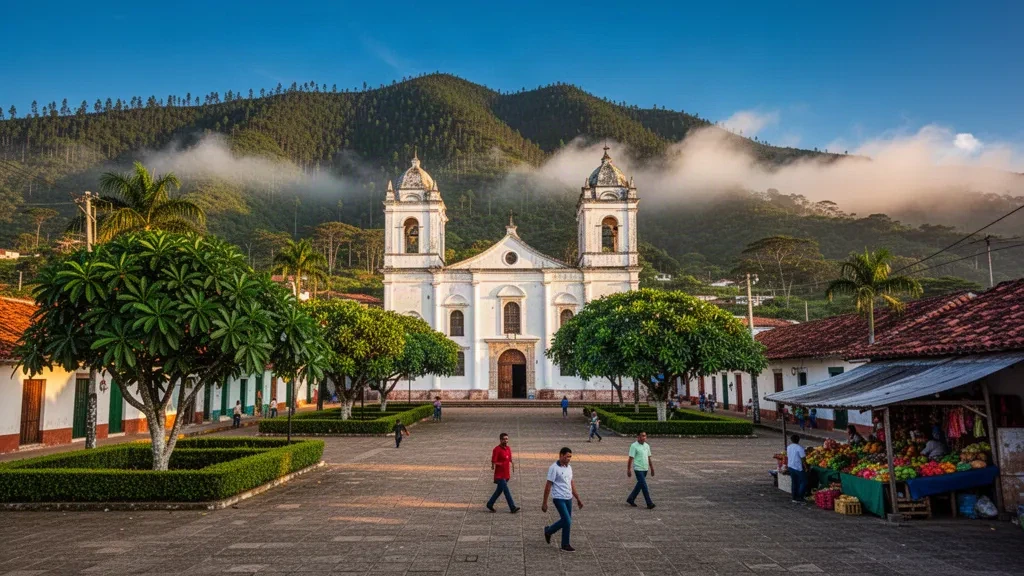
Yoro is the capital of the department of the same name, a quiet agricultural and administrative town in north-central Honduras. It is best known internationally for the Lluvia de Peces, the 'rain of fish' said to appear after heavy storms between May and July, a phenomenon that has become a symbol of the town and draws curious visitors and pilgrims.
The town's compact centre revolves around its central square and a mix of modest republican and religious architecture. Yoro was confirmed as a city on 10 February 1852, and its religious history is closely linked to Padre José Manuel Subirana, a 19th-century missionary associated with the local fish-rain tradition. The surrounding department keeps a strong rural identity shaped by cattle ranching, coffee and maize farming.
Around the town, the main draws are natural. Montaña de Yoro National Park protects cloud forest and hiking trails above the city, while the wider area offers rivers, waterfalls and caves with hot springs, notably near Sulaco. Elsewhere in the department, El Progreso holds a railway museum and the El Cajón reservoir near Victoria offers lakeside scenery at Isla Limones.
The local economy is built on agriculture, livestock, trade and public services. Annual festivities and the fish-rain season bring extra activity to the otherwise unhurried town, and its central market and small comedores give visitors a direct taste of everyday Honduran life.
For travellers, Yoro works best as a base for exploring the cloud forest and rural highlands or as a stop between San Pedro Sula and other departmental towns. Business visitors usually arrive for agriculture-related, municipal or transport projects, using San Pedro Sula's international airport and the road connection through El Progreso.
Yoro Travel Guide
Best Time to Visit
The dry season, roughly December to April, is the most practical time for roads, hiking and day trips into the surrounding highlands. May to July brings heavy rain but is also when Yoro's famous rain of fish is most likely to be reported.
How to Get Around
Central Yoro is small and easy to explore on foot, with taxis and moto-taxis for short trips around town. For villages, cloud forest areas and other parts of the department, travelers rely on local buses, pickup services, private transfers or a rental car arranged from San Pedro Sula or El Progreso.
Where to Stay
Yoro has a limited number of small hotels and guesthouses near the centre. El Progreso, the largest city in the department, offers more lodging and dining options, while San Pedro Sula provides the widest range of hotels for travellers arriving by air.
Food & Drink
Local eating centres on simple Honduran staples such as baleadas, tamales, grilled meats, beans, rice and corn tortillas. Small comedores, market stalls and bakeries serve the town, while coffee from the surrounding highlands is a common feature.
Ground Transportation Services in Yoro
Airport Transfers
Travel between Ramón Villeda Morales International Airport in San Pedro Sula and Yoro for hotels, business appointments and rural visits, with the road journey typically taking about two and a half hours.
Hourly Chauffeur
Book a private chauffeur by the hour for business meetings, site visits, sightseeing and flexible travel around Yoro and the surrounding department.
Car Rental
Rent a car in San Pedro Sula or El Progreso for independent travel to Yoro, the cloud forest highlands and other destinations across the department.
Bus & Group Transfers
Arrange minibuses or charter buses for groups, corporate travel, events, airport transfers and tours around Yoro and nearby natural attractions.

Frequently Asked Questions
Related Cities in Honduras
View all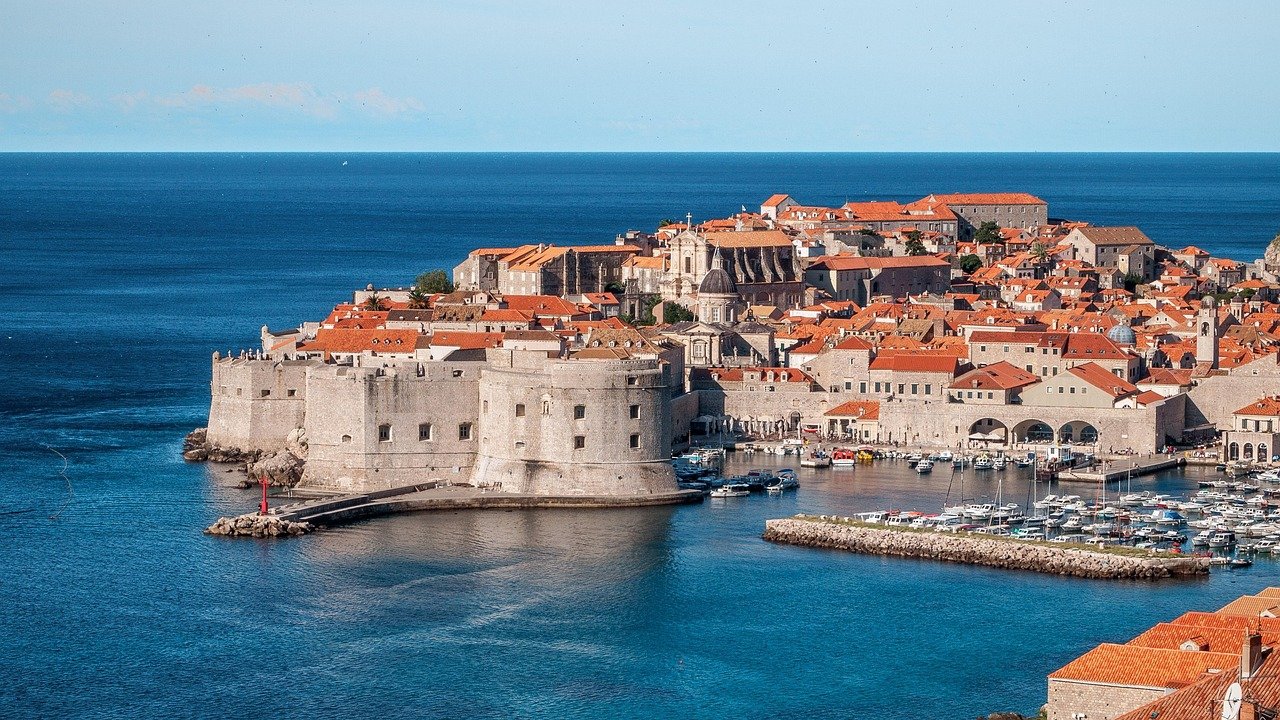
Valle
Valle, in southern Honduras, is a quiet destination shaped by Pacific coast landscapes, local traditions and a slower pace of life.
Santa Bárbara
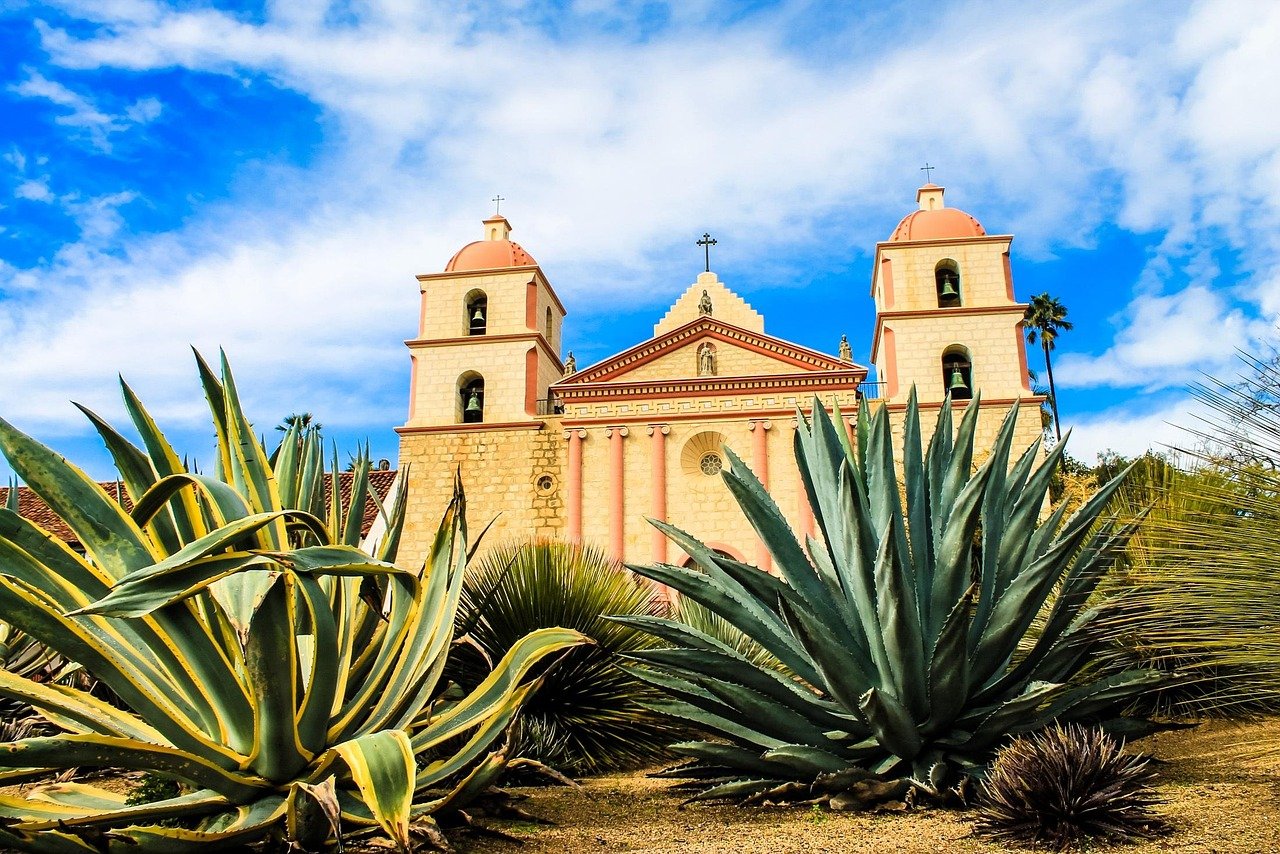
Santa Bárbara is a western Honduran city known for its coffee-growing surroundings, mountain landscapes and unhurried local life, with a historic centre that reflects the region's colonial past.
Olancho
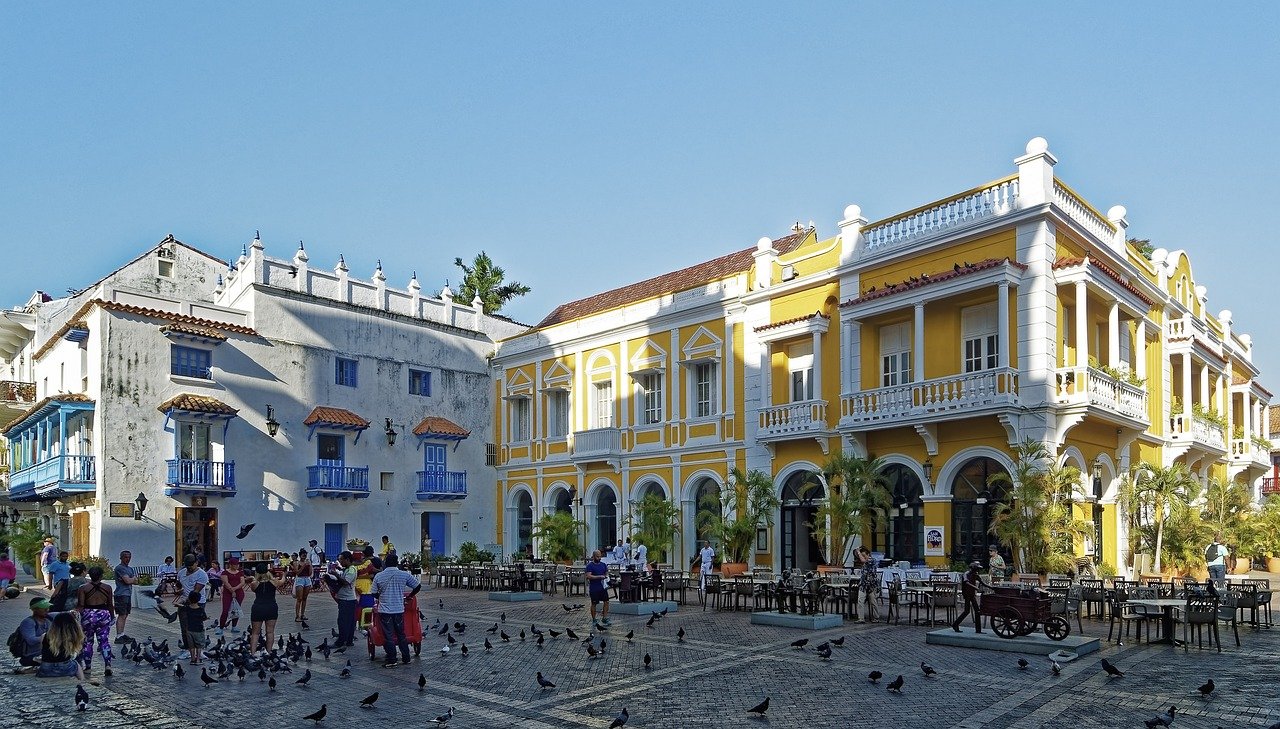
Olancho, a peaceful destination in eastern Honduras, is known for its cattle ranches, forested mountains and strong rural traditions. It offers a quiet base for exploring natural landscapes, local markets and authentic Honduran culture.
Airports in Honduras
View all airports in the country
Cauquira Airport (CDD)
Cauquira Airport is a small airstrip serving the village of Cauquira in the remote Mosquitia region of Gracias a Dios, Honduras. It provides access to the Caratasca Lagoon, nearby coastal communities, and the departmental capital of Puerto Lempira.
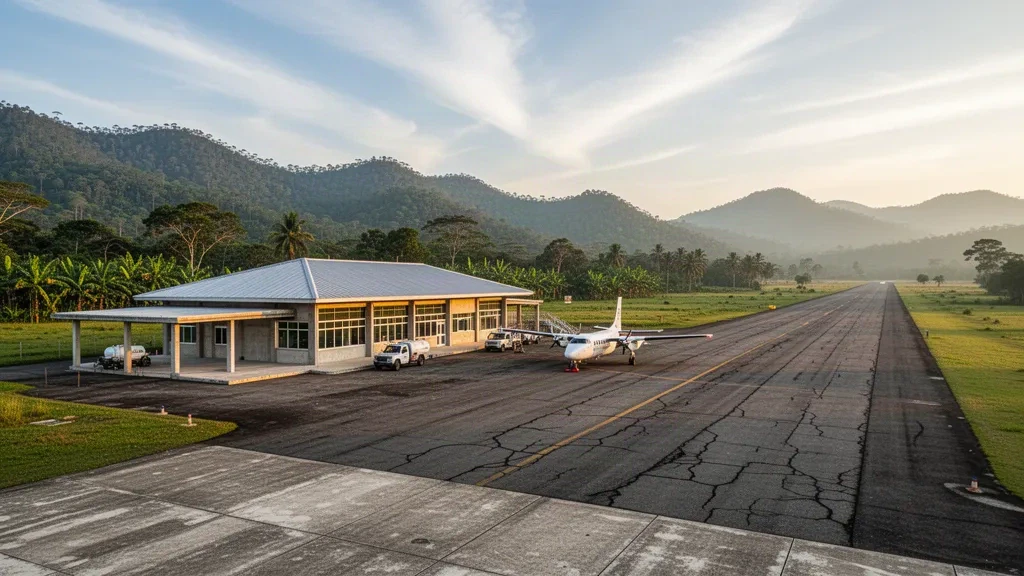
El Aguacate Airport (CAA)
El Aguacate Airport is the main air gateway to Catacamas and the Olancho region of eastern Honduras. Compare transfer options to Catacamas city centre, nearby towns and destinations across the department, and plan your onward journey with ease.
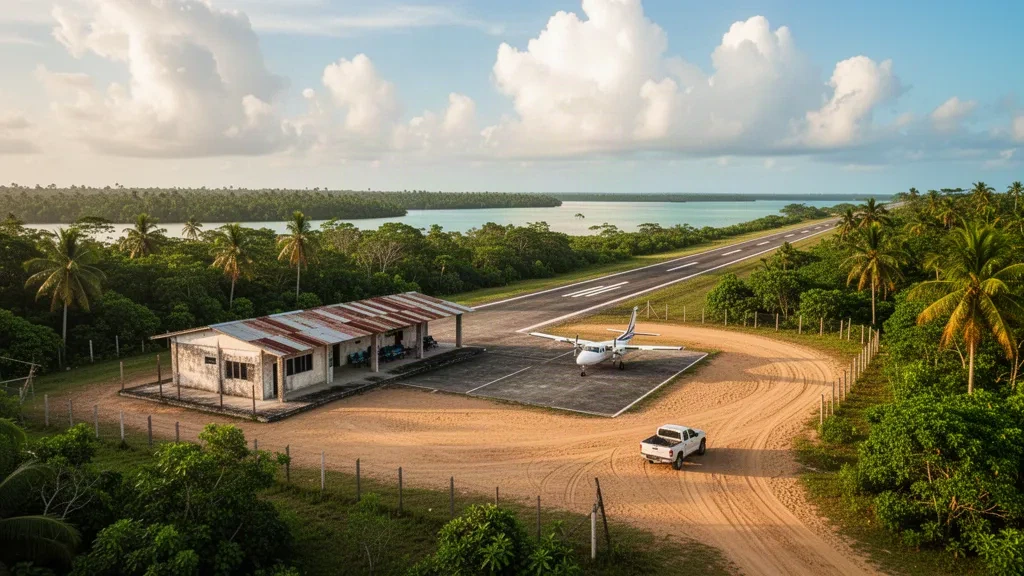
Brus Laguna Airport (BHG)
Brus Laguna Airport is a small regional airstrip serving the town of Brus Laguna and the wider Gracias a Dios Department in eastern Honduras. Compare onward options to the town centre and nearby destinations in the Mosquitia region, including connections toward Puerto Lempira and the Río Plátano Biosphere Reserve.
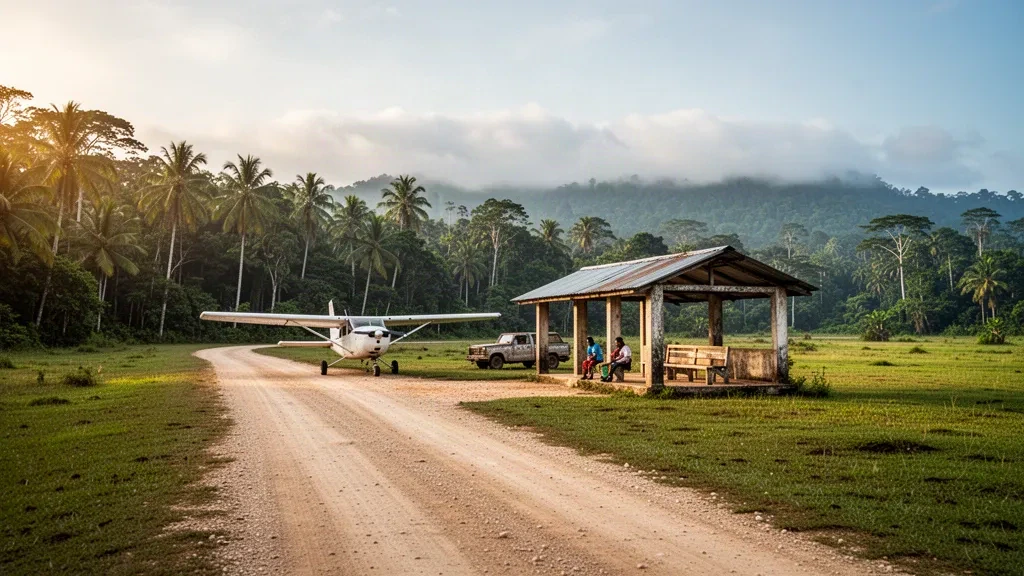
Ahuas Airport (AHS)
Ahuas Airport is a small domestic gateway to the remote La Mosquitia region of Gracias a Dios, Honduras. It serves the village of Ahuas and connects travellers with Puerto Lempira, Brus Laguna, La Ceiba and nearby Patuca River communities, with local transfers available for the short trip into the village.