Labé
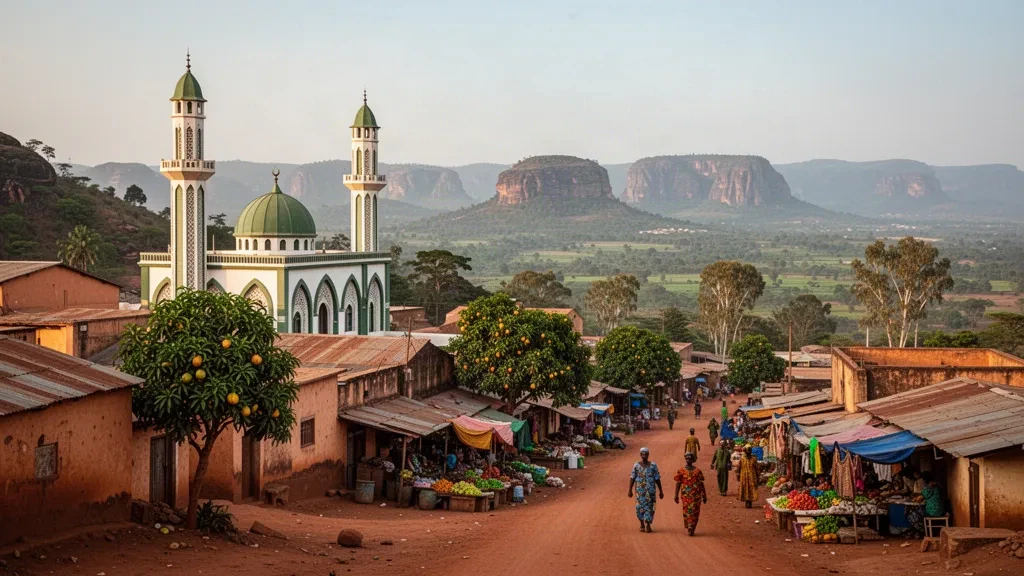
Labé sits in the highlands of the Fouta Djallon, a trading city with a cool climate and strong Fulani cultural roots. Its central market, Grand Mosque and nearby waterfalls draw travelers exploring Guinea's interior.
Passengers
Luggage
About Labé
Labé is the main city of Guinea's Fouta Djallon highlands and the administrative capital of Labé Region, in the north-central part of the country. Sitting at roughly 1,000 metres above sea level, it has a cooler climate than coastal Guinea and serves as the cultural and commercial heart of the Fula (Fulani) people.
Founded around 1755 by Karamoko Alpha mo Labé, a Muslim scholar and leader who spread Islam across the Fouta Djallon, the city grew from a religious centre into an important regional town. Its long Islamic heritage remains visible at the Grand Mosque and the mausoleum of Karamoko Alpha mo Labé, while the Regional Museum introduces local history and Fula traditions.
Labé's central market is one of the busiest trading points in the highlands, where kola nuts, dyed textiles, livestock and everyday goods change hands. Around the city, travellers can visit Saala Falls, Mount Kolima and the Pammel Cave at Donghora, or set out on trekking routes that lead deeper into the Fouta Djallon's hills, canyons and waterfalls.
The city is also a road junction linking Conakry and other Guinean towns with routes toward Mali and Senegal. Neighbourhoods spread across a rolling plateau, and small hotels, guesthouses and restaurants are concentrated around the centre, close to the market and mosque.
For both leisure and business travellers, Labé is a practical gateway to northern Guinea. Its market, transport links, regional administration and growing use as a base for highland tourism make it relevant for trade, NGO and government work, and for visitors exploring one of West Africa's most distinctive landscapes.
Labé Travel Guide
Best Time to Visit
The dry season from November to May is the most comfortable time to visit, with cooler highland temperatures and better road conditions for excursions. November to February is especially pleasant, while the rainy season from June to October can make rural tracks muddy and harder to reach.
How to Get Around
Central Labé is easy to cover on foot, while shared taxis and moto-taxis handle short trips across town. For Saala Falls, Mount Kolima and trekking routes, arrange a 4WD with a driver or join a guided excursion, since public transport to remote sites is limited.
Where to Stay
Most hotels and guesthouses are in the central area near the Grand Mosque and the market, offering the easiest access to shops and transport. Simpler lodges and trekking guesthouses outside town suit visitors heading into the Fouta Djallon for hikes.
Food & Drink
Labé's food reflects Fula and Guinean cooking, with rice and fonio served alongside peanut and leaf sauces, grilled meat and fresh highland produce. The central market is the best place to sample fruit, dairy products and tea, while local restaurants offer simple, filling meals.
Ground Transportation Services in Labé
Airport Transfers
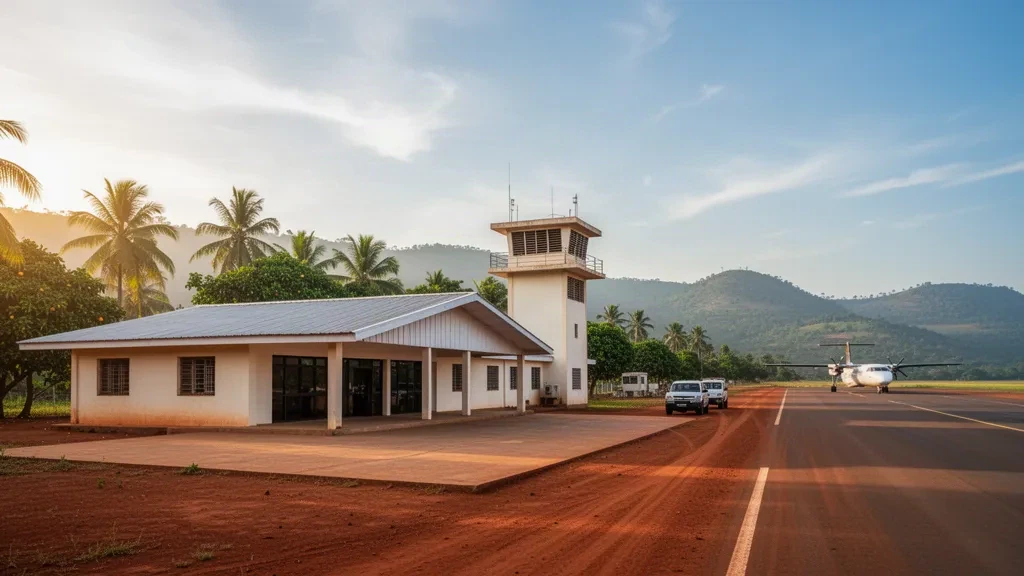
Travel between Tata Airport, about 2 km north of Labé, and central hotels, guesthouses and meeting points across the city.
Hourly Chauffeur
Book a private chauffeur by the hour for market visits, business meetings, sightseeing trips to Saala Falls or Mount Kolima, and flexible travel around Labé.
Car Rental
Rent a car or 4WD in Labé for independent travel around the Fouta Djallon highlands and journeys to nearby towns, with a 4WD recommended for rural tracks.
Bus & Group Transfers
Arrange minibuses or charter buses for group tours, trekking expeditions, events, and road transfers between Labé and Conakry or other destinations.
Frequently Asked Questions
Related Cities in Guinea
View all
Yomou
Yomou is a lively town in southeastern Guinea, set in the Forest Guinea region and shaped by local markets, diverse cultural traditions and the green landscapes that surround it.
Tougué
Tougué is a highland town in Guinea's Fouta Djallon region, with a local market, surrounding plateaus and a strong Fulani cultural heritage.
Télimélé
Télimélé, a town in Guinea's Fouta Djallon highlands, is a local market and administrative centre. Its rural setting and surrounding hills give it a quiet, authentic character.