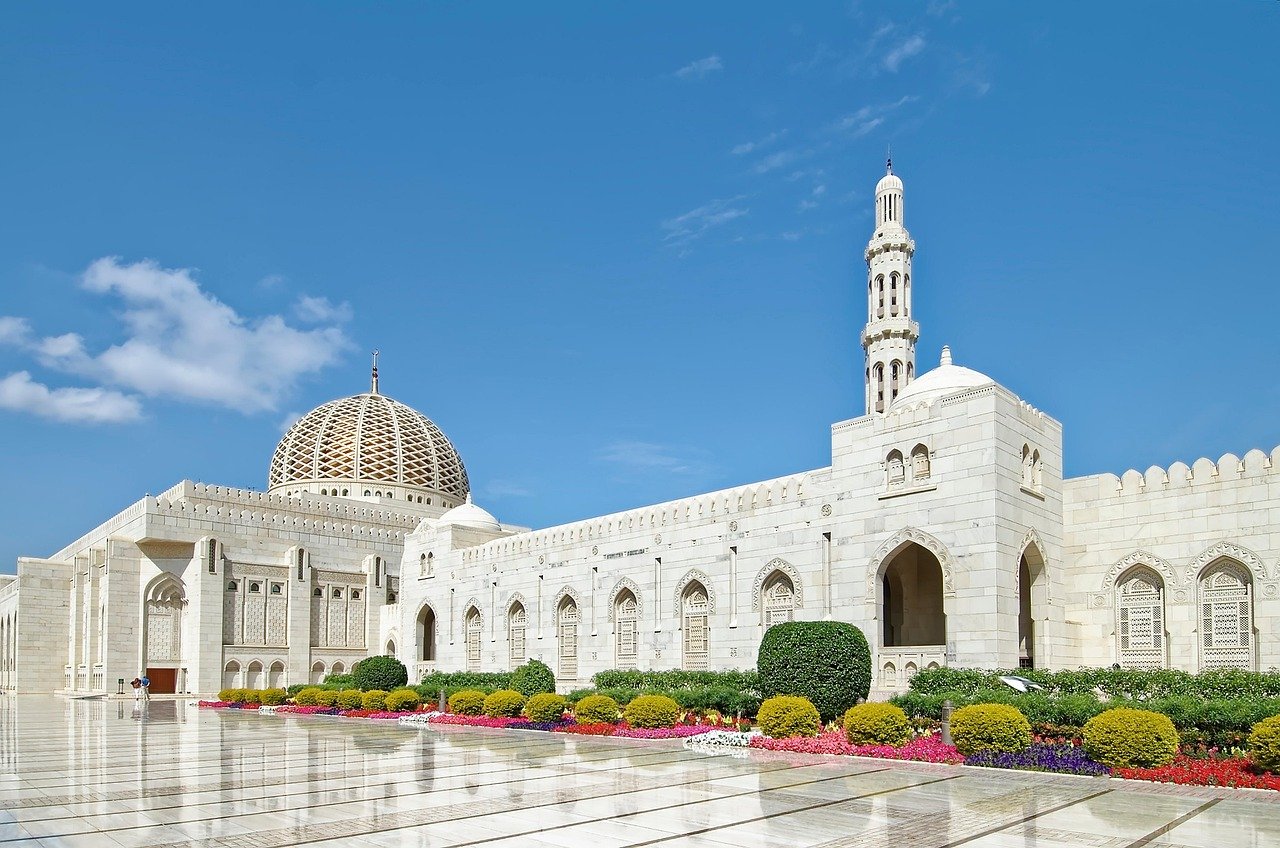
Kankan
Kankan, a historic trading city on the Milo River in eastern Guinea, blends West African heritage with lively markets and a strong cultural and commercial identity.
Passengers
Luggage
About Kankan
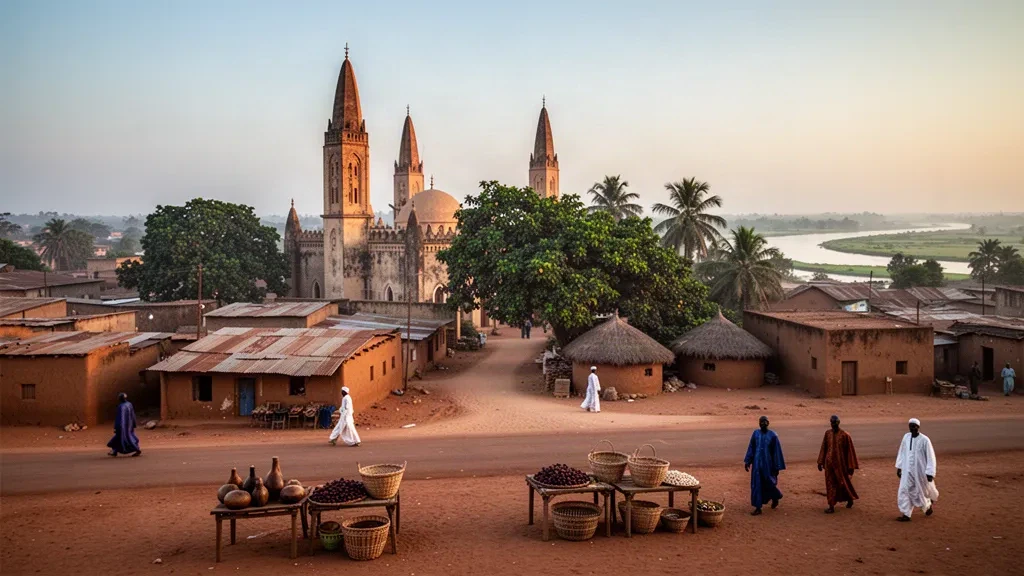
Kankan is the largest city in eastern Guinea and the capital of Kankan Region, set along the Milo River, a tributary of the Niger. A historic Mandinka trading and religious centre, it is known for its Islamic scholarship, gold-working traditions and lively regional markets.
The city was founded in the 17th century by Mandinka settlers and became the capital of the Baté Empire, an important centre for kola nut trade. French explorer René Caillié described Kankan in 1827, and landmarks such as the Grande Mosquée, traditional family compounds and university buildings reflect the city's layered history.
The heart of Kankan is its busy central market district, which draws traders and residents several times a week, while small workshops continue traditional work in gold, wood and textiles. Julius Nyerere University, established in 1964, brings students from across eastern Guinea and adds to the city's energy.
Kankan sits at a crossroads of routes linking Conakry with Bamako in Mali and with regional towns such as Siguiri, Kouroussa and Nzérékoré, making it a practical stop for overland travellers and business visitors. Its riverbank setting, savanna surroundings and Mandinka heritage give it a character distinct from coastal Guinea.
For travellers, Kankan offers an authentic glimpse of Upper Guinea's trade, culture and daily life, with a compact centre, welcoming atmosphere and useful connections across the east of the country.
Kankan Travel Guide
Best Time to Visit
The dry season from November to April is the most comfortable time to visit Kankan, with lower humidity and easier travel on unpaved roads. The rainy season from May to October brings heat and heavy showers, though it also leaves the surrounding savanna green.
How to Get Around
Within Kankan, moto-taxis and shared taxis are the main ways to move between the market, university and neighbourhoods. The compact centre is walkable, while private vehicles or hired cars are useful for the airport and trips to surrounding villages.
Where to Stay
Accommodation is concentrated in the central commercial area near the market and Grande Mosquée, with guesthouses and simple hotels. Staying near the centre keeps visitors close to transport, restaurants and the university.
Food & Drink
Kankan's food reflects Mandinka cooking, with rice-based dishes, peanut sauces, grilled meat and fresh fruit from local markets. Small restaurants, roadside grills and tea stalls serve meals throughout the day, especially around the central market.
Ground Transportation Services in Kankan
Airport Transfers
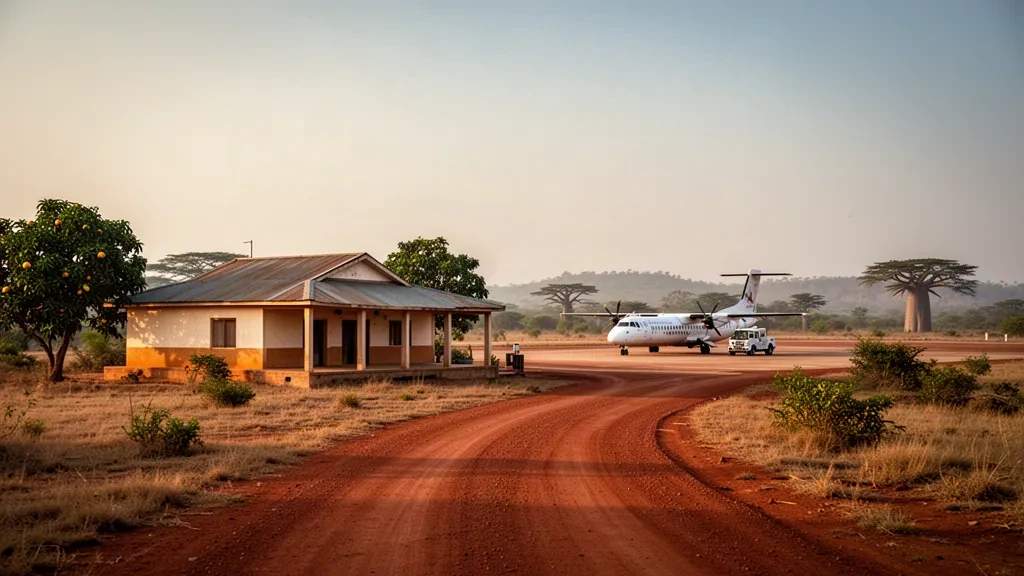
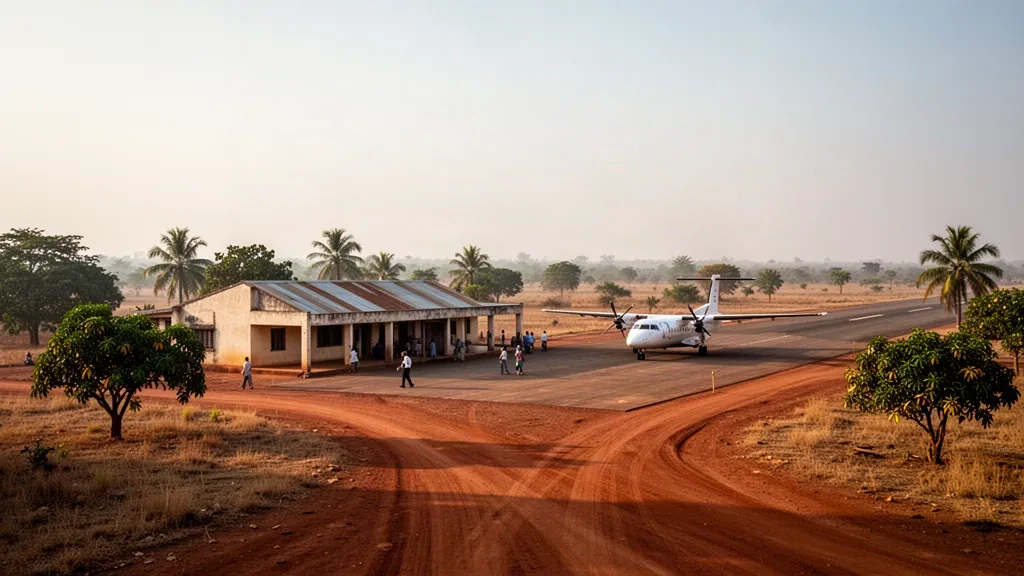
Travel between Kankan Airport (KNN), about 7 km northeast of the city, and hotels, the market district, university and other destinations in Kankan.
Hourly Chauffeur
Book a private driver by the hour for business meetings, market visits, university trips and flexible travel around Kankan and nearby villages.
Car Rental
Rent a vehicle for independent travel around Kankan and convenient journeys to regional towns such as Siguiri, Kouroussa and Nzérékoré.
Bus & Group Transfers
Arrange minibuses or charter buses for groups, business trips, events, airport transfers and tours in Kankan and across eastern Guinea.
Airports in Kankan
Frequently Asked Questions
Related Cities in Guinea
View all
Yomou
Yomou is a lively town in southeastern Guinea, set in the Forest Guinea region and shaped by local markets, diverse cultural traditions and the green landscapes that surround it.
Tougué
Tougué is a highland town in Guinea's Fouta Djallon region, with a local market, surrounding plateaus and a strong Fulani cultural heritage.
Télimélé
Télimélé, a town in Guinea's Fouta Djallon highlands, is a local market and administrative centre. Its rural setting and surrounding hills give it a quiet, authentic character.