Oio
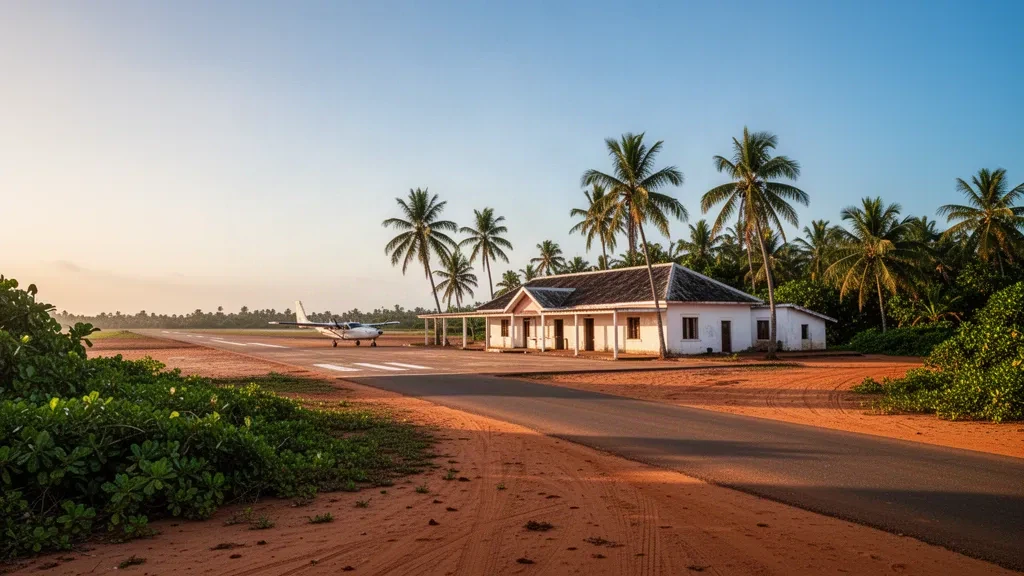
Oio, in northern Guinea-Bissau, blends rural landscapes with riverine scenery, historic towns and a relaxed pace of life rooted in agriculture and local markets.
Passengers
Luggage
About Oio
Oio is a predominantly rural region in north-central Guinea-Bissau, administered from the riverside town of Farim on the Rio Cacheu. Covering roughly 5,403 km², it is one of Guinea-Bissau's most populated regions and is shaped by Mandinka, Balanta and Fula communities, cashew and rice farming, and a network of villages known as tabancas.
Farim was founded around 1641 as a Portuguese trading settlement on the upper Cacheu and later grew into an important river port for hides, ivory and wax. During the early 20th century the wider Oio area was a centre of resistance to Portuguese colonial campaigns, and the independence-era figure Vasco Cabral was born in Farim.
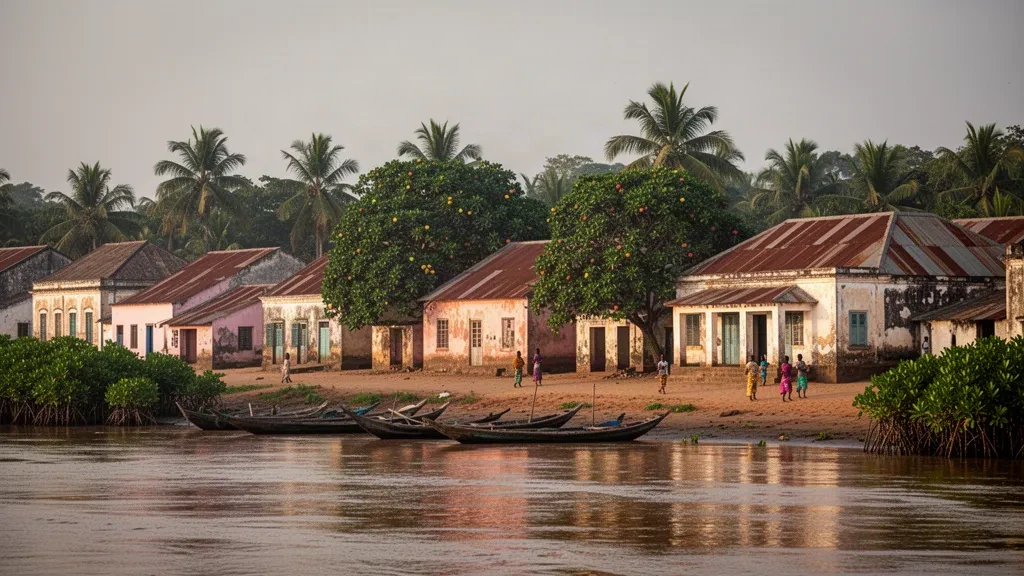
Oio is divided into the five sectors of Farim, Bissorã, Mansaba, Mansoa and Nhacra. Farim's centre holds well-preserved colonial houses, a busy market and views over the Cacheu, whose prawns are a local speciality, while Mansoa and Bissorã serve as smaller market towns amid cashew groves and rice fields.
Visitors can experience a slower, community-centred side of Guinea-Bissau through canoe journeys on the river, seasonal festivals, traditional architecture and the daily trade of rural markets. Infrastructure remains modest, so reaching these places is often part of the experience rather than a prelude to conventional sightseeing.
Oio matters for both curious leisure travellers and business visitors working in agriculture, development or logistics, because it links Bissau with the country's northern interior. Most travellers approach by road from Bissau or via nearby Senegal, making the region a practical introduction to Guinea-Bissau beyond its capital.
Oio Travel Guide
Best Time to Visit
The dry season from November to May is the most practical time to explore Oio, with more reliable roads and easier access to Farim, markets and river areas. Heavy rains from June to October can make rural tracks and riverbanks difficult to reach.
How to Get Around
Oio is normally reached by road from Bissau, with Farim lying about 115 km north-east of the capital. Shared taxis, minibuses, motorbike taxis and private cars connect Farim, Mansoa, Bissorã and Nhacra, while canoes serve riverside communities along the Cacheu.
Where to Stay
Farim offers small guesthouses and simple local lodging, but accommodation elsewhere in Oio is limited. Many visitors stay in Bissau and travel to the region on day trips, or overnight in Farim to reach the market and river early.
Food & Drink
Local eating in Oio is built around rice, fish, cassava and rich stews, with Farim especially known for Cacheu river prawns. Markets sell fresh produce, smoked fish and cashew, while small restaurants and roadside stalls serve Guinean dishes and drinks such as cashew juice and hibiscus.
Ground Transportation Services in Oio
Airport Transfers
Travel between Osvaldo Vieira International Airport in Bissau and Oio, including Farim, Mansoa, Bissorã and other towns in the region.
Hourly Chauffeur
Book a private chauffeur by the hour for flexible travel around Oio, including business meetings, field visits and sightseeing between Farim, Bissau and nearby areas.
Car Rental
Rent a car for independent travel to Oio and convenient journeys between Farim, Mansoa, Bissorã, Nhacra and other parts of the region.
Bus & Group Transfers
Arrange minibuses or charter buses for groups, corporate teams, events and airport transfers within Oio or between the region and Bissau.
Related Cities in Guinea-Bissau
View all
Tombali
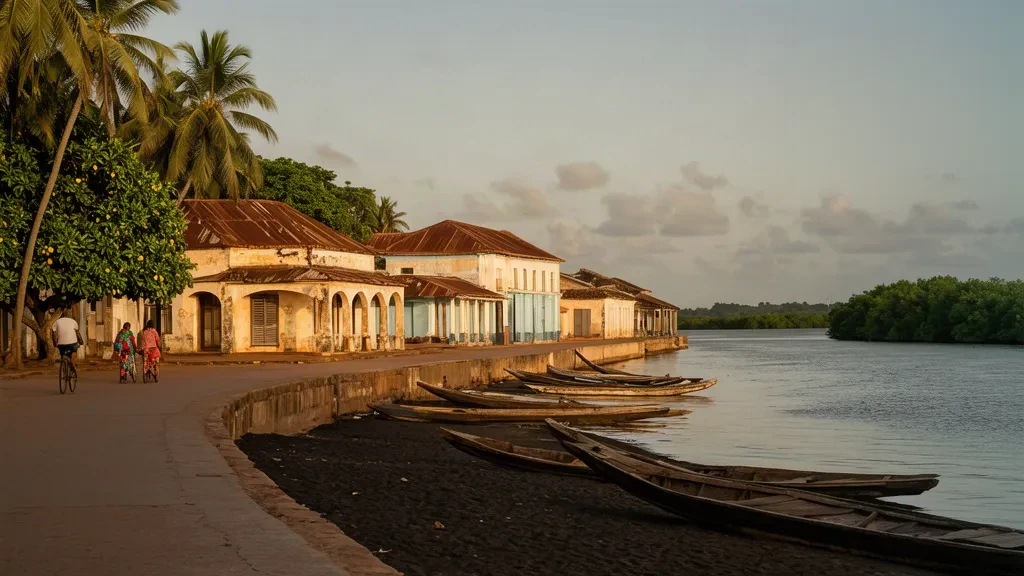
Tombali, in southern Guinea-Bissau, is known for the Cantanhez forests, mangrove creeks and deep-rooted cultural traditions.
Sul
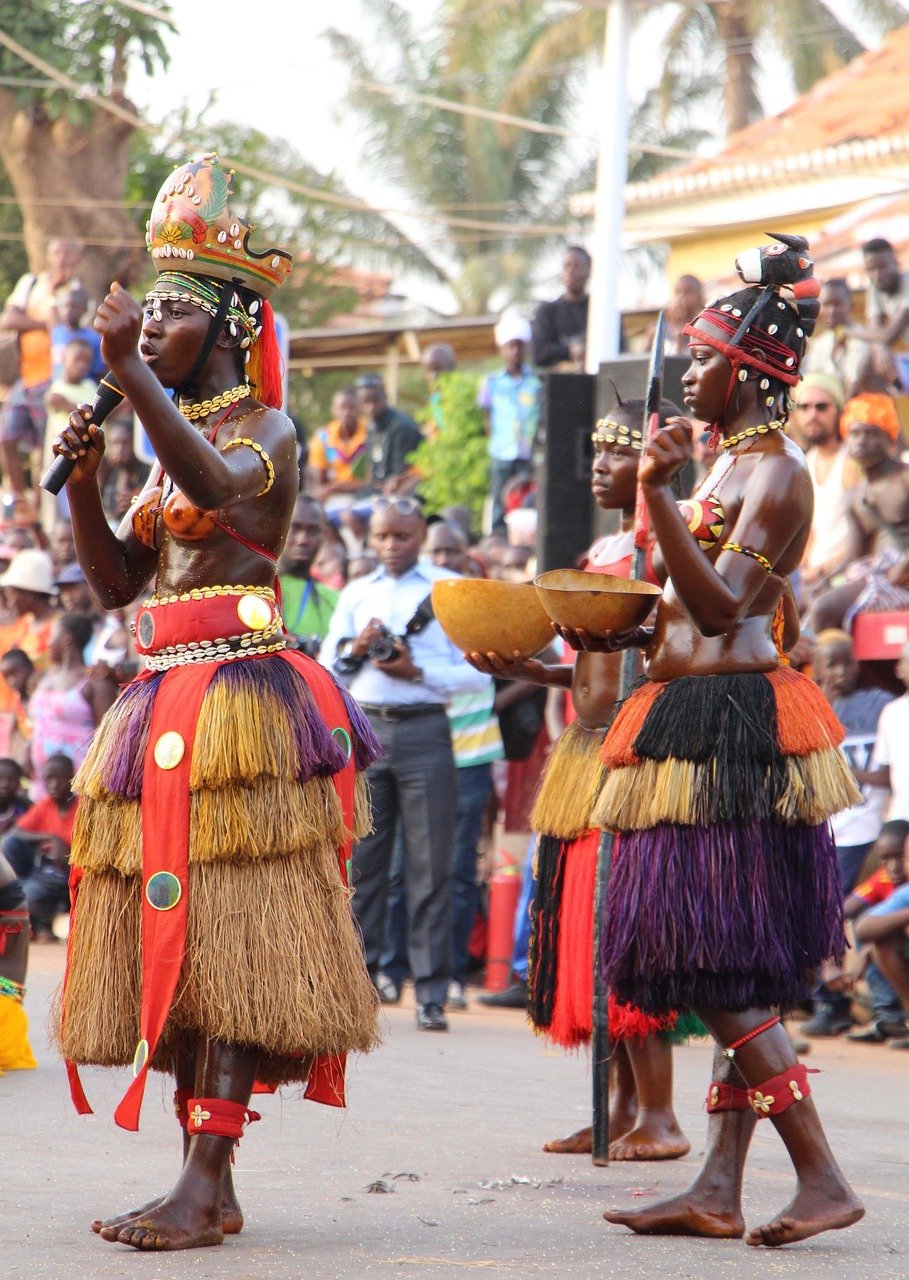
Sul is a town in Guinea-Bissau, where West African traditions meet Portuguese-influenced culture in a relaxed, everyday setting.

Quinara
Quinara, in southern Guinea-Bissau, is known for its rivers, mangroves and rural landscapes, with Buba as its main town near the Atlantic coast.