Bolama
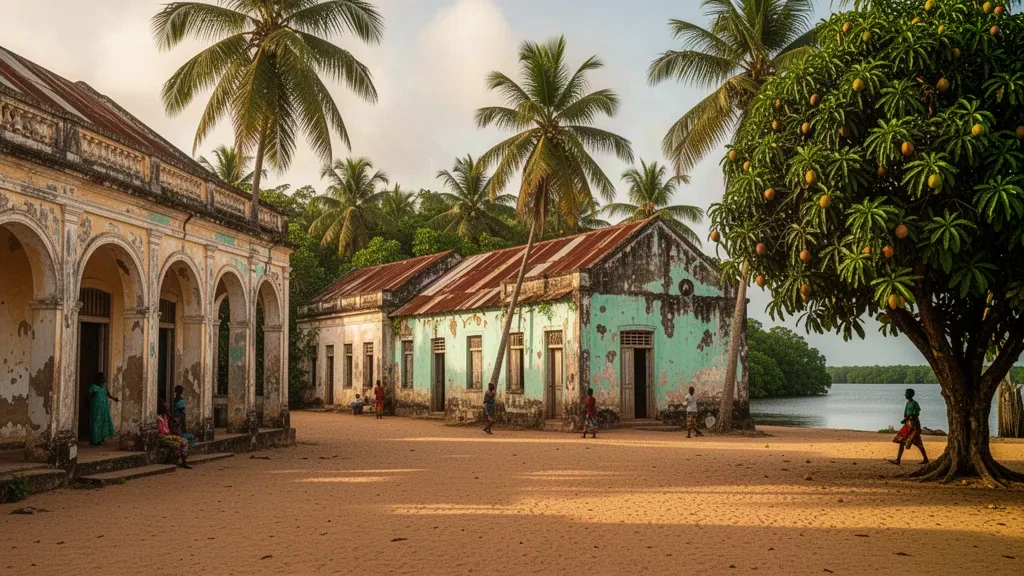
Bolama, once the capital of Portuguese Guinea, rests on a quiet island in the Bijagós archipelago, where crumbling colonial arcades and mango-shaded avenues meet a mangrove-lined shore.
Passengers
Luggage
About Bolama
Bolama is a small, quiet town on the island of the same name in Guinea-Bissau's Bijagós Archipelago, and the capital of Bolama Region. It was the first capital of Portuguese Guinea from 1879 to 1941, and its fading colonial buildings give the town a distinctive, timeworn atmosphere that sets it apart from the busier mainland capital, Bissau.
The island's history is shaped by the Bolama Question, a nineteenth-century dispute between Britain and Portugal that was settled in 1870 by international arbitration led by U.S. president Ulysses S. Grant, who awarded the island to Portugal. Bolama then became the colonial administrative centre and remained the capital until the seat of government moved to Bissau, leaving behind tree-lined avenues, the old governor's palace, churches and abandoned administrative buildings.
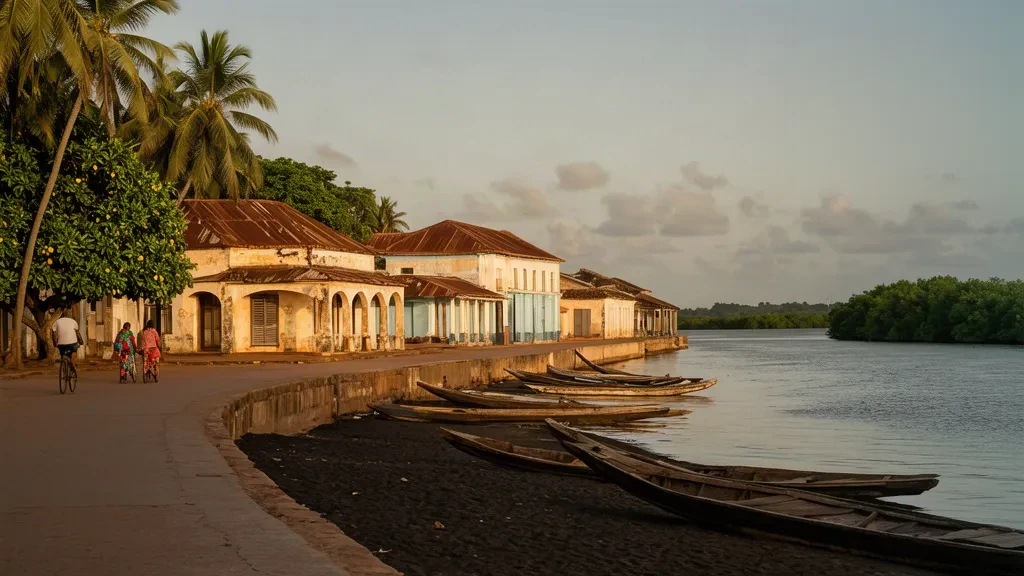
Today the town is best explored on foot. Visitors come to see the decaying colonial quarter and early twentieth-century structures now partly reclaimed by vegetation, then walk through quiet neighbourhoods to the market and old harbour. Around the town, mangroves, forested trails and sheltered beaches open onto a landscape rich in birdlife, while nearby islands such as Bubaque and Rubane are known for their beaches, fishing and snorkelling.
Bolama lies within the Boloma Bijagós UNESCO Biosphere Reserve, and much of its population is Bijagó, a people known for ancestral ceremonies, weaving and a strong connection to the sea. Small restaurants and market stalls serve fresh fish, rice, cashew juice and tropical fruit, giving the island a relaxed, community-focused rhythm.
For travellers, Bolama offers a slower, off-the-beaten-path alternative to Bissau: a chance to see Guinea-Bissau's colonial past and island culture up close. Reached mainly by boat from the capital, the town rewards planning with a striking mix of history, nature and living traditions in one of the archipelago's most distinctive destinations.
Bolama Travel Guide
Best Time to Visit
The dry season from November to April is the best time to visit Bolama, with lower humidity and more reliable boat crossings from Bissau. Heavy rains from June to October can disrupt transport and make trails muddy, while December to February are generally the driest months.
How to Get Around
Bolama town is small and best explored on foot, with the colonial buildings, old harbour and market all within walking distance. For island trips, visitors rely on local canoes, pirogues or arranged speedboats, since roads and motor vehicles are limited on the island.
Where to Stay
Accommodation in Bolama town is limited to a few guesthouses and simple local lodgings. Travellers seeking more comfort often stay on nearby Bubaque or Rubane islands, or base themselves in Bissau and visit Bolama by boat as a day trip.
Food & Drink
Bolama's food is built around fresh seafood, grilled fish served with rice, and tropical fruits such as mango, papaya and pineapple. Small restaurants and bars offer cashew juice, palm wine and simple local dishes, with produce and fish available at the island market.
Ground Transportation Services in Bolama
Airport Transfers
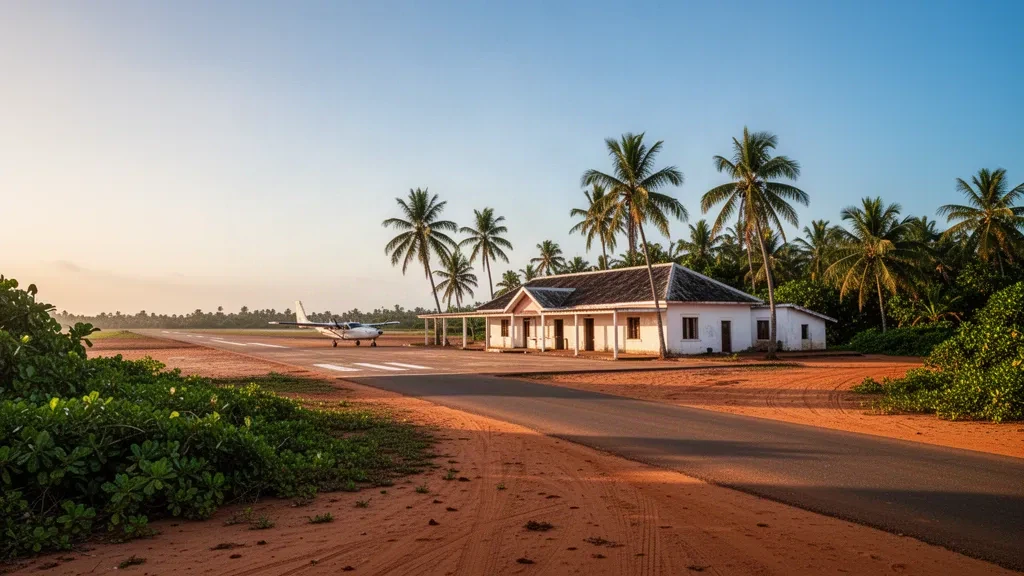
Arrange a combined transfer from Osvaldo Vieira International Airport in Bissau to the port, followed by a boat or speedboat crossing to Bolama. This covers the road journey and the final island connection in one booking.
Hourly Chauffeur
Book a private chauffeur by the hour in Bissau for airport pickups, port transfers and mainland travel before or after a Bolama visit. The service is useful for business travellers and flexible schedules around the capital.
Car Rental
Rent a car in Bissau for independent travel on the mainland, including transfers to ferry points for the Bijagós Islands. On Bolama itself, vehicles are scarce and the town is best explored on foot.
Bus & Group Transfers
Arrange minibuses in Bissau together with charter boats or canoes for group crossings to Bolama. This suits tour groups, research teams and event travel between the mainland and the island.
Frequently Asked Questions
Related Cities in Guinea-Bissau
View all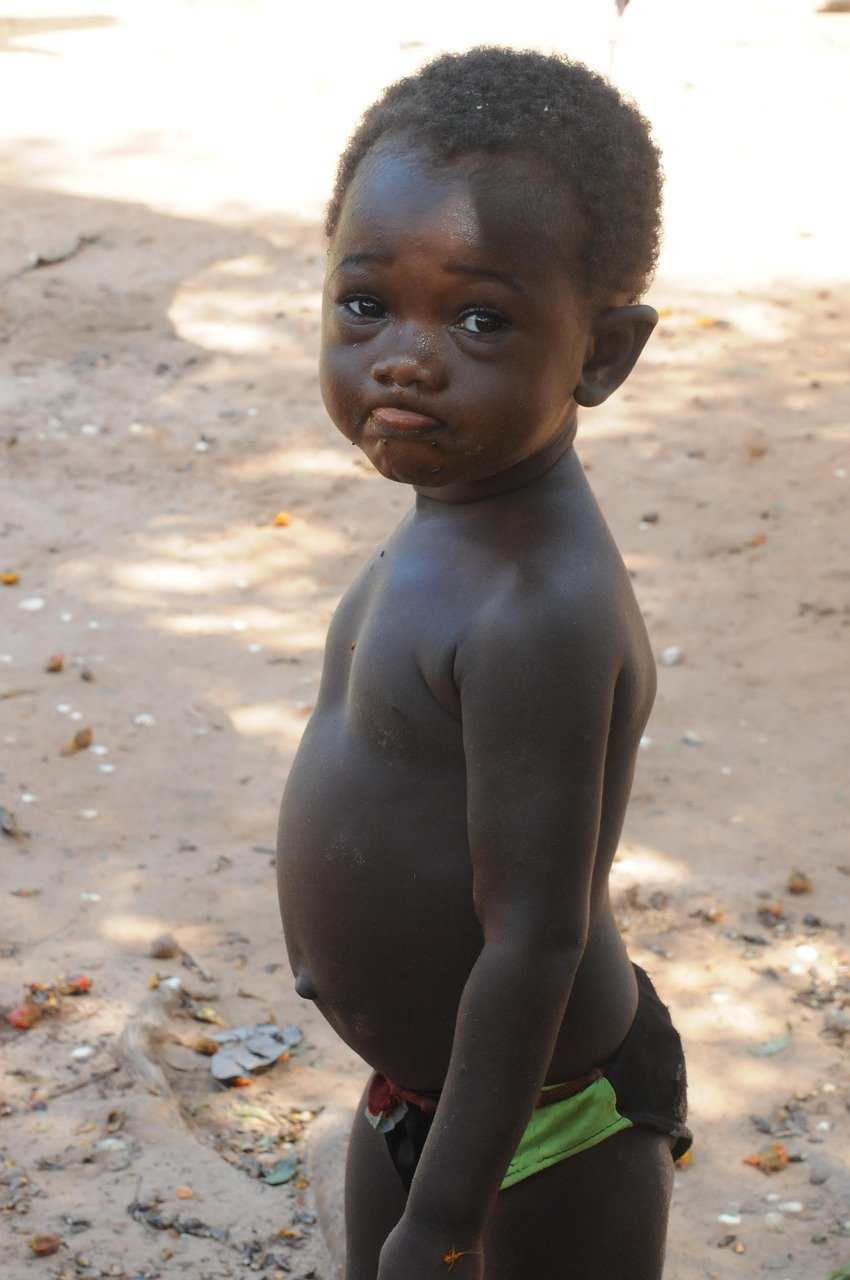
Tombali
Tombali, in southern Guinea-Bissau, is known for the Cantanhez forests, mangrove creeks and deep-rooted cultural traditions.
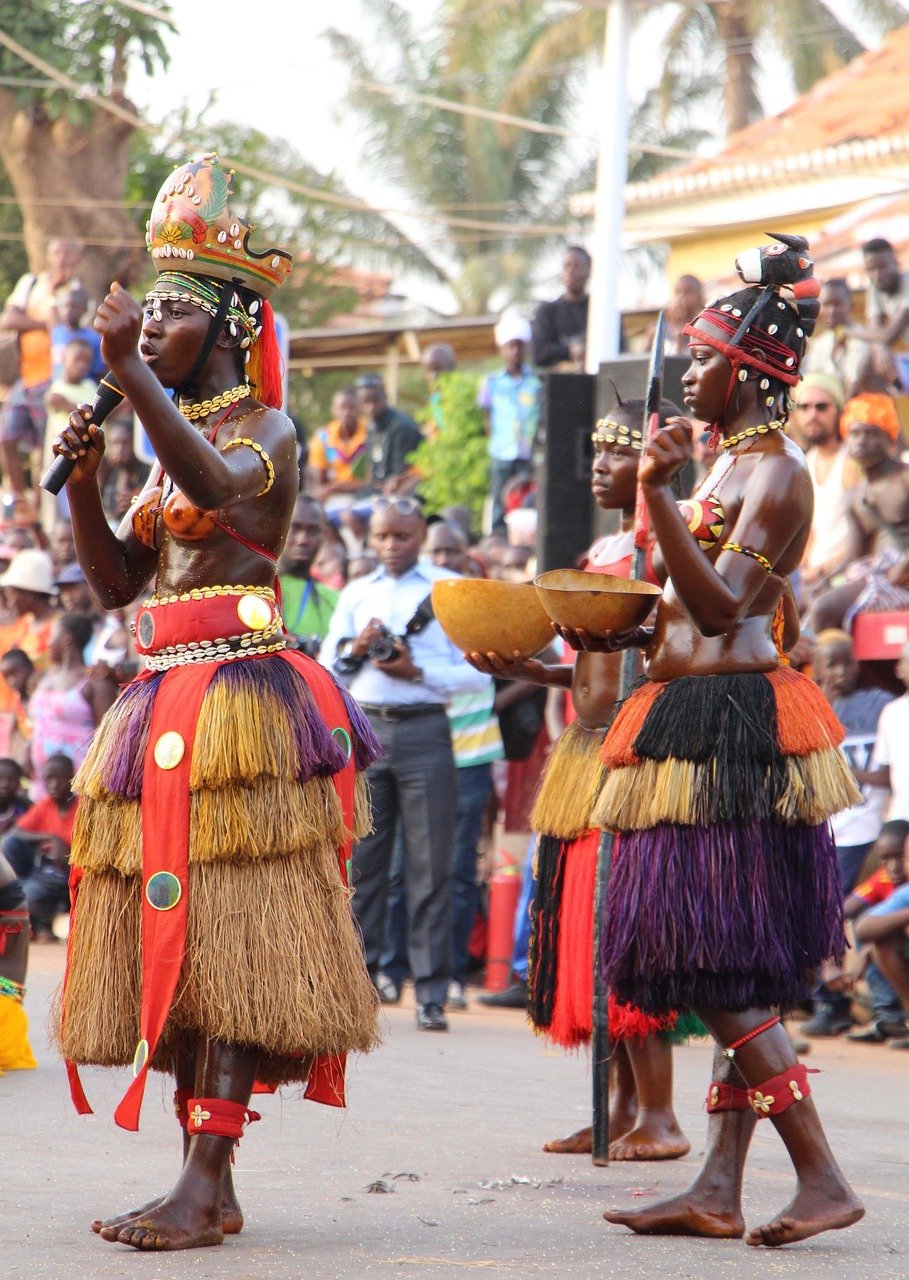
Sul
Sul is a town in Guinea-Bissau, where West African traditions meet Portuguese-influenced culture in a relaxed, everyday setting.
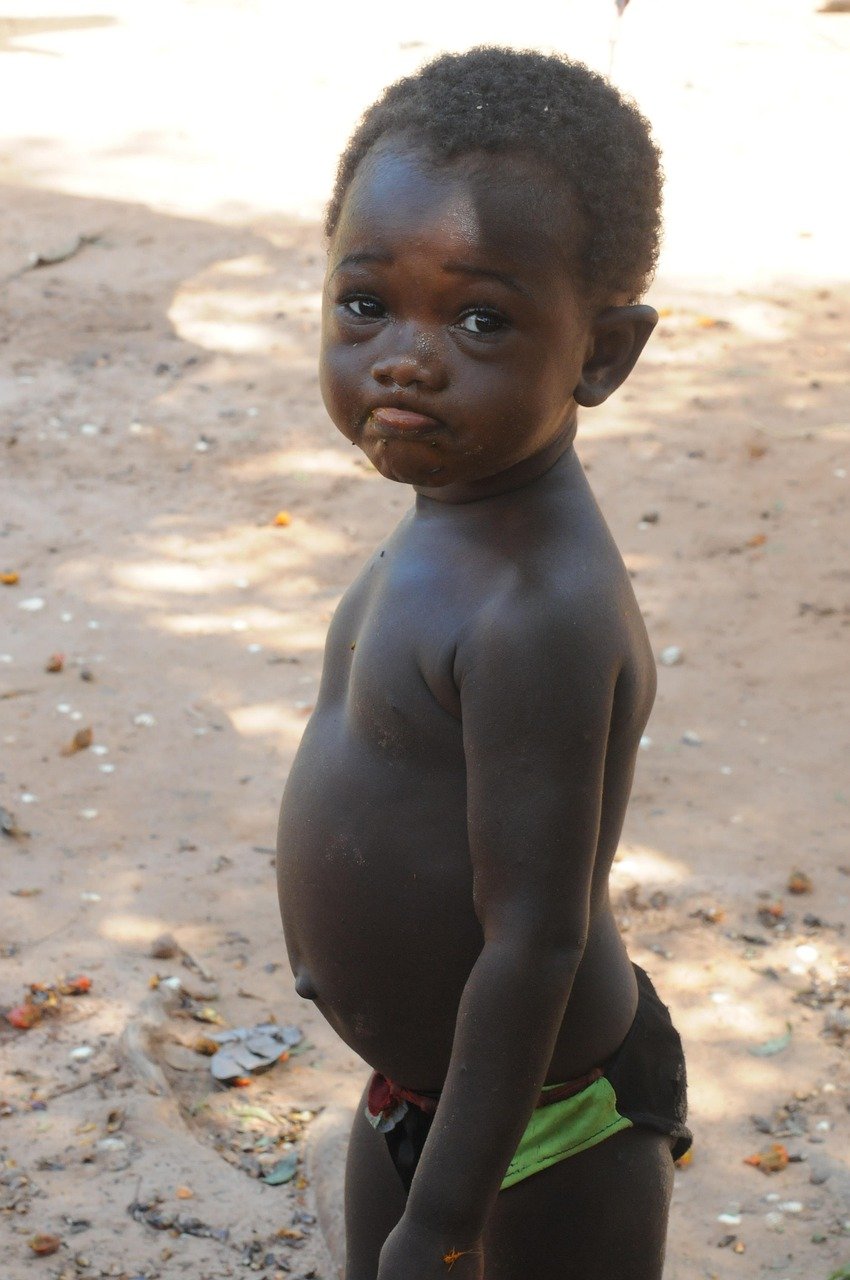
Quinara
Quinara, in southern Guinea-Bissau, is known for its rivers, mangroves and rural landscapes, with Buba as its main town near the Atlantic coast.