Litoral
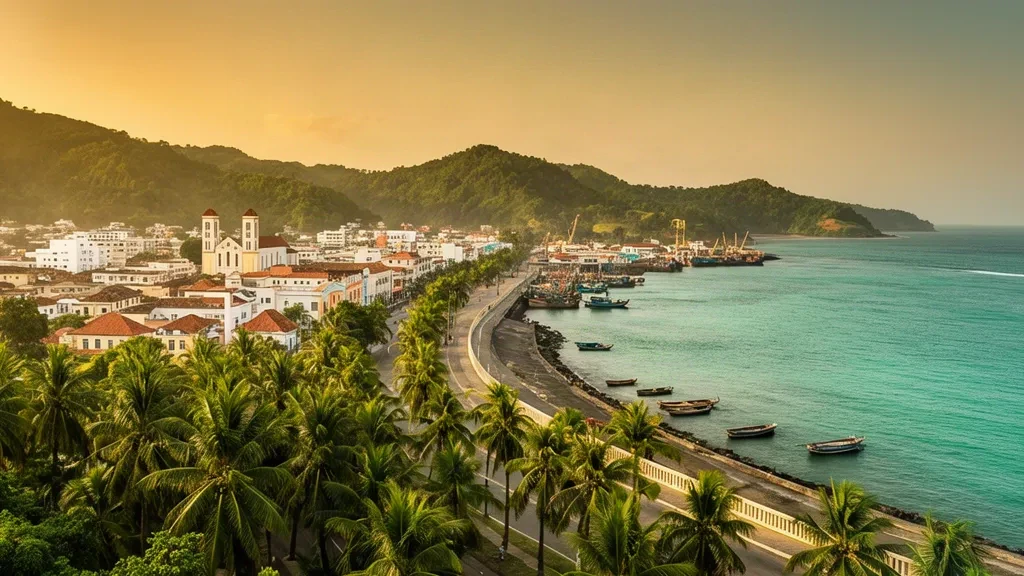
Litoral, a coastal city in Equatorial Guinea, is known for its lively port, beautiful beaches, and a rich cultural heritage.
Passengers
Luggage
About Litoral
Bata is Equatorial Guinea's largest city and main commercial centre on the Gulf of Guinea coast, in the continental region of Río Muni. As the capital of Litoral province, it serves as the country's economic hub, with a busy port, oil-related activity and a fast-changing skyline of hotels, banks and government buildings.
Founded as a small coastal trading post and shaped under Spanish colonial rule, Bata combines a Spanish-influenced grid of wide boulevards with contemporary architecture. The seafront Paseo Marítimo runs for roughly 20 kilometres and is the city's social heart, overlooked by the Torre de la Libertad with its colour-changing lights and revolving restaurant.
The St. James and Our Lady of the Pillar Cathedral anchors the centre near the old town, while the Mercado Grande provides a lively daily market atmosphere. Beyond the urban core, the Utonde River, Atlantic beaches and the rainforests of Monte Alén National Park offer outdoor escapes, while the modern stadium and port area reflect recent investment.
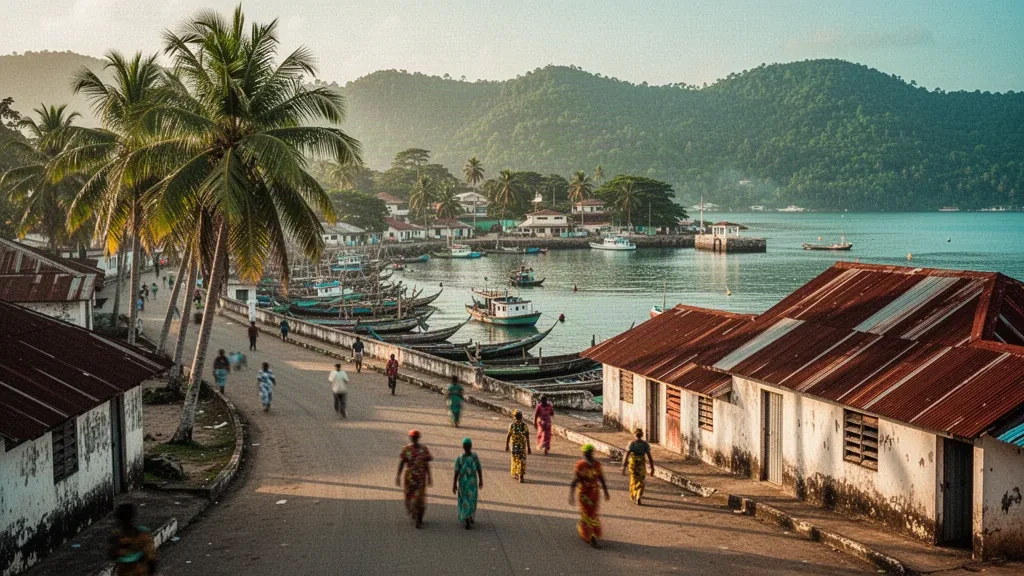
For business travellers, Bata is the mainland gateway, with domestic flights to Malabo and regional connections through Bata Airport plus a deep-water port. For leisure visitors, it offers an authentic view of Central African coastal life, blending Spanish, Fang and Ndowe influences in its food, music and street culture.
Litoral Travel Guide
Best Time to Visit
Bata has a tropical monsoon climate, so the drier months from December to February and from June to August are generally the most comfortable for exploring. Heavy rains are common in the wet seasons, when some roads and outdoor activities become more difficult.
How to Get Around
Shared and private taxis are the most common way to move around Bata, and drivers usually agree on a fare before departure. Central areas around the promenade, cathedral and market are walkable, while rental cars and pre-booked drivers are useful for longer trips outside the city.
Where to Stay
Most accommodation is concentrated in central Bata and along the seafront, close to the cathedral, port and Paseo Marítimo. The city has a limited but growing range of hotels and guesthouses, with seafront properties offering convenient access to restaurants and coastal views.
Food & Drink
Bata's food scene centres on fresh Atlantic seafood, grilled fish, plantains, cassava and peanut-based stews influenced by Spanish and local Fang and Ndowe cooking. The Mercado Grande, seafront cafés and neighbourhood restaurants are good places to try local dishes and everyday city life.
Ground Transportation Services in Litoral
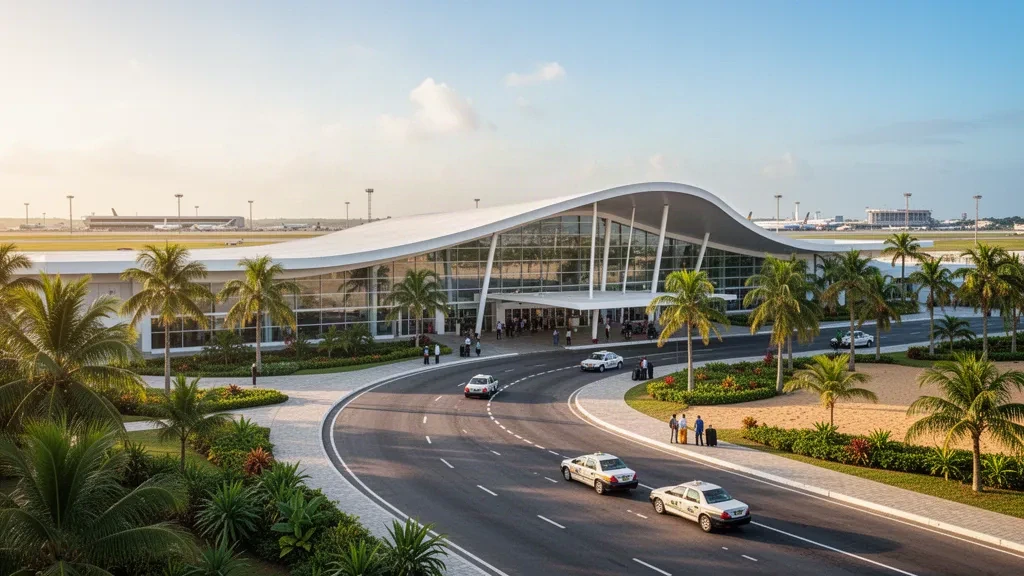
Airport Transfers
Travel between Bata Airport and hotels, the city centre, the port and other destinations across Bata and the surrounding mainland.
Hourly Chauffeur
Book a private chauffeur by the hour for business meetings, port or government visits, events and flexible sightseeing around Bata.
Car Rental
Rent a car in Bata for independent travel along the coast and convenient access to destinations outside the city centre.
Bus & Group Transfers
Arrange minibuses or charter buses for groups, corporate travel, events, airport transfers and tours in and around Bata.
Frequently Asked Questions
Related Cities in Equatorial Guinea
View all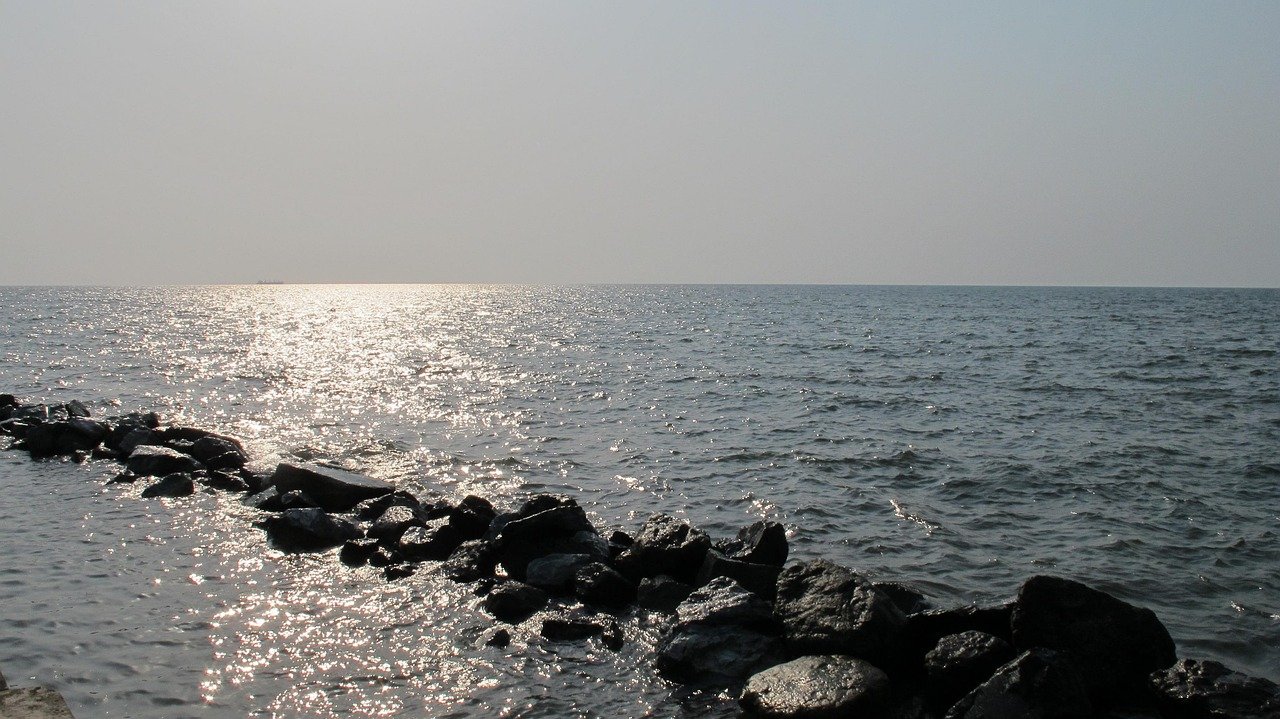
Mongomo
Mongomo, the administrative capital of Wele-Nzas, is a lively eastern Equatorial Guinean city where modern government buildings and a landmark cathedral sit alongside bustling markets and traditional Fang culture. Its position near the Gabon border gives it a distinct frontier character and makes it a natural base for exploring the province.
Bata
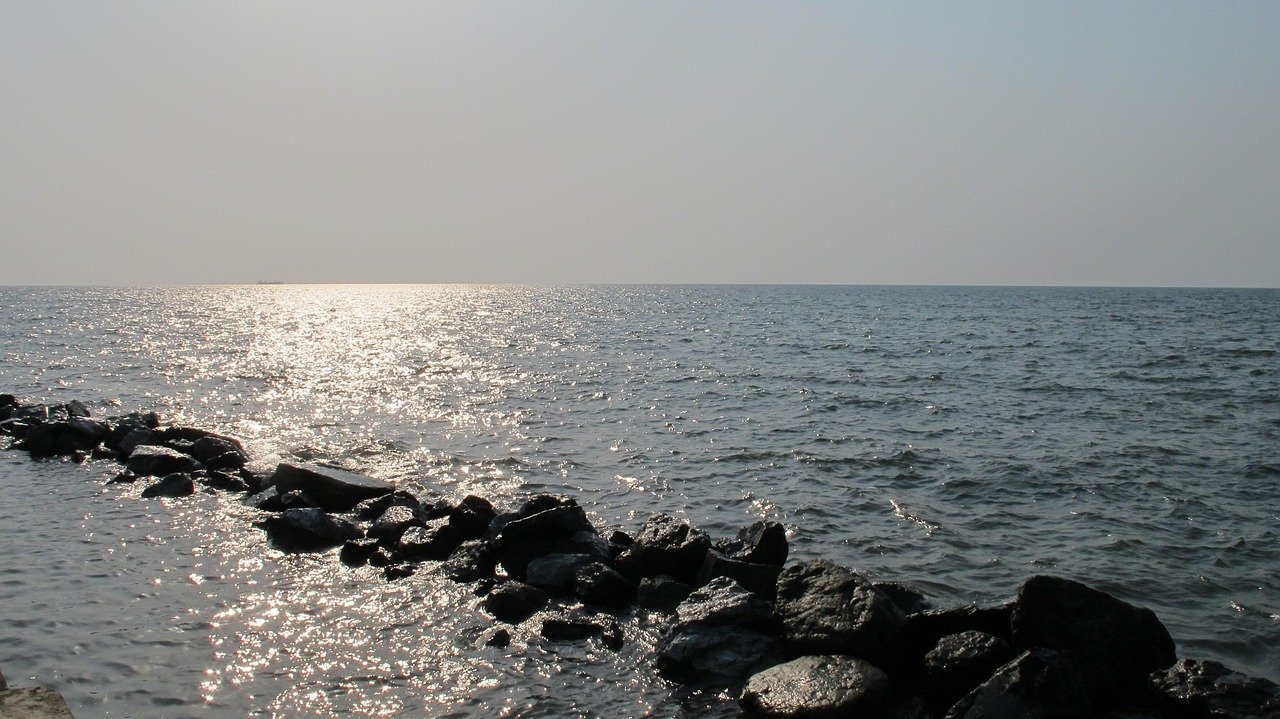
Bata, the main city of Equatorial Guinea's Río Muni mainland, sits on the Atlantic coast and blends port life and busy markets with a growing role as the country's economic hub.

Ebebiyín
Ebebiyín, the capital of Kié-Ntem in northeastern Equatorial Guinea, is a lively border city whose markets and forested surroundings reflect its position near Cameroon and Gabon.