Mbandaka
Mbandaka, the capital of Équateur Province, is a Congo River port city shaped by trade, colonial-era architecture and the rhythms of everyday river life.
Passengers
Luggage
About Équateur
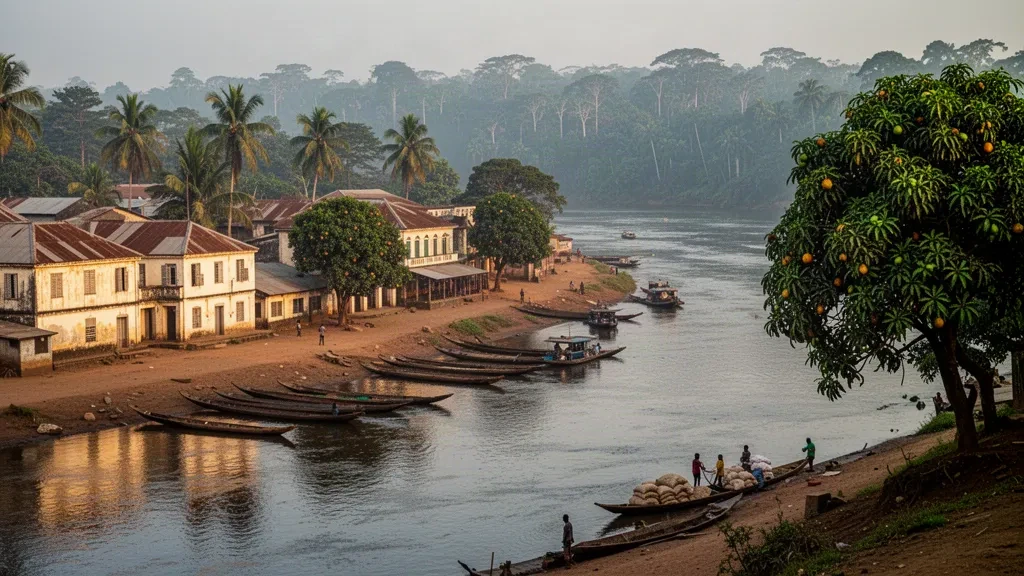
Mbandaka is the capital of Équateur Province in the Democratic Republic of the Congo, set on the east bank of the Congo River near its confluence with the Ruki River. A busy river port and administrative centre, the city connects Kinshasa with communities across the country's equatorial northwest and retains a humid, forest-fringed character.
The settlement was founded in 1883 by Henry Morton Stanley as Équateurville and later became known as Coquilhatville during the colonial period before taking the name Mbandaka after independence. Its position near the equator and on major waterways made it a trading and transport hub for timber, palm oil, fish and agricultural goods.
Among the city's notable sites is the Eala Botanical Garden, a historic research garden created in 1900 that covers hundreds of hectares along the Ruki River and preserves thousands of tropical plant species. The riverfront, colonial-era buildings, markets and the nearby rainforest environment give Mbandaka a distinctive setting within the Congo Basin.
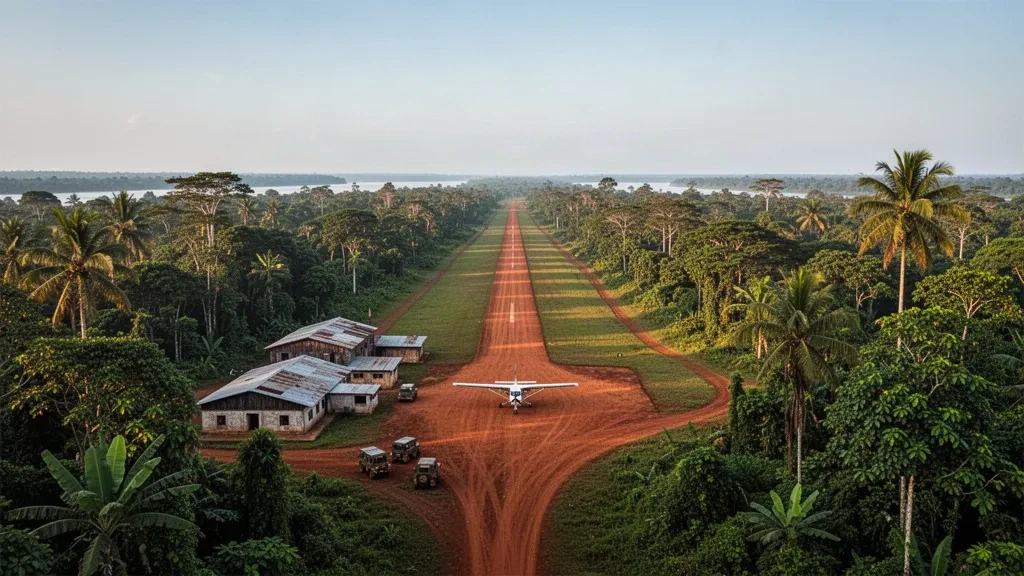
Daily life is shaped by the river: passenger boats, cargo barges and canoes move people and goods, while neighbourhoods are served by motorbike taxis and a small air link through Mbandaka Airport. The city is also a gateway for visits to riverside villages, forest areas and the wider Équateur region.
For travellers and business visitors, Mbandaka offers a slower, less-developed destination than the DRC's larger cities, with practical infrastructure for government, trade, river transport and regional services. It is best approached as a functional provincial hub and entry point to the central Congo River landscape.
Équateur Travel Guide
Best Time to Visit
The drier months from roughly June to August generally offer easier travel around Mbandaka, with less heavy rain than the long wet season. The city sits near the equator, so visitors should expect heat and humidity year-round and plan around river and road conditions.
How to Get Around
Mbandaka is primarily navigated by motorbike taxis, which are the most common way to move between neighbourhoods. River transport connects the city with riverside towns, while private vehicles and transfers are useful for airport journeys and trips to sites such as the Eala Botanical Garden.
Where to Stay
Accommodation in Mbandaka is concentrated in the city centre and near the river, with a limited range of guesthouses and small hotels. Travellers should confirm arrangements in advance and choose lodging close to key services, the port or Mbandaka Airport.
Food & Drink
Local food is built around river fish, cassava, plantains, rice and dishes such as moambe chicken, often served with fufu or chikwangue. Markets, street stalls and small restaurants offer everyday Congolese cooking, while bottled water is recommended.
Ground Transportation Services in Équateur
Airport Transfers
Book a pre-arranged transfer between Mbandaka Airport and hotels, the city centre, the river port or other destinations in Mbandaka.
Hourly Chauffeur
Hire a private driver by the hour for business meetings, government visits, sightseeing and flexible travel around Mbandaka.
Car Rental
Rent a vehicle for independent journeys in and around Mbandaka, including visits to sites such as the Eala Botanical Garden.
Bus & Group Transfers
Arrange minibuses or charter vehicles for group travel, events, airport pickups and excursions within Mbandaka and the Équateur region.
Frequently Asked Questions
Related Cities in Democratic Republic of the Congo
View all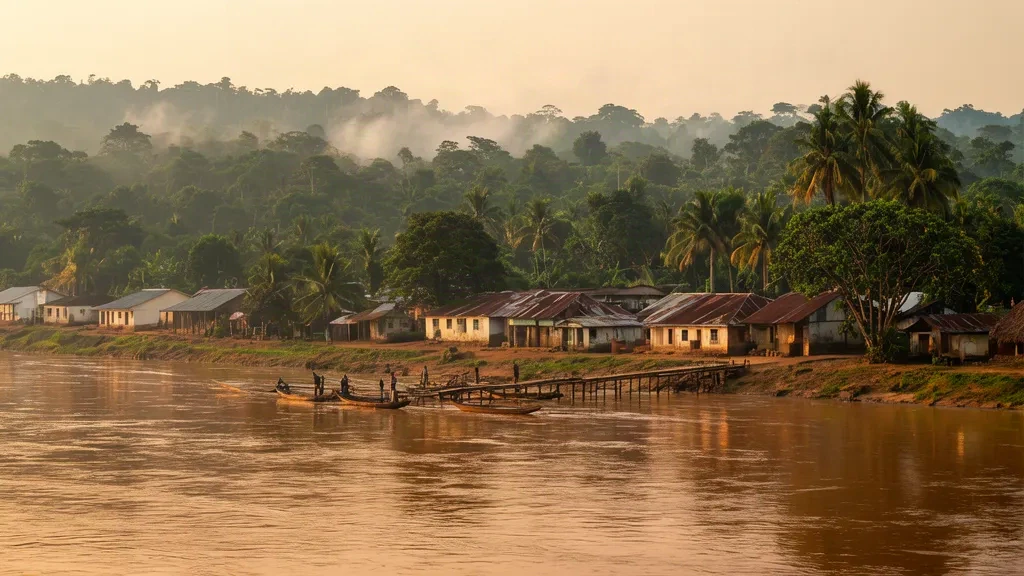
Boende
Boende, the capital of Tshuapa Province in the Democratic Republic of the Congo, sits along the Tshuapa River and serves as a gateway to the region's forests and waterways.
Kisangani
Kisangani, capital of Tshopo Province, is a Congo River city where historic riverfront buildings and busy markets meet the edge of the rainforest.
Tanganyika
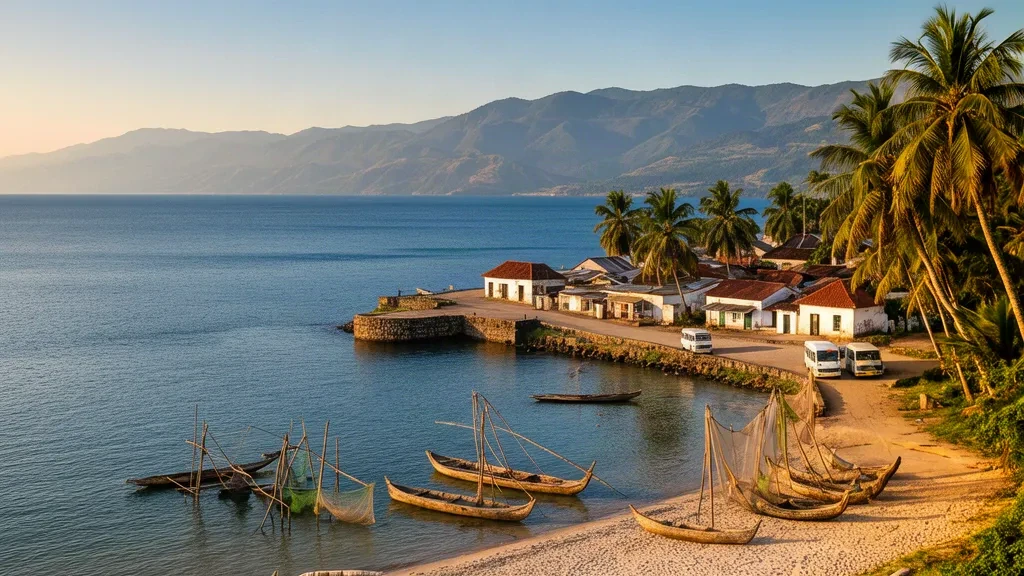
Tanganyika, a dynamic city in the Democratic Republic of the Congo, is known for its warm local culture, colorful markets and proximity to the vast Lake Tanganyika.