Saint Mark
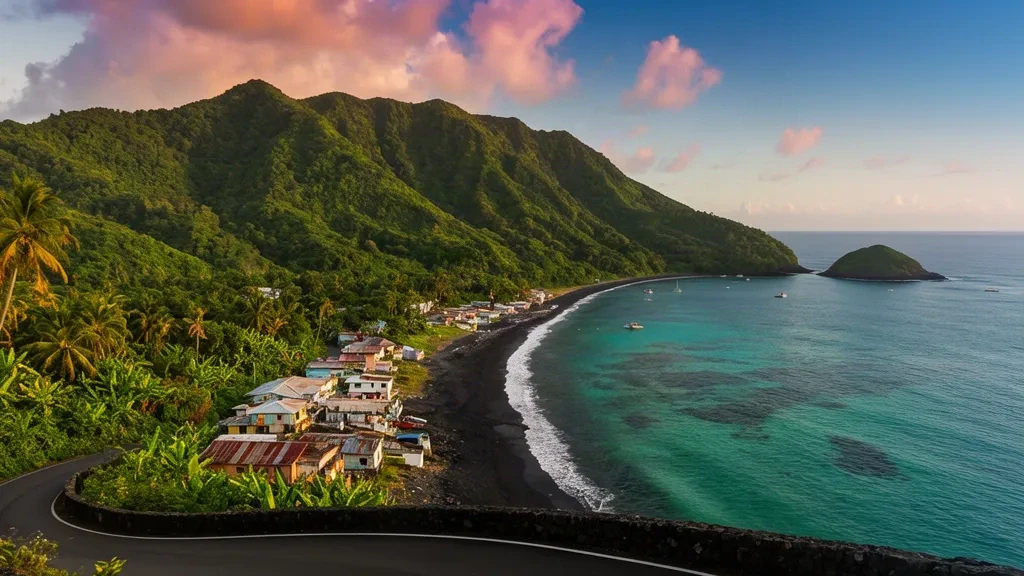
Saint Mark, on Dominica's west coast, is known for volcanic landscapes, hot springs and quiet coastal villages set between the mountains and the Caribbean Sea.
Passengers
Luggage
About Saint Mark
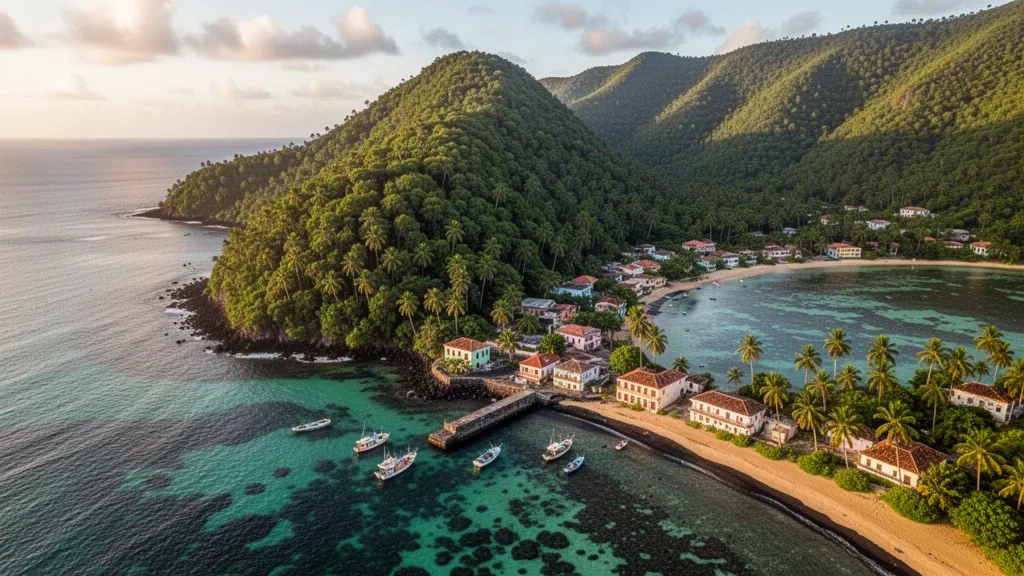
Saint Mark is Dominica's smallest and southernmost parish, a quiet southwest-coast area defined by fishing villages, volcanic slopes and calm Caribbean waters. Its capital, Soufrière, lies within an old volcanic crater, giving the parish a distinct geological and cultural character.
Soufrière is known for its 18th-century stone church and nearby sulphur springs, where bubbling pools and a sulphur-rich landscape mark the area's volcanic origins. To the south, Scotts Head sits at the island's southern tip, connected to the mainland by a narrow tombolo said to be the only one of its kind in the West Indies, with views toward both the Caribbean Sea and the Atlantic Ocean.
The Soufrière–Scotts Head Marine Reserve protects coral reefs and seagrass that make the peninsula a popular base for snorkelling and scuba diving. Hikers use trails around Morne Patates and Morne Plat Pays, while the southern section of the Waitukubuli National Trail passes close to the coast.
Communities such as Soufrière, Scotts Head and Galion keep a low-key, authentic pace built around fishing, boat building and small-scale tourism rather than large resorts. Visitors come for reefs, hot springs, coastal scenery and a slower Caribbean way of life, with Roseau only about eight kilometres to the north.
Saint Mark works best as a nature-focused base for exploring southern Dominica, whether for diving, hiking, hot springs or day trips to the capital. Its small size and quiet villages appeal to independent travellers, eco-tourists and small groups looking for a less commercial side of the island.
Saint Mark Travel Guide
Best Time to Visit
The dry season from December to May is the best time for calm seas, snorkelling, diving and coastal hiking in Saint Mark. The wetter months from June to November bring heavier rain and a higher risk of tropical storms.
How to Get Around
Saint Mark is compact and connected to Roseau by a coastal road about eight kilometres away. Public minibuses run between Roseau, Soufrière and Scotts Head, while taxis, rental cars and walking cover most local movement.
Where to Stay
Soufrière and Scotts Head offer small guesthouses, cottages and eco-lodges close to the coast and dive sites. Many visitors also base themselves in Roseau and make day trips into the parish.
Food & Drink
Local dining centres on fresh fish, seafood, ground provisions and tropical juices served in small cafés, roadside kitchens and rum shops. Soufrière and Scotts Head have casual eateries, with community fish events held at certain times of year.
Ground Transportation Services in Saint Mark
Airport Transfers
Travel between Douglas–Charles Airport and Soufrière, Scotts Head, Galion and other Saint Mark destinations with a pre-arranged private transfer.
Hourly Chauffeur
Book a private chauffeur by the hour for flexible travel around Saint Mark, Roseau and southern Dominica, including dive sites, hot springs and trailheads.
Car Rental
Rent a car for independent travel along the southwest coastal road and convenient day trips between Saint Mark, Roseau and nearby attractions.
Bus & Group Transfers
Arrange minibuses or charter buses for dive groups, events, wedding parties, tours and other group journeys within Saint Mark and to Roseau.
Frequently Asked Questions
Related Cities in Dominica
View all
Saint Peter
Saint Peter, on Dominica's west coast, is a quiet area known for its fishing villages, coastal scenery and relaxed Caribbean atmosphere.
Saint Paul
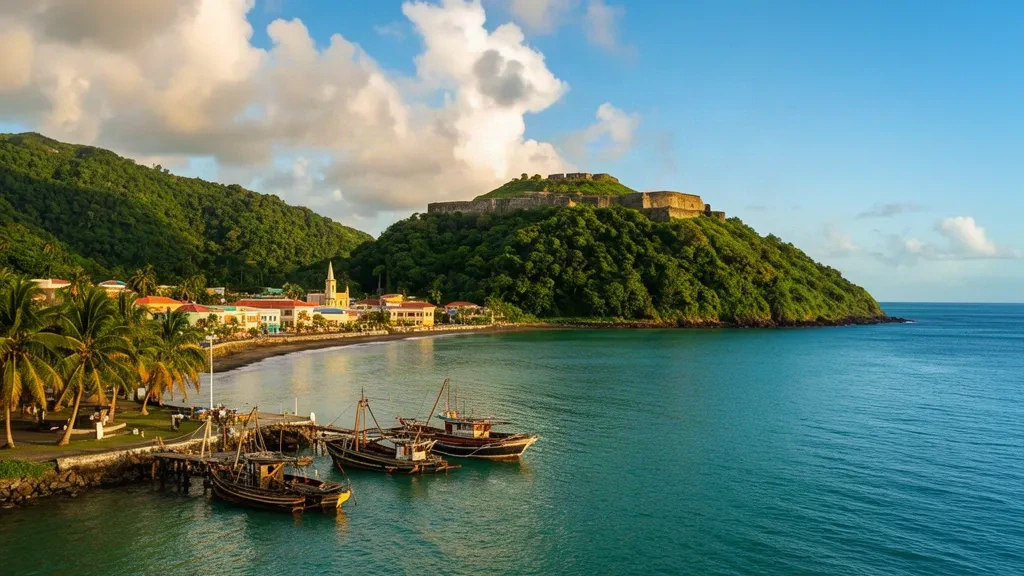
Saint Paul, on Dominica's west coast, pairs rugged volcanic scenery with quiet villages, black-sand coves and easy access to the island's lush interior.

Saint Patrick
Home to the Boiling Lake and the Valley of Desolation, Saint Patrick blends dramatic volcanic scenery with Creole culture and relaxed village life.