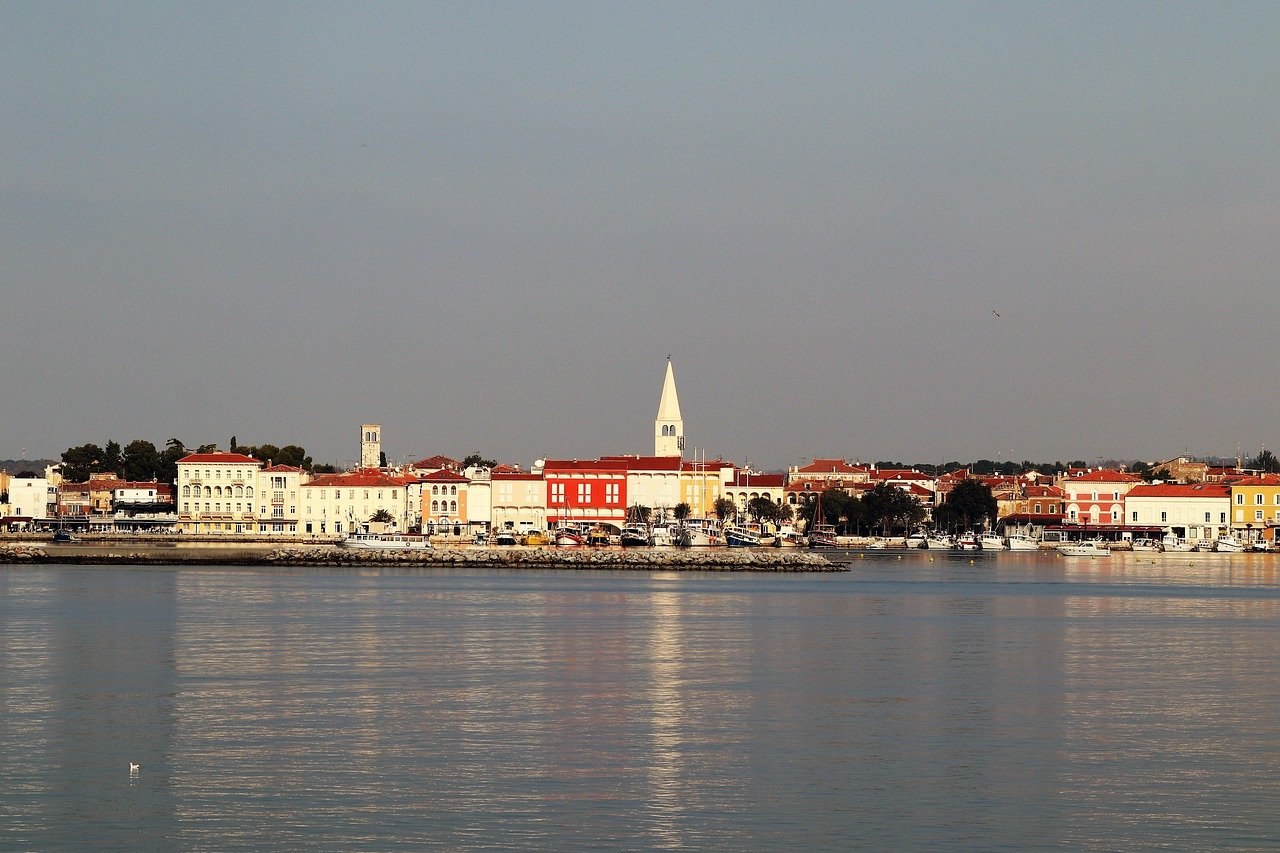
Istria
Istria, Croatia's Adriatic peninsula, pairs Venetian-era coastal towns and Roman ruins with olive groves, vineyards and a relaxed Mediterranean pace.
Passengers
Luggage
About Istria
Istria is Croatia's largest peninsula, a compact western region where the Mediterranean coast meets hilltop medieval towns, vineyards, olive groves and a strong Italian-influenced heritage. Often promoted as 'Terra Magica', it blends seaside relaxation with rural inland scenery within easy reach of Italy and Slovenia.
Roman and Venetian history is visible across the region. Pula's first-century amphitheatre, the Poreč Euphrasian Basilica, a UNESCO World Heritage Site, and the pastel old town of Rovinj are among its most recognisable landmarks, while inland villages preserve centuries-old stone architecture.
Coastal towns offer different characters: Pula is the urban centre and largest city, Rovinj is known for its scenic old town and art scene, Poreč is a lively resort and heritage hub, and Umag and Novigrad add quieter seaside options. Inland, Motovun and Grožnjan attract visitors with truffle country, galleries and hilltop views.
The region is celebrated for food and wine, especially white and black truffles, olive oil, seafood, Malvazija wines and family-run konobas. Festivals, open-air concerts and Pula's long-running film festival add seasonal energy, while small conference venues and hotels support business travel.
For both leisure and business travellers, Istria works as a compact, driveable destination with a gentle pace, strong gastronomy and reliable connections through Pula Airport. Its mix of coast, culture and countryside makes it one of Croatia's most versatile short-break regions.
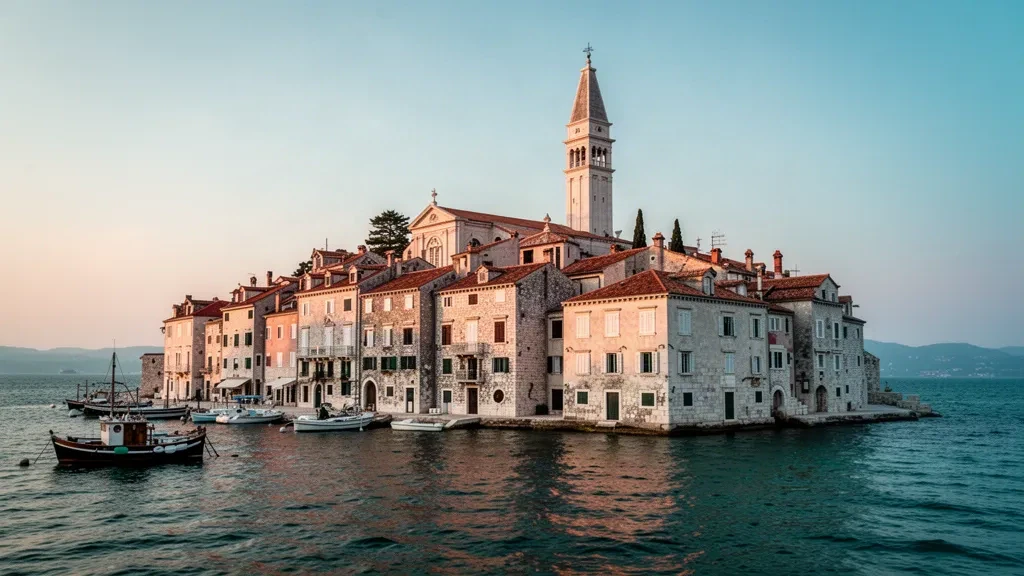
Istria Travel Guide
Best Time to Visit
May, June and September offer pleasant weather, fewer crowds and good conditions for sightseeing and cycling. July and August bring peak beach season and festivals, while autumn is ideal for truffle and wine experiences.
How to Get Around
A rental car is the most practical way to explore Istria's coastal towns and inland hilltop villages. Public buses connect Pula, Rovinj, Poreč and other main towns, while taxis, private transfers and boats to Brijuni offer additional options.
Where to Stay
Rovinj suits boutique hotels and old-town atmosphere, Pula is a convenient urban base near the amphitheatre, and Poreč offers family-friendly resorts. Inland towns such as Motovun and Grožnjan provide agritourism stays and quieter rural settings.
Food & Drink
Istria is known for truffles, olive oil, fresh seafood, fuži pasta and Malvazija and Teran wines. Local konobas, agriturismos, wineries and markets in Pula, Rovinj and Poreč showcase the region's produce.
Ground Transportation Services in Istria
Airport Transfers
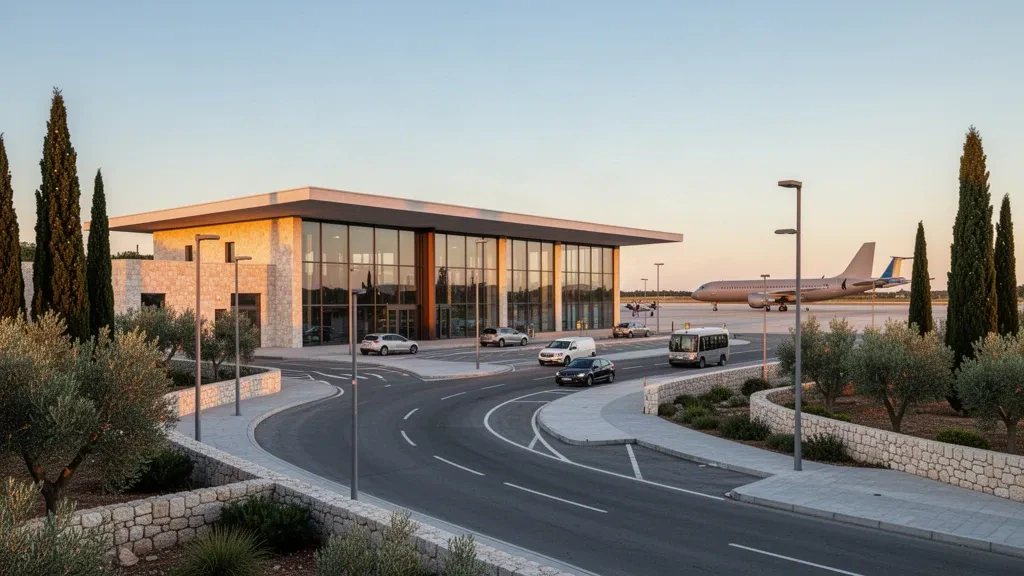
Travel between Pula Airport (PUY) and hotels, resorts, marinas and towns across Istria, including Pula, Rovinj, Poreč, Umag and Medulin.
Hourly Chauffeur
Book a private chauffeur by the hour for sightseeing in hilltop towns, winery visits, business meetings, events and flexible travel around Istria.
Car Rental
Rent a car in Pula, Rovinj or Poreč to explore the Istrian coast and inland villages independently and at your own pace.
Bus & Group Transfers
Arrange minibuses or charter coaches for groups, corporate events, weddings, airport transfers and guided tours throughout Istria.
Frequently Asked Questions
Related Cities in Croatia
View all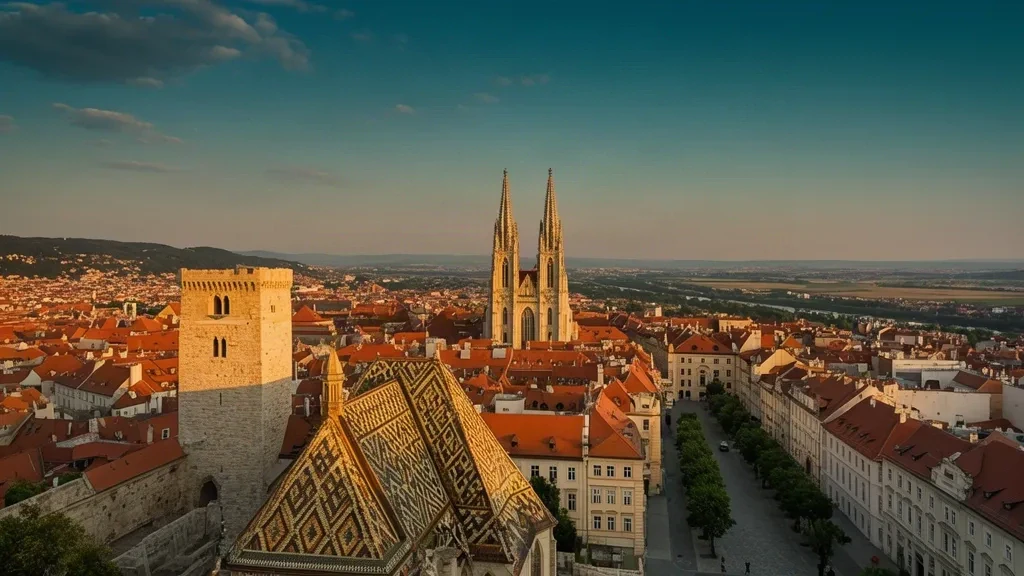
Zagreb
Zagreb, Croatia's capital, mixes Austro-Hungarian architecture and a lively cafe culture with green parks, historic Upper Town lanes and a busy calendar of festivals and business events.
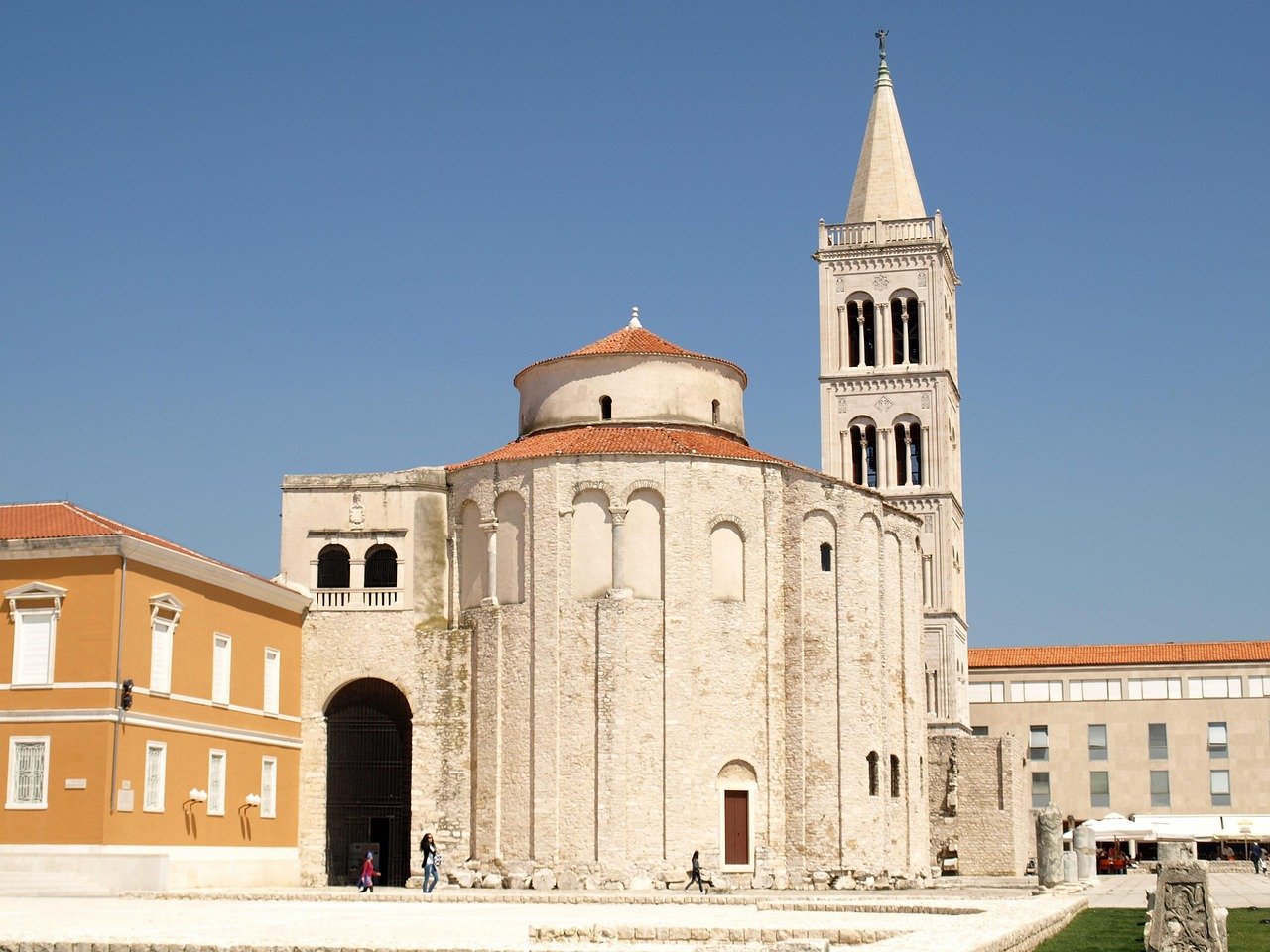
Zadar
Zadar, a historic port on Croatia's Dalmatian coast, pairs Roman ruins and Venetian walls with a relaxed Adriatic atmosphere, waterfront cafés and easy access to nearby islands and national parks.
Vukovar
Vukovar, a historic Danube port in eastern Croatia, bears visible traces of its turbulent past alongside elegant baroque buildings, riverside promenades and a resilient cultural life.