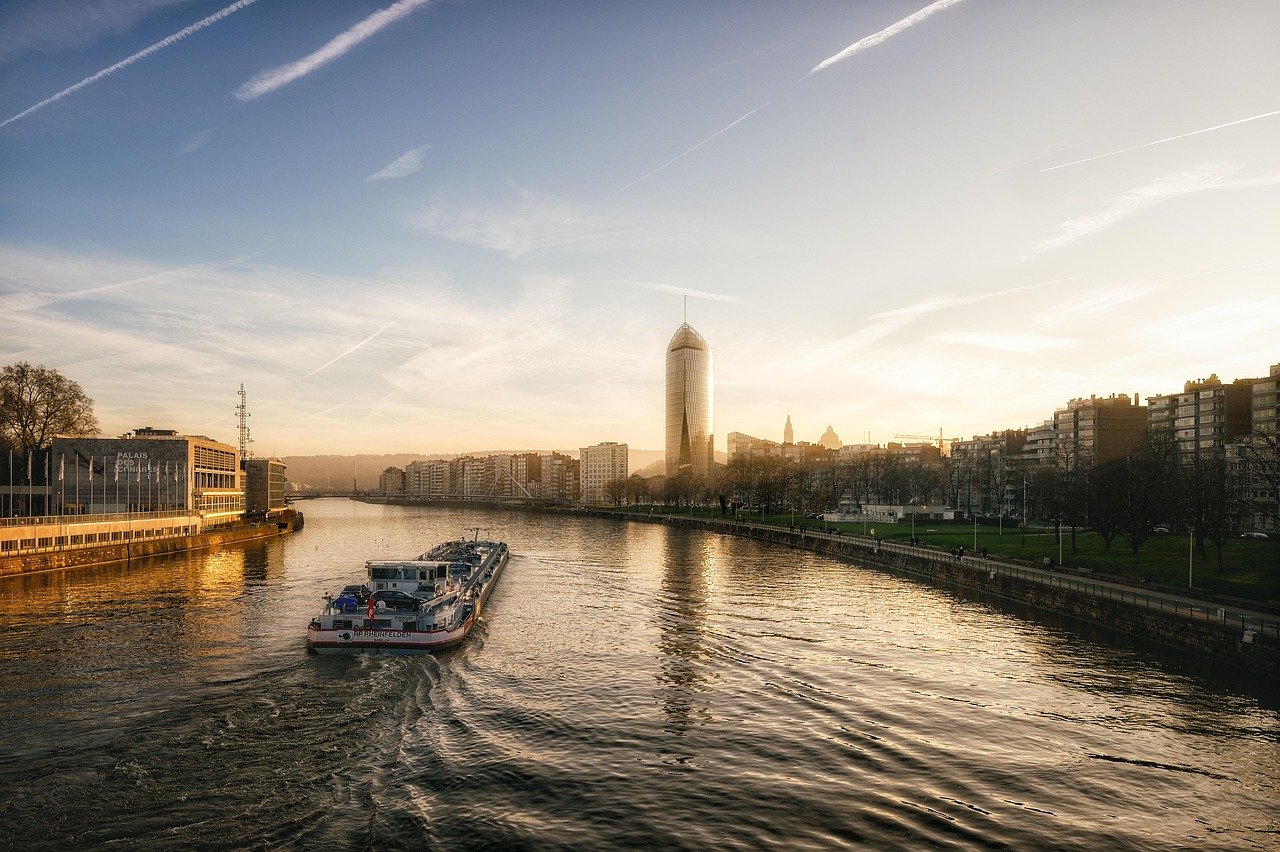
Pointe-Noire
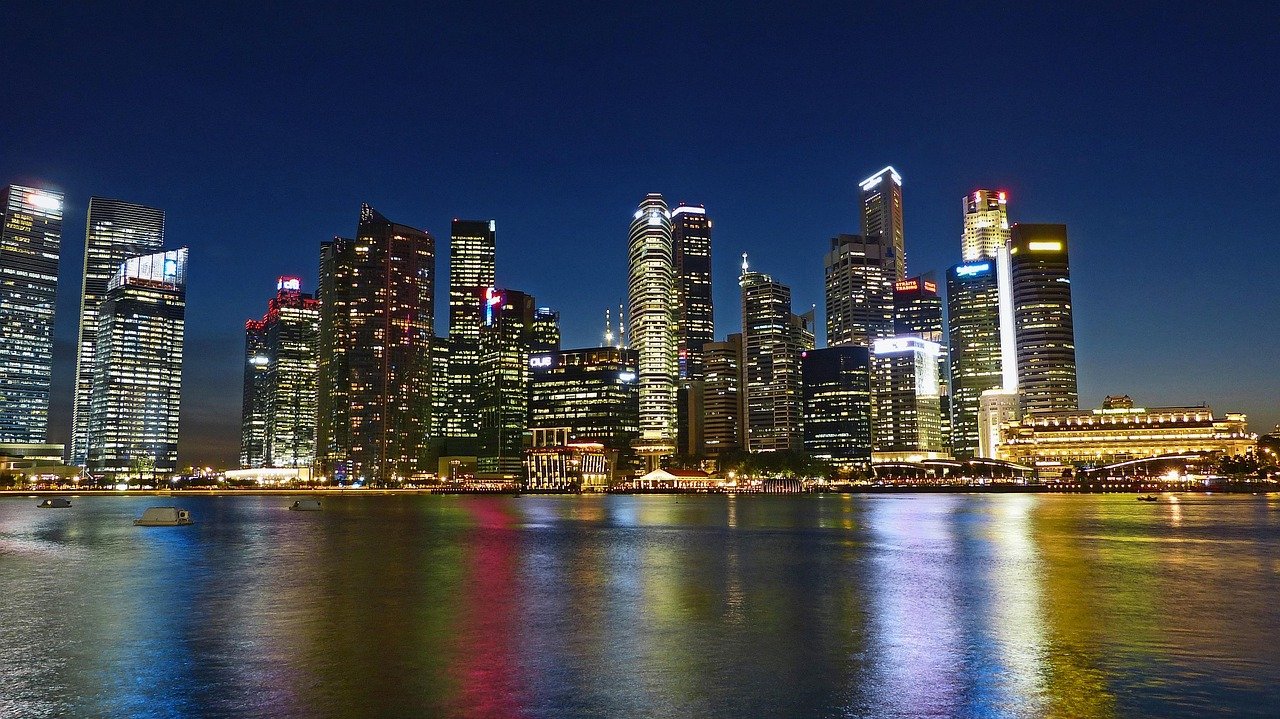
Pointe-Noire, the Republic of Congo's economic capital, blends Atlantic port heritage with modern business energy, lively markets, waterfront views and a growing cultural scene.
Passengers
Luggage
About Pointe-Noire
Pointe-Noire is the Republic of the Congo's second-largest city and its main economic and industrial centre, set on the Atlantic coast beside the Gulf of Guinea. As the country's principal seaport and a hub for the oil and gas industry, it combines port activity, energy business and coastal life with a relaxed, ocean-facing character.
The city grew around the port and the Congo–Ocean Railway, which links Pointe-Noire with Brazzaville. Colonial-era buildings, the distinctive railway station and landmarks such as Notre-Dame de l'Assomption Cathedral reflect this history, while nearby sites such as the Diosso Gorge and the former Loango kingdom coastline connect the area to older Vili heritage.
Pointe-Noire is organised into arrondissements including Lumumba, Loandjili, Tié-Tié and Mvoumvou, each with its own markets, churches and neighbourhood rhythm. The Grand Marché and local markets offer produce and crafts, while beach areas such as the Côte Sauvage draw surfers and weekend visitors.
The city's economy is anchored in petroleum, deep-water port operations, logistics, fishing and related services, making it a key business destination for the region. Evening life revolves around beachside restaurants, bars and grilled seafood, and a calendar of local cultural and sporting events keeps the city lively throughout the year.
Whether travelling for energy-sector meetings, port business or a coastal stopover, Pointe-Noire offers a practical introduction to Congo's commercial heart and Atlantic coast.
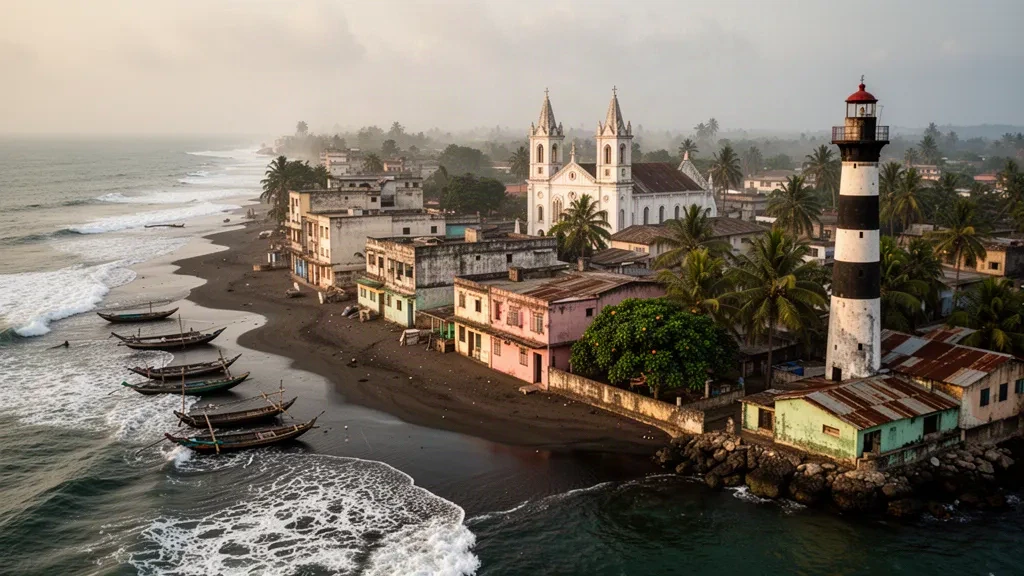
Pointe-Noire Travel Guide
Best Time to Visit
Pointe-Noire is most comfortable in the dry season, roughly from June to September, when rainfall is lower and beach visits and outdoor sightseeing are easier. The wetter months from October to May remain warm but bring higher humidity and heavier rain.
How to Get Around
Shared taxis and minibuses form the main local transport network across Pointe-Noire's districts, though routes can be informal and crowded. Private drivers, taxis and rental cars offer more flexibility for reaching the airport, beaches and business areas.
Where to Stay
The city centre and port-side areas suit business visitors needing access to offices and banks, while beachside neighbourhoods are popular for leisure and ocean views. Hotels and guesthouses are concentrated around the centre, the coastal road and the route toward the airport.
Food & Drink
Seafood is central to Pointe-Noire's food culture, from grilled fish and shrimp at beach restaurants to local dishes such as maboké, fish steamed in leaves, and cassava-leaf saka-saka. French-influenced brasseries, bakeries and lively markets round out the city's dining scene.
Ground Transportation Services in Pointe-Noire
Airport Transfers
Travel between Antonio Agostinho Neto International Airport and hotels, the port, business districts and other locations across Pointe-Noire.
Hourly Chauffeur
Book a private chauffeur by the hour for business meetings, energy-sector appointments, events and flexible travel around Pointe-Noire.
Car Rental
Rent a car in Pointe-Noire for independent travel around the city and convenient journeys to beaches, nearby towns and coastal destinations.
Bus & Group Transfers
Arrange minibuses or charter buses for groups, corporate travel, events, airport transfers and excursions in and around Pointe-Noire.
Frequently Asked Questions
Related Cities in Congo
View all
Congo Pool
Congo Pool blends a relaxed riverside atmosphere with local community life, making it a distinctive destination for travellers exploring the area.
Sangha
Sangha, in northern Congo, is a gateway to the Congo Basin rainforest, with wide rivers, national parks and a rich cultural heritage.

Djambala
Djambala, the capital of the Plateaux Department, is a calm administrative and market town set among savanna and forest landscapes in the Republic of the Congo.
Airports in Congo
View all airports in the country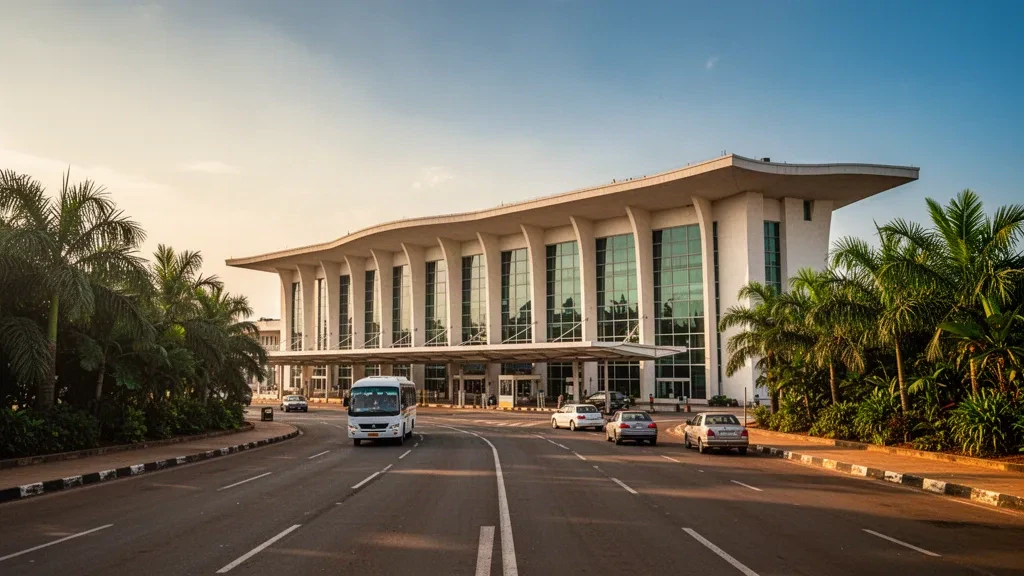
Maya-Maya International Airport (BZV)
Maya-Maya International Airport is the main gateway to Brazzaville and the Republic of the Congo, located only a few kilometres from the city centre. Compare transfer options to central Brazzaville, Kinshasa across the Congo River, and onward destinations such as Pointe-Noire.
Bétou Airport (BTB)
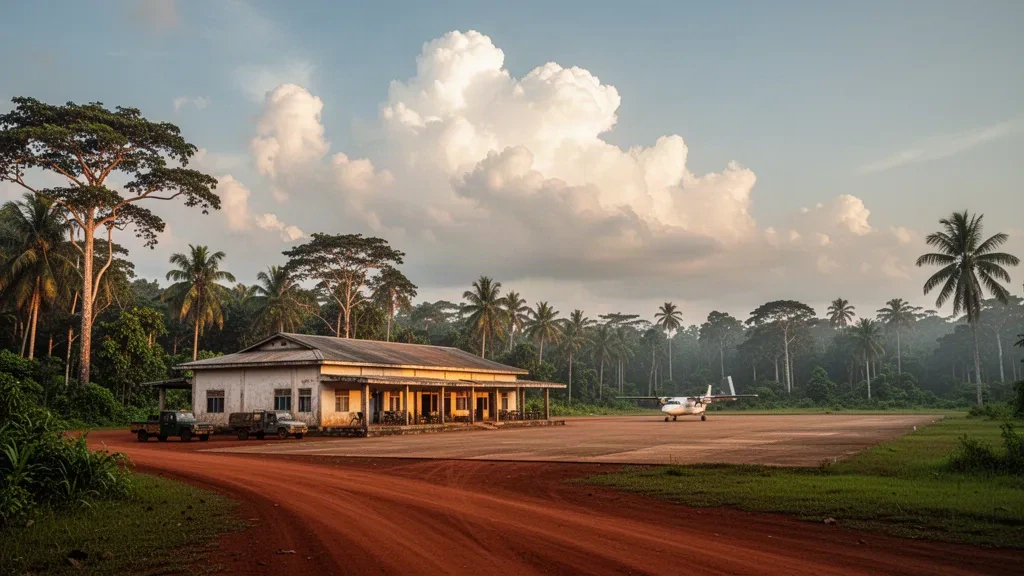
Bétou Airport serves the remote town of Bétou in the Likouala Department of northeastern Republic of the Congo, near the Ubangi River. It links travellers to the town centre, the wider Likouala region and onward river and road connections.
Boundji Airport (BOE)
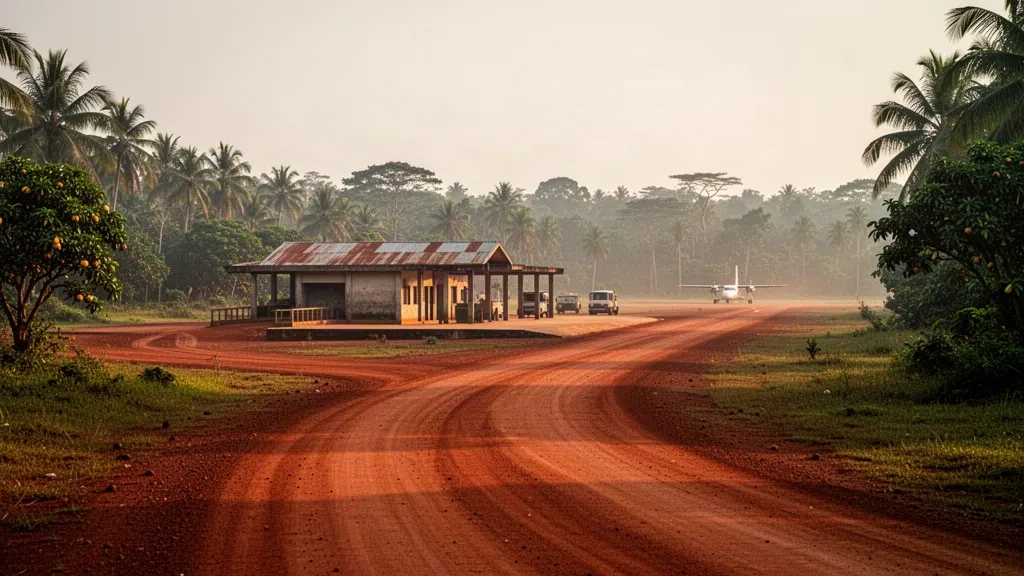
Boundji Airport is a small airport serving the town of Boundji and the surrounding Cuvette Department in the Republic of the Congo. It provides road access to the town center and nearby parts of the Cuvette region for travelers continuing into the interior.