Djambala
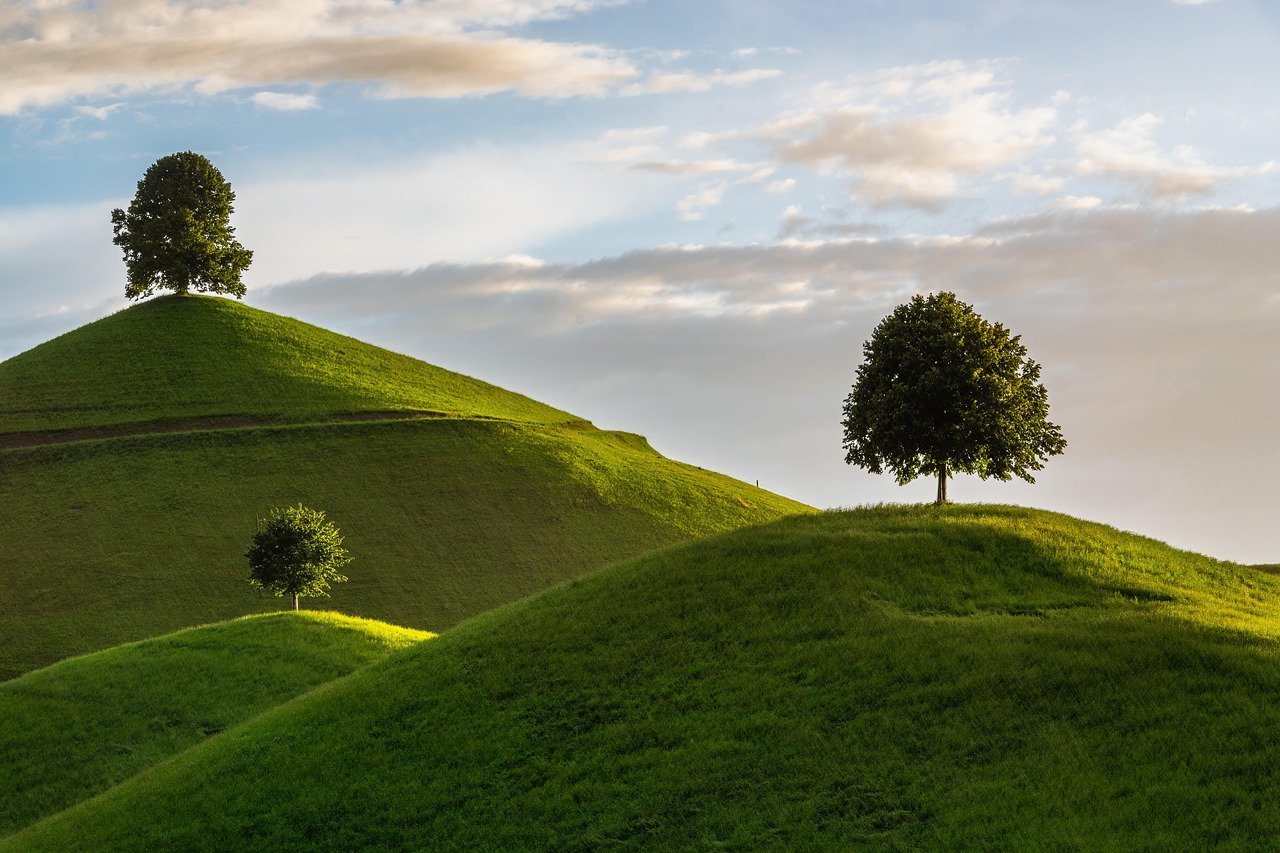
Djambala, the capital of the Plateaux Department, is a calm administrative and market town set among savanna and forest landscapes in the Republic of the Congo.
Passengers
Luggage
About Plateaux
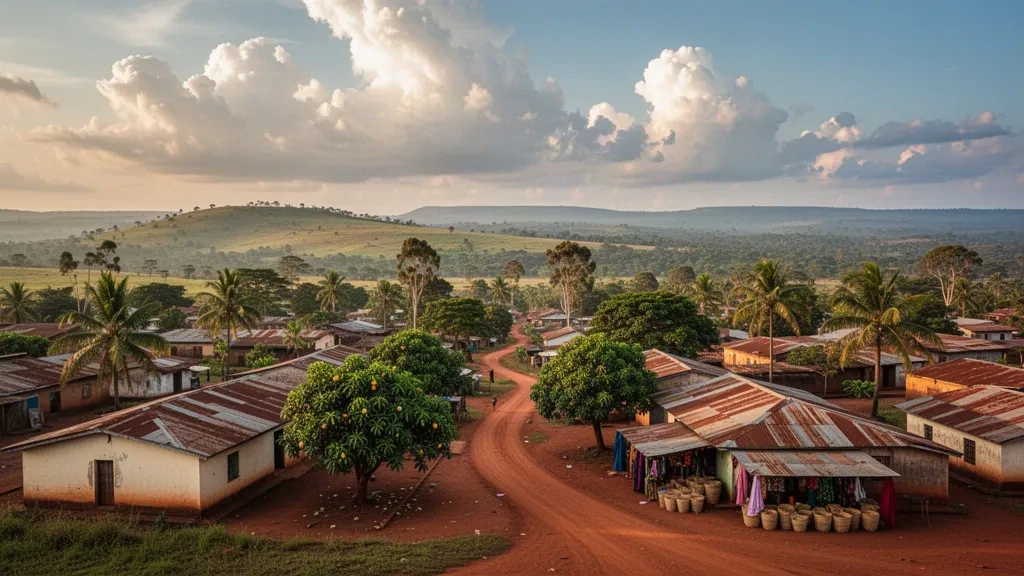
Djambala is the capital of the Plateaux Department in central Republic of the Congo, a small plateau town located about 200 kilometres north of Brazzaville. It sits at roughly 790 metres above sea level and serves as the administrative and commercial centre of a sparsely populated region of savanna, gallery forests and rivers.
The town and its surroundings lie on the Batéké Plateau, an area long associated with the Téké people. Traditional Téké culture remains part of everyday life, while Djambala itself has a modest urban core of administrative buildings, markets and simple shops. Nearby natural landmarks include the Léfini Faunal Reserve, known for its forest elephants, and the Mboumba Waterfalls in the Gamboma area.
Beyond Djambala, the Plateaux Department includes towns such as Gamboma and Lekana, connected by the RN2 road running north from Brazzaville. The Léfini Faunal Reserve is the region's best-known attraction, offering wildlife viewing across a landscape of savanna and forest that is quite different from Congo's river and coastal areas.
The local economy depends mainly on agriculture, including cassava, maize and other food crops, with some timber activity. For travellers, the department offers a quieter, rural side of Congo, useful as a stop between Brazzaville and the north and as a base for eco-tourism and cultural visits; the wider Plateaux Department has about 283,000 residents.
Plateaux Travel Guide
Best Time to Visit
The dry season from June to September is the most practical time to visit, with more reliable roads and easier access to the Léfini Faunal Reserve and surrounding tracks. The rainy season, roughly October to May, brings heavier rain that can make rural routes difficult.
How to Get Around
Djambala itself is small enough to explore on foot, with motorbike taxis and shared taxis for short trips. For travel between towns such as Gamboma and Lekana, or to the Léfini Faunal Reserve, bush taxis and 4x4 vehicles are the main options along the RN2 and rural tracks.
Where to Stay
Accommodation is limited and mostly basic, with small guesthouses and hotels concentrated in Djambala town centre and a few options in Gamboma. Booking ahead is wise, especially during the dry season or when visiting the Léfini Faunal Reserve.
Food & Drink
Local food centres on cassava, fish, peanuts and Congolese dishes such as poulet moambé and saka-saka. Simple maquis eateries, market stalls and cafés in Djambala and Gamboma offer everyday meals and local produce.
Ground Transportation Services in Plateaux
Airport Transfers
Travel between Djambala Airport and Djambala town centre, guesthouses, and other destinations across the Plateaux Department.
Hourly Chauffeur
Book a private chauffeur by the hour for travel around Djambala, visits to the Léfini Faunal Reserve or Gamboma, and flexible regional trips.
Car Rental
Rent a car or 4x4 in Djambala for independent travel along the RN2 and rural roads through the Plateaux Department.
Bus & Group Transfers
Arrange minibuses or charter buses for groups travelling between Brazzaville and Djambala, visits to the Léfini Reserve, events, and regional tours.
Frequently Asked Questions
Related Cities in Congo
View all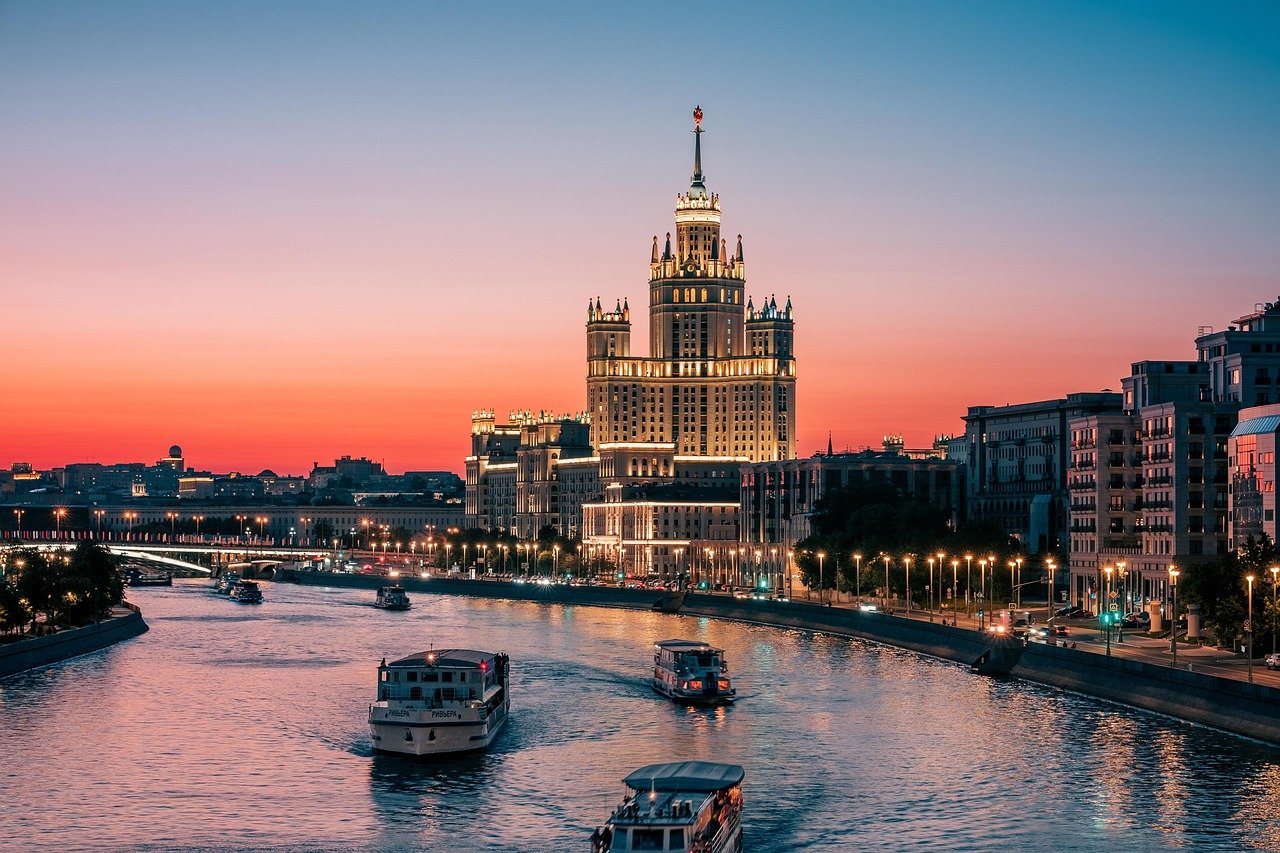
Congo Pool
Congo Pool blends a relaxed riverside atmosphere with local community life, making it a distinctive destination for travellers exploring the area.
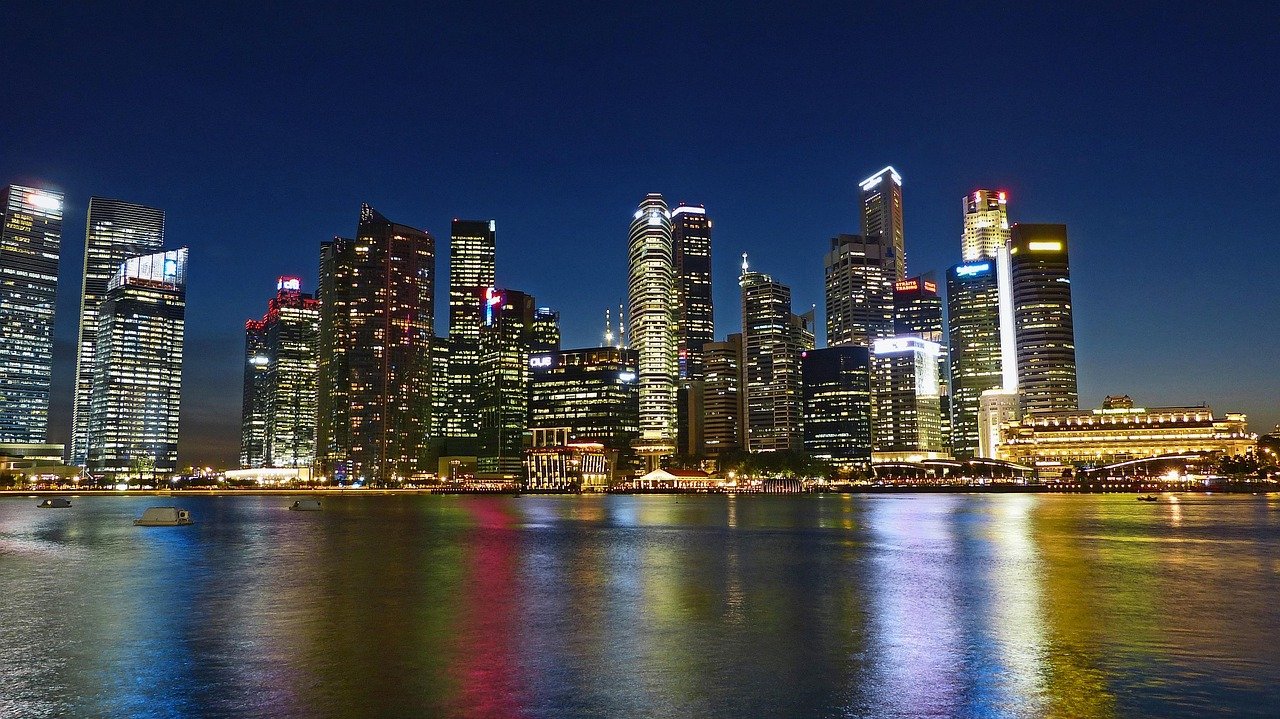
Sangha
Sangha, in northern Congo, is a gateway to the Congo Basin rainforest, with wide rivers, national parks and a rich cultural heritage.
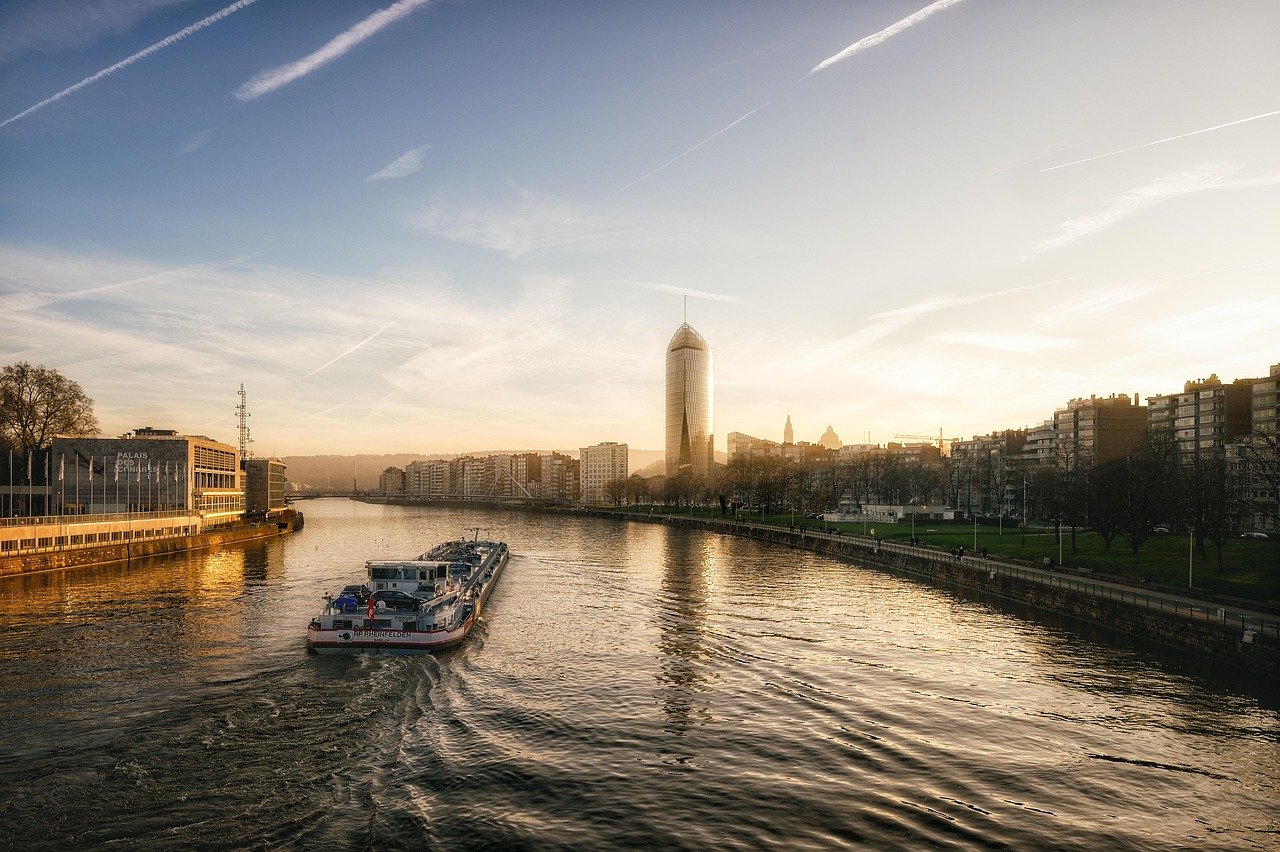
Pointe-Noire
Pointe-Noire, the Republic of Congo's economic capital, blends Atlantic port heritage with modern business energy, lively markets, waterfront views and a growing cultural scene.
Airports in Congo
View all airports in the country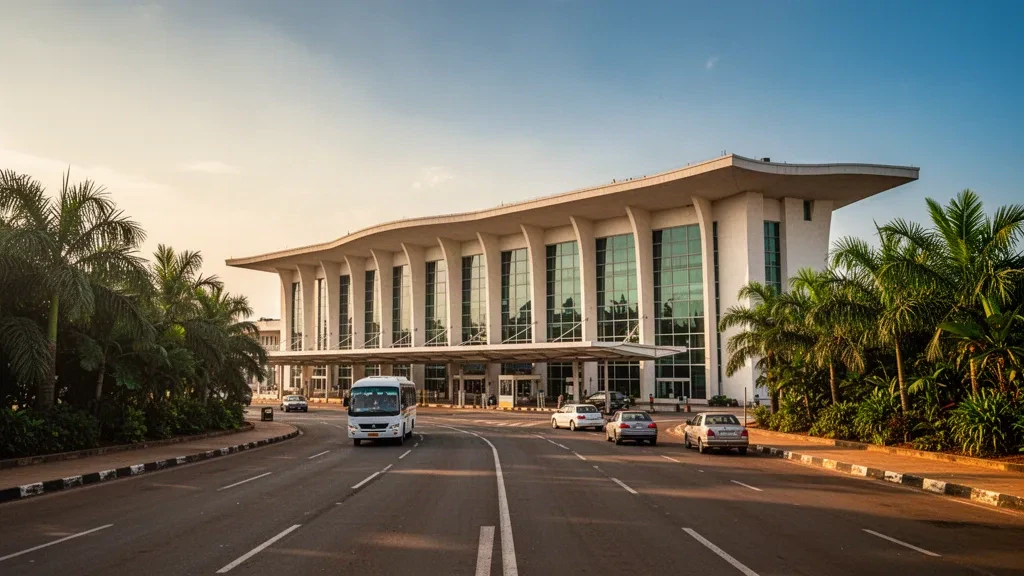
Maya-Maya International Airport (BZV)
Maya-Maya International Airport is the main gateway to Brazzaville and the Republic of the Congo, located only a few kilometres from the city centre. Compare transfer options to central Brazzaville, Kinshasa across the Congo River, and onward destinations such as Pointe-Noire.
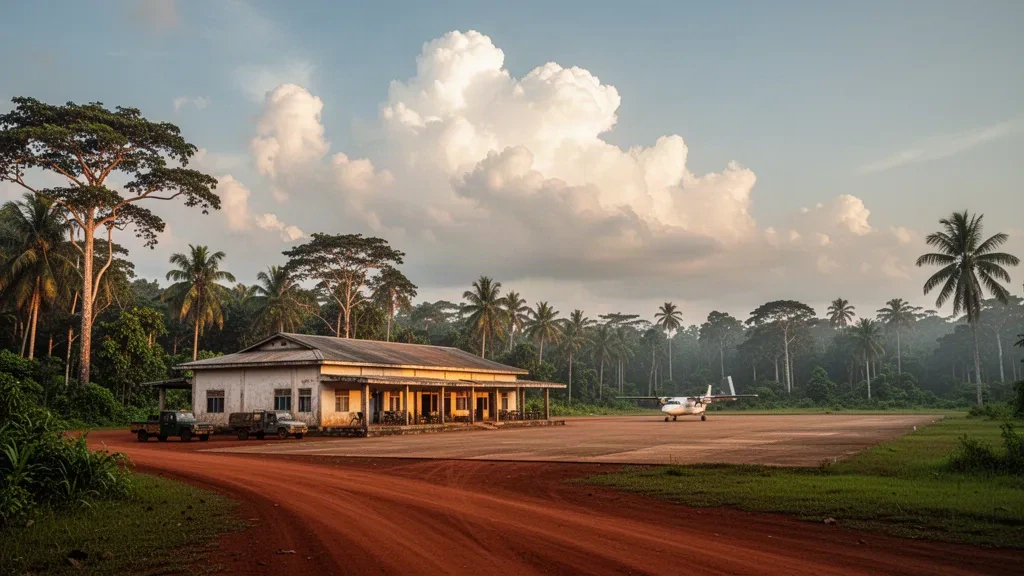
Bétou Airport (BTB)
Bétou Airport serves the remote town of Bétou in the Likouala Department of northeastern Republic of the Congo, near the Ubangi River. It links travellers to the town centre, the wider Likouala region and onward river and road connections.
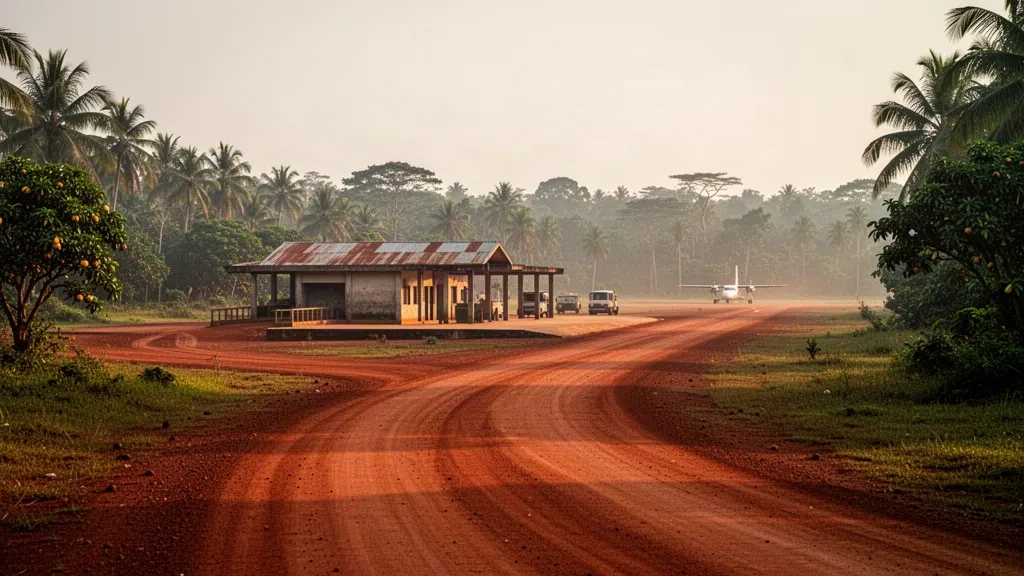
Boundji Airport (BOE)
Boundji Airport is a small airport serving the town of Boundji and the surrounding Cuvette Department in the Republic of the Congo. It provides road access to the town center and nearby parts of the Cuvette region for travelers continuing into the interior.