Sucre
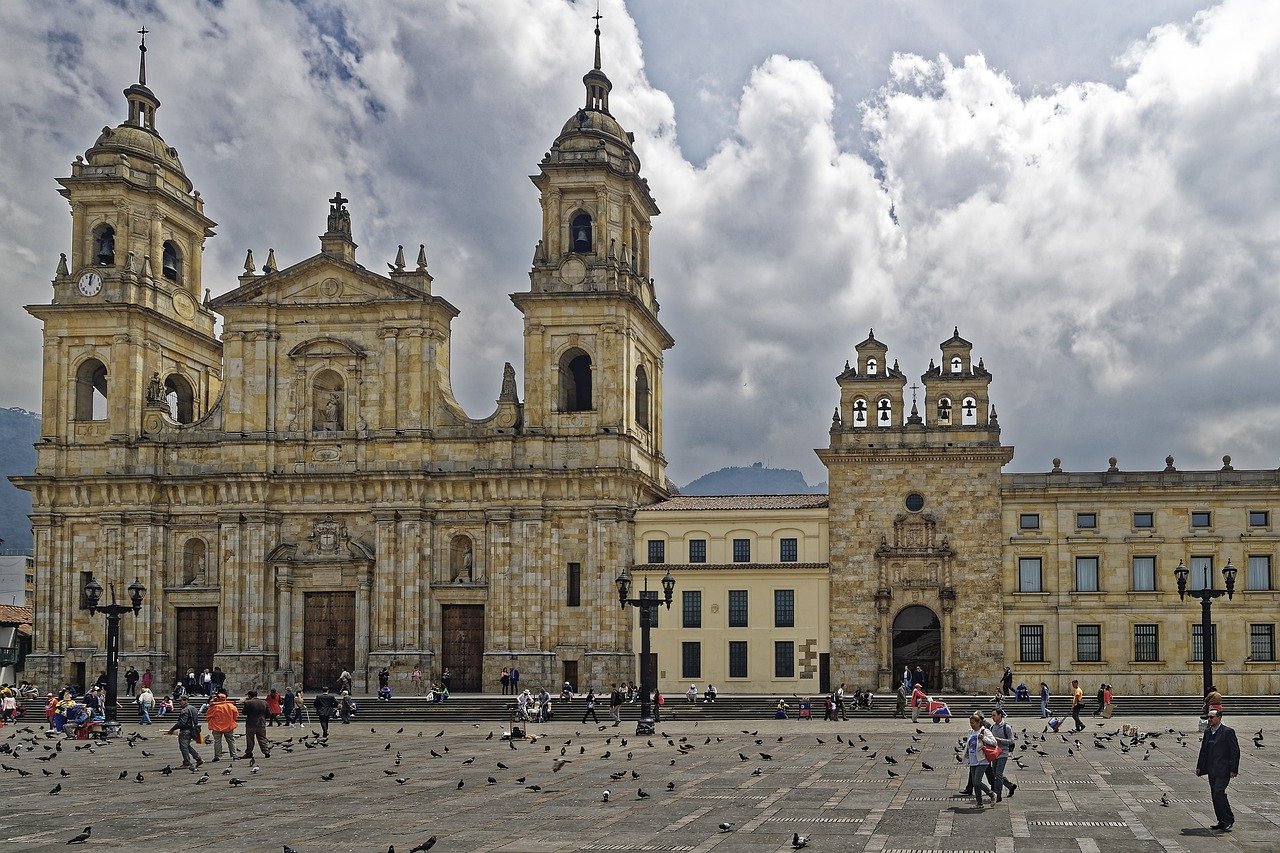
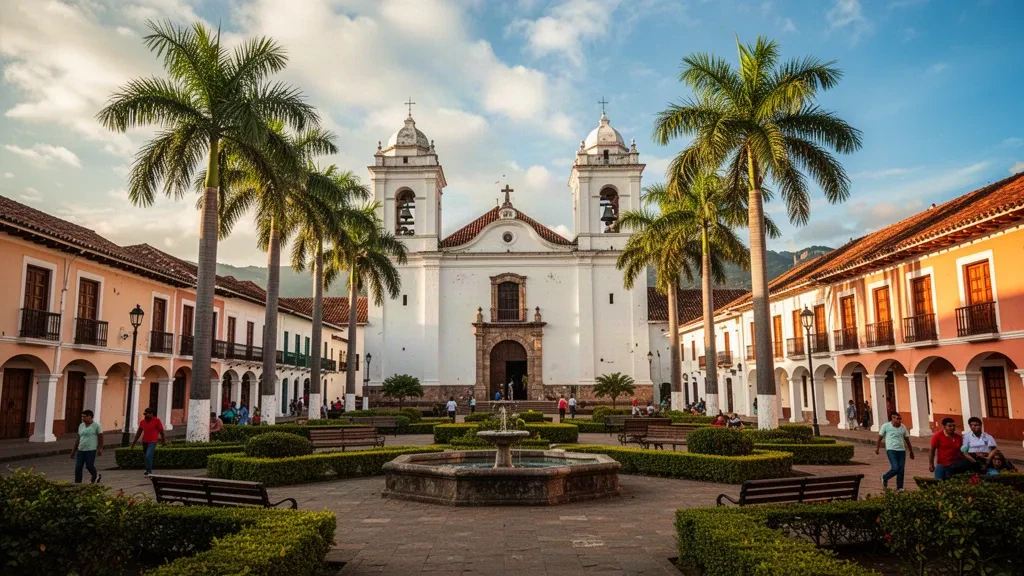
Sucre, a town in Colombia, pairs colonial heritage with local traditions, a historic church and a relaxed pace of life.
Passengers
Luggage
About Sucre
Sucre is a small riverine municipality in the Sucre Department of Colombia's Caribbean lowlands, known as the "Pearl of La Mojana." It sits amid the wetlands of the La Mojana subregion, where the San Jorge river and the Caño Mojana channel shape daily life, transport and agriculture.
Founded on 1 January 1799 by Jerónimo de Bombatí as Boca de Atajo, the settlement was later called Boca de Granadina before receiving the name Sucre in 1849. It became a municipality in 1910 and grew as a centre for panela production and later rice, with cargo moving by boat to Magangué and Barranquilla.
The town is closely tied to Gabriel García Márquez, who lived part of his childhood there from 1939; events in Sucre in 1951 later inspired Chronicle of a Death Foretold. Visitors can follow that literary connection at the Malecón Macondo riverside promenade, with its sculptures and murals, and around the Gothic-style Church of the Holy Cross (Santa Cruz de Mayo), the main plaza and the linear park.
Local life centres on the river and wetlands: canoe and lancha trips along the Caño Mojana reveal ciénagas, birds and fishing communities, while nearby corregimientos such as Hato Nuevo, Naranjal and San Luis show the region's rural character. Road access is seasonal, and flooding in wet months can reshape how people move through the area.
Sucre's economy still revolves around rice, livestock, fishing and river trade, with tourism emerging around the García Márquez heritage route. It appeals to travellers interested in Colombian literature, Caribbean riverside culture and off-the-beaten-path nature, while business visitors arrive for agriculture, logistics and public-sector work in the region.
Sucre Travel Guide
Best Time to Visit
The dry season, roughly December to March, is the most practical time to visit, when roads are more passable and water levels are lower. The May festival of the Santa Cruz brings religious and cultural celebrations, while heavy rains between mid-year and November can cause flooding.
How to Get Around
Within the town, walking and mototaxis cover most journeys. Boats and lanchas along the Caño Mojana and San Jorge connect Sucre with nearby villages and Magangué, while road access to Sincelejo and the rest of the department depends strongly on the season.
Where to Stay
Accommodation in Sucre itself is limited to small local lodgings and guesthouses. Many visitors stay in the historic riverside town of Mompox or in Sincelejo, then travel to Sucre for day trips focused on García Márquez heritage and the wetlands.
Food & Drink
Local food is built on river fish, rice, yuca, plantains and panela-based sweets, with dishes such as sancocho and mote de queso common in the region. Small restaurants, street stalls and market stands serve everyday Caribbean cooking, and fresh fish comes from the surrounding ciénagas.
Ground Transportation Services in Sucre
Airport Transfers
Arrange transport between Las Brujas Airport in Corozal and Sucre, with connections through Sincelejo and the regional roads of Sucre Department.
Hourly Chauffeur
Book a private driver by the hour for flexible travel to García Márquez landmarks, the Malecón Macondo, nearby river communities and business meetings in and around Sucre.
Car Rental
Rent a vehicle in nearby cities such as Sincelejo, Montería or Corozal for independent travel to Sucre, keeping in mind that some routes are affected by seasonal rain and flooding.
Bus & Group Transfers
Organise minibuses or charter buses for group visits, festivals, corporate travel and tours between Sucre, Sincelejo and other destinations in the department.
Frequently Asked Questions
Related Cities in Colombia
View all
Vichada
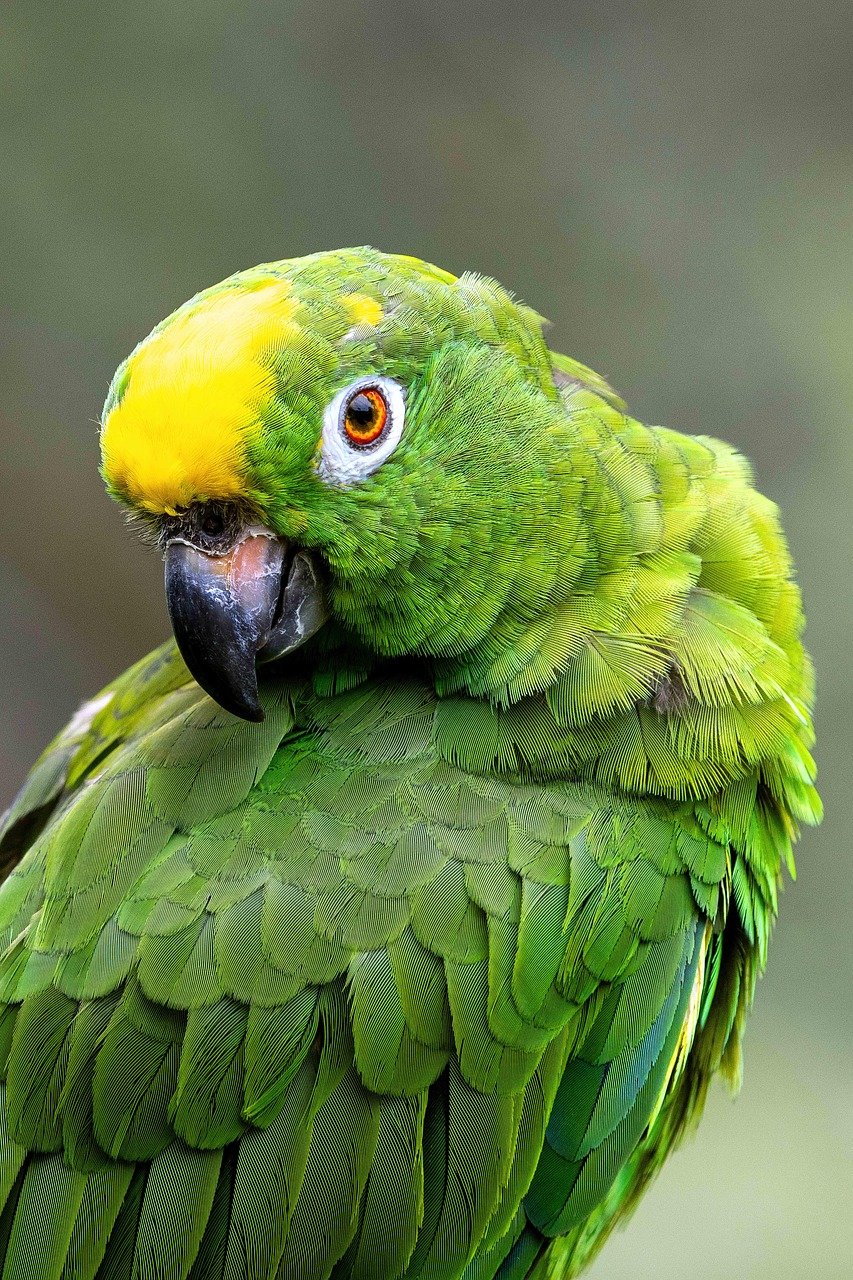
Vichada, in eastern Colombia, is a vast landscape of savannas, rivers and forests where the Orinoco and Meta rivers meet, known for its rich wildlife and Indigenous heritage.
Vaupés
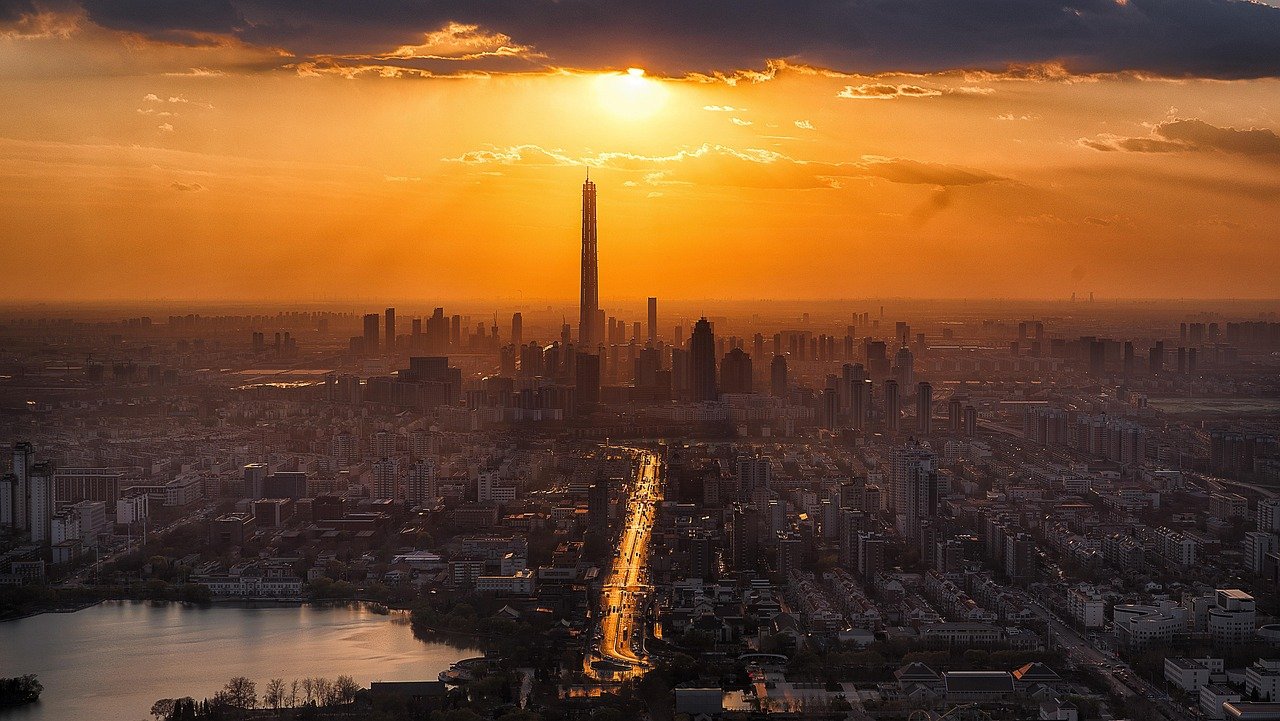
Vaupés, in Colombia's Amazon rainforest, is a land of winding rivers, dense jungle and vibrant Indigenous cultures.
Cali
Cali, capital of Valle del Cauca, blends colonial landmarks, a renowned salsa tradition and warm Pacific-influenced energy with a modern urban pulse that draws travelers year-round.
Airports in Colombia
View all airports in the country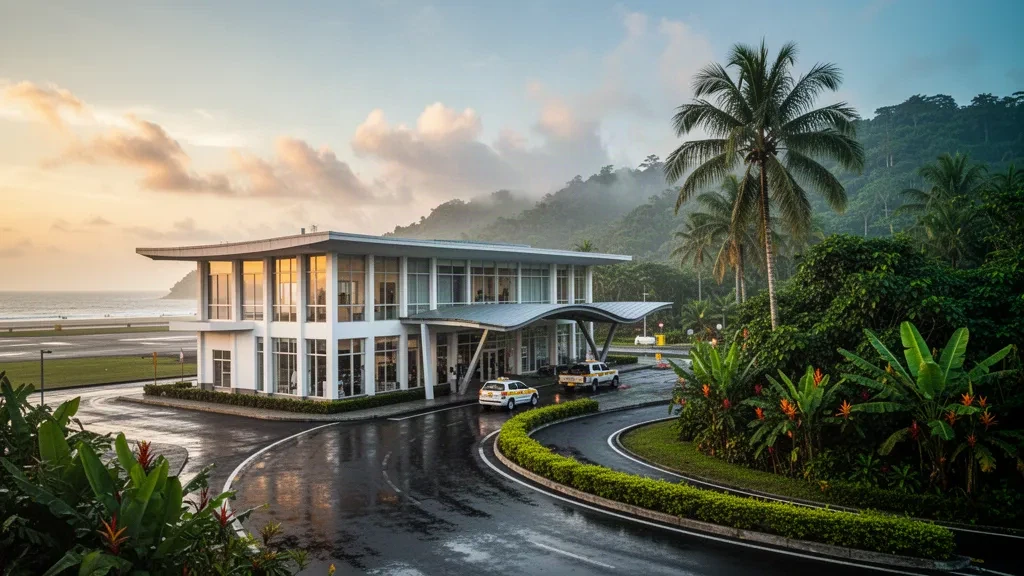
Gerardo Tobar López Airport (BUN)
Gerardo Tobar López Airport serves Buenaventura, Colombia's main Pacific port city in the Valle del Cauca region, as a compact gateway to the city centre and nearby coastal destinations such as Juanchaco and Ladrilleros. Compare transfer options to downtown Buenaventura, the tourist pier and the surrounding area.
José Celestino Mutis Airport (BSC)
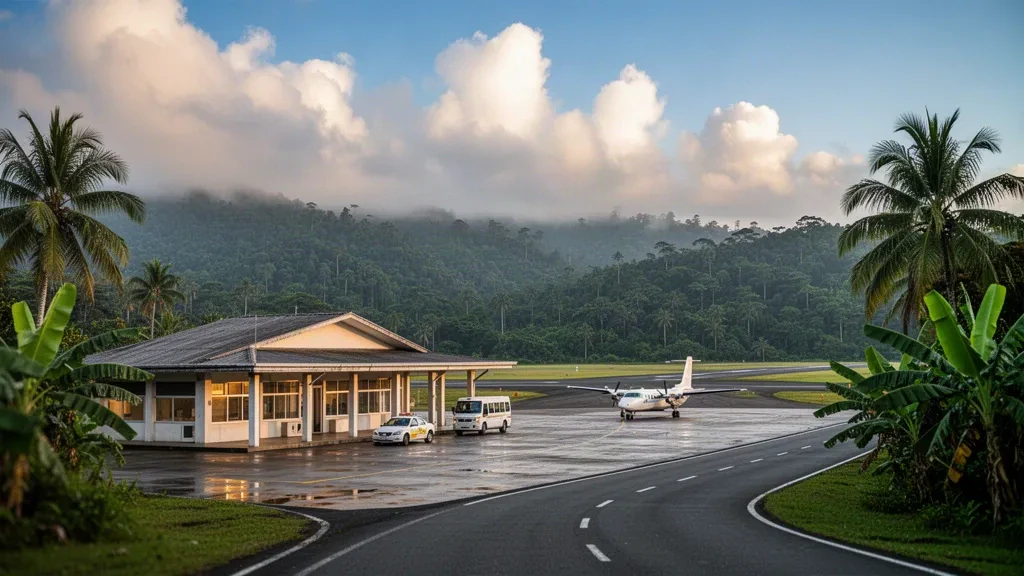
José Celestino Mutis Airport serves Bahía Solano and the surrounding Pacific coast of Colombia's Chocó region, offering a compact gateway to El Valle, Nuquí and nearby coastal and jungle destinations. Compare transfer options to the town centre, hotels, beaches and onward connections with ease.
El Dorado International Airport (BOG)
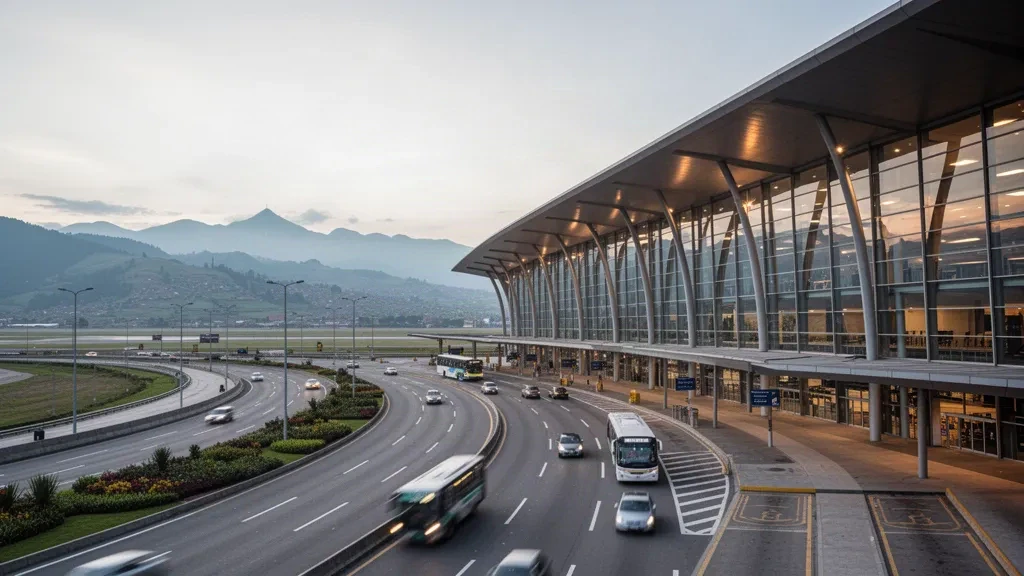
El Dorado International Airport is Bogotá's main international gateway and one of Colombia's most important airports for domestic and international travel. Compare transfer options to the city centre, La Candelaria, Zona Rosa, Usaquén and other nearby destinations, and plan your journey with ease.
Cupica Airport (BHF)
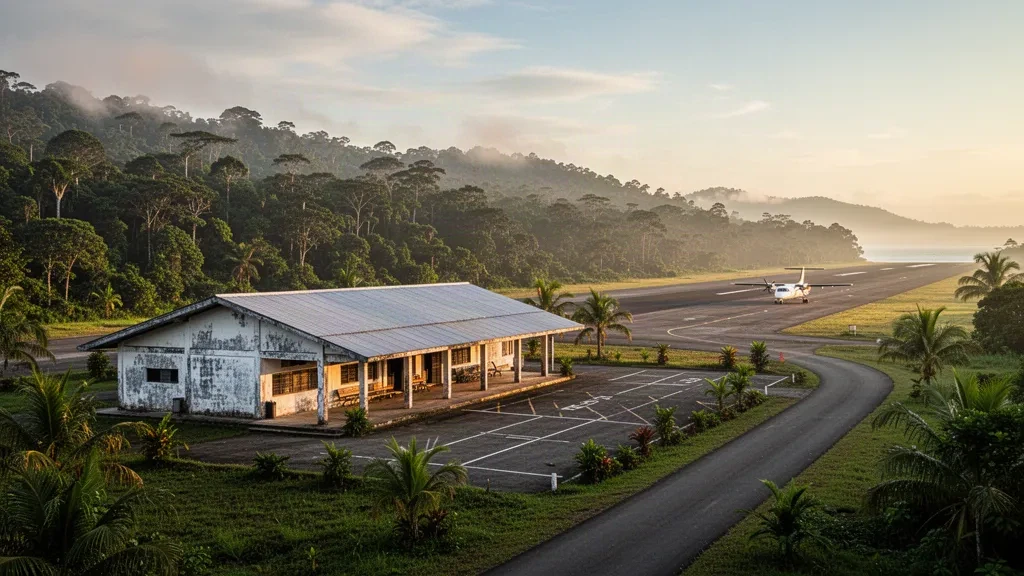
Cupica Airport is a small regional gateway to the northern Solano Bay area on Colombia's Pacific coast, serving the Cupica area and the nearby town of Bahía Solano in Chocó. Compare transfer options to Bahía Solano and surrounding coastal destinations, and plan your onward journey with ease.