Lhasa
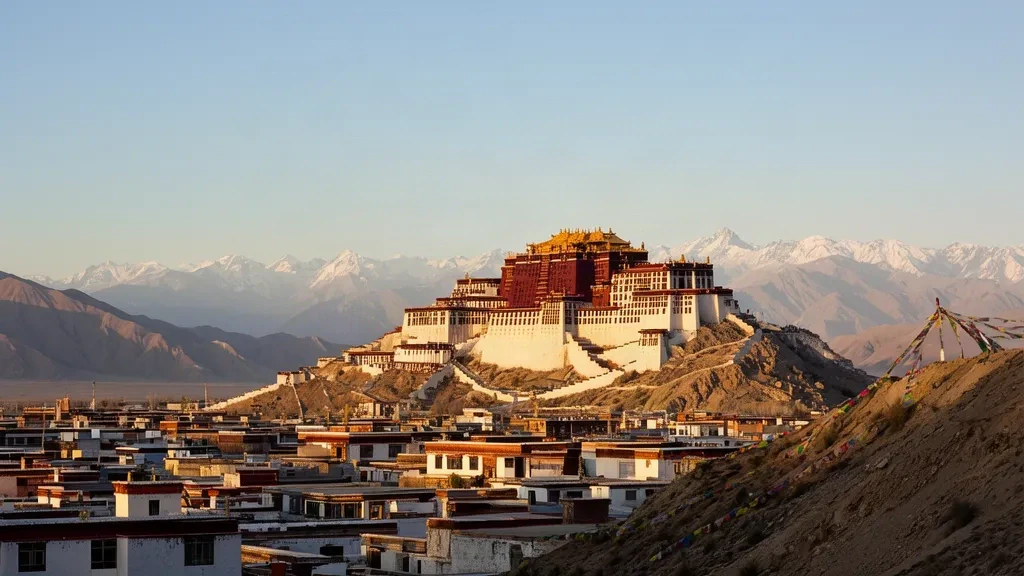
Lhasa, the spiritual heart of Tibet, pairs landmark monasteries and the Potala Palace with the lively Barkhor district, high-altitude scenery and a deeply rooted Buddhist culture.
Passengers
Luggage
About Tibet
Lhasa is the capital of the Tibet Autonomous Region in western China and one of the highest major cities in the world, sitting at about 3,650 metres above sea level. Often called the "Sunlight City" for its many clear days, it remains the cultural, political and spiritual centre of Tibetan Buddhism.
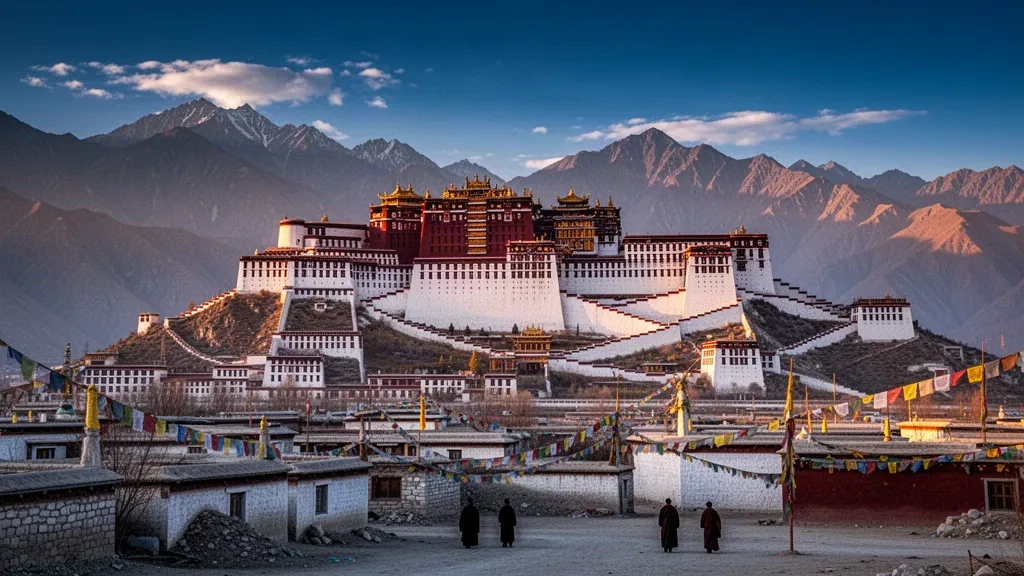
Lhasa's most famous landmark is the Potala Palace, a UNESCO World Heritage Site that towers above the city and once served as the winter residence of the Dalai Lamas. Nearby, the Jokhang Temple and the surrounding Barkhor Street form the devotional heart of the old town, while Norbulingka, Sera Monastery and Drepung Monastery add layers of religious and architectural heritage.
The central Chengguan District contains narrow pilgrim lanes, rooftop prayer flags, incense sellers and shops offering thangkas, jewellery and handicrafts. Modern avenues around Beijing Road and Yutuo Road bring hotels, restaurants and commercial life to a city that is otherwise defined by its mountain setting and monastic landmarks.
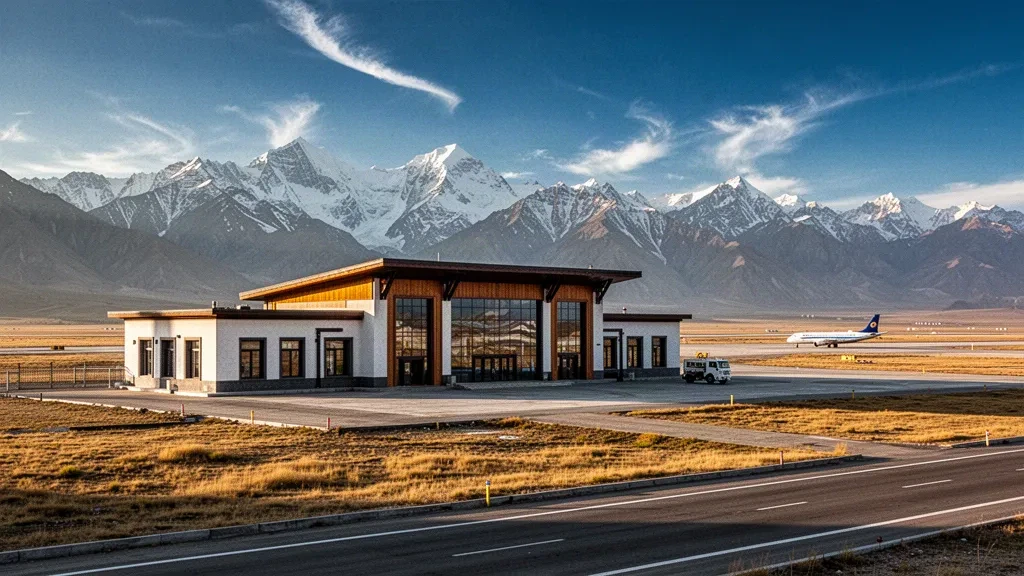
Lhasa is also the regional administrative, commercial and transport hub of Tibet, linked to the rest of China by the Qinghai–Tibet Railway and Lhasa Gonggar International Airport. Tourism, trade, government services and a growing hospitality sector support the city's role as a base for exploring the wider plateau.
Visitors should allow time to adjust to the altitude, and foreign travellers need a Tibet Travel Permit and an organised itinerary. For both pilgrims and business travellers, Lhasa offers a distinctive mix of religious heritage, high-altitude landscapes and practical connections across the region.
Tibet Travel Guide
Best Time to Visit
May to October offers the mildest weather and clearest conditions for sightseeing around Lhasa. Summer brings warmer days and occasional rain, while winter is cold, dry and quieter with strong daytime sunshine.
How to Get Around
Central Lhasa is compact and walkable around Barkhor Street and the Potala Palace, while city buses and taxis connect outlying districts. Hiring a car with a driver is common for visiting monasteries and sights outside the city.
Where to Stay
Staying in the old town near Barkhor Street puts major temples, markets and restaurants within walking distance. The area around Beijing Road and Yutuo Road offers larger hotels, while quieter guesthouses suit travellers wanting a more local atmosphere.
Food & Drink
Lhasa's food scene centres on Tibetan dishes such as momos, thukpa, yak meat and tsampa, often served with butter tea or sweet tea. Local teahouses, small restaurants and markets provide inexpensive everyday eating across the city.
Ground Transportation Services in Tibet
Airport Transfers
Travel between Lhasa Gonggar International Airport and hotels, guesthouses and other addresses across the city, with the journey typically taking around 60 minutes.
Hourly Chauffeur
Book a private chauffeur by the hour for flexible travel to the Potala Palace, monasteries, business meetings and other destinations around Lhasa.
Car Rental
Rent a car with a driver in Lhasa for independent day trips to Sera Monastery, Drepung Monastery and sights across the surrounding valley.
Bus & Group Transfers
Arrange minibuses or charter buses for group tours, corporate travel, airport pickups and excursions to nearby monasteries or Namtso Lake.
Frequently Asked Questions
Related Cities in China
View all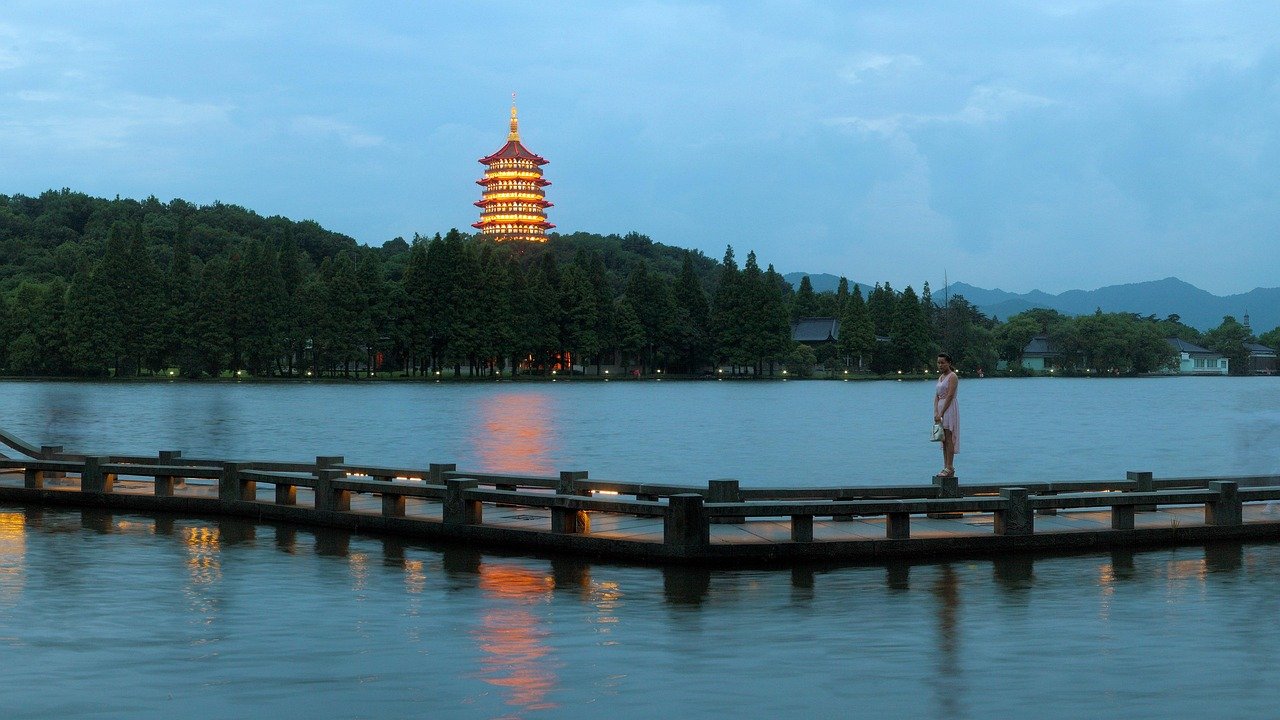
Hangzhou
Hangzhou, capital of Zhejiang province, pairs the classical beauty of West Lake with ancient temples, tea hills and a modern tech-driven economy.
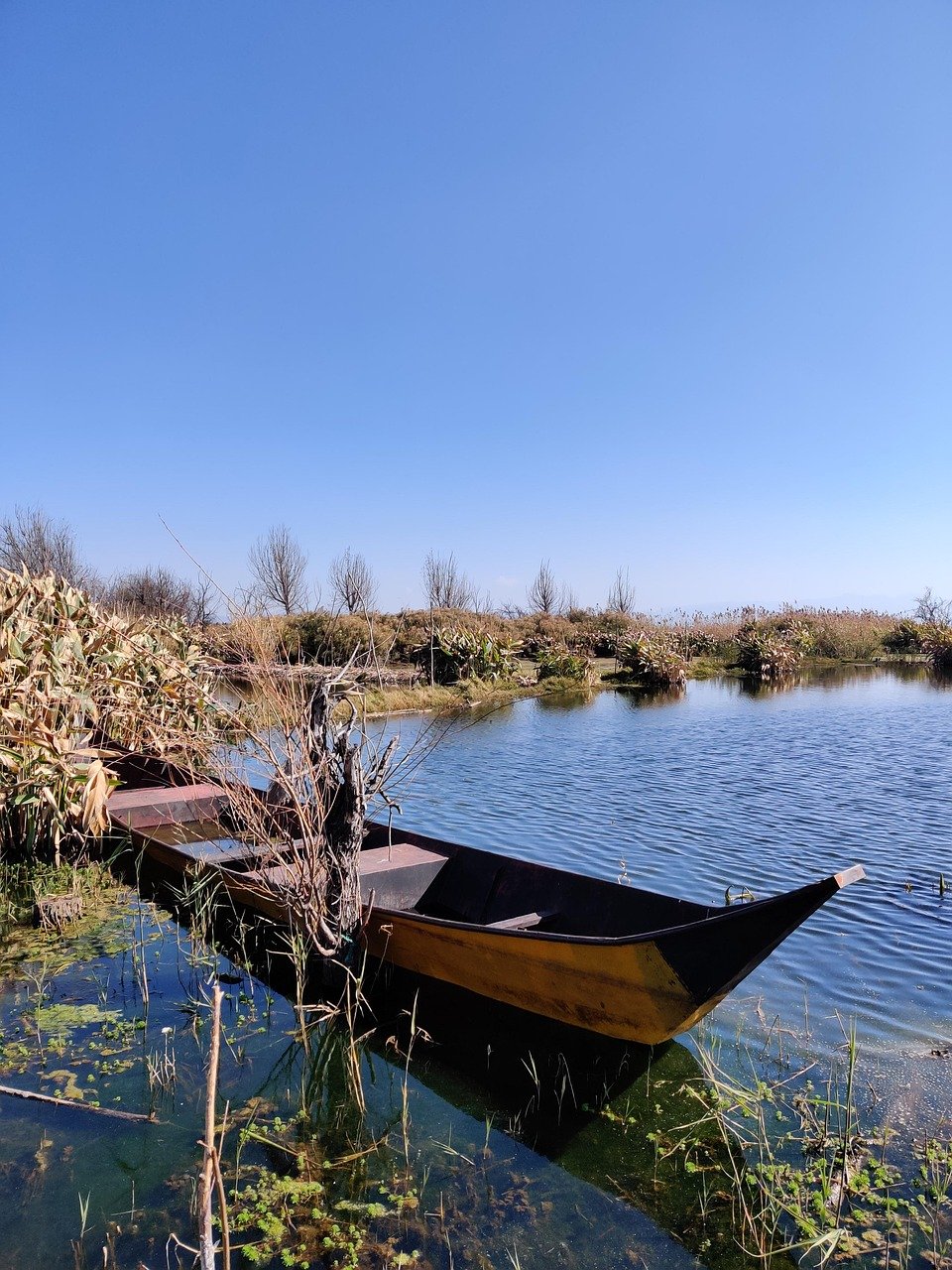
Kunming
Kunming, the capital of Yunnan, pairs a mild highland climate with historic temples, lively markets and modern districts, and its blend of ethnic cultures and nearby natural landmarks makes it a distinctive gateway to southwest China.
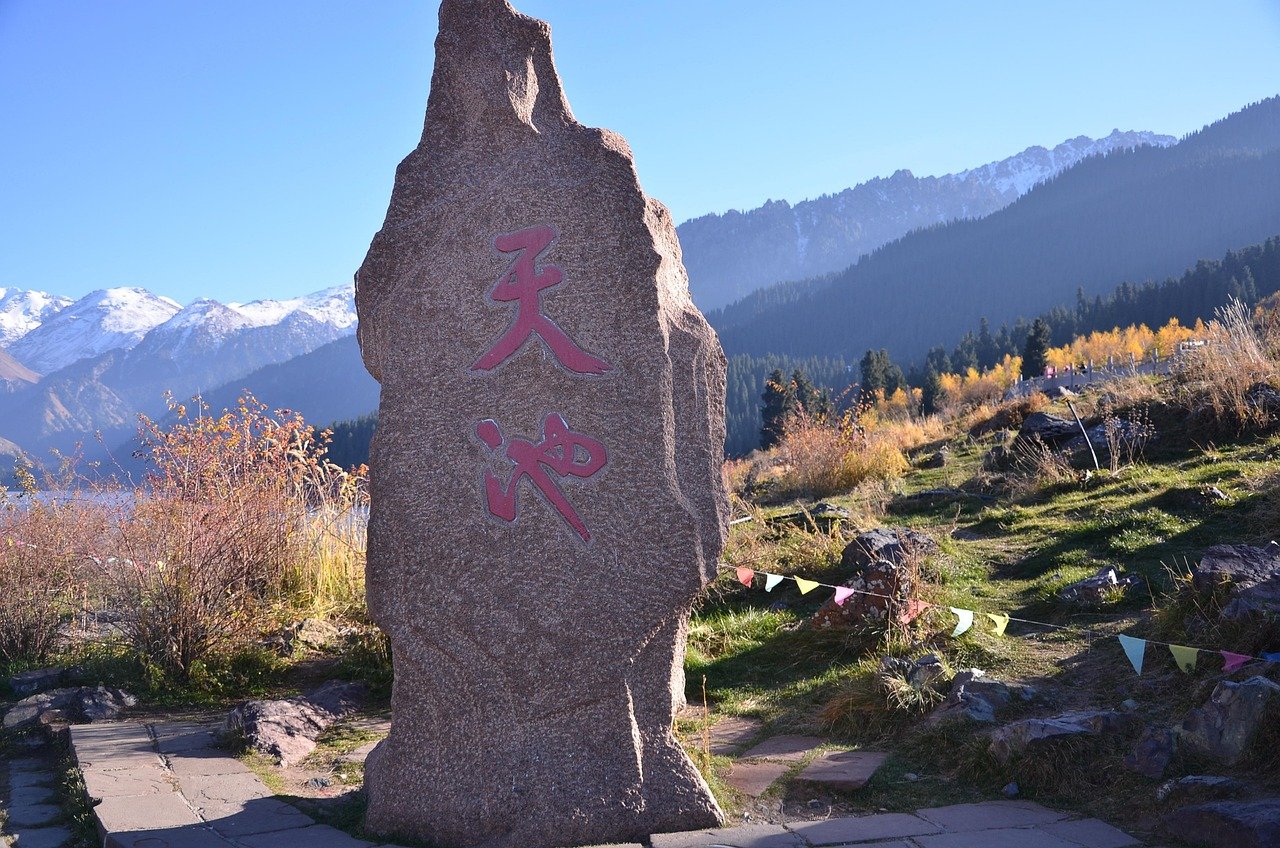
Urumqi
Urumqi, the capital of China's Xinjiang region, sits at the foot of the Tianshan Mountains and blends Silk Road history with a modern, multicultural urban scene. Its lively bazaars, green parks and mountain views give the city a distinctive character in northwest China.