Wuhan
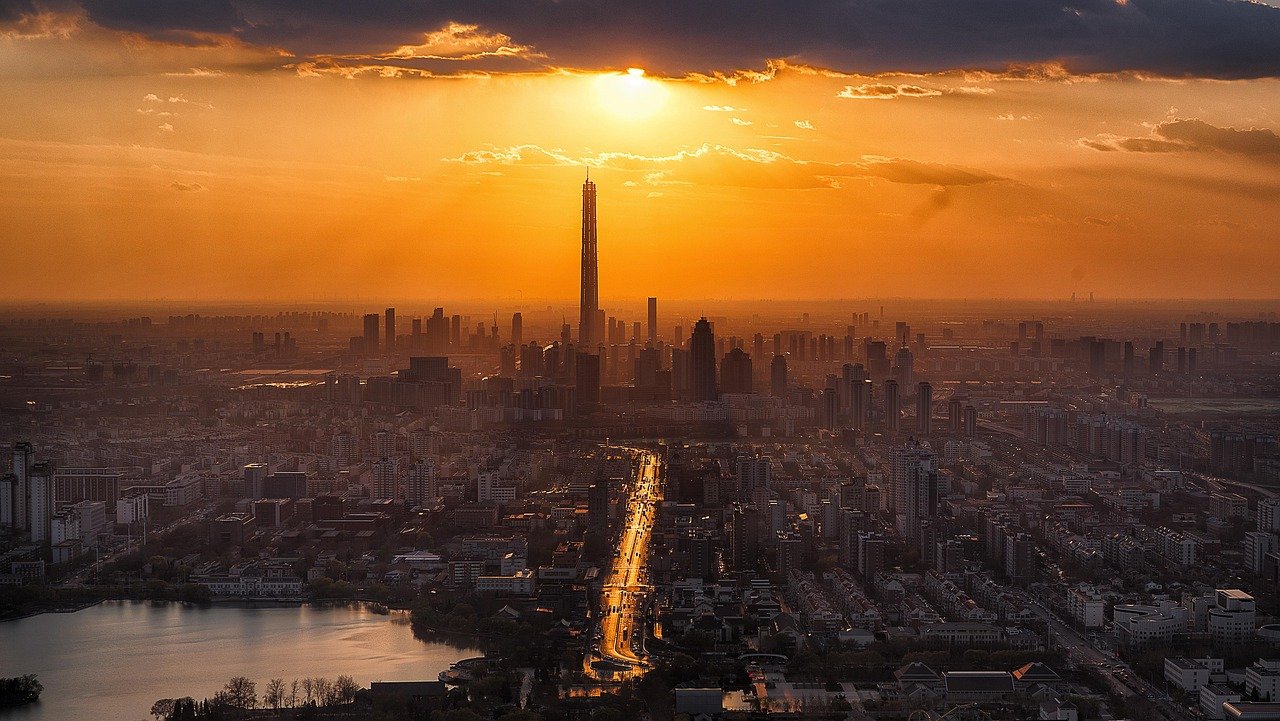
Wuhan, the capital of Hubei Province, sits where the Yangtze and Han rivers meet, blending historic landmarks, lively riverside districts and a strong academic and business scene.
Passengers
Luggage
About Hubei
Wuhan is the capital of Hubei province and the largest city in central China, where the Han River meets the Yangtze. Built across three historic districts—Wuchang, Hankou and Hanyang—it has long served as a major inland port, rail hub and commercial crossroads for the middle Yangtze region.
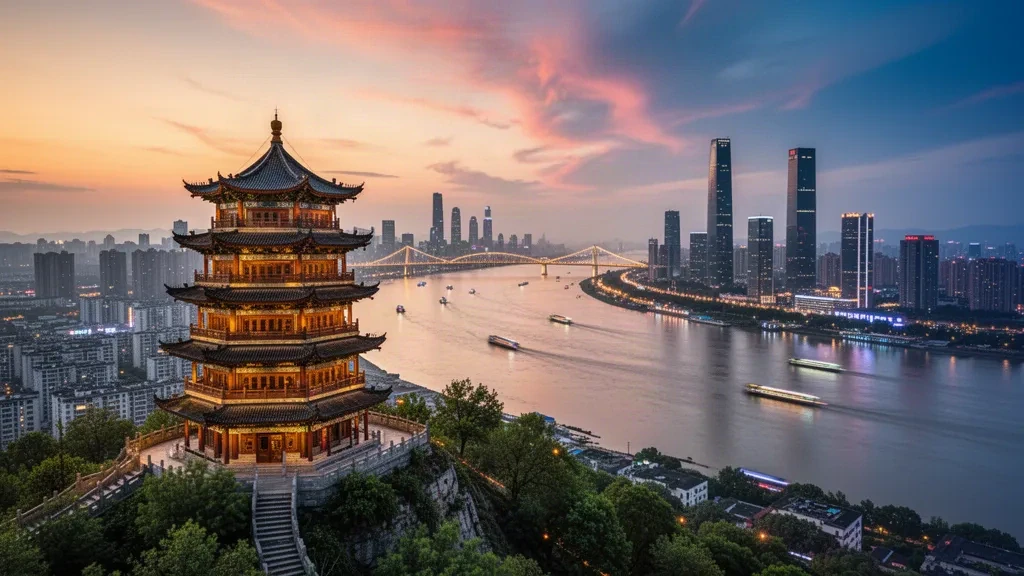
The city's landmarks span centuries. The Yellow Crane Tower rises above Wuchang with views over the Yangtze, while the Wuhan Yangtze River Bridge, East Lake, Guiyuan Temple and the 1911 Revolution Museum connect imperial history, revolutionary memory and everyday riverside life.
Hankou's former concession streets, the Jianghan Road pedestrian area and old lanes around Lihuangpi Road preserve early-20th-century architecture, cafés and markets. Across the river, Wuchang holds universities, museums such as the Hubei Provincial Museum, and cultural neighbourhoods like Tanhualin, while Hanyang adds temples, parks and quieter riverside spaces.
As a national centre for education, science and industry, Wuhan combines universities, technology zones and trade with a strong food culture built around hot dry noodles, breakfast street snacks and night markets. Its metro network, high-speed rail links and Yangtze shipping connections make it one of China's key transport hubs.
For travellers, Wuhan works as both a standalone destination and a gateway to the middle Yangtze, offering history, food, river views and a fast-changing urban landscape alongside practical access for business and events.
Hubei Travel Guide
Best Time to Visit
Spring (March to May) and autumn (September to November) offer the most comfortable weather for sightseeing, with lakeside walks and mild temperatures in spring and cooler, drier days in autumn. Summer in Wuhan is famously hot and humid, while winter is mild but damp.
How to Get Around
Wuhan's metro is extensive and connects the three districts of Wuchang, Hankou and Hanyang, including a direct Line 2 link from Tianhe Airport to the city centre. Ferries across the Yangtze, buses, taxis and ride-hailing services cover the rest of the city, and many riverside and central areas are walkable.
Where to Stay
Hankou suits first-time visitors wanting riverfront heritage, Jianghan Road shopping and lively dining, while Wuchang is convenient for the Yellow Crane Tower, East Lake and university areas. Hanyang offers quieter hotels near temples and parks, and the areas around Hankou and Wuhan railway stations are practical for onward travel.
Food & Drink
Wuhan is famous for hot dry noodles (reganmian), doupi, breakfast street snacks and freshwater fish dishes. Jiqing Street and Hubu Alley are known for street food and late-night snacks, while Hankou's old streets and riverside areas add cafés, tea houses and modern restaurants.
Ground Transportation Services in Hubei
Airport Transfers
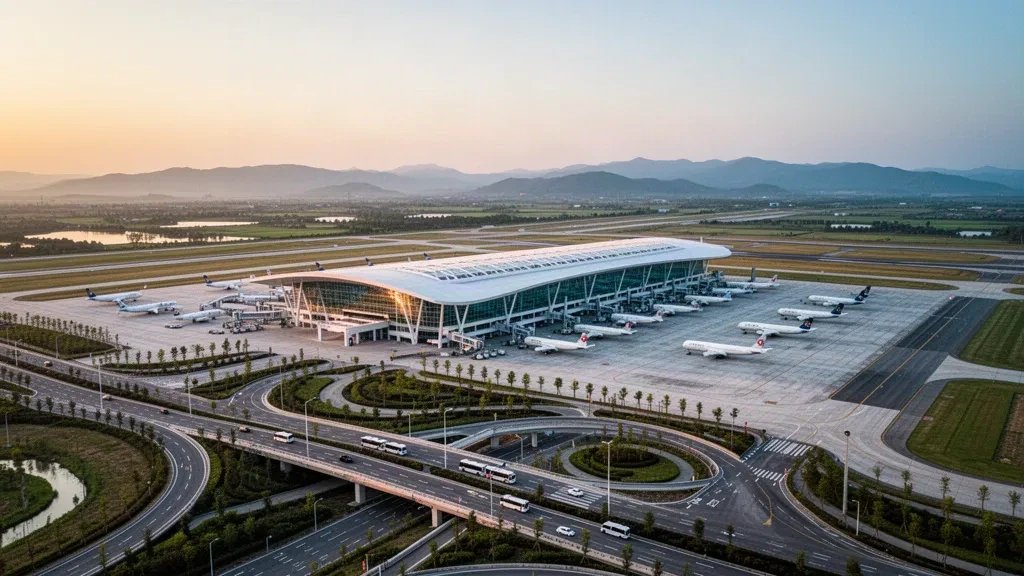
Travel between Wuhan Tianhe International Airport and hotels, business districts, event venues and other destinations across Wuchang, Hankou and Hanyang.
Hourly Chauffeur
Book a private chauffeur by the hour for business meetings, conferences, sightseeing and flexible travel around Wuhan.
Car Rental
Rent a car in Wuhan for independent travel around the city and convenient journeys to nearby destinations in Hubei.
Bus & Group Transfers
Arrange minibuses or charter buses for groups, corporate travel, events, airport transfers and sightseeing tours in Wuhan.
Airports in Hubei
Frequently Asked Questions
Related Cities in China
View all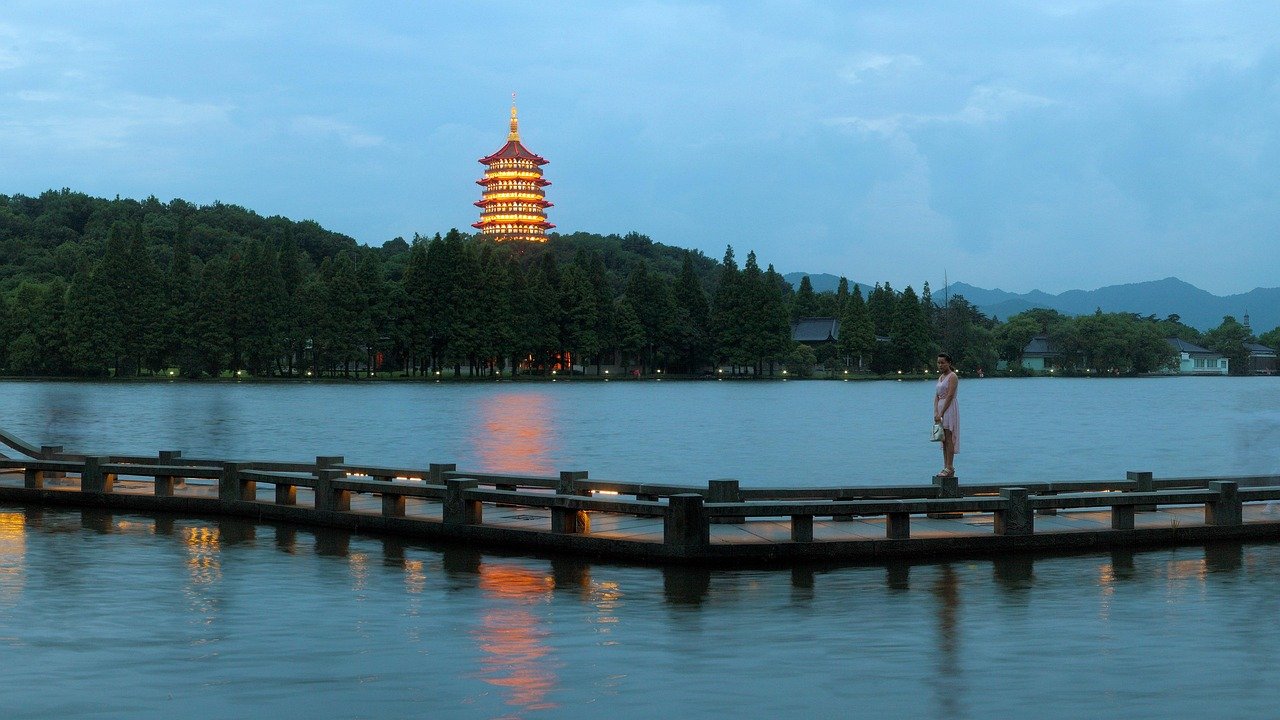
Hangzhou
Hangzhou, capital of Zhejiang province, pairs the classical beauty of West Lake with ancient temples, tea hills and a modern tech-driven economy.
Kunming
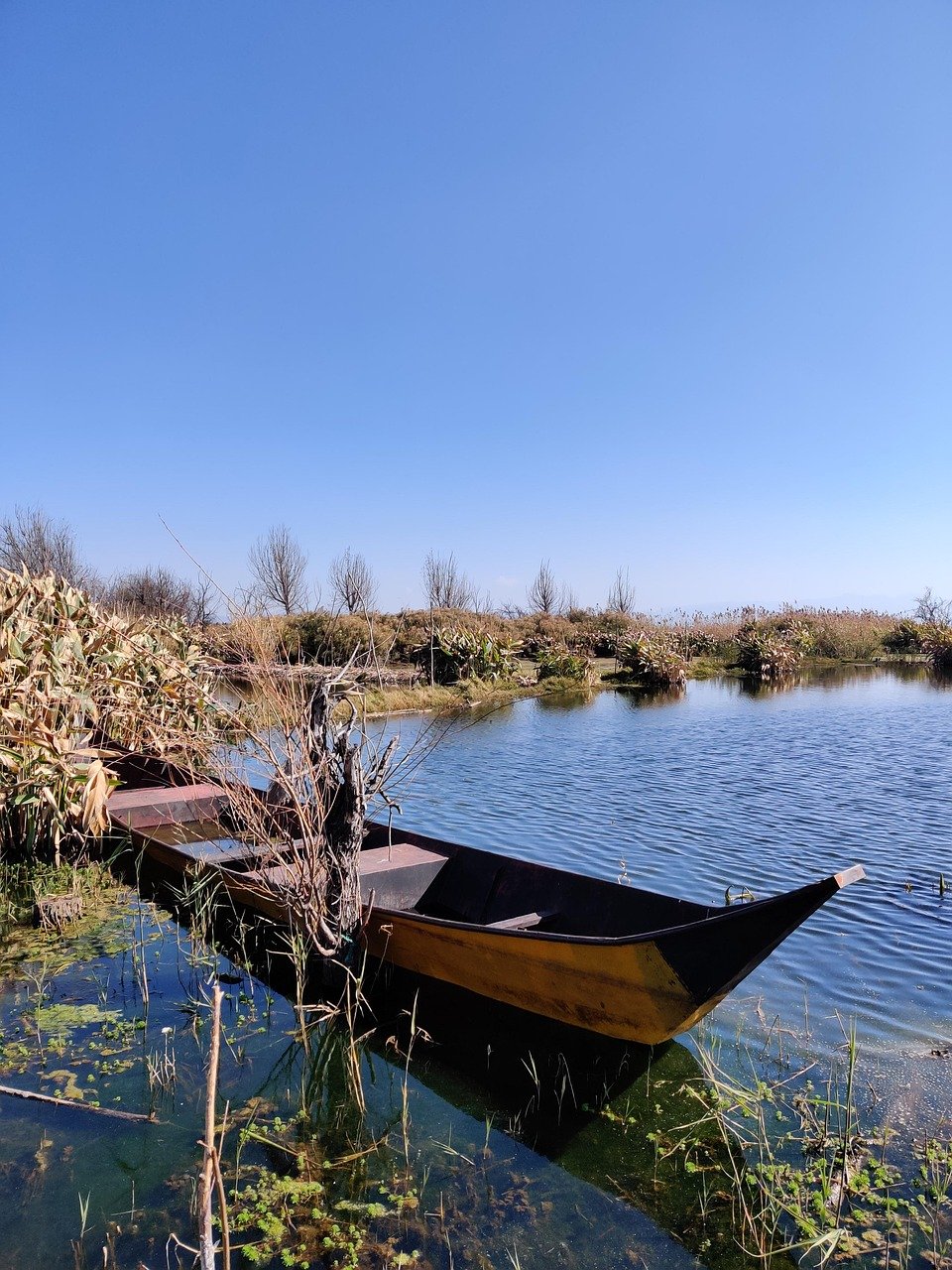
Kunming, the capital of Yunnan, pairs a mild highland climate with historic temples, lively markets and modern districts, and its blend of ethnic cultures and nearby natural landmarks makes it a distinctive gateway to southwest China.
Urumqi
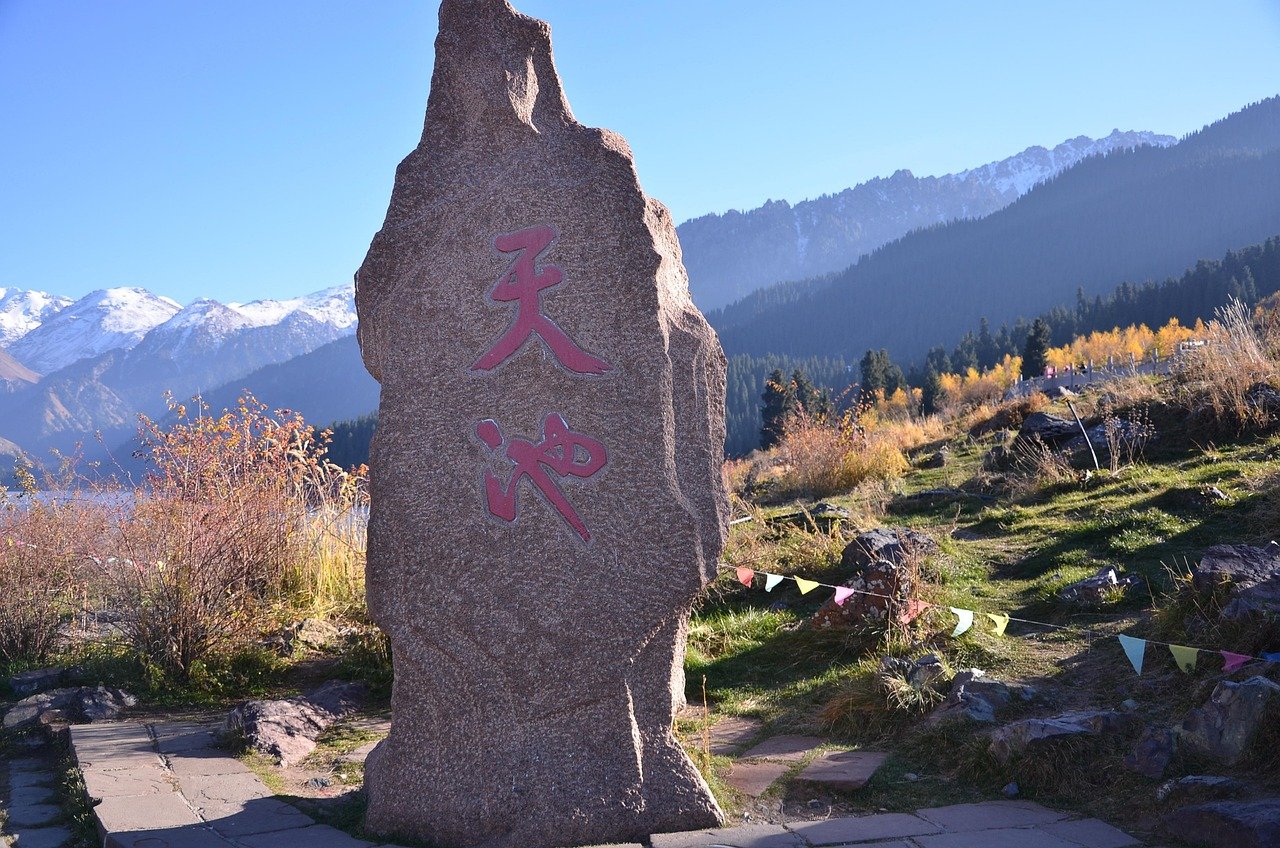
Urumqi, the capital of China's Xinjiang region, sits at the foot of the Tianshan Mountains and blends Silk Road history with a modern, multicultural urban scene. Its lively bazaars, green parks and mountain views give the city a distinctive character in northwest China.