
Antofagasta
Antofagasta, a coastal city in northern Chile, blends mining heritage and a historic port with Pacific beaches, desert views and the dramatic La Portada natural monument. It also serves as a gateway to the Atacama Desert and a hub for northern Chile's business and cultural life.
Passengers
Luggage
About Antofagasta
Antofagasta is the largest city in northern Chile and the capital of the Antofagasta Region, stretched along a narrow coastal shelf between the Pacific Ocean and the Atacama Desert. Known locally as the Pearl of the North, it is a working port city whose long urban strip runs for roughly 30 kilometres and is backed by arid coastal hills.
The city developed as a Bolivian port before becoming Chilean during the War of the Pacific in 1879, and later boomed on saltpetre, silver and copper mining. Landmarks such as the Monumento Natural La Portada, a natural rock arch rising from the sea, the Ruinas de Huanchaca former silver refinery, the Museo Regional in the old customs house, Plaza Colón and the Muelle Histórico reflect that mining and maritime history.
The Centro and Barrio Histórico hold historic buildings, shops, cafés and the landmark Torre Reloj, while the Costanera promenade and Balneario Municipal connect the waterfront with beaches and viewpoints. Parque Japonés adds a quiet green space, and the southern sector around Huanchaca mixes cultural venues with newer development; nearby coastal spots such as Juan López and Mejillones offer quieter escapes.
Mining remains the engine of the local economy, with copper and lithium operations, the port and a strong service sector supporting frequent business travel and events such as the EXPONOR mining exhibition. The Universidad Católica del Norte and Universidad de Antofagasta give the city a student presence, while seafood restaurants, pisco and a lively Costanera scene round out daily life.
For visitors, Antofagasta works both as a practical base for mining-related business and as a gateway to desert and coastal sights, from La Portada and the Atacama interior to connections toward San Pedro de Atacama and Calama.
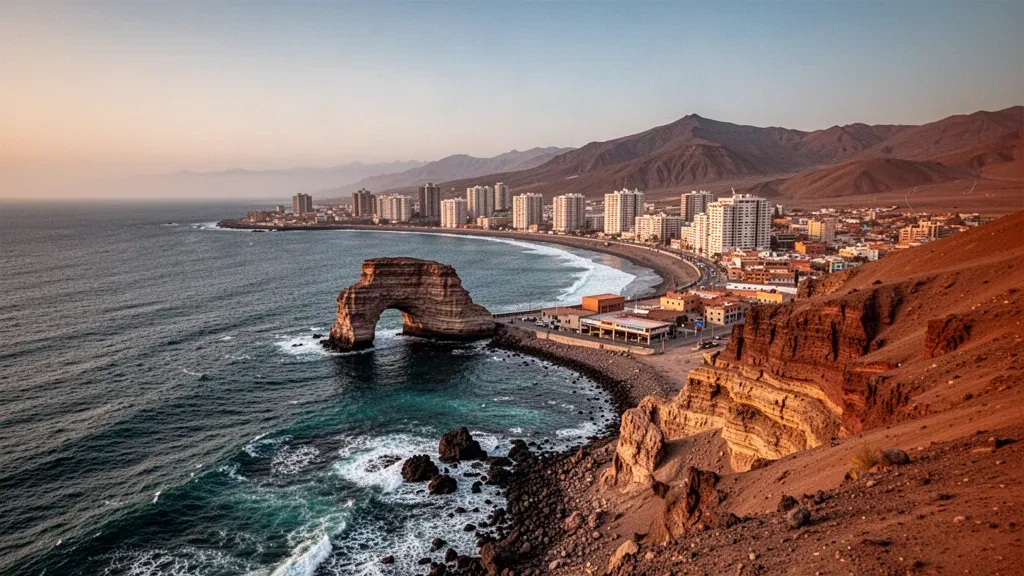
Antofagasta Travel Guide
Best Time to Visit
The city has a mild, arid coastal climate with sunshine most of the year. October to March brings the warmest weather for beaches, La Portada and outdoor sights, while December to February is the busiest summer period and June to August is cooler and quieter.
How to Get Around
Local buses known as micros run along Antofagasta's long north-south strip, with shared taxis called colectivos and regular taxis for shorter trips. The Centro and Costanera are walkable, and a rental car is useful for reaching La Portada, Mejillones and other nearby destinations.
Where to Stay
The Centro is the most convenient base, close to historic landmarks, restaurants and shops, with the widest choice of hotels. Playa Blanca and the southern waterfront offer ocean views, while La Chimba in the north sits closer to the airport road.
Food & Drink
Fresh seafood dominates the local menu, from ceviche and machas to locos and hearty chupe de mariscos, best tried along the Costanera or near the Mercado Central. Restaurants and cafés in the Centro also serve Chilean wines, pisco sours and northern specialities.
Ground Transportation Services in Antofagasta
Airport Transfers
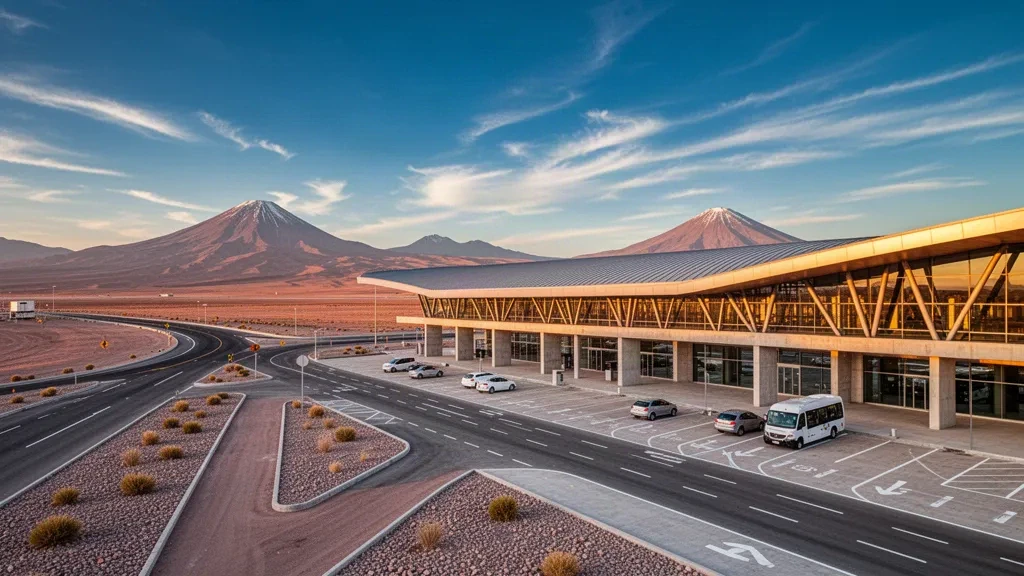
Travel between Andrés Sabella Gálvez International Airport and hotels, business districts, the port and other destinations across Antofagasta, about 25 to 30 kilometres from the city centre.
Hourly Chauffeur
Book a private chauffeur by the hour for business meetings, mining-company visits, events and flexible sightseeing along Antofagasta's long coastal strip.
Car Rental
Rent a car in Antofagasta for independent travel around the city and convenient day trips to La Portada, Mejillones or the wider Atacama region.
Bus & Group Transfers
Arrange minibuses or charter buses for mining and corporate groups, conferences, events, airport pickups and tours in Antofagasta and nearby destinations.
Frequently Asked Questions
Related Cities in Chile
View all
Santiago
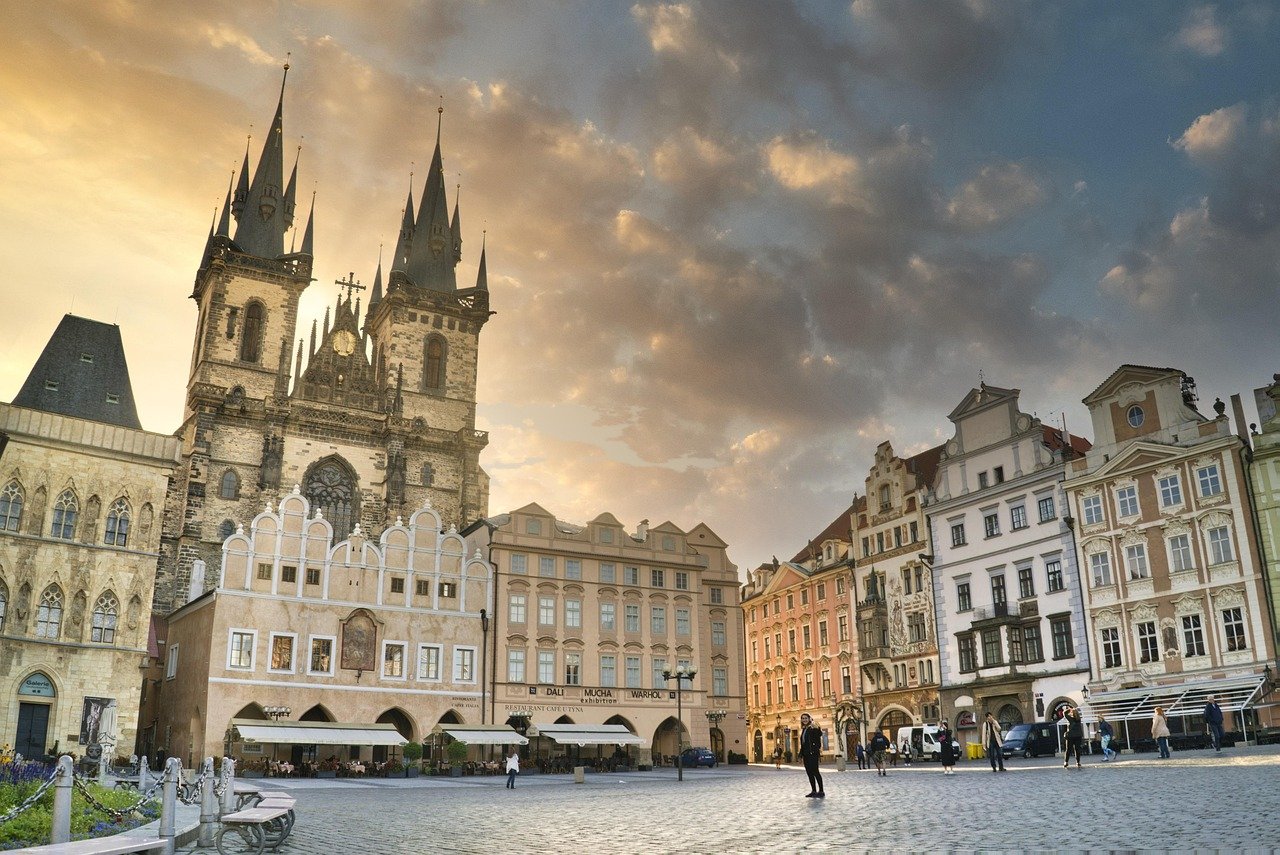
Santiago, Chile's capital, blends colonial landmarks and modern skylines against the Andes, with lively markets, cultural venues and a strong business pulse.
Ñuble
Ñuble, in south-central Chile, blends agricultural traditions, river landscapes and historic towns, with Chillán as its lively urban hub.
Valparaíso
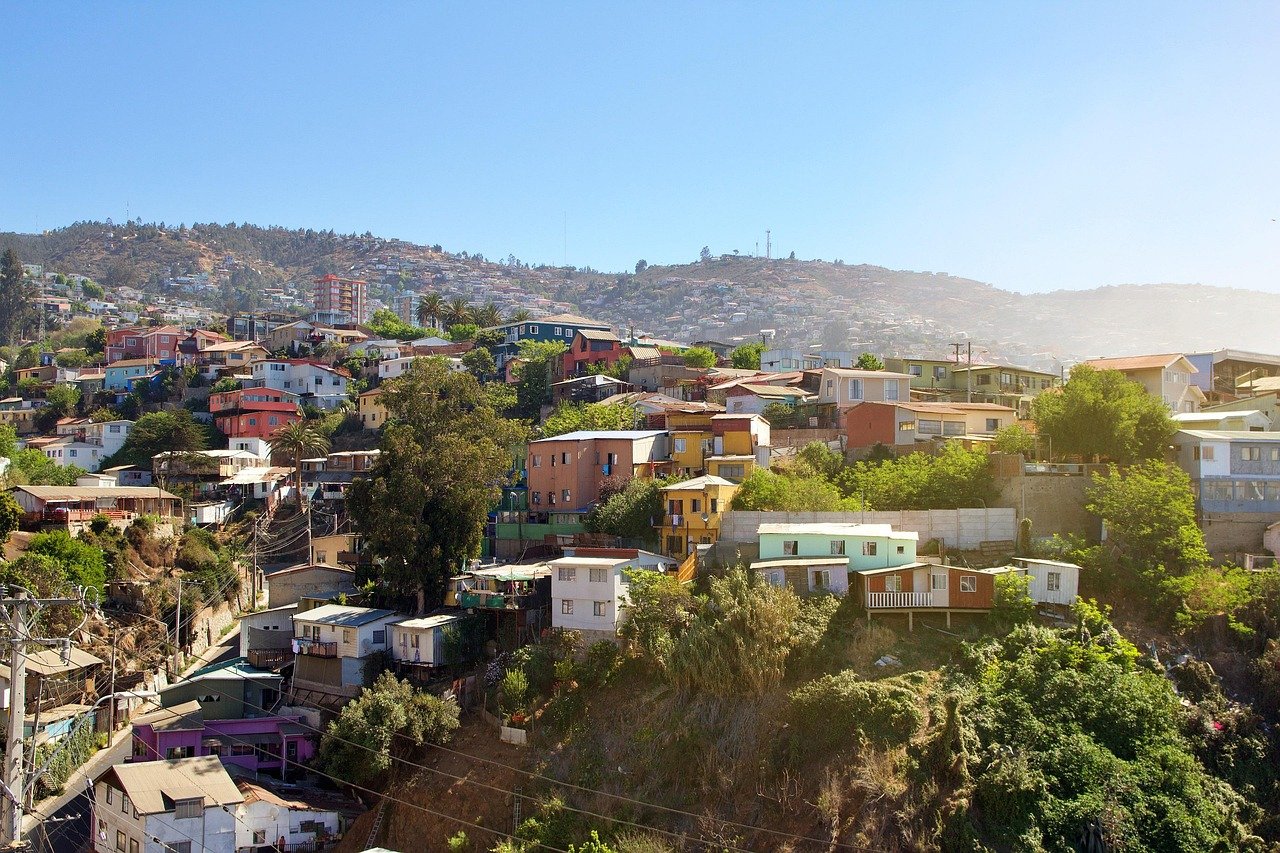
Valparaíso, Chile's bohemian port city, rises from the Pacific in steep hills covered with colorful houses, historic funiculars and vibrant street art. Its UNESCO-listed quarter, lively markets and cultural scene give it a distinctive character.