Ouaddaï
Ouaddaï, in eastern Chad, blends Sahelian landscapes and sultanate heritage with lively markets and a resilient local culture.
Passengers
Luggage
About Ouaddaï
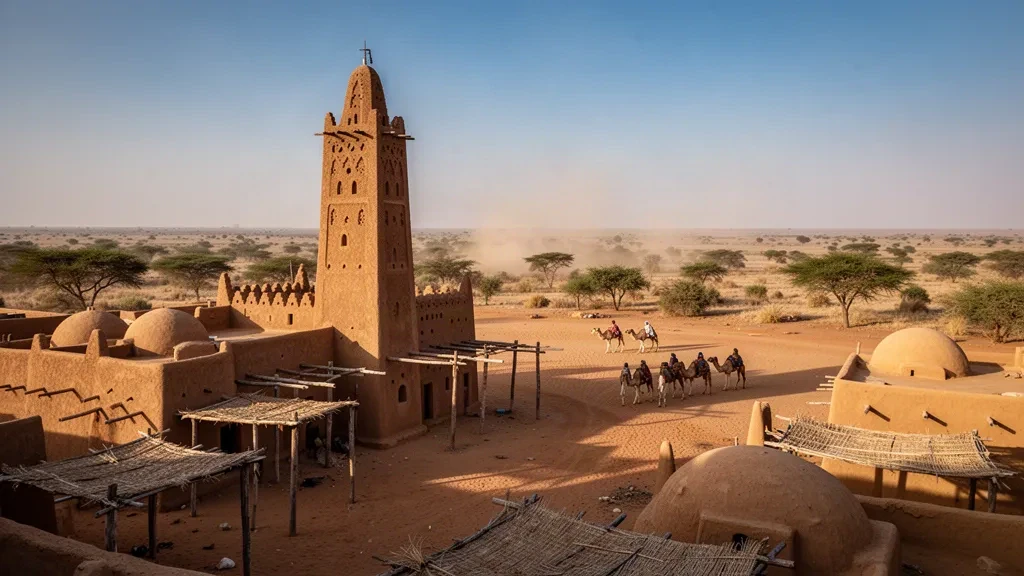
Abéché is the capital of the Ouaddaï Region in eastern Chad and one of the country's most historic cities. It grew as the seat of the Wadai Sultanate in the 19th century and became a major caravan trade centre linking the Sahel with routes toward Sudan and the Nile valley.
The city's past is still visible in its colonial-era streets, the central market and the Grand Mosque, while the nearby ruins of Ouara mark the earlier Wadai capital before Abéché was founded. Maba (Ouaddaï) culture, Arabic and Islamic traditions remain central to daily life.
The busy central market is the commercial heart of the city, where livestock, grain, textiles, tea and household goods are traded, and camel and cattle dealing remain important. Residential quarters spread across the dry riverbeds, or ouadis, that cross the city.
Abéché is also a base for humanitarian and development organisations working across the wider Ouaddaï Region, an area that hosts Sudanese refugees, and it remains a centre for regional trade with Sudan. Visitors use the city as a gateway to the Sahelian landscapes and historic sites of eastern Chad.
For leisure and business travellers, Abéché offers a rare look at a historically rich but little-visited part of Chad. Services are modest, with a small number of hotels and restaurants, so advance planning and local guidance are helpful.
Ouaddaï Travel Guide
Best Time to Visit
The dry season from November to February is the most comfortable time to visit Abéché, with cooler temperatures and better road conditions. The rainy season from June to September can make travel more difficult on unpaved routes.
How to Get Around
Abéché is compact enough to explore parts of the centre on foot, while motorcycle taxis and local minibuses handle most short journeys. For trips outside the city, 4x4 vehicles are commonly used because many roads are unpaved.
Where to Stay
Most accommodation is concentrated near the city centre and market, with a small number of hotels and guesthouses. Travellers should book ahead and confirm facilities, as options are limited.
Food & Drink
Local food centres on millet or sorghum porridge served with sauces, grilled meat, peanuts and sweet tea. Markets and small restaurants in the centre offer everyday Chadian dishes and Arabic-influenced specialities.
Ground Transportation Services in Ouaddaï
Airport Transfers
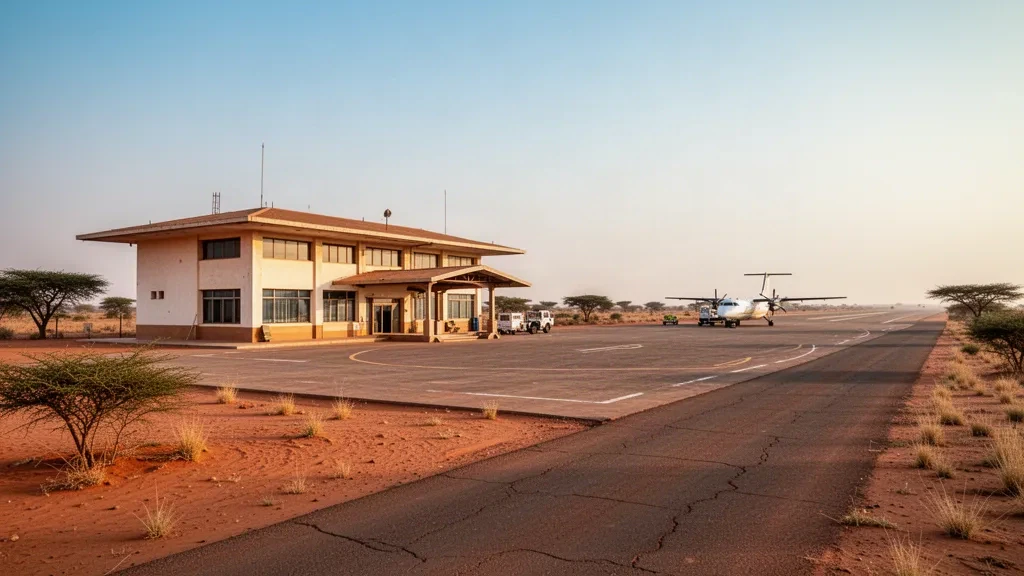
Pre-arranged transfers connect Abéché Airport with hotels, the city centre and destinations across the Ouaddaï Region.
Hourly Chauffeur
A private chauffeur can be booked by the hour for meetings, site visits and flexible travel in and around Abéché.
Car Rental
Renting a 4x4 is practical for independent travel in eastern Chad, where many routes beyond the city are unpaved.
Bus & Group Transfers
Minibuses and charter vehicles serve groups, NGO teams and event transfers in Abéché and the wider Ouaddaï Region.
Frequently Asked Questions
Related Cities in Chad
View all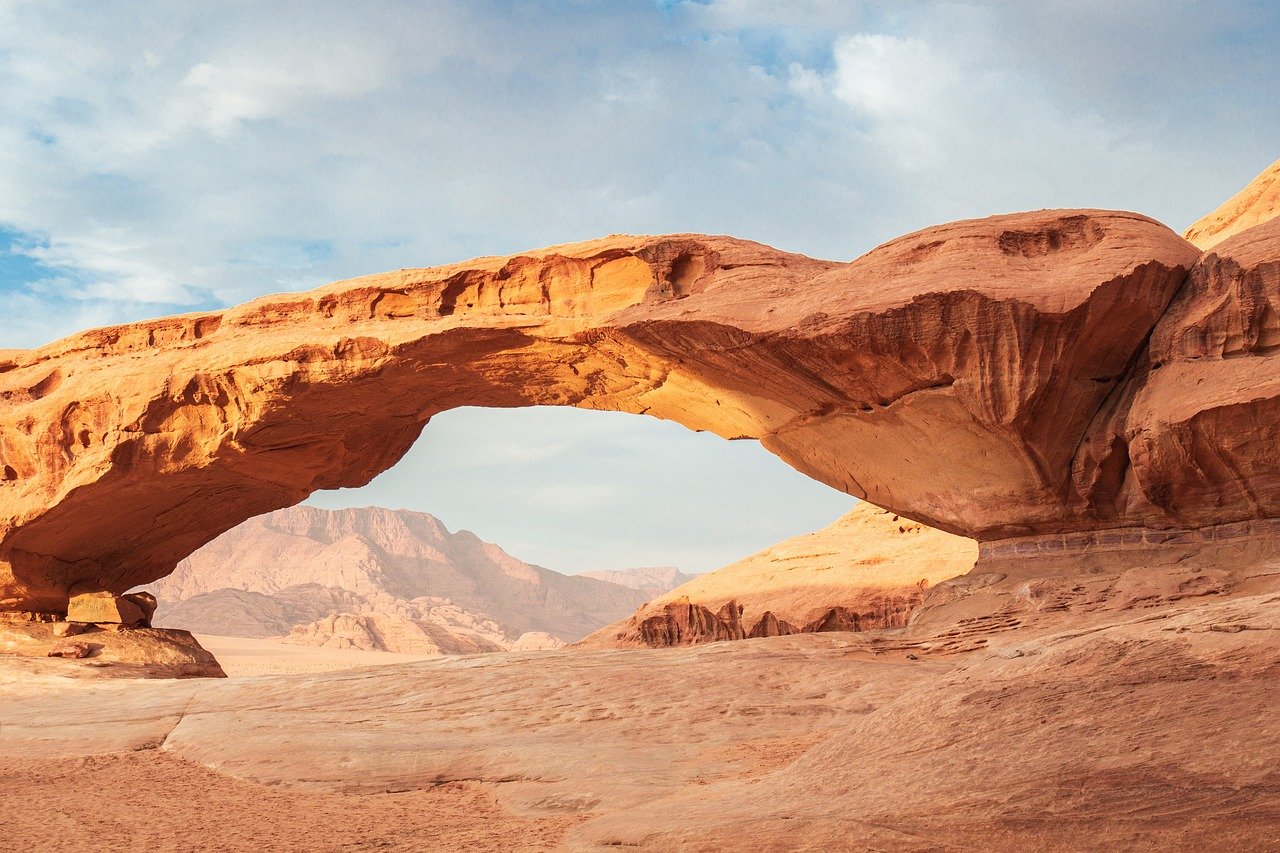
Wadi Fira
Wadi Fira, in eastern Chad, blends Sahelian desert scenery with local markets, diverse communities and a history of cross-border trade.
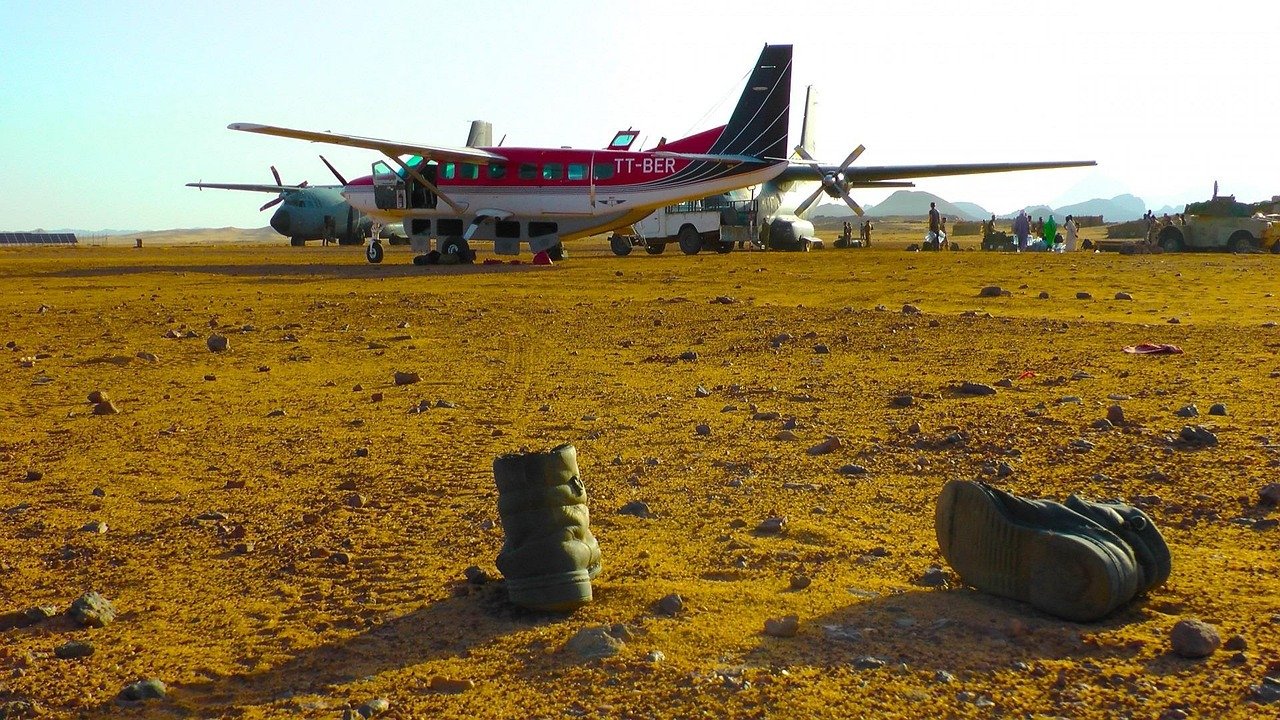
Tibesti
Tibesti, in northern Chad, is known for its dramatic volcanic mountains, ancient rock art and the cultural heritage of the Toubou people.
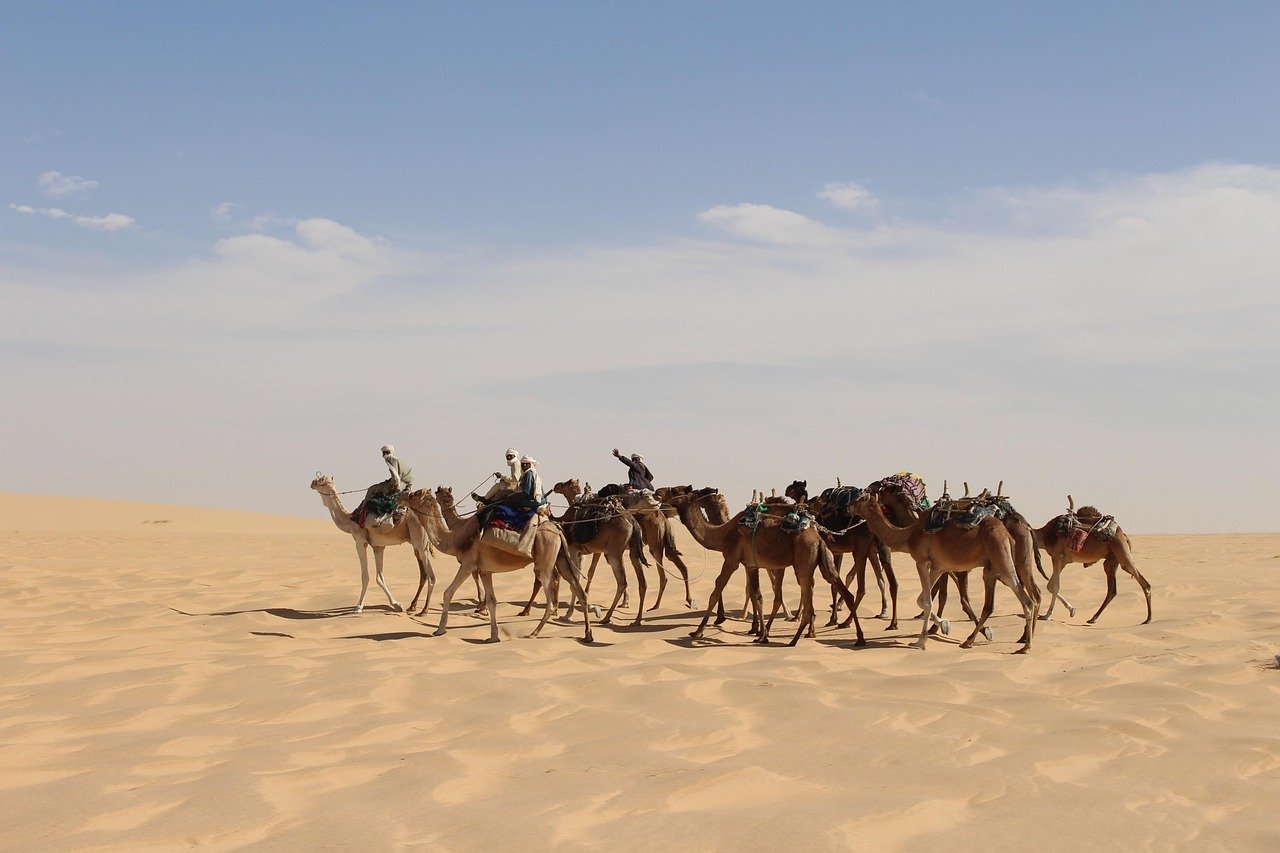
Tandjilé
Tandjilé, in southwestern Chad, is a predominantly agricultural area of savanna landscapes, market towns and small communities, with Laï serving as its administrative centre.